Skin tags, or acrochordons, are small, benign skin growths that are common and typically harmless. While they pose no medical threat, many people seek to remove them for cosmetic reasons. A primary concern during removal is preventing a permanent scar, ensuring the skin remains smooth and clear. The most effective methods for removing a skin tag without leaving a scar involve professional dermatological procedures like cryotherapy, electrocautery, or surgical excision. For those seeking a safe at-home alternative, advanced devices like the TESEU Plasma Pen utilize plasma energy to vaporize the skin tag with minimal damage to surrounding tissue, significantly reducing the risk of scarring when used correctly. Proper aftercare is crucial regardless of the method chosen to ensure optimal healing.
How Can You Completely Remove a Skin Tag Without Leaving a Permanent Scar?
| Main Section |
Key Topics Covered |
| Understanding Skin Tags and Scarring Potential |
What skin tags are, where they appear, and why improper removal leads to scars. |
| Professional Scar-Free Skin Tag Removal Options |
Detailed look at cryotherapy, electrocautery, and surgical excision performed by dermatologists. |
| Is At-Home Skin Tag Removal a Viable Option? |
Risks vs. benefits of DIY methods and introducing modern, safer at-home technology. |
| Advanced At-Home Technology: The Plasma Pen Solution |
How plasma pens like TESEU’s offer a professional-grade alternative for scarless removal. |
| Questionable DIY Remedies and Their Scarring Risks |
Examining unproven methods like apple cider vinegar, tea tree oil, and skin tag patches. |
| The Perils of ‘Tying Off’ or Ligation |
Why this common method is a high-risk strategy for scarring and infection. |
| What Is the Best Method for Removing Skin Tags Without Scars? |
Comparing professional, at-home tech, and DIY methods for effectiveness and safety. |
| The Definitive Aftercare Protocol for Scar Prevention |
Step-by-step guide to caring for the treated area to ensure smooth healing. |
| When Should You Consult a Doctor About a Skin Tag? |
Identifying red flags and situations where professional medical advice is non-negotiable. |
| Frequently Asked Questions About Scar-Free Skin Tag Removal |
Answering common user queries about pain, healing time, and costs. |
What Are Skin Tags and Why Can They Scar?
Skin tags, medically known as acrochordons, are soft, noncancerous growths that hang off the skin. They are composed of a core of ducts and fibers, blood vessels, and nerve cells covered by a layer of skin. Typically found in areas where skin rubs against skin, such as the neck, armpits, groin, and under the breasts, they are incredibly common. While their exact cause is unknown, they are often associated with genetics, age, obesity, and friction.
The potential for scarring arises not from the skin tag itself, but from the method of removal. When the skin is cut, burned, or traumatized without precision, the body’s natural healing process can create a scar. A scar is essentially fibrous tissue that replaces normal skin after an injury. Improper removal techniques, such as cutting too deep, causing an infection, or creating excessive inflammation, disrupt this healing process and increase the likelihood of a permanent, visible mark. Achieving a scar-free result depends entirely on removing the tag with minimal damage to the surrounding healthy tissue.
Which Professional Procedures Guarantee Scar-Free Removal?
For those prioritizing a perfect cosmetic outcome, consulting a dermatologist is the most reliable path. Professionals have access to sterile equipment and techniques designed for precision and minimal tissue damage, dramatically reducing scarring risk. Three primary medical procedures are standard for skin tag removal.
Cryotherapy: Freezing the Skin Tag Away
Cryotherapy involves applying liquid nitrogen to the skin tag. The extreme cold freezes the tissue, destroying the cells within the growth. Over the following week or two, the frozen skin tag darkens, scabs over, and falls off naturally. Because the application is highly targeted, damage to the surrounding skin is minimal. A small, temporary blister or a slight discoloration might occur, but permanent scarring is very rare when performed by an experienced practitioner.
Electrocautery: Using Heat to Remove the Growth
Electrocautery, also known as electrodesiccation, uses a specialized medical device to deliver a high-frequency electric current. This current burns and cauterizes the tissue of the skin tag, effectively vaporizing it. The heat also seals the blood vessels instantly, preventing bleeding. The precision of this method allows the dermatologist to remove the tag flush with the skin, leaving a tiny scab that heals with a very low risk of scarring.
Surgical Excision: The Classic Removal Method
For larger skin tags or those with a thick stalk, a doctor may opt for surgical excision. This involves numbing the area with a local anesthetic and then removing the skin tag with a sterile scalpel or surgical scissors. While it involves cutting, a skilled dermatologist can make a precise incision at the base of the stalk. Often, the wound is so small that a stitch is not even necessary. This controlled injury heals cleanly, making significant scarring highly unlikely.
Can You Remove a Skin Tag at Home Without a Scar?
The internet is filled with do-it-yourself (DIY) suggestions for at-home skin tag removal. However, many of these methods carry significant risks of infection, incomplete removal, and, most notably, permanent scarring. Traditional DIY approaches often lack the precision and sterility of professional treatments. Cutting a skin tag off with non-sterile scissors, for example, is a direct invitation for bacteria, which can lead to a severe infection and an unsightly scar far worse than the original skin tag.
However, technology has evolved. The choice is no longer limited to risky folk remedies or an expensive trip to the dermatologist. Advanced at-home devices have emerged that mimic the principles of professional procedures, offering a safer and more effective alternative. These tools bridge the gap, providing a way to achieve clean, scar-free results from the comfort of your own home, provided you use them correctly and follow strict hygiene protocols.
How Can Advanced Technology Like a Plasma Pen Help?
A prime example of modern at-home technology is the plasma pen. A high-quality device like the TESEU Plasma Pen uses the power of plasma—an ionized gas—to sublimate, or vaporize, the skin tag tissue without touching the skin. This non-invasive method is incredibly precise, allowing you to target only the skin tag itself, leaving the surrounding healthy skin untouched.
The pen creates a tiny plasma arc that zaps the skin tag, turning it from a solid straight to a gas. This process is similar in principle to electrocautery but can be performed with even greater finesse. The benefits are significant:
- High Precision: The fine tip allows for targeted treatment, minimizing collateral damage and thus preventing scars.
- Reduced Risk of Infection: The sublimation process is clean, and the heat cauterizes the area, reducing the chance of bleeding and infection compared to cutting.
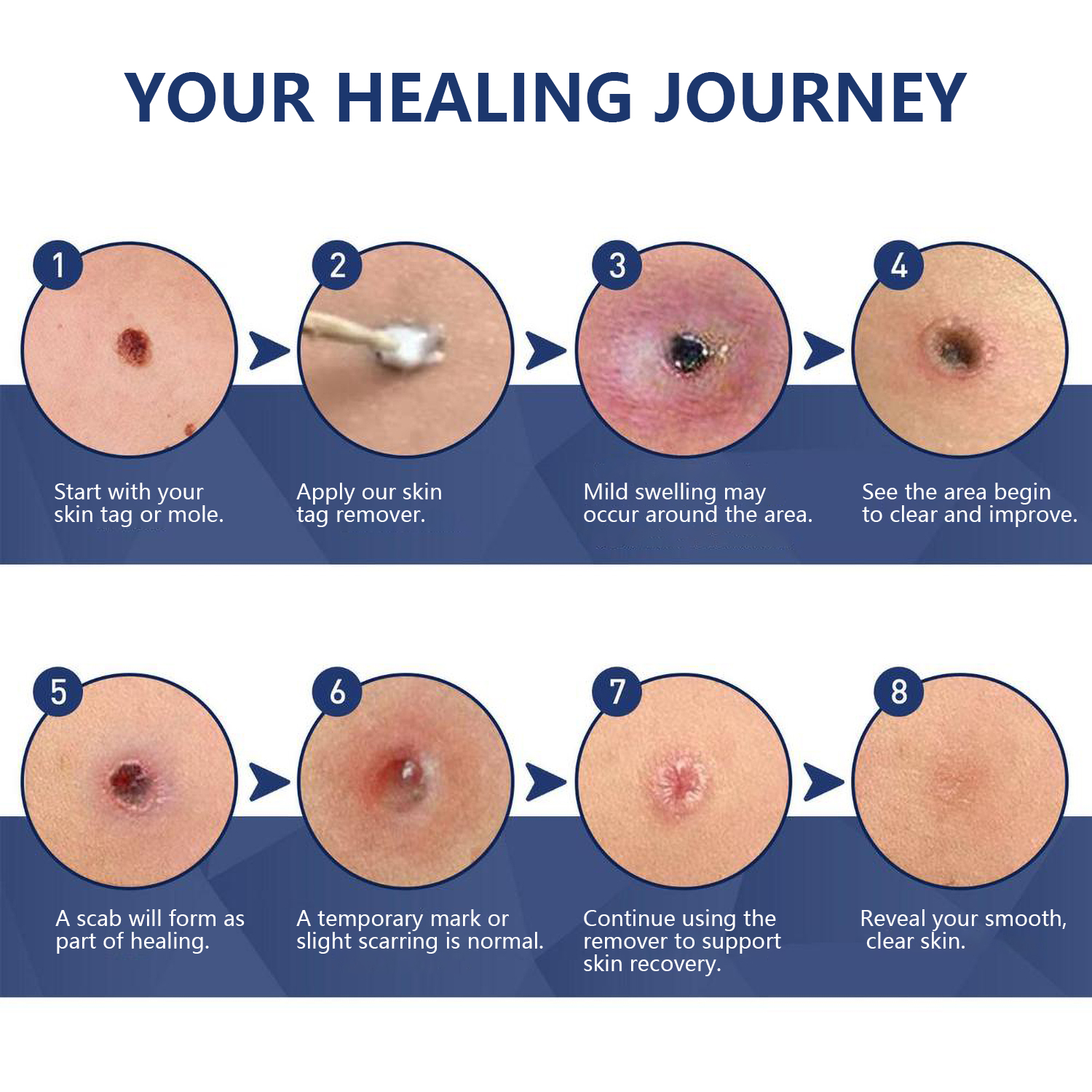
- Promotes Clean Healing: By removing the tissue layer by layer, it leaves a small carbon crust (scab) that protects the area as it heals underneath. When this crust falls off, the skin below is typically smooth and regenerated.
Using a plasma pen correctly is key. It involves cleaning the area, using the device on a low setting, and following a strict aftercare routine. When these steps are followed, it stands as one of the most effective at-home methods for removing skin tags without leaving a scar.
What Are the Risks of Unproven DIY Remedies?
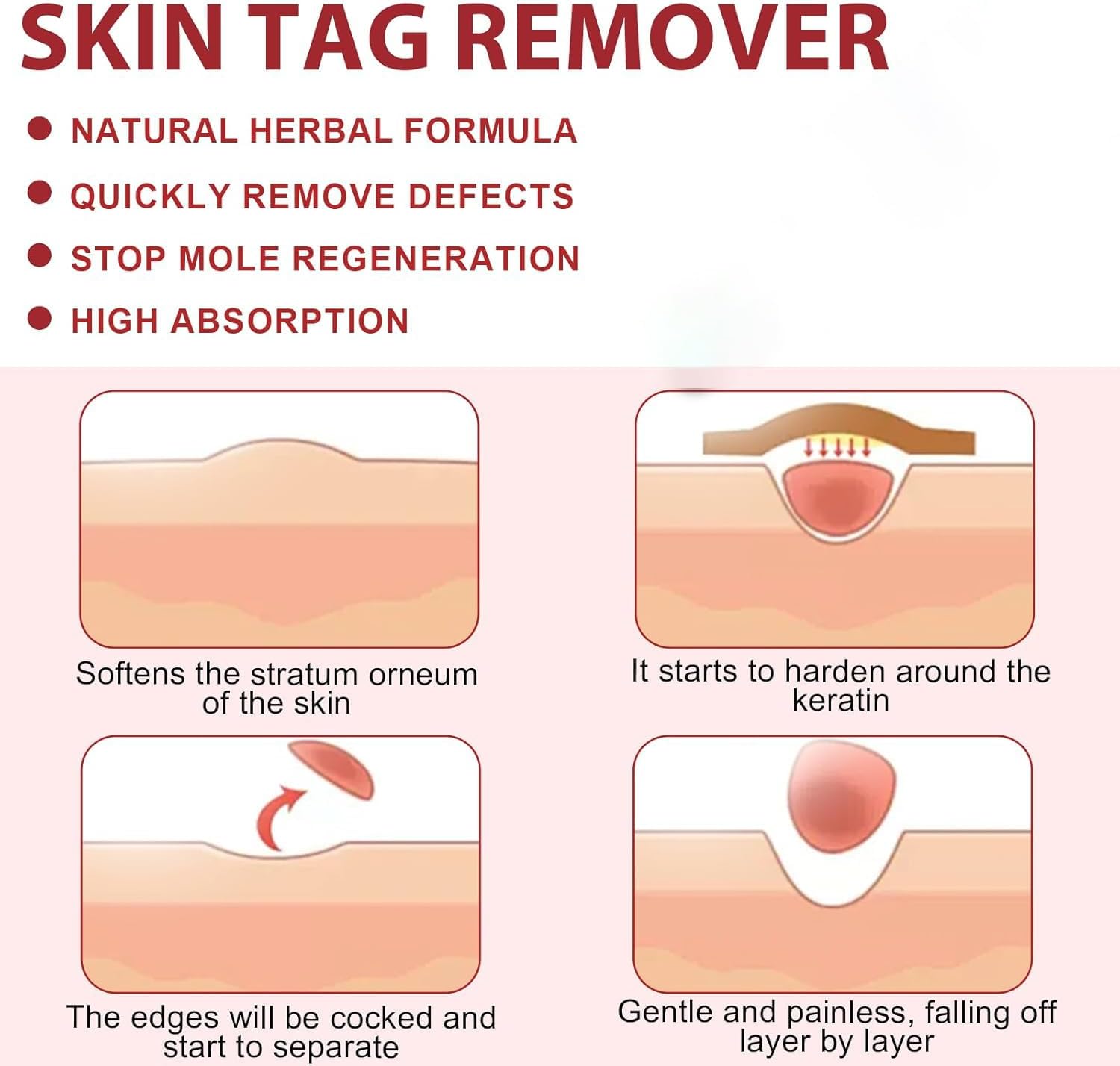
Many widely circulated at-home remedies are not supported by scientific evidence and can be dangerous. Methods involving substances like apple cider vinegar or tea tree oil rely on a chemical burn to destroy the skin tag. The problem is that these acids and oils are non-selective; they damage the healthy skin around the tag just as much as the tag itself. This widespread irritation can lead to inflammation, chemical burns, and hyperpigmentation or a permanent scar.
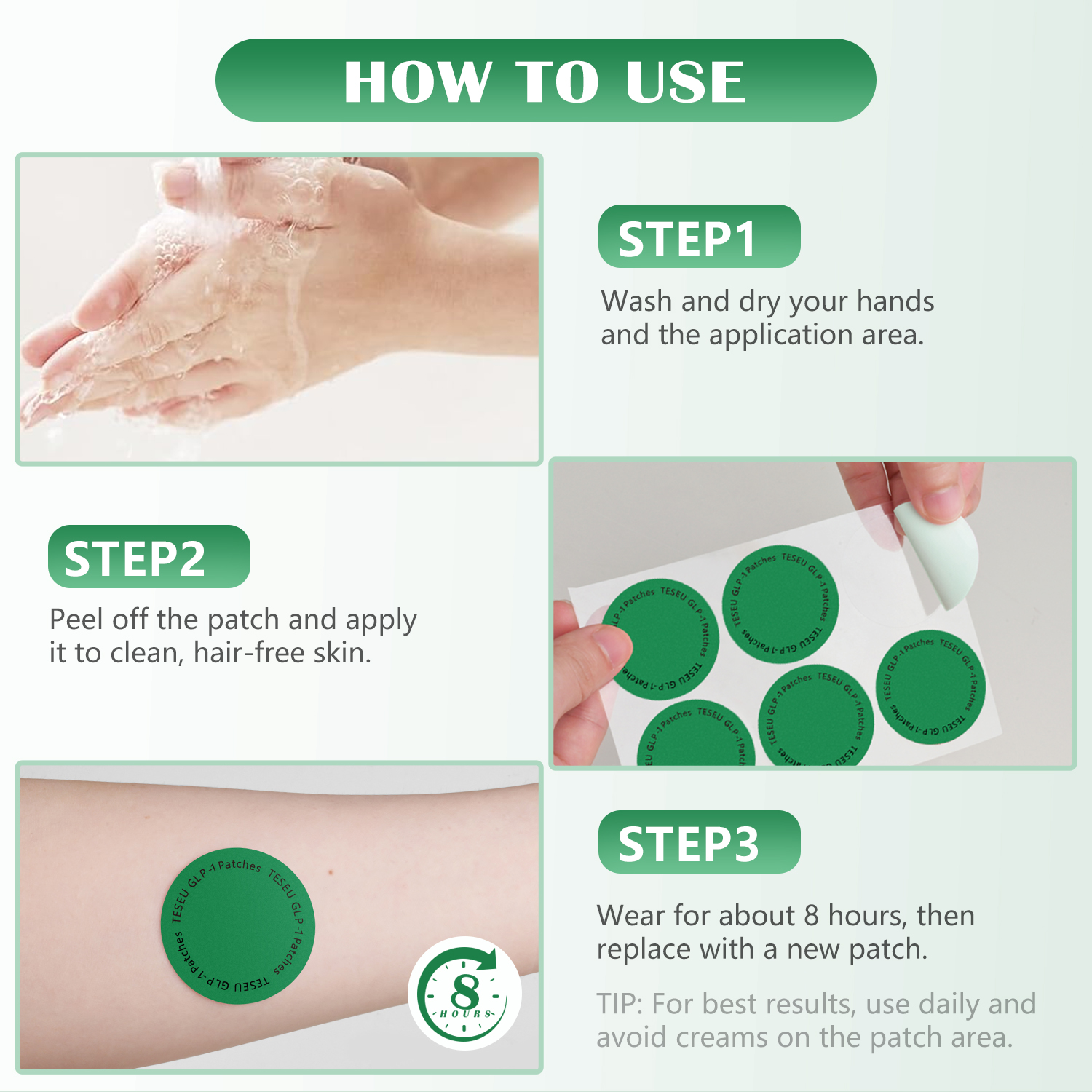
Skin tag removal patches or creams often work on the same principle, using acids (like salicylic acid) to erode the skin. These can be unpredictable and may require prolonged application, increasing the risk of skin irritation and poor healing. Before trying any of these methods, it is important to weigh the high probability of a poor cosmetic outcome against the low cost.
Why Is ‘Tying Off’ a Skin Tag a Bad Idea?
Ligation, or “tying off” a skin tag with dental floss or thread, is a common but ill-advised technique. The goal is to cut off the blood supply, causing the tag to wither and fall off. While it can sometimes work, the risks are substantial. Tying the thread too loosely will be ineffective, while tying it too tightly can break the skin, creating an open wound vulnerable to infection. Furthermore, this method often leaves behind a small stump or a discolored, indented scar because the tissue death is uncontrolled. For a clean, flush removal, this method is simply too imprecise and risky.
What Is the Best Method for Removing Skin Tags Without Scars?
Determining the “best” method depends on your priorities, including budget, comfort level, and the skin tag’s size and location. A comparison can help clarify the right choice for you.
| Method |
Effectiveness |
Scar Risk |
Cost |
Best For |
| Professional Procedures (Cryo, Electrocautery) |
Very High |
Very Low |
High |
Guaranteed safety and cosmetic results, especially for sensitive areas or large tags. |
| Plasma Pen (e.g., TESEU) |
High |
Low |
Moderate (one-time purchase) |
Those comfortable with technology seeking a cost-effective, precise at-home solution for multiple small tags. |
| Risky DIY Methods (Tying off, Acids) |
Low to Moderate |
High |
Very Low |
Not recommended due to high risk of scarring, infection, and incomplete removal. |
For ultimate peace of mind and the lowest possible scar risk, professional removal is unmatched. However, for those looking for a safe and effective at-home treatment, the precision of a plasma pen offers a compelling modern alternative to risky traditional remedies.
What Is the Ultimate Aftercare Plan for Scar Prevention?
Regardless of the removal method used, your actions during the healing phase are just as important as the procedure itself. Proper aftercare is the final, crucial step to ensuring you are left with smooth, scar-free skin.
- Keep It Clean and Dry: For the first 24-48 hours, keep the treated area clean and dry. Gently wash it with a mild, fragrance-free soap and water, then pat it dry with a clean towel. Do not rub.
- Let the Scab Form and Fall Off Naturally: A small scab or carbon crust will form over the area. This is a natural bandage. Do not pick, scratch, or scrub it. Picking the scab off prematurely will pull up new skin cells, guaranteeing a scar. It will fall off on its own in 7-14 days.
- Apply a Healing Ointment: Once the scab has fallen off, the new skin underneath will be pink and delicate. Keep this new skin moisturized with a simple, gentle ointment like petroleum jelly. This keeps the tissue hydrated and flexible, which is essential for scar-free healing.
- Protect It from the Sun: The new, immature skin is extremely susceptible to sun damage, which can cause permanent hyperpigmentation (a dark spot). For at least three months after removal, apply a broad-spectrum sunscreen of SPF 30 or higher to the area daily.
When Should You See a Doctor About Your Skin Tag?
While most skin tags are harmless, there are situations where a professional medical evaluation is essential. Do not attempt to remove a growth at home and see a doctor immediately if it:
- Is very large, has a wide base, or is located in a sensitive area like near the eye or genitals.
- Changes in color, size, or shape.
- Is multi-colored (e.g., pink, brown, black, red).
- Bleeds, itches, or causes pain.
- Has an irregular border or looks different from your other skin tags.
These can be signs of other, more serious skin conditions, including skin cancer. A dermatologist can perform a biopsy to rule out any underlying issues, ensuring your health and safety.
Frequently Asked Questions About Scar-Free Skin Tag Removal
Is removing a skin tag painful?
Professional procedures use a local anesthetic, so you won’t feel anything. With a plasma pen, users typically report a very slight zapping sensation, but it’s generally considered very tolerable. Tying off and acid methods can cause significant stinging and discomfort.
How long does the skin take to heal completely?
The initial healing phase, where the scab falls off, takes about one to two weeks. The new skin underneath may remain pink or slightly discolored for a few weeks to a few months as it fully matures. Complete healing with no visible trace can take up to three months.
Can a skin tag grow back after removal?
If the skin tag is completely removed from its base or stalk, it will not grow back. Incomplete removal, which is common with DIY methods, can result in regrowth. New skin tags may still form in the same area, but this is a new growth, not a recurrence of the old one.