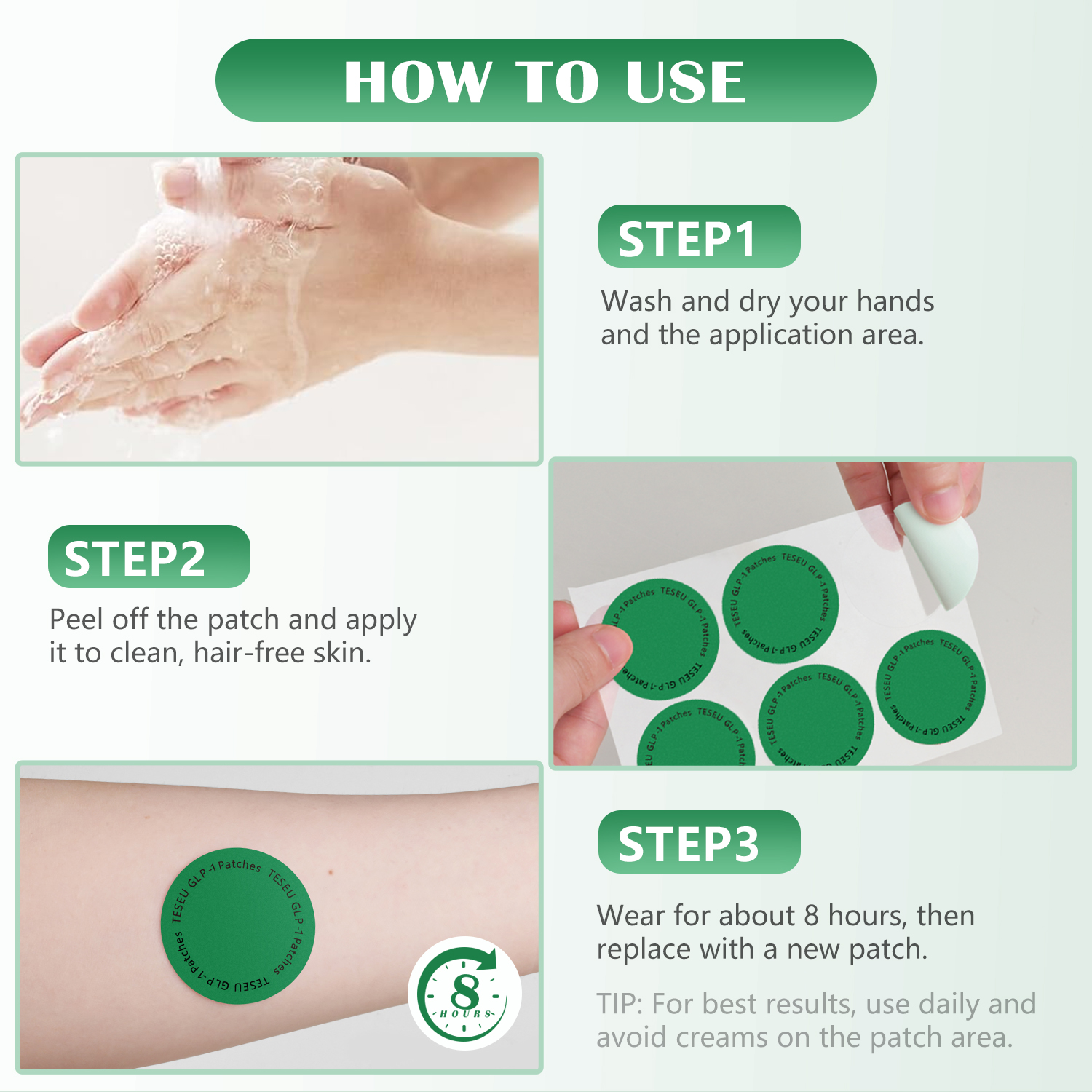
Seamlessly incorporating transdermal patches into your morning routine is a simple, effective way to support your daily wellness goals without disrupting your schedule. Just identify a clean, dry, and hairless area of skin, such as your inner wrist, shoulder, or upper back. After your morning shower and once your skin is completely dry, peel the patch from its backing and press it firmly onto the chosen spot for about 10-15 seconds to ensure it adheres properly. You can then continue with your day, knowing you have a steady, discreet release of ingredients.
Table of Contents
- What Exactly Are Transdermal Patches?
- How Do Transdermal Patches Deliver Ingredients?
- What Makes Patches Different from Pills or Creams?
- What Are the Benefits of Applying Patches in the Morning?
- How Does Morning Application Align with Circadian Rhythms?
- Sustained Release for All-Day Support
- How to Seamlessly Add Patches to Your Morning Routine
- Step 1: Choose the Right Patch for Your Goals
- Step 2: Find the Optimal Application Site
- Step 3: Prepare Your Skin Correctly
- Step 4: Apply the Patch for Secure Adhesion
- How Can You Optimize Your Patch’s Effectiveness?
- Why Is Skin Hydration Important?
- The Best Time to Apply: Before or After Moisturizer?
- Frequently Asked Questions About Morning Patch Use
- Can I Shower or Exercise with a Patch On?
- What If the Patch Irritates My Skin?
What Exactly Are Transdermal Patches?
Transdermal patches are innovative adhesive patches designed to deliver active ingredients directly through the skin and into the bloodstream. Think of them as a sophisticated, multi-layered bandage that, instead of just covering a wound, releases a controlled dose of vitamins, nutrients, or other compounds over an extended period. This method of delivery, known as transdermal drug delivery system (TDDS), is a cornerstone of modern wellness and medicine. Companies at the forefront of this technology, like TESEUM, are developing advanced systems such as microneedle and hydrogel patches that enhance absorption and user comfort, making this technology more effective and accessible than ever.
This technology bypasses the digestive system, which is a significant advantage. When you swallow a pill or supplement, it must survive the harsh, acidic environment of the stomach and then be metabolized by the liver—a process called the “first-pass effect.” This can significantly reduce the amount of the active ingredient that actually reaches your system. Patches avoid this entirely, ensuring a higher bioavailability and more consistent delivery of the intended dose.
How Do Transdermal Patches Deliver Ingredients?
A transdermal patch works through a simple yet ingenious process of diffusion. Each patch contains several layers: a protective backing, a reservoir holding the active ingredients, a rate-controlling membrane, and a skin-friendly adhesive. Once you apply the patch, the warmth of your body activates the formula. The ingredients then slowly permeate the outermost layer of the skin (the stratum corneum) and are absorbed by the dense network of capillaries in the deeper skin layers, entering directly into your bloodstream. The rate-controlling membrane is crucial, as it ensures a steady, slow release rather than a single, overwhelming surge.
What Makes Patches Different from Pills or Creams?
The primary distinction lies in the delivery mechanism and its subsequent effects. Compared to oral supplements (pills and capsules), transdermal patches offer a more consistent and prolonged release, preventing the peaks and troughs often associated with ingested substances. This makes them ideal for ingredients that need to be maintained at a steady level in the body for maximum benefit. They are also an excellent alternative for individuals who have difficulty swallowing pills or experience gastrointestinal discomfort from oral supplements.
When compared to topical creams, patches offer a more targeted and controlled dosage. Creams can be messy, may rub off on clothing, and it can be difficult to gauge how much has been absorbed. A patch, however, contains a pre-measured amount of ingredients and is designed to adhere securely for its entire duration of use, providing a “set it and forget it” convenience that creams cannot match.
What Are the Benefits of Applying Patches in the Morning?
Starting your day by applying a wellness patch is a powerful way to set the tone for the hours ahead. The morning is a time of renewal and preparation, making it the perfect moment to incorporate a supportive health habit. By making it part of your established routine—like brushing your teeth or having coffee—you create a consistent wellness practice that works for you all day long, without requiring further thought or effort.
This approach aligns perfectly with a proactive mindset toward health. Rather than waiting for energy to dip or focus to wane, you are providing your body with a steady supply of supportive ingredients from the very start. It is a simple act of self-care that integrates seamlessly into even the busiest of mornings, ensuring your wellness goals are prioritized from the moment you wake up.
How Does Morning Application Align with Circadian Rhythms?
Your body’s internal clock, or circadian rhythm, governs numerous physiological processes, including metabolism, hormone release, and energy levels. These rhythms generally peak during the day, meaning your body is most active and metabolically receptive in the hours after you wake. Applying a patch in the morning capitalizes on this natural state of activity. For example, an energy or focus-enhancing patch can supplement your body’s natural drive for alertness, while a vitamin patch can replenish nutrients as your metabolism kicks into high gear. This synergy between the patch’s delivery and your body’s natural rhythms can lead to a more pronounced and effective experience.
Sustained Release for All-Day Support
One of the most significant advantages of transdermal patch technology is its ability to provide sustained, consistent support. A morning application ensures you benefit from a slow and steady release of ingredients throughout your entire workday and into your evening. This eliminates the “rollercoaster effect” common with other supplement forms, where a sudden spike is followed by a sharp drop-off. Whether you need sustained energy for a demanding job, continuous focus for complex tasks, or all-day immune support, a morning patch application delivers a reliable baseline of wellness that lasts.
How to Seamlessly Add Patches to Your Morning Routine
Integrating a patch into your morning is incredibly simple and takes less than a minute. The key is to find a moment within your existing routine to apply it, such as right after you shower or while getting dressed. Consistency is built by attaching a new habit to an old one. By following these straightforward steps, you can ensure your patch is applied correctly for optimal adhesion and effectiveness, making it a natural and effortless part of your daily life.
Step 1: Choose the Right Patch for Your Goals
The first step is to identify what you want to achieve. Are you looking for a natural energy boost to combat the mid-afternoon slump? Do you need help maintaining focus during long meetings? Or perhaps you want to support your immune system or promote a sense of calm? Wellness patches are formulated with a wide variety of ingredients to target specific needs. Choose a patch that aligns with your primary wellness goal for the day.
Step 2: Find the Optimal Application Site
For the ingredients to be absorbed effectively, the patch should be applied to an area of skin that is relatively thin, hairless, and has good blood flow. This ensures the ingredients can easily pass through the skin barrier and enter the capillaries. Rotating the application site each day is also recommended to prevent any potential skin fatigue or minor irritation from the adhesive.
| Excellent Application Sites |
Why It Works |
| Inner Wrist |
Thin skin and close proximity to major blood vessels. Discreet and easy to reach. |
| Shoulder/Upper Arm |
A smooth, stable surface that moves little. Stays securely under clothing. |
| Upper Back/Shoulder Blade |
Large, flat area where patches are unlikely to be rubbed off or peel. |
| Inner Thigh or Bicep |
Relatively hairless and well-vascularized areas protected by clothing. |
Step 3: Prepare Your Skin Correctly
Proper skin preparation is crucial for patch adhesion and performance. The application area must be clean and completely dry. The best time to apply is often after a shower, but be sure to towel off the area thoroughly, as any residual moisture can interfere with the adhesive. Avoid applying to skin that has lotions, oils, or powders on it, as these can create a barrier that prevents both proper adhesion and ingredient absorption. Simply wash the area with mild soap and water and pat dry before application.
Step 4: Apply the Patch for Secure Adhesion
To apply, carefully peel the patch from its protective liner, taking care not to touch the adhesive side. Place the patch on your prepared skin and press down firmly with the palm of your hand for at least 10-15 seconds. The warmth and pressure help activate the adhesive and ensure a secure bond with your skin. Smooth out any wrinkles from the center outwards to guarantee full contact. Once applied, you can go about your day as usual.
How Can You Optimize Your Patch’s Effectiveness?
Getting the most out of your transdermal patch involves more than just proper application; it’s about creating the ideal environment for it to work. Simple habits related to skin care and timing can make a noticeable difference in how well the ingredients are absorbed and how effectively the patch performs throughout the day. Paying attention to these small details ensures you receive the full benefit of the advanced technology you are using.
Why Is Skin Hydration Important?
Well-hydrated skin is healthier and more permeable, which can aid in the absorption of the patch’s ingredients. Dehydrated skin can be flaky and compromised, creating an uneven surface and a less effective barrier for transdermal delivery. Drinking an adequate amount of water throughout the day not only supports overall health but also ensures your skin is in optimal condition to work with your wellness patch. Hydrated skin is plumper and allows for better contact and diffusion from the patch reservoir into your body.
The Best Time to Apply: Before or After Moisturizer?
This is a critical point for anyone who uses body lotion as part of their morning routine. You should always apply your patch before any lotions, creams, or oils. These products are specifically designed to create a moisturizing barrier on the skin. If you apply a patch over a moisturized area, this barrier will significantly block the absorption of the active ingredients and will also prevent the patch from adhering properly. The best practice is to apply your patch to clean, dry skin first. You can then apply moisturizer to other areas of your body, carefully avoiding the patch and the immediate surrounding area.
Frequently Asked Questions About Morning Patch Use
Even with a simple and straightforward product, questions can arise. Understanding how a transdermal patch interacts with your daily activities, like showering or working out, and knowing what to do if you experience a minor issue can help you use them with confidence and consistency. Here are answers to some of the most common inquiries about integrating patches into a daily wellness routine.
Can I Shower or Exercise with a Patch On?
Most modern wellness patches are designed to be water-resistant, not waterproof. This means they can typically withstand the sweat from a workout and a quick shower. However, prolonged exposure to water, such as swimming or soaking in a bath, can weaken the adhesive and may cause the patch to peel off. For best results, it’s ideal to apply your patch after your morning shower. If you exercise, the patch should remain secure, but check its adhesion afterward to ensure it’s still making full contact with the skin.
What If the Patch Irritates My Skin?
Mild redness upon removal of a patch is common and usually fades quickly. This is often just a temporary reaction to the adhesive. However, if you experience persistent itching, significant redness, or a rash, you may have a sensitivity to the adhesive or one of the ingredients. In this case, remove the patch immediately and wash the area with soap and water. To prevent this, always rotate application sites daily to give your skin a break. Choosing patches with hypoallergenic adhesives, a focus for leading manufacturers like TESEUM, can also significantly reduce the likelihood of irritation.