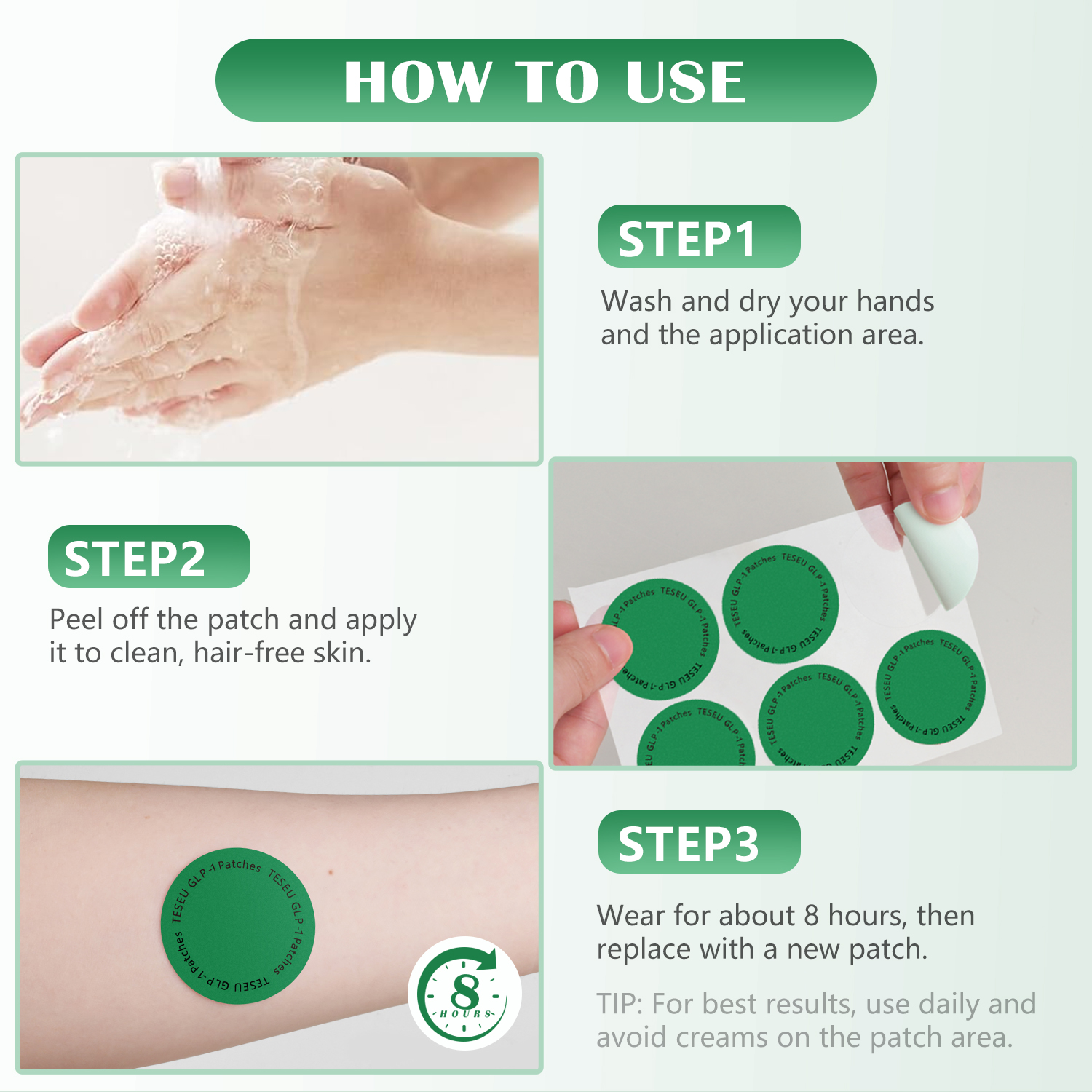
People prefer the convenience of once-a-day transdermal patches for their simplified medication schedule, consistent drug delivery, and ability to bypass the digestive system. This user-friendly method enhances adherence by eliminating the need for multiple daily doses, reduces gastrointestinal side effects, and provides a steady therapeutic effect over 24 hours. The discreet and non-invasive nature of patches further contributes to their appeal, offering a practical solution for managing chronic conditions and improving overall quality of life.
What Exactly Are Transdermal Patches and How Do They Function?
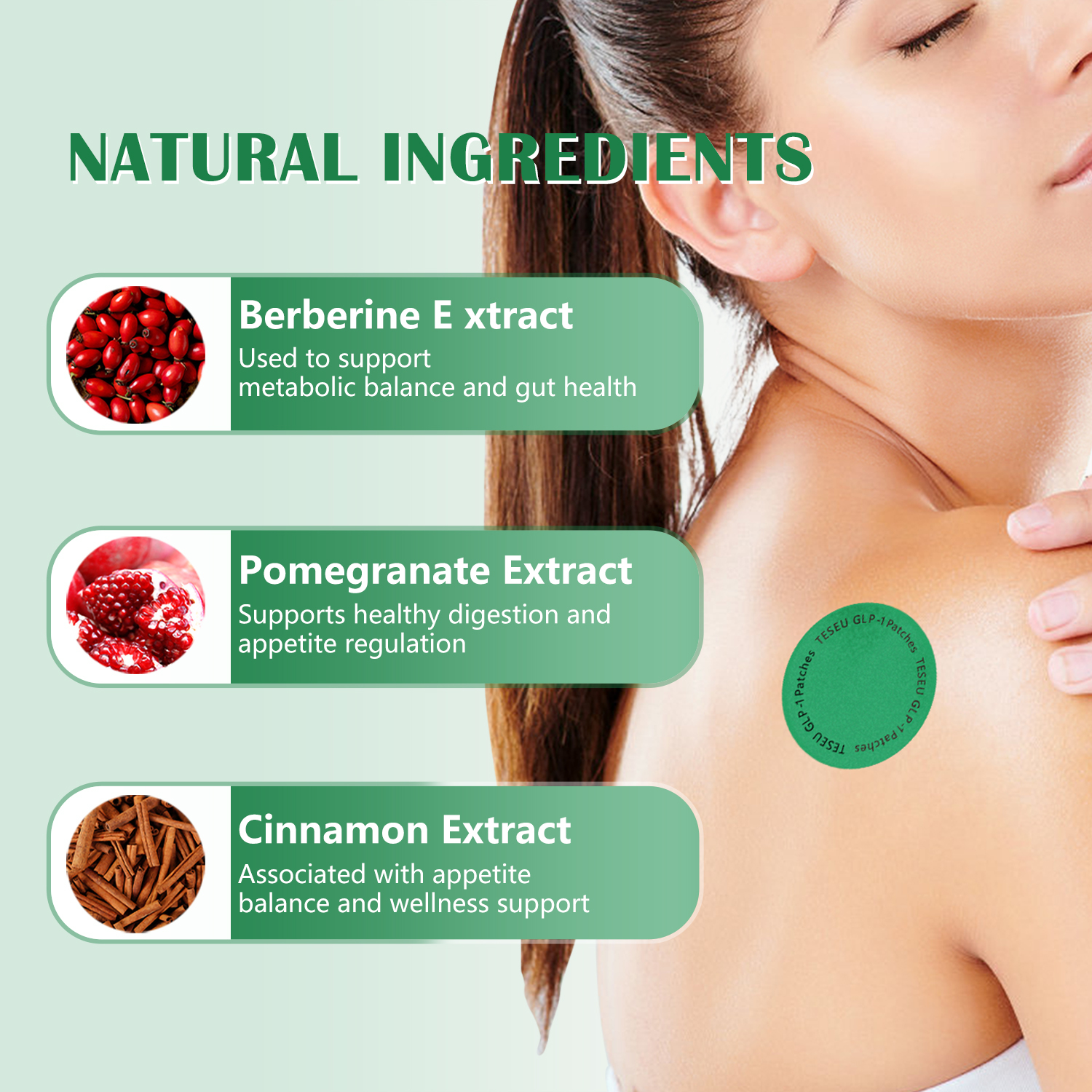
A transdermal patch is a medicated adhesive patch that is placed on the skin to deliver a specific dose of medication through the skin and into the bloodstream. Unlike oral medications that must be swallowed, digested, and absorbed, these systems offer a direct-to-bloodstream route. This innovative approach relies on the skin’s permeability to absorb active ingredients steadily over a prolonged period, typically 24 hours or longer. The technology behind these patches is sophisticated, designed to ensure the medication is released at a controlled, predictable rate for a consistent therapeutic effect.
The structure of a typical transdermal patch is multi-layered. It includes a protective backing layer that prevents the medication from leaking out and shields it from the external environment. Below this is the drug reservoir, which holds the medication in a solution or suspended in a polymer matrix. A rate-controlling membrane may be present to govern the speed at which the drug is released. Finally, a skin-friendly adhesive layer ensures the patch stays firmly in place while allowing the active ingredient to migrate from the patch into the outermost layer of the skin and then into the deeper tissues and capillaries. This intricate design makes it a reliable method for administering various types of medicine, from hormone therapy to pain management.
Why is a Consistent Drug Delivery System So Important?
A primary reason for the growing preference for transdermal patches is their ability to maintain a stable concentration of medication in the bloodstream. With oral medications, drug levels can fluctuate significantly. Immediately after taking a pill, the concentration of the drug in the blood can spike, potentially leading to increased side effects. As the body metabolizes the drug, its level drops, sometimes falling below the therapeutic threshold before the next dose is due. This cycle of peaks and troughs can lead to inconsistent symptom control and a less-than-optimal treatment experience.
Once-a-day transdermal patches overcome this challenge by releasing their active ingredients slowly and continuously. This ensures that the drug concentration remains within the desired therapeutic window for the entire duration the patch is worn. For patients managing chronic conditions such as persistent pain, hormonal imbalances, or neurological disorders, this stability is crucial. It translates into more reliable symptom management, fewer breakthrough symptoms, and an overall improvement in the effectiveness of the treatment. The body is not subjected to the shock of high initial doses or the inefficacy of low residual doses, leading to a smoother and more predictable therapeutic journey.
The Benefit of Avoiding “Peaks and Troughs”
The “peak and trough” effect associated with intermittent dosing, like taking a pill two or three times a day, is a significant issue in pharmacology. The “peak” occurs when the drug concentration is at its highest, which may increase the risk of adverse reactions or toxicity. The “trough” is the lowest concentration, where the drug may be ineffective. Transdermal technology smooths out this pharmacological rollercoaster. By delivering medication at a zero-order rate (a constant rate over time), patches help keep blood plasma levels remarkably steady. This translates directly to better, more even symptom control without the highs and lows, which is especially vital for medications with a narrow therapeutic index.
How Steady Dosing Improves Therapeutic Outcomes
Steady-state drug concentration is directly linked to improved therapeutic outcomes. When a medication is consistently present at an effective level, it can perform its function without interruption. For example, in pain management, continuous delivery of an analgesic prevents pain from returning between doses. In hormone replacement therapy, it mimics the body’s natural, steady secretion of hormones. This reliability not only enhances the physical benefits of the medication but also provides patients with greater peace of mind, knowing their condition is being managed effectively and continuously around the clock.
At Teseu, we specialize in developing and manufacturing high-quality transdermal drug delivery systems. Our expertise in formulation development, analytical services, and production ensures that each patch is designed for optimal performance, providing the consistent and reliable delivery that patients and healthcare providers depend on.
How Do Patches Significantly Enhance Medication Adherence?
Medication adherence, or the extent to which a person takes their medication as prescribed, is a cornerstone of successful treatment. Complex dosing schedules are a major barrier to adherence. Remembering to take multiple pills at specific times throughout the day can be challenging for anyone, but it is especially difficult for the elderly, individuals with cognitive impairments, or those with busy lifestyles. A missed dose can compromise the effectiveness of the treatment, while an accidental double dose can be dangerous. This is where the “apply-and-forget” nature of a once-a-day patch becomes a game-changer.
The simplicity of applying a single patch once every 24 hours dramatically reduces the cognitive load associated with medication management. There are no pills to count, no alarms to set multiple times a day, and no confusion about whether a dose was taken. This simplified routine fosters independence and empowers patients to manage their health with greater ease and confidence. For caregivers, patches also offer a more manageable and verifiable way to administer medication to those they care for. The visible presence of the patch serves as a constant confirmation that the treatment is being administered correctly, leading to higher adherence rates and better health outcomes.
Which Common Medication Side Effects Can Transdermal Patches Help Minimize?
Many individuals experience gastrointestinal (GI) discomfort when taking oral medications. Side effects such as nausea, vomiting, stomach ulcers, or general irritation are common because the medication must pass through the sensitive environment of the stomach and intestines. This can be a significant deterrent to continuing treatment. Transdermal patches offer a powerful alternative by completely bypassing the GI tract. Since the medication is absorbed directly through the skin into the bloodstream, it doesn’t interact with the digestive system, thereby eliminating a wide range of stomach-related side effects.
This is particularly beneficial for patients who require long-term medication or are taking drugs known to be harsh on the stomach, such as certain non-steroidal anti-inflammatory drugs (NSAIDs). People with pre-existing digestive conditions like Crohn’s disease, irritable bowel syndrome (IBS), or acid reflux find transdermal delivery to be a much more tolerable option. The ability to receive effective treatment without compromising digestive comfort is a profound advantage that makes patches a preferred choice for millions.
The Advantage of Bypassing the Digestive Tract
When a medication is delivered transdermally, its journey to the site of action is more direct. It avoids the acidic environment of the stomach and the enzymatic activity of the intestines, which can degrade some drugs and reduce their effectiveness. This direct-to-bloodstream route ensures that a higher percentage of the active ingredient reaches its target. The bypass is also advantageous for patients who have difficulty swallowing pills (dysphagia), a common issue among older adults and individuals with certain medical conditions. A patch eliminates this physical barrier to medication intake entirely.
What is First-Pass Metabolism and How Do Patches Avoid It?
When a drug is taken orally, it is absorbed from the GI tract and travels first to the liver via the portal vein. In the liver, a significant portion of the drug may be metabolized and inactivated before it ever reaches the systemic circulation. This phenomenon is known as the “first-pass effect” or “first-pass metabolism.” To compensate for this, oral doses often need to be much higher than the amount of drug that is ultimately needed by the body, which can place a strain on the liver.
Transdermal patches circumvent this process. Because the medication enters the bloodstream directly through the skin’s capillary network, it is distributed throughout the body before passing through the liver. This avoidance of first-pass metabolism means that lower and more precise doses can be used to achieve the same therapeutic effect, reducing the metabolic burden on the liver and minimizing the risk of drug-induced organ strain. This makes transdermal delivery a safer and more efficient system for many medications.
Are Patches a More Discreet and Convenient Option for Daily Life?
The convenience of transdermal patches extends far beyond their simplified dosing schedule. They offer a level of discretion that is unmatched by many other forms of medication. A small, thin patch can be applied to an area of the body that is easily concealed by clothing, such as the upper arm, back, or abdomen. This allows individuals to go about their daily activities—working, socializing, or exercising—without drawing attention to their medical treatment. For those managing sensitive or chronic conditions, this privacy can be incredibly valuable, helping them maintain a sense of normalcy.
Furthermore, patches are designed for modern life. They are typically water-resistant, allowing users to shower or swim without worrying about the patch coming off or its effectiveness being compromised. They also eliminate the need to carry pill bottles or plan daily activities around medication times. Whether traveling for business or pleasure, a person using a patch doesn’t have to pack bulky medication containers or worry about time zone changes affecting their dosing schedule. This freedom and flexibility are key reasons why people who try patches often prefer to stick with them.
Who Stands to Benefit Most from Transdermal Patch Technology?
While the benefits of transdermal patches are widespread, certain populations find them particularly transformative. Understanding who benefits can highlight the versatile applications of this technology.
| Patient Group |
Key Benefit of Transdermal Patches |
Common Applications |
| Elderly Patients |
Simplified dosing schedule; avoids difficulty swallowing pills. |
Pain management, hormone therapy, Alzheimer’s disease. |
| Pediatric Patients |
Non-invasive and avoids the struggle of administering oral medicine. |
ADHD (Methylphenidate), motion sickness (Scopolamine). |
| Patients with Chronic Pain |
Consistent, around-the-clock relief without peaks and troughs. |
Opioid analgesics (Fentanyl, Buprenorphine), Lidocaine. |
| Patients with GI Issues |
Bypasses the digestive system, preventing stomach upset. |
NSAIDs, hormone replacement therapy. |
| Individuals with Busy Lifestyles |
“Apply-and-forget” convenience for improved adherence. |
Contraception, smoking cessation, hormone therapy. |
| Patients with Dysphagia |
Eliminates the need to swallow pills. |
A wide range of medications for various chronic conditions. |
This wide range of beneficiaries underscores the versatility and user-centric design of transdermal systems. By addressing fundamental challenges in medication delivery, patches improve the quality of care for diverse patient needs.
Is the Future of Medication Delivery Transdermal?
The field of transdermal drug delivery is continuously evolving, with ongoing research promising even more advanced and user-friendly solutions. Innovations are focused on expanding the range of drugs that can be delivered through the skin. Historically, only small-molecule drugs with specific lipid solubility could effectively penetrate the skin’s barrier. However, new enhancement techniques, such as microneedle patches, are changing the game. Microneedle arrays create microscopic, painless channels in the skin, allowing larger molecules like peptides, proteins, and even vaccines to be delivered transdermally.
As a leader in the transdermal industry, Teseu is at the forefront of this innovation. Our commitment to research and development helps push the boundaries of what is possible, turning complex therapeutic challenges into simple, elegant solutions. We are dedicated to creating the next generation of patches that are smaller, more comfortable, and capable of delivering a wider array of treatments, including biologics and other cutting-edge therapies. The combination of patient convenience, enhanced safety, and expanding technological capabilities positions transdermal delivery as a pivotal element in the future of personalized medicine.