A strong, healthy skin barrier is your body’s primary defense against environmental threats, including the opportunistic fungi that cause ringworm. This protective layer, when intact, effectively blocks pathogens from penetrating the skin and establishing an infection. Therefore, strengthening your natural skin barrier is a fundamental and proactive strategy for preventing ringworm and maintaining overall skin health. A compromised barrier, on the other hand, creates vulnerabilities that these fungi can easily exploit.
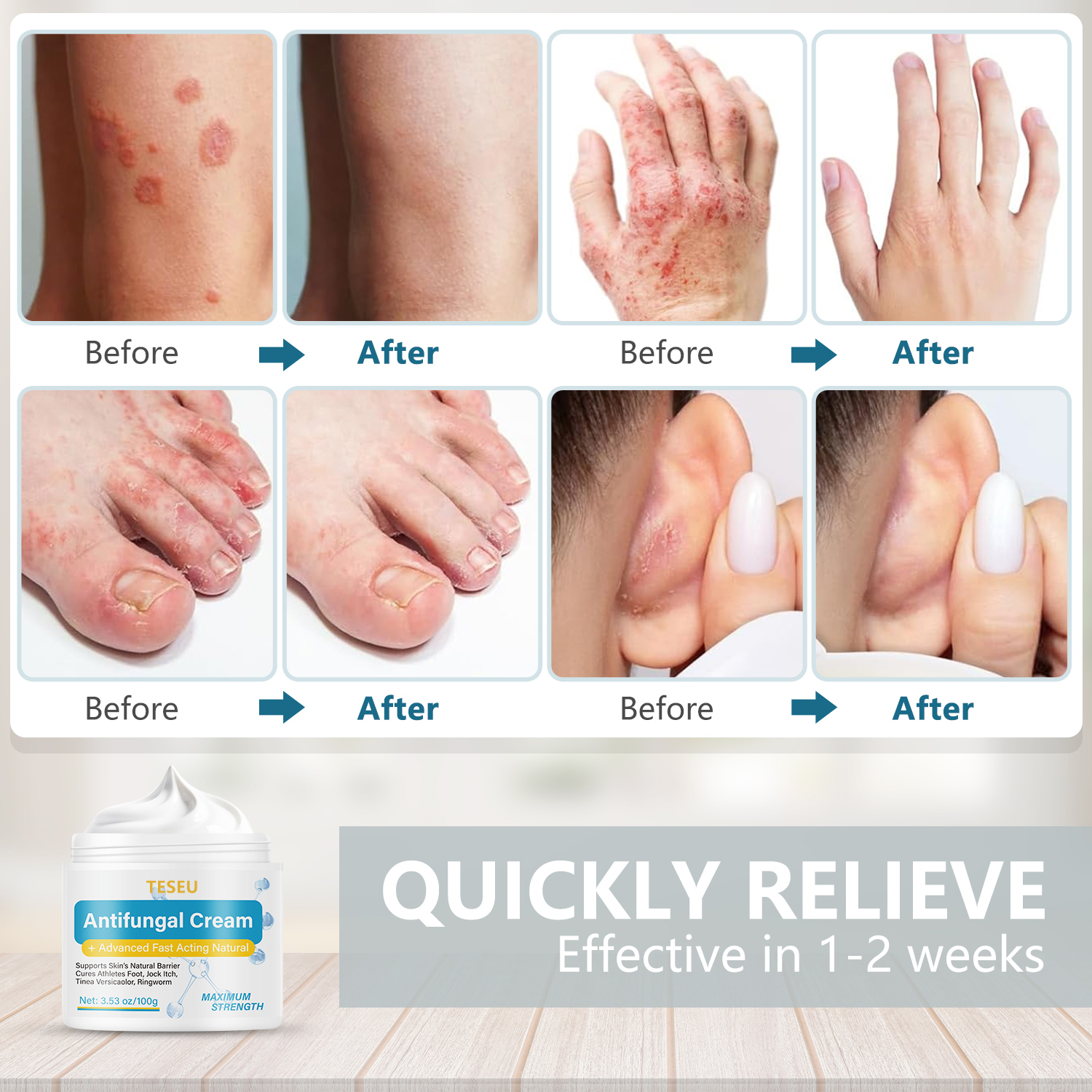
Table of Contents
What Exactly Is Ringworm?
Despite its misleading name, ringworm has nothing to do with a worm. It is a common and contagious fungal infection of the skin, hair, or nails. The medical term for this condition is *dermatophytosis*, and the fungi responsible are called *dermatophytes*. These microscopic organisms thrive on keratin, a protein that is abundant in the outer layers of your skin, hair, and nails.
The infection typically presents as a red, itchy, and scaly patch that may be ring-shaped, which is how it earned its common name. It can appear anywhere on the body and has different names depending on its location, such as tinea pedis (athlete’s foot) on the feet, tinea cruris (jock itch) in the groin area, and tinea corporis on the body. Understanding that ringworm is a fungal invader is the first step in realizing why a physical shield—your skin barrier—is so vital.
Decoding Your Skin’s First Line of Defense: The Natural Barrier
Think of your skin barrier, or *stratum corneum*, as a meticulously constructed brick wall. The “bricks” are tough, flattened skin cells called *corneocytes*, and the “mortar” holding them together is a complex matrix of natural lipids. This lipid matrix is primarily composed of ceramides, cholesterol, and free fatty acids. Together, these components form a semi-permeable, protective shield with several critical functions:
- Pathogen Protection: It physically blocks bacteria, viruses, and fungi—like the dermatophytes that cause ringworm—from entering the deeper layers of the skin.
- Moisture Retention: It prevents transepidermal water loss (TEWL), locking in moisture to keep the skin hydrated, supple, and resilient.
- Environmental Shield: It protects against environmental aggressors such as pollution, UV radiation, and allergens.
A healthy, functioning barrier is the gatekeeper of skin health. When this “brick and mortar” structure is intact and well-maintained, your skin is better equipped to defend itself against infections like ringworm. The entire process of strengthening your natural skin barrier is about ensuring this wall is solid and without cracks.
How Does a Compromised Skin Barrier Invite Ringworm?
A compromised skin barrier is like a wall with missing bricks and crumbling mortar. Microscopic cracks and fissures appear, creating easy entry points for opportunistic pathogens. When your barrier is weakened, several things happen that create a perfect storm for a ringworm infection:
- Direct Entry: Dermatophytes, which are always present in our environment, can now easily penetrate the skin’s surface through these breaches instead of being blocked.
- Increased Moisture Loss: A damaged barrier can’t hold onto water effectively. This leads to dry, flaky, or cracked skin, which further damages the barrier structure and provides more entry points for fungi.
- Inflammatory Response: A weakened barrier can trigger a low-grade inflammatory response, making the skin more susceptible to irritation and infection.
Essentially, a healthy barrier presents a smooth, acidic, and sealed surface that is inhospitable to dermatophytes. A damaged barrier, however, offers a rough, neutral pH, and breached surface where these fungi can easily latch on, feed on keratin, and multiply, leading to the characteristic rash of a ringworm infection.
What Are the Common Culprits That Weaken Your Skin Barrier?
Your skin’s protective barrier isn’t invincible. It can be weakened by a combination of environmental factors, lifestyle habits, and skincare choices. Identifying these culprits is essential for protecting and rebuilding your skin’s defenses.
- Harsh Cleansers: Soaps and cleansers with high pH levels (alkaline) or harsh sulfates can strip away the essential lipids (the “mortar”) from your skin, leaving it dry and vulnerable.
- Over-Exfoliation: While exfoliation can be beneficial, excessive scrubbing with physical scrubs or overuse of chemical exfoliants (like AHAs and BHAs) can remove the protective layers of the stratum corneum faster than the body can replenish them.
- Environmental Stressors: Exposure to extreme weather conditions, such as low humidity, cold winds, and excessive sun, can dehydrate the skin and damage its structure.
- Hot Water: Long, hot showers or baths can emulsify and wash away the natural oils and lipids that are crucial for barrier function.
- Certain Medications: Some topical or oral medications can have a side effect of drying out the skin and weakening its barrier.
- Age: As we age, the natural production of ceramides and other essential lipids in our skin decreases, inherently making the barrier more fragile.
The Critical Role of pH Balance in Fending Off Fungi
The surface of your skin is naturally acidic, with a pH typically between 4.5 and 5.5. This natural acidity is referred to as the “acid mantle,” and it plays a significant role in skin health and defense. This acidic environment helps control the skin’s natural microbiome, encouraging beneficial bacteria to thrive while inhibiting the growth of harmful pathogens, including fungi.
Dermatophytes, the fungi causing ringworm, prefer a more neutral or slightly alkaline environment to grow and multiply. When you use harsh, alkaline soaps (which can have a pH of 9 or higher), you disrupt the skin’s acid mantle. This temporary shift in pH creates a more welcoming environment for fungal growth. Consistently disrupting your skin’s pH can chronically weaken this chemical defense, making you more susceptible to infections. Maintaining your skin’s natural acidity is a key component of an anti-fungal defense strategy.
Why Is Proper Hydration a Cornerstone of a Resilient Barrier?
Hydration is not just about aesthetics; it is fundamental to the structural integrity of your skin barrier. Well-hydrated skin is pliable, resilient, and better able to perform its protective duties. When the skin lacks water, it becomes dry, tight, and brittle. This brittleness can lead to the formation of microscopic cracks, which, as discussed, are open invitations for dermatophytes.
Furthermore, the enzymes responsible for producing and maintaining the lipid “mortar” of your skin barrier function optimally in a hydrated environment. Dehydration slows down these crucial cellular processes, impairing the skin’s ability to repair itself and maintain a strong defensive structure. Therefore, ensuring adequate hydration both internally (by drinking water) and externally (by using appropriate skincare) is non-negotiable for a robust and infection-resistant barrier.
Building a Barrier-Fortifying Skincare Regimen
A consistent and gentle skincare routine is your best tool for actively strengthening your natural skin barrier. The goal is not to use a multitude of products, but to use the *right* products that respect and support your skin’s natural functions. The philosophy should be centered on cleansing gently and replenishing what is lost.
The Foundation: Gentle Cleansing
The first step in any barrier-supportive routine is to cleanse without stripping. Harsh cleansers are one of the biggest enemies of a healthy skin barrier. Instead of reaching for foaming agents that leave your skin feeling “squeaky clean” (which is actually a sign of stripped oils), opt for a cleanser that is:
- pH-balanced: Look for cleansers formulated to match the skin’s natural acidic pH (around 5.5).
- Sulfate-free: Avoid sulfates like Sodium Lauryl Sulfate (SLS), which are known to be harsh and drying.
- Hydrating: Choose creamy or milky cleansers with hydrating ingredients that clean the skin while leaving its lipid matrix intact.
Cleansing this way removes dirt and impurities without compromising your primary defense layer, setting the stage for the rest of your routine.
The Reinforcement: Strategic Moisturizing
After cleansing, the most critical step is to moisturize. A well-formulated moisturizer does more than just add temporary hydration; it actively replenishes and reinforces the skin’s barrier. Apply moisturizer to slightly damp skin to lock in water and maximize absorption.
Your ideal moisturizer should be *biomimetic*, meaning it contains ingredients that mimic the natural composition of your skin’s barrier. This includes a balanced ratio of ceramides, cholesterol, and fatty acids. This approach doesn’t just coat the skin; it provides the building blocks your skin needs to repair and fortify its own “brick and mortar” structure from within. This is the essence of building true skin resilience against invaders like fungi.
Which Skincare Ingredients Fortify Your Skin’s Defenses?
When selecting products, read the ingredient list. Certain ingredients are scientifically proven to support and rebuild the skin barrier. Incorporating them into your routine can significantly enhance your skin’s defensive capabilities.
| Ingredient Category |
Examples |
Function in Barrier Support |
| Barrier Lipids |
Ceramides, Cholesterol, Fatty Acids |
These are the “mortar” of your skin barrier. Topically applying them directly replenishes the lipid matrix, repairs cracks, and reduces water loss. |
| Humectants |
Hyaluronic Acid, Glycerin, Panthenol (Pro-Vitamin B5) |
They act like magnets, drawing water from the dermis and the environment into the stratum corneum, ensuring the “bricks” (skin cells) stay hydrated. |
| Occlusives |
Shea Butter, Squalane, Petrolatum |
These ingredients form a breathable seal on the skin’s surface, physically blocking water from evaporating and protecting against external irritants. |
| Soothing Agents |
Niacinamide, Allantoin, Centella Asiatica |
They calm inflammation and redness associated with a compromised barrier, creating a better environment for the skin to repair itself. Niacinamide also boosts ceramide production. |
Lifestyle Adjustments for a Healthy Skin Barrier and Ringworm Prevention
Skincare is crucial, but your daily habits also play a massive part in your skin’s health. To prevent ringworm, it’s important to create an environment—both on your skin and around you—that is inhospitable to fungi.
- Keep Skin Dry: Fungi thrive in warm, moist environments. After bathing, exercising, or swimming, dry your skin thoroughly, paying special attention to skin folds, the groin area, and between the toes.
- Wear Breathable Fabrics: Choose loose-fitting clothing made from natural fibers like cotton or moisture-wicking synthetic fabrics. These allow air to circulate and prevent sweat from being trapped against your skin.
- Avoid Sharing Personal Items: Ringworm is contagious. Do not share towels, clothing, razors, or hairbrushes with others.
- Practice Good Foot Hygiene: If you are prone to athlete’s foot, wear shower shoes in communal areas like gyms and pools. Change your socks daily, or more often if your feet get sweaty.
- Manage Stress: Chronic stress can elevate cortisol levels, which can suppress the immune system and impair skin barrier function, making you more susceptible to infections.
When Should You Seek Professional Help?
While strengthening your skin barrier is a powerful preventative measure, it’s important to recognize when an infection has already taken hold. If you suspect you have ringworm—characterized by an itchy, red, and often ring-shaped rash—it is best to consult a doctor or dermatologist for a proper diagnosis.
Self-diagnosing can be risky, as other skin conditions can mimic ringworm. A healthcare professional can confirm the diagnosis and will typically recommend an over-the-counter or prescription antifungal cream. Continuing with your barrier-supportive skincare routine during and after treatment can help the skin heal more effectively and reduce the chances of recurrence.