Jock itch and chafing both cause red, itchy, and uncomfortable rashes in the groin area, but their underlying causes and effective treatments are distinctly different. Jock itch is a fungal infection (tinea cruris) that thrives in warm, moist environments and requires antifungal medication to resolve. In contrast, regular chafing is a non-infectious skin irritation caused by friction between skin surfaces or between skin and clothing, which typically improves with friction reduction and proper skin care. Distinguishing between them is crucial for finding quick and effective relief.
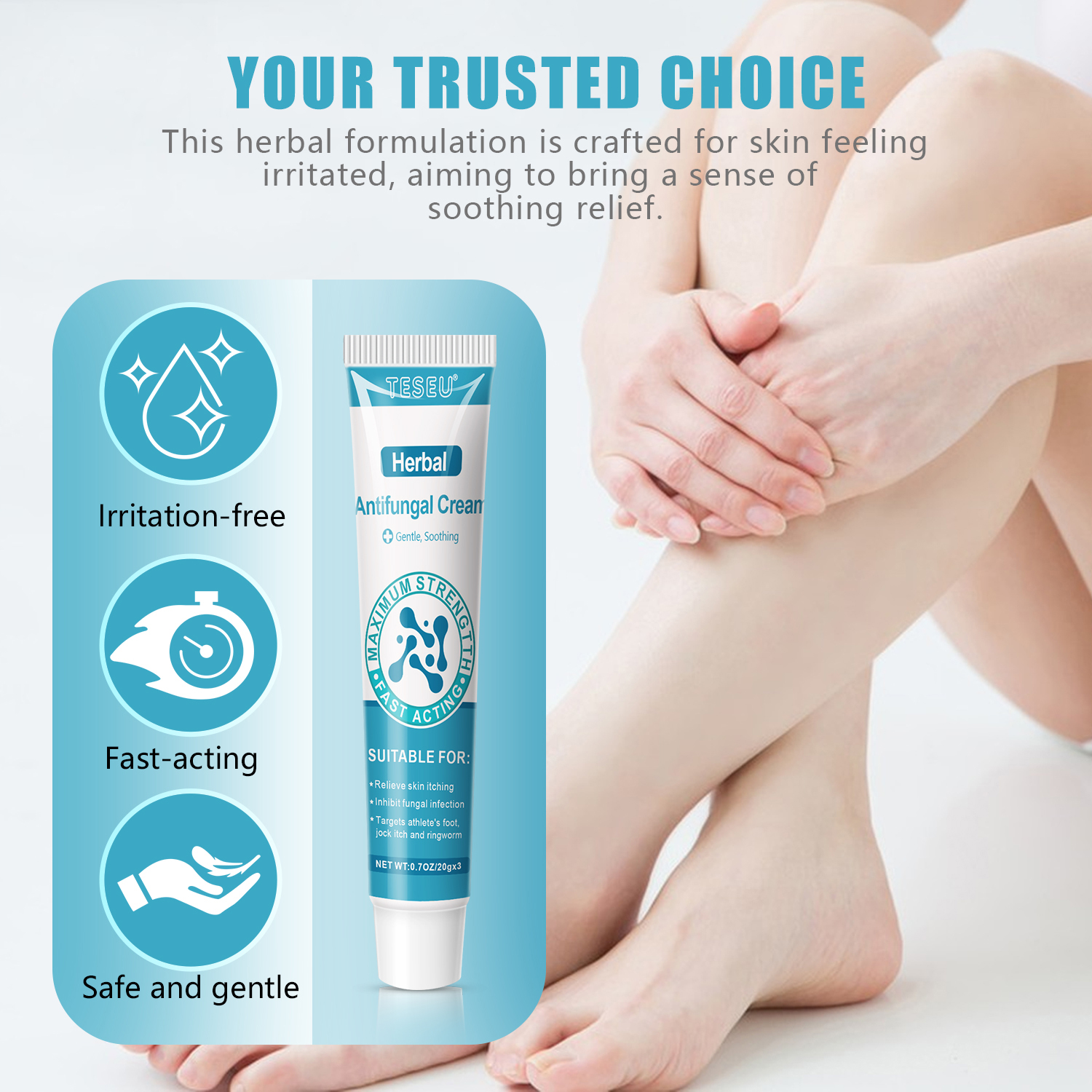
Table of Contents
What Exactly Is Jock Itch? A Closer Look at Tinea Cruris
Jock itch, known medically as tinea cruris, is a common and contagious fungal skin infection. It belongs to the same family of fungi, called dermatophytes, that causes athlete’s foot (tinea pedis) and ringworm (tinea corporis). These microscopic organisms are naturally present on your skin but can multiply rapidly under specific conditions, leading to an infection. The groin, inner thighs, and buttocks provide the ideal environment for these fungi to thrive: warm, dark, and often moist from sweat.
The infection typically starts in the crease of the groin and spreads outward. It is often transferred from the feet to the groin, either through direct contact or via a towel or clothing. Because it is contagious, jock itch can be spread to others through shared items or close personal contact. Understanding that this is a specific medical infection is the first step toward treating it correctly, as simple moisturizers or barrier creams used for chafing will not eliminate the fungus.
What Is Groin Chafing? Understanding Friction-Induced Irritation
Chafing is a mechanical skin injury, not an infection. It occurs when there is prolonged and repetitive friction, either from skin rubbing against skin or from fabric rubbing against skin. This constant friction wears away the top layer of the epidermis, leaving the skin raw, red, tender, and sometimes causing a stinging or burning sensation. Moisture, such as sweat, exacerbates the problem by making the skin softer and stickier, increasing the friction and making it more susceptible to damage. The salt in sweat can also further irritate the already compromised skin.
Groin chafing is particularly common due to the close proximity of the inner thighs, especially during activities like running, walking long distances, or cycling. Tight, non-breathable clothing can trap heat and moisture while also creating more friction points. Unlike jock itch, chafing is not contagious and is solely a result of physical irritation. The discomfort can range from mild redness to severe, broken skin that can be quite painful.
Jock Itch vs. Chafing: Pinpointing the Primary Causes
The Fungal Roots of Jock Itch
The direct cause of jock itch is the overgrowth of dermatophyte fungi. Several factors create the perfect breeding ground for this fungus:
- Excessive Moisture: Heavy sweating from exercise, humid weather, or wearing wet clothing for extended periods keeps the groin area damp.
- Poor Hygiene: Not drying the groin area thoroughly after showering or exercising can leave behind the moisture that fungi love.
- Tight Clothing: Restrictive fabrics trap heat and moisture, preventing air circulation and creating a warm, humid microclimate against your skin.
- Contagion: The fungus can spread from an athlete’s foot infection. It’s common for the same towel used to dry the feet to be used on the groin, transferring the fungus. It can also be passed through shared, unwashed clothing or close contact.
The Mechanical Forces Behind Chafing
Chafing is caused by a straightforward physical process—friction. The key contributors to groin chafing include:
- Skin-on-Skin Contact: The inner thighs rubbing together is the most common cause, particularly for individuals with larger thighs or during repetitive leg movements.
- Fabric-on-Skin Friction: Rough seams, coarse materials (like denim or some synthetic workout gear), or poorly fitting underwear can constantly rub against the sensitive skin of the groin and inner thighs.
- Moisture: Sweat acts as a catalyst. Instead of lubricating the skin, it can make it sticky, increasing friction and irritation. This is why chafing is often worse during summer or intense physical activity.
- Repetitive Motion: Activities like running, walking, or cycling involve thousands of repetitive leg motions, which exponentially increases the amount of friction the skin endures.
How to Differentiate Symptoms: Is It an Infection or Irritation?
While both conditions present with redness and itching, there are telltale differences in their appearance and feel that can help you distinguish between them. Paying attention to the specific characteristics of the rash is key.
| Symptom |
Jock Itch (Tinea Cruris) |
Regular Chafing |
| Appearance |
Red-brown, raised, scaly rash with a clearly defined, often curved or crescent-shaped border. The center may clear up, leaving a ring-like appearance. Small blisters may be present along the border. |
Flat, bright red rash that may look like a scrape or mild burn. The skin can appear raw, thinned, or even slightly swollen. In severe cases, the skin may bleed or crust over. |
| Sensation |
Often intensely itchy, with a persistent burning sensation. The itching is a primary and dominant symptom. |
More of a stinging or burning pain, especially when the area is exposed to sweat or water. Itching can occur, but pain is often more prominent. The area is tender to the touch. |
| Skin Texture |
The affected skin is typically scaly, dry, or flaky. It may crack or peel. |
The skin feels raw, sore, and moist or weepy. It does not typically have the scaly texture of a fungal infection. |
A key visual clue for jock itch is its well-demarcated border. This edge often looks more inflamed and active than the center of the rash, which is a classic sign of a fungal infection spreading outwards. Chafing, by contrast, tends to have more diffuse edges where the irritation gradually fades into healthy skin, and its shape is determined by the area of friction.
Where Does the Rash Appear? Location as a Key Indicator
The Typical Spread of Jock Itch
The location of a rash is a significant clue to its origin. Jock itch has a characteristic pattern of distribution. It almost always begins in the inguinal crease—the fold of skin where the thigh meets the pelvis. From there, it commonly spreads to the inner thighs and can extend back to the buttocks and the area around the anus. The rash is typically bilateral, meaning it appears on both sides, though it may be more severe on one side.
Importantly, jock itch rarely affects the scrotum itself. The fungus does not thrive as well on the scrotal skin. If you have a red, itchy rash on your inner thighs and groin folds but your scrotum is clear, it is a strong indicator that you may be dealing with jock itch.
Common Areas Affected by Chafing
Chafing occurs wherever friction is most intense. In the groin area, this is most commonly on the inner thighs, where they rub against each other. Unlike jock itch, chafing frequently affects the scrotum, as this sensitive skin can easily rub against the thigh or underwear. It can also appear higher up in the groin folds or on the buttocks, especially if caused by ill-fitting clothing or a seam.
The pattern of chafing directly corresponds to the source of the friction. If it’s caused by running, you’ll see it along the path where your thighs slide past each other. If it’s caused by underwear, the irritation might follow the line of the elastic band or a prominent seam. The location is less about a biological preference and more about simple mechanics.
Who Is Most at Risk for Each Condition?
Certain lifestyles, body types, and health conditions can make individuals more susceptible to either jock itch or chafing. While anyone can experience these issues, some groups have a higher predisposition.
Risk Factors for Jock Itch
Since jock itch is a fungal infection, risk factors are related to creating a hospitable environment for fungi.
- Athletes: People who sweat profusely and frequently wear tight athletic gear are at high risk. The term “jock itch” originated from this common association.
- Overweight Individuals: More skin folds can trap more heat and moisture, creating ideal conditions for fungal growth.
- Men: Jock itch is far more common in men than women, partly due to male anatomy creating more enclosed, moist areas.
- People with Compromised Immune Systems: Individuals with conditions like diabetes or who are undergoing certain medical treatments may have a harder time fighting off fungal infections.
- Those with Athlete’s Foot: Having tinea pedis significantly increases the risk of transferring the fungus to the groin.
Risk Factors for Chafing
Chafing is a matter of friction, so risk factors are related to anatomy and activity.
- Endurance Athletes: Runners, cyclists, and long-distance walkers whose thighs rub together with every step are prime candidates for chafing.
- Individuals with Muscular or Larger Thighs: Anatomy plays a huge role. If your thighs naturally touch when you walk, you are more prone to skin-on-skin friction.
- Workers in Hot/Humid Environments: Anyone who sweats a lot at work, such as construction workers or landscapers, is at risk due to increased moisture.
- Wearing Improper Clothing: Cotton, which absorbs sweat and stays wet, and rough fabrics can both cause significant chafing.
When Should You Seek a Diagnosis?
While many cases of chafing and mild jock itch can be self-managed, there are times when seeking professional medical advice is essential. A correct diagnosis ensures you are using the right treatment and not potentially worsening the condition. Self-diagnosing can be tricky, as other skin conditions like inverse psoriasis, erythrasma (a bacterial infection), or contact dermatitis can mimic the symptoms of both jock itch and chafing.
Consult a doctor or dermatologist if you experience any of the following:
- Uncertainty About the Cause: If you’ve read the symptoms and are still unsure whether it’s a fungus or friction, a professional can provide clarity.
- No Improvement with Over-the-Counter (OTC) Treatment: If you’ve been using an OTC antifungal cream for jock itch for a week or two with no improvement, you may need a stronger prescription medication or may have misdiagnosed the issue.
- Worsening Symptoms: If the rash spreads rapidly, becomes intensely painful, develops open sores, or shows signs of a secondary bacterial infection (like pus, extreme swelling, or foul odor), seek immediate medical attention.
- Recurring Episodes: If you suffer from frequent bouts of jock itch or chafing, a doctor can help you identify underlying causes and develop a more effective long-term prevention strategy.
A doctor can often diagnose jock itch simply by looking at the rash. In some cases, they may perform a simple, painless procedure called a KOH test, where a small skin scraping is examined under a microscope to confirm the presence of fungus.
How Do You Effectively Treat Jock Itch and Chafing?
Because their causes are different, jock itch and chafing require completely different treatment approaches. Using the wrong treatment can be ineffective at best and harmful at worst—for example, applying a steroid cream (used for some irritations) to a fungal infection can make it spread more aggressively.
Treating Jock Itch: Eliminating the Fungus
The goal is to kill the fungus causing the infection. This is typically achieved with antifungal medications:
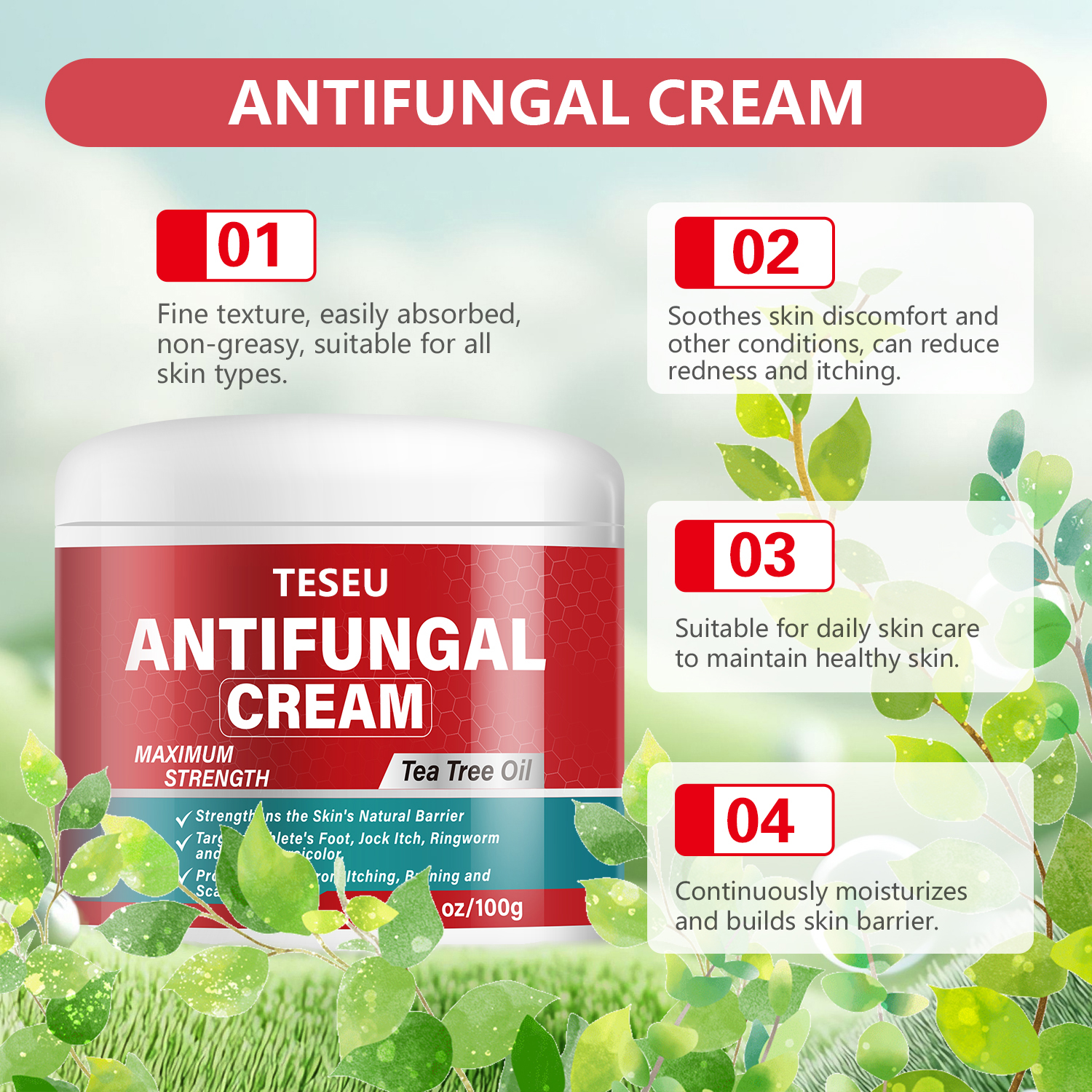
- Over-the-Counter (OTC) Antifungal Creams: Products containing clotrimazole, miconazole, terbinafine, or tolnaftate are highly effective. Apply the cream to the rash and the surrounding inch of healthy skin as directed on the packaging, usually for 1-2 weeks. It is crucial to continue the treatment for the full recommended duration, even if symptoms improve, to ensure the fungus is fully eradicated.
- Keeping the Area Clean and Dry: Wash the groin daily with soap and water, and dry it thoroughly. Use a separate, clean towel for the groin area to avoid spreading the fungus.
- Prescription Medications: If the infection is severe or doesn’t respond to OTC treatments, a doctor may prescribe stronger topical creams or oral antifungal pills.
Treating Chafing: Soothing and Protecting the Skin
The goal is to reduce friction and help the irritated skin heal. This involves a two-pronged approach:
- Clean and Soothe: Gently clean the area with lukewarm water and a mild, fragrance-free soap. Pat the skin dry—do not rub. Applying a soothing agent like aloe vera or a hypoallergenic moisturizer can help calm the initial irritation.
- Create a Barrier: The most important step is to protect the skin from further friction. Apply a barrier product like petroleum jelly, a diaper rash cream containing zinc oxide, or specialized anti-chafing balms and powders. This creates a smooth surface for the skin to glide over.
- Rest and Heal: If possible, take a break from the activity that caused the chafing to give the skin time to recover. Wearing loose, soft clothing will also help reduce irritation during the healing process.
What Are the Best Ways to Prevent Future Flare-Ups?
Prevention is always better than cure. Both conditions can be largely avoided by adopting a few key habits focused on hygiene and reducing moisture and friction.
Preventing Jock Itch
The strategy here is to make your groin an inhospitable place for fungus.
- Stay Dry: This is the most critical rule. Dry your groin area thoroughly after every shower, bath, and workout. Consider using a separate towel for your groin and your feet.
- Choose Breathable Fabrics: Wear underwear and clothing made from moisture-wicking materials that pull sweat away from the skin.
- Change a.s.a.p: Don’t sit around in sweaty gym clothes or a wet swimsuit. Change into clean, dry clothes as soon as possible after exercising or swimming.
- Treat Athlete’s Foot: If you have athlete’s foot, treat it promptly to prevent the fungus from spreading to your groin. Put your socks on before your underwear to help avoid transfer.
- Use Antifungal Powder: If you are prone to sweating or live in a humid climate, dusting your groin with an antifungal or moisture-absorbing powder in the morning can help keep the area dry all day.
Preventing Chafing
The goal here is to minimize friction.
- Lubricate: Before physical activity, apply an anti-chafing balm, petroleum jelly, or powder to your inner thighs or any other potential friction hotspots.
- Wear Appropriate Clothing: For exercise, opt for compression shorts or leggings that create a smooth barrier between the thighs. For daily wear, choose well-fitting underwear and pants that don’t bunch up or have irritating seams.
- Select the Right Underwear: This is a game-changer. Choose underwear designed to prevent skin-on-skin contact and manage moisture.
Why Does Your Underwear Choice Matter So Much?
The underwear you choose plays a fundamental role in either causing or preventing both jock itch and chafing. Standard cotton underwear absorbs moisture and stays wet, creating a perfect environment for fungus. Loosely fitting boxers allow for skin-on-skin friction between the thighs, directly causing chafing. Poorly designed underwear can bunch up, creating pressure points and irritation.
This is where innovative design can make a significant difference. High-performance underwear, such as the kind developed by Teseu, is engineered specifically to address these issues. By focusing on advanced materials and an ergonomic fit, the right underwear provides a comprehensive solution.
Underwear featuring moisture-wicking fabrics like Modal or bamboo viscose actively pulls sweat away from the skin, keeping you dry and preventing the dampness that fuels jock itch. More importantly, designs incorporating a supportive pouch system can be revolutionary. By gently separating your anatomy from your thighs, these pouches completely eliminate the skin-on-skin friction that leads to painful chafing. This anatomical separation not only stops chafing in its tracks but also improves airflow, further reducing heat and humidity. Investing in underwear designed for performance and health is a proactive step toward ensuring daily comfort and preventing these common but frustrating conditions.