Why do fungal skin infections often flare up during the hot summer months?
Fungal skin infections surge in summer primarily because the key ingredients for fungal growth—heat, moisture, and darkness—are more abundant. Increased temperatures lead to more sweating, creating a damp, warm environment on the skin, especially in areas with less air circulation. This is the ideal breeding ground for dermatophytes, the fungi responsible for these conditions. Understanding and preventing Fungal skin infections is key to enjoying a comfortable and irritation-free summer season.
TESEU
Fungal skin infections surge in summer primarily because the key ingredients for fungal growth—heat, moisture, and darkness—are more abundant. Increased temperatures lead to more sweating, creating a damp, warm environment on the skin, especially in areas with less air circulation. This is the ideal breeding ground for dermatophytes, the fungi responsible for these conditions. Understanding and preventing Fungal skin infections is key to enjoying a comfortable and irritation-free summer season.
What Creates the Perfect Storm for Fungal Growth in Summer?
The summer months create a unique combination of environmental and behavioral factors that foster the proliferation of fungi on the skin. Fungi, particularly dermatophytes that feed on keratin (a protein in our skin, hair, and nails), do not just survive but actively thrive in specific conditions that summer provides in abundance.
The Role of Increased Heat and Humidity
Ambient heat and humidity are the primary catalysts. High temperatures raise the skin’s surface temperature, while humidity prevents sweat from evaporating efficiently. This combination creates a stable, warm, and moist microclimate on the skin’s surface. Think of it as a personal, portable greenhouse for fungi. These organisms have optimal temperature ranges for growth, which often align perfectly with summer skin temperatures, accelerating their metabolic processes and reproductive cycles.
How Excessive Sweating Becomes a Culprit
Sweat, or perspiration, is the body’s natural cooling mechanism. However, it is also a major contributor to fungal infections. While sweat itself is mostly water and salt, its presence saturates the top layer of the skin, making it softer and more permeable. This process, known as skin maceration, weakens the skin’s natural barrier function, making it easier for fungi to invade and establish an infection. Areas like the feet, groin, and underarms, which are often enclosed and have a high concentration of sweat glands, are particularly vulnerable.
The Impact of Summer Activities and Lifestyle
Summer encourages activities that heighten exposure and risk. More time spent outdoors, exercising, swimming, and engaging in recreational sports leads to more sweating. Wearing tight, synthetic athletic wear can trap moisture against the skin. Furthermore, walking barefoot in communal areas like locker rooms, pool decks, and public showers provides a direct pathway for transferring fungi from a contaminated surface to your feet.
Which Common Fungal Skin Infections Thrive in Warm Weather?
While many types of fungi exist, a few are notorious for causing trouble during the summer. They typically manifest in warm, moist areas of the body and can range from mildly annoying to severely uncomfortable. Recognizing them is the first step toward effective management.
Here is a breakdown of the most prevalent summer fungal infections:
Infection Name
Medical Term
Common Areas Affected
Key Symptoms
Athlete’s Foot
Tinea Pedis
Between the toes, soles of the feet
Itching, stinging, burning, cracked or peeling skin, blisters
Jock Itch
Tinea Cruris
Groin, inner thighs, buttocks
Red, itchy, ring-shaped rash, burning sensation
Ringworm
Tinea Corporis
Anywhere on the body (torso, arms, legs)
Circular, red, scaly rash with a raised border and clearer center
Tinea Versicolor
Pityriasis Versicolor
Chest, back, neck, upper arms
Small, discolored patches (lighter or darker than surrounding skin) that may be mildly itchy
How Can You Proactively Prevent Summer Fungal Flare-Ups?
Prevention is far more effective than treatment. By adopting a few key habits and making smart choices, you can significantly reduce your risk of developing a frustrating fungal infection during the hottest months of the year.
Prioritize Skin Dryness and Hygiene
The number one rule is to keep your skin clean and dry. Shower as soon as possible after sweating heavily, whether from exercise, yard work, or simply being outdoors on a hot day. When you dry off, pay special attention to fungus-prone areas. Gently pat the skin between your toes, in the groin area, and under your arms until completely dry. Using a talc-free powder in these areas can also help absorb excess moisture throughout the day.
Choose Your Summer Wardrobe Wisely
Your choice of clothing can either help or hinder your prevention efforts. Opt for loose-fitting garments made from natural, breathable fabrics like cotton, linen, or moisture-wicking blends. These materials allow air to circulate close to the skin, which helps sweat evaporate more quickly. Avoid tight clothing made from synthetic fabrics like nylon or polyester for everyday wear, as they trap heat and moisture, creating the perfect environment for fungi to multiply.
Recognizing the Symptoms: What Should You Look For?
Early detection can make a significant difference in how quickly a fungal infection is resolved. While symptoms vary depending on the type and location of the infection, there are several common warning signs to watch for. The most universal symptom is itching, which can range from mild to intense.
Visually, you might notice changes in your skin. A red, scaly rash is a classic indicator. In cases of ringworm, this rash often takes on a distinct circular or “ring” shape with a raised border. For athlete’s foot, you might see peeling, cracking, or blistering skin, particularly between the toes. Tinea versicolor presents differently, with small, flat, discolored spots that can be white, pink, tan, or brown. A burning or stinging sensation may also accompany the itching, especially with jock itch and athlete’s foot.
Are There Other Factors That Increase Susceptibility?
While anyone can get a fungal infection, certain individuals may be more predisposed. A weakened immune system, whether from a medical condition like diabetes, an autoimmune disorder, or certain medications, can make it harder for the body to fight off fungal invaders. People who are overweight may have more skin folds, which can trap moisture and heat, creating ideal breeding grounds for fungi.
Additionally, having a history of fungal infections makes you more likely to experience a recurrence. Fungi can lie dormant in the skin or be easily reacquired. A genetic predisposition can also play a role, making some individuals’ skin more susceptible to dermatophyte infections than others. Finally, occlusive footwear (shoes that don’t breathe) and hyperhidrosis (a condition causing excessive sweating) are significant risk factors.
How Do Public Pools and Gyms Contribute to the Spread?
Communal, damp environments are hotspots for fungal transmission. The floors of gym locker rooms, public showers, and the decks surrounding swimming pools are constantly wet and frequented by many people. Fungi can shed from an infected person’s feet onto these surfaces and survive for an extended period.
When you walk barefoot in these areas, you are giving these organisms a direct opportunity to transfer to your skin. The tiny, often invisible, abrasions on your feet can serve as entry points for the fungus. Always wear shower shoes, flip-flops, or sandals in these high-risk zones. It is also wise to avoid sharing towels, razors, or clothing, as fungi can be transmitted through contaminated personal items.
Debunking Common Myths About Fungal Infections
Misinformation about fungal skin infections is common. Clarifying these points can lead to better prevention and management.
Myth 1: Only unclean people get fungal infections. This is false. Fungi are opportunistic organisms that thrive in specific environments (warmth and moisture). Even the most diligent person can develop an infection if the conditions are right. It is a matter of environment, not a reflection of personal hygiene.
Myth 2: Fungal infections will go away on their own. While very mild cases might occasionally resolve, most fungal infections require treatment. If left untreated, they often persist, worsen, and can spread to other parts of the body or to other people. Proactive treatment with antifungal products is typically necessary for resolution.
Myth 3: You can’t get a fungal infection from a pet. Certain types of ringworm are zoonotic, meaning they can be passed from animals to humans. If your cat or dog has a patch of missing fur and scaly skin, it is important to have them checked by a veterinarian to prevent transmission to human family members.
Why Does Clothing Material Matter So Much?
The fabric you wear acts as a second skin, directly influencing the microenvironment against your body. The structure and properties of the material determine how it manages heat and moisture, which are the two most critical factors in fungal growth.
Non-breathable, synthetic fabrics like polyester and nylon are hydrophobic, meaning they repel water. Instead of absorbing sweat, they trap it between the fabric and your skin. This creates a stagnant layer of moisture and humidity, turning your clothing into a fungal incubator. In contrast, natural fibers like cotton are highly absorbent but can become heavy and saturated when wet, staying damp for a long time. Modern moisture-wicking fabrics are engineered to pull sweat away from the skin and move it to the outer surface of the fabric, where it can evaporate quickly, making them an excellent choice for athletic activities.
When Is It Time to Consult a Healthcare Professional?
While many mild fungal infections can be managed with over-the-counter (OTC) antifungal creams, powders, or sprays, there are situations where professional medical advice is necessary. You should consider seeing a doctor or dermatologist under several circumstances.
Seek medical attention if the infection shows no signs of improvement after a week or two of using an OTC treatment. If the rash is spreading rapidly, becoming very painful, or showing signs of a secondary bacterial infection (like oozing pus or increased swelling), a consultation is crucial. Additionally, individuals with compromised immune systems or diabetes should always consult a professional for any skin infection, as they are at higher risk for complications. A doctor can confirm the diagnosis, rule out other skin conditions, and prescribe stronger topical or oral antifungal medications if needed.
Advanced Protection: The Role of Material Science in Prevention
Beyond personal hygiene and clothing choices, advancements in material science offer a powerful, built-in layer of defense against fungal growth. The focus is shifting from simply managing moisture to creating materials that are inherently hostile to microbes.
This is achieved by embedding specialized agents directly into materials during the manufacturing process. For instance, companies at the forefront of polymer technology, such as Teseu.net, develop sophisticated antifungal additives. These agents can be integrated into the polymer fibers used to make textiles for apparel, footwear, and sports equipment, or into plastics used for items like gym mats and shower accessories. This technology ensures that the material itself actively inhibits the growth of mold and fungi, preventing them from establishing a foothold in the first place. This provides a constant, durable layer of protection that doesn’t wash out or wear away, representing a proactive, scientific approach to keeping our immediate environment and clothing inhospitable to fungal proliferation.
To properly clean the area before applying a wart removal pen, first, wash the wart and surrounding skin with mild soap and warm water for several minutes. Next, consider soaking the affected area in warm water for 5 to 10 minutes to soften the wart’s tough surface. Finally, pat the area completely dry with a clean towel, as a dry surface is essential for the treatment to work effectively.
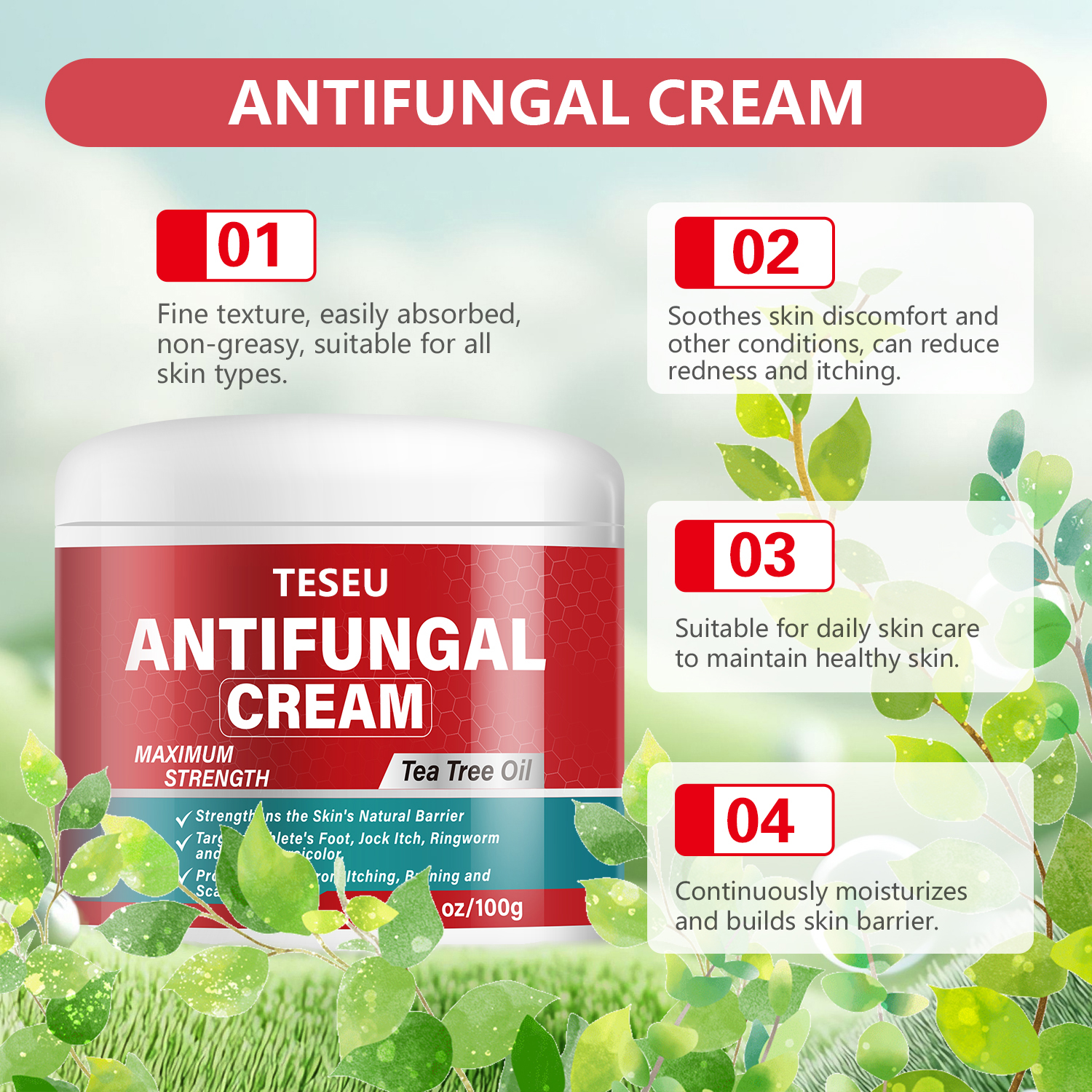
Tea tree oil’s potent effectiveness against skin fungal infections stems from its primary active compound, terpinen-4-ol. This powerful natural agent works by disrupting the cell membrane integrity of fungi, causing essential cellular components to leak out and leading to cell death. Its broad-spectrum antifungal properties make it a formidable natural remedy for a variety of common skin and nail ailments caused by dermatophytes and yeasts.
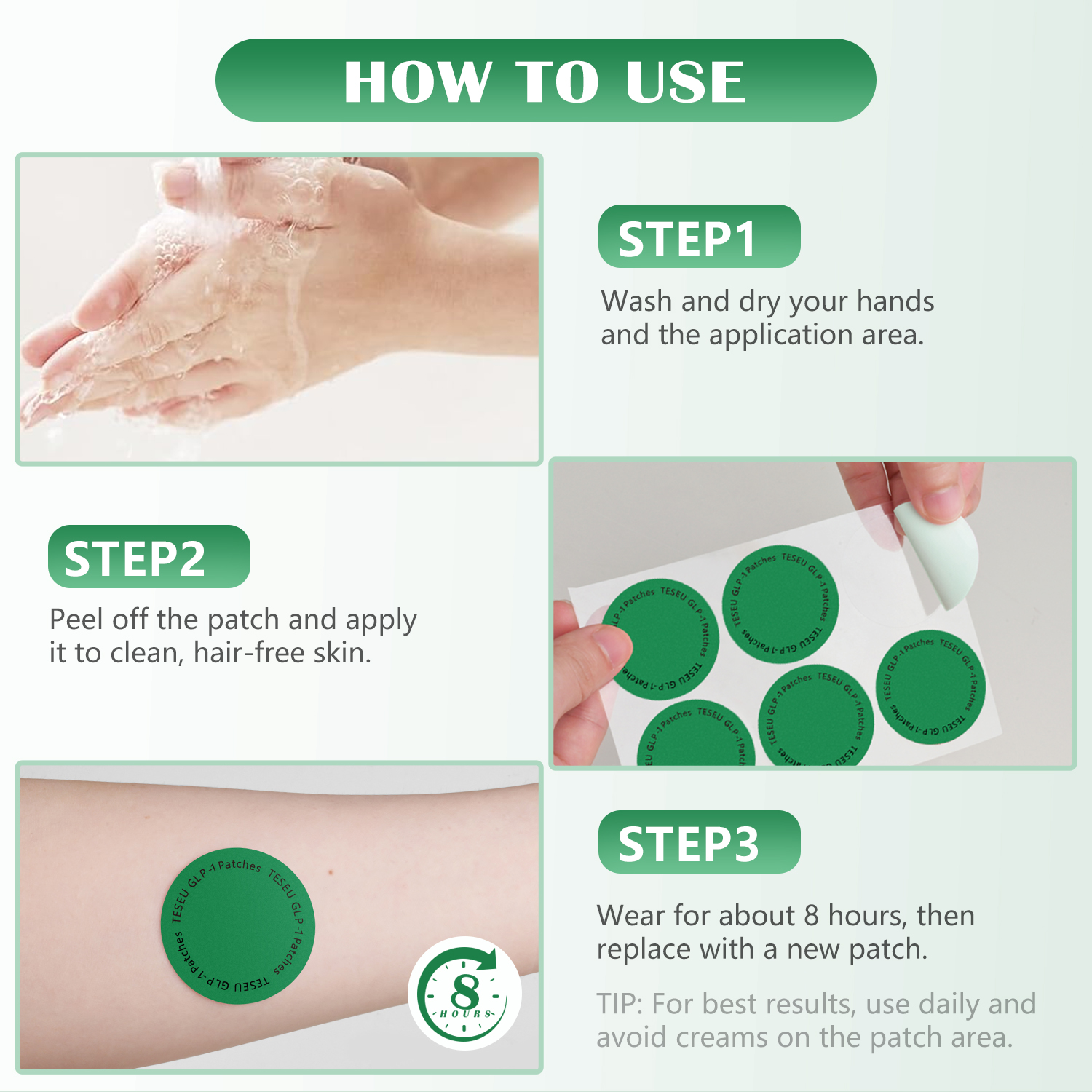
Experiencing slight redness after removing a skincare patch is usually a temporary and mild reaction. This often happens due to the adhesive or the active ingredients stimulating your skin. To manage this, you should first gently cleanse the area with a mild, fragrance-free soap and lukewarm water. Afterward, apply a soothing, hydrating moisturizer or a calming agent like aloe vera gel to reduce inflammation. Avoid using harsh exfoliants or active ingredients on the affected area for 24-48 hours until the redness subsides. If the redness persists, worsens, or is accompanied by severe itching or blistering, it is important to consult a dermatologist.