Tea tree oil’s potent effectiveness against skin fungal infections stems from its primary active compound, terpinen-4-ol. This powerful natural agent works by disrupting the cell membrane integrity of fungi, causing essential cellular components to leak out and leading to cell death. Its broad-spectrum antifungal properties make it a formidable natural remedy for a variety of common skin and nail ailments caused by dermatophytes and yeasts.
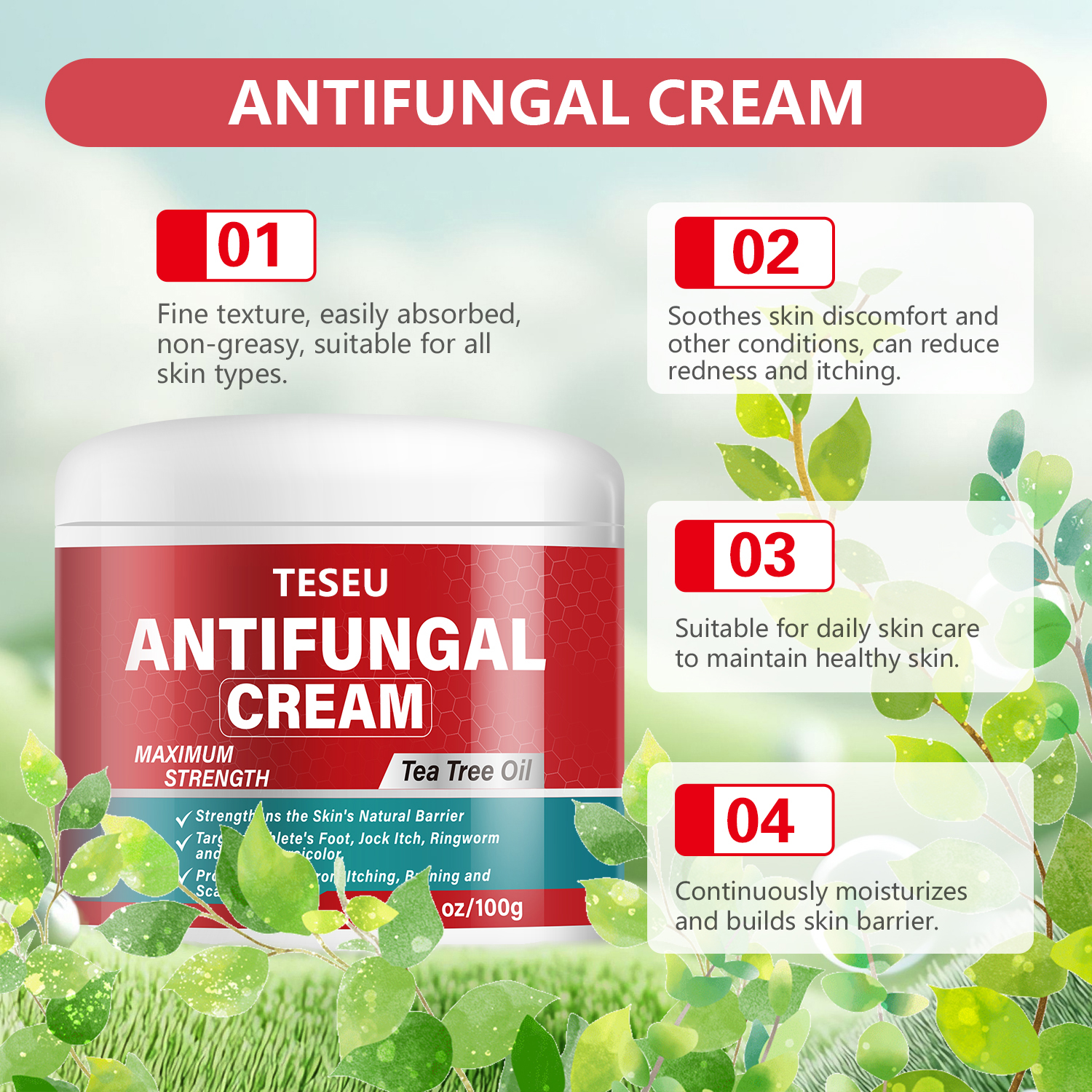
Table of Contents
- What Gives Tea Tree Oil Its Antifungal Power?
- The Star Compound: How Terpinen-4-ol Annihilates Fungi
- Beyond the Main Actor: Synergistic Effects of Other Components
- Which Fungi Are Most Vulnerable to Tea Tree Oil?
- How Should You Apply Tea Tree Oil for Skin Conditions?
- What Does Scientific Research Reveal About Its Efficacy?
- Are There Risks? Understanding Safety and Side Effects
- Why Purity Matters: Selecting a High-Quality Tea Tree Oil
- How Does Tea Tree Oil Compare to Over-the-Counter Antifungals?
What Gives Tea Tree Oil Its Antifungal Power?
The remarkable antifungal capabilities of Tea Tree Oil are not a recent discovery; they are rooted in the complex biochemistry of the plant from which it is derived. Understanding its origin and chemical makeup is the first step in appreciating its therapeutic value for skin health.
The Source: Melaleuca alternifolia
Tea tree oil is an essential oil extracted through steam distillation from the leaves of the Melaleuca alternifolia tree, which is native to Australia. For centuries, Aboriginal Australians have crushed the leaves to treat coughs and colds or applied them directly to the skin for healing. This long history of traditional use pointed modern science toward investigating the oil’s medicinal properties, leading to the confirmation of its potent antimicrobial and anti-inflammatory effects.
A Complex Chemical Profile
What makes tea tree oil a medicinal powerhouse is its intricate blend of over 100 different chemical constituents. It is not a single-molecule substance but a naturally occurring cocktail of volatile organic compounds. The precise balance of these components determines the oil’s efficacy and safety. The most significant of these compounds is terpinen-4-ol, which is primarily responsible for the oil’s antimicrobial activity. Other key components include γ-terpinene, α-terpinene, and 1,8-cineole, which contribute synergistically to its overall therapeutic profile.
The Star Compound: How Terpinen-4-ol Annihilates Fungi
While tea tree oil contains many compounds, terpinen-4-ol is the undisputed hero in the fight against fungal pathogens. Its concentration in the oil is a key indicator of quality and is directly correlated with the oil’s antifungal strength. This monoterpene alcohol wages a multi-pronged attack on fungal cells.
The Mechanism: Disrupting the Fungal Cell Membrane
The primary way terpinen-4-ol destroys fungi is by compromising their cellular structure. Fungal cells are protected by a membrane that regulates the flow of substances in and out of the cell, maintaining its internal environment. Terpinen-4-ol’s lipid-soluble nature allows it to penetrate this fatty membrane, altering its fluidity and permeability. This disruption causes vital ions and molecules within the fungal cell, like potassium, to leak out. This loss of cellular contents is catastrophic, effectively leading to the fungus’s death.
Inhibiting Fungal Growth and Respiration
Beyond physically damaging the cell membrane, terpinen-4-ol also interferes with crucial metabolic processes. It has been shown to inhibit fungal respiration, disrupting the energy production centers (mitochondria) within the cell. By cutting off the fungus’s energy supply, terpinen-4-ol prevents it from growing, multiplying, and transforming into its more invasive, filamentous form. This dual-action approach—structural damage and metabolic sabotage—makes it an exceptionally effective fungicidal agent.
Beyond the Main Actor: Synergistic Effects of Other Components
Although terpinen-4-ol receives most of the credit, its effectiveness is enhanced by the presence of other compounds in tea tree oil. This natural synergy is what makes the whole oil more potent than its isolated components. For instance, compounds like α-terpineol and linalool also possess antifungal properties, adding to the overall effect. Furthermore, 1,8-cineole (also known as eucalyptol), while having weaker antifungal activity on its own, can help the primary compounds penetrate the skin and fungal structures more effectively. This “entourage effect” means the full-spectrum oil provides a broader and more robust defense against a wide range of pathogens.
Which Fungi Are Most Vulnerable to Tea Tree Oil?
One of the most significant advantages of tea tree oil is its broad-spectrum activity. It is not limited to a single type of fungus but is effective against the different categories of fungi responsible for most human skin infections.
Dermatophytes: The Culprits Behind Athlete’s Foot and Ringworm
Dermatophytes are a group of fungi that require keratin for growth and are the leading cause of infections of the skin, hair, and nails. Tea tree oil has demonstrated strong activity against species like Trichophyton rubrum and Trichophyton mentagrophytes, which are responsible for conditions such as athlete’s foot (tinea pedis), jock itch (tinea cruris), and ringworm (tinea corporis). Its ability to penetrate the outer layers of the skin makes it well-suited to target these superficial infections.
Yeasts: Tackling Candida and Malassezia
Tea tree oil is also highly effective against yeast infections. It shows potent fungicidal activity against Candida albicans, a common cause of oral thrush, skin candidiasis, and even nail infections. Additionally, it can help manage conditions related to the Malassezia yeast, such as pityriasis versicolor (a condition causing discolored patches on the skin) and seborrheic dermatitis.
Table: Common Fungal Infections and Tea Tree Oil’s Efficacy
| Fungal Infection |
Causative Fungi |
Tea Tree Oil’s Action |
| Athlete’s Foot (Tinea Pedis) |
Trichophyton species |
Alleviates itching and kills the dermatophyte fungus. |
| Nail Fungus (Onychomycosis) |
Trichophyton, Candida |
Penetrates the nail bed to target the underlying infection. |
| Ringworm (Tinea Corporis) |
Trichophyton, Microsporum |
Disrupts the fungal cells causing the characteristic ring-shaped rash. |
| Jock Itch (Tinea Cruris) |
Trichophyton, Epidermophyton |
Reduces inflammation and eradicates the fungus in the groin area. |
| Cutaneous Candidiasis |
Candida albicans |
Effective against yeast overgrowth in skin folds. |
How Should You Apply Tea Tree Oil for Skin Conditions?
Proper application is crucial for maximizing the benefits of tea tree oil while minimizing the risk of irritation. Pure tea tree oil is highly concentrated and should almost never be applied directly to the skin.
The Importance of Dilution: Carrier Oils Explained
To use tea tree oil safely on the skin, it must be diluted with a carrier oil. Carrier oils are neutral, plant-based oils that “carry” the essential oil onto the skin, helping with absorption and reducing its concentration to a safe level. Excellent choices for carrier oils include coconut oil, jojoba oil, almond oil, or olive oil. Dilution not only prevents skin irritation but also helps spread the essential oil over a larger surface area.
Recommended Ratios for Common Ailments
The correct dilution ratio depends on the sensitivity of the skin area and the severity of the condition. For general skin application, a 1-5% dilution is recommended. This translates to adding 1-5 drops of tea tree oil to every teaspoon (5ml) of carrier oil. For tougher areas like toenails affected by fungus, a higher concentration, such as 10-15%, may be used, but always with caution. For athlete’s foot, a 10% concentration applied to the affected areas or adding 15-20 drops to a foot bath can be effective.
What Does Scientific Research Reveal About Its Efficacy?
The antifungal properties of tea tree oil are not just anecdotal; they are supported by a growing body of scientific evidence. Numerous laboratory (in vitro) studies have confirmed its ability to kill a wide array of fungal species. More importantly, clinical trials in humans have demonstrated its real-world effectiveness.
A notable study published in the Australasian Journal of Dermatology found that a 10% tea tree oil cream was as effective as a 1% tolnaftate cream (a standard over-the-counter antifungal) in relieving the symptoms of athlete’s foot. Another study on onychomycosis (nail fungus) showed that direct application of 100% tea tree oil for six months resulted in significant improvement or complete cure in about 60% of participants, a result comparable to some conventional topical treatments. These studies lend scientific credibility to the traditional uses of tea tree oil and solidify its place as a valid option for managing fungal infections.
Are There Risks? Understanding Safety and Side Effects
Despite being a natural product, tea tree oil is potent and must be used with respect. The most common side effect is allergic contact dermatitis, an itchy, red rash that can occur in individuals with sensitive skin or when the oil is used undiluted. Other potential reactions include dryness, stinging, or scaling of the skin.
To mitigate these risks, it is essential to perform a patch test before widespread use. Apply a small amount of the diluted oil to a discreet patch of skin, like the inner forearm, and wait 24-48 hours to check for any adverse reaction. Tea tree oil should never be ingested, as it is toxic when swallowed. Keep it away from eyes, inner ears, and other sensitive areas. If irritation occurs, discontinue use immediately.
Why Purity Matters: Selecting a High-Quality Tea Tree Oil
Not all tea tree oils are created equal. The therapeutic effectiveness of the oil is directly linked to its chemical purity and composition. A low-quality, adulterated, or improperly stored oil will be less effective and may even increase the risk of skin irritation. When choosing a product, look for oils that are 100% pure Melaleuca alternifolia oil without any synthetic additives or fillers.
The concentration of key components is paramount. A high-quality therapeutic-grade oil should have a high concentration of terpinen-4-ol (typically above 35-40%) and a low concentration of 1,8-cineole (ideally below 5%), as high levels of the latter can cause skin irritation. The best way to verify this is to choose brands that provide third-party analysis, such as Gas Chromatography-Mass Spectrometry (GC-MS) testing. This scientific test breaks down the oil into its individual components, providing a transparent and accurate report of its chemical profile. Investing in a scientifically verified, high-purity oil like those from TESEU ensures you are getting a product with the optimal composition for maximum antifungal efficacy and safety.
How Does Tea Tree Oil Compare to Over-the-Counter Antifungals?
Tea tree oil presents a compelling natural alternative to conventional antifungal creams and ointments containing active ingredients like clotrimazole or miconazole. Its primary advantage is its broad-spectrum nature, which can be beneficial when the exact fungal strain is unknown. Many users also prefer a natural approach to treatment, avoiding synthetic chemicals.
However, it is important to have realistic expectations. While some studies show comparable efficacy, conventional treatments may sometimes work faster. Tea tree oil often requires consistent, long-term application, especially for stubborn conditions like nail fungus. On the other hand, some fungi are developing resistance to standard antifungal drugs, a problem not yet widely observed with a complex natural substance like tea tree oil. For mild to moderate superficial infections, tea tree oil is an excellent first line of defense or a complementary therapy, but severe or persistent infections should always be evaluated by a healthcare professional.