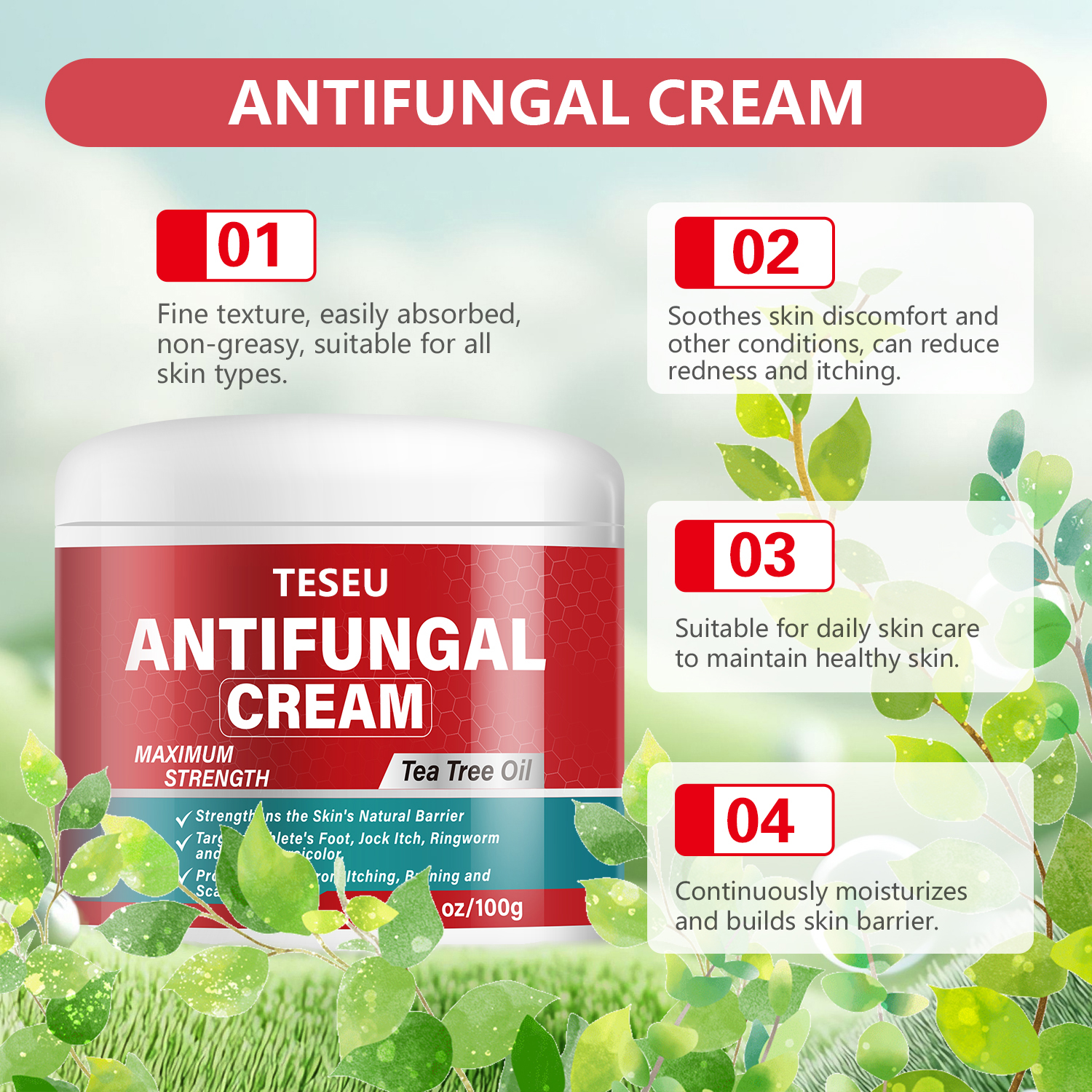
Even after the itching and redness of jock itch have subsided, it is crucial to continue applying antifungal cream for at least one to two weeks. This practice is vital because the fungus that causes the infection can persist on the skin even when visible symptoms are gone. Stopping treatment prematurely can lead to a rapid recurrence of the infection.
Table of Contents
- What Exactly Is Jock Itch?
- Why Must Treatment Continue After Symptoms Fade?
- What is the Recommended Treatment Duration?
- How Do You Select an Effective Antifungal Cream?
- What Are the Risks of Stopping Treatment Too Soon?
- Are You Applying the Cream Correctly?
- When Should You Consult a Healthcare Professional?
- Is It Possible for Jock Itch to Come Back?
- How Can You Prevent Future Jock Itch Infections?
- What If the Jock Itch Is Persistent?
What Exactly Is Jock Itch?
Jock itch, medically known as tinea cruris, is a common fungal infection that affects the skin in the groin, inner thighs, and buttocks. It is caused by a group of fungi called dermatophytes, the same type that causes athlete’s foot and ringworm. These microorganisms thrive in warm, moist environments, making the groin area an ideal breeding ground, especially for those who sweat heavily or wear tight clothing.
The infection typically manifests as an itchy, red, often ring-shaped rash. The borders of the rash may be slightly raised and scaly. While it can be intensely uncomfortable, jock itch is usually not a serious condition. However, understanding its fungal nature is key to effective treatment. It’s not just a simple rash; it’s an active infection that requires a targeted approach to eliminate the underlying cause.
Why Must Treatment Continue After Symptoms Fade?
The primary reason for continuing with an antifungal cream after visual and physical symptoms have disappeared is to achieve a complete mycological cure. The visible rash and itching are merely the body’s inflammatory response to the fungal overgrowth. When these symptoms resolve, it means your immune system and the initial doses of medication have successfully reduced the fungal load to a manageable level. However, it does not mean the fungus has been entirely eradicated.
Fungal spores can remain dormant on the skin’s surface, ready to multiply again once conditions are favorable or treatment is halted. Continuing the application of an effective antifungal agent, such as a specialized antifungal cream for jock itch, for an additional one to two weeks ensures that these resilient, invisible spores are eliminated. This follow-through is the most critical step in preventing a swift and often more frustrating recurrence of the infection.
What is the Recommended Treatment Duration?
The duration of treatment for tinea cruris depends on the severity of the infection and the specific antifungal medication being used. Most over-the-counter (OTC) antifungal creams require a treatment course that lasts from two to four weeks. A typical timeline is as follows:
- Weeks 1-2: Consistent application, usually once or twice daily, as directed on the product label. During this period, you should notice a significant reduction in itching, redness, and the size of the rash.
- Post-Symptom Disappearance: This is the critical phase. Even if the rash is completely gone after 10-14 days, you must continue applying the cream for at least 7 to 14 more days. This ensures the eradication of any remaining fungal spores.
Always refer to the instructions provided with your specific medication, as different active ingredients may have slightly different recommended durations. For example, treatments containing terbinafine might have a shorter overall course compared to those with clotrimazole or miconazole, but the principle of treating beyond symptom resolution remains the same.
How Do You Select an Effective Antifungal Cream?
Choosing the right treatment is fundamental to success. Look for products specifically designed to treat fungal infections, not just anti-itch hydrocortisone creams, which can sometimes worsen a fungal issue. An effective antifungal cream for jock itch will contain a specific fungicidal or fungistatic ingredient.
Key active ingredients to look for include:
- Terbinafine
- Clotrimazole
- Miconazole
- Econazole
- Ketoconazole
At Teseu, we are dedicated to providing solutions grounded in dermatological science. Our products are formulated with potent and reliable active ingredients to target the root cause of fungal infections effectively. When selecting a product, consider both the active ingredient and a formulation that is gentle on the sensitive skin of the groin area. A well-formulated cream will not only fight the fungus but also soothe the irritated skin without causing further discomfort.
What Are the Risks of Stopping Treatment Too Soon?
Discontinuing the application of your antifungal cream the moment your skin looks clear is a common mistake that carries significant risks. The primary danger is a relapse of the infection. When you stop treatment prematurely, the surviving fungal spores can quickly multiply, leading to a new outbreak. This recurring infection is often more resistant and more challenging to treat than the initial one.
Another risk is the development of fungal resistance. While less common with topical treatments than with oral antibiotics, incomplete treatment cycles can contribute to strains of fungi that are less susceptible to standard medications. This could necessitate stronger, prescription-strength treatments or even oral antifungal drugs, which carry a higher risk of side effects. Following the full treatment course is your best defense against these complications.
Are You Applying the Cream Correctly?
Proper application technique is just as important as the duration of treatment. To ensure the medication works effectively, follow these steps:
- Wash and Dry the Area: Before each application, gently wash the affected area with a mild, soap-free cleanser and water. Pat the area completely dry with a clean, separate towel. Moisture is the enemy in the fight against fungal infections.
- Apply a Thin Layer: Squeeze a small amount of the cream onto your fingertip. Apply a thin, even layer over the entire rash.
- Extend Beyond the Border: Crucially, extend the application about one to two inches beyond the visible edge of the rash. This targets the fungus that may be spreading outward under the skin where it is not yet visible.
- Wash Your Hands: After application, wash your hands thoroughly to prevent spreading the infection to other parts of your body or to other people.
When Should You Consult a Healthcare Professional?
While most cases of jock itch respond well to over-the-counter treatments, certain situations warrant a visit to a doctor or dermatologist. You should seek medical advice if:
- The rash does not show any improvement after one to two weeks of consistent OTC treatment.
- The infection worsens, spreads, or becomes excessively painful, swollen, or starts to ooze pus.
- The infection clears up but returns frequently.
- You have a compromised immune system (due to conditions like diabetes or HIV) or are taking immunosuppressant medications.
- You are unsure if the condition is actually jock itch, as other skin conditions can have similar symptoms.
A doctor can provide an accurate diagnosis, rule out other conditions, and prescribe more powerful topical or oral antifungal medications if necessary.
Is It Possible for Jock Itch to Come Back?
Yes, jock itch can definitely return, even after a successful treatment course. Recurrence is common, especially if the underlying contributing factors are not addressed. The primary reasons for recurrence include stopping treatment too early or failing to adopt preventive hygiene measures.
The fungus that causes jock itch is ubiquitous in our environment. It can live on towels, clothing, and gym equipment. If you successfully treat an infection but then re-expose yourself to the fungus in a warm, moist environment, a new infection can easily begin. This is why prevention is a continuous effort, not just a one-time fix.
How Can You Prevent Future Jock Itch Infections?
Preventing jock itch involves diligent personal hygiene and creating an environment that is inhospitable to fungal growth. Adopting these habits is the best long-term strategy to stay free from infection.
| Preventive Measure |
Why It Works |
| Keep the Groin Area Dry |
Fungus thrives in moisture. Thoroughly dry your groin and inner thighs after showering or exercising. Consider using an antifungal powder to absorb excess moisture. |
| Wear Clean, Loose-Fitting Clothing |
Change your underwear and workout clothes daily. Choose breathable fabrics like cotton or moisture-wicking synthetics to reduce sweat buildup. |
| Avoid Sharing Personal Items |
Do not share towels, clothing, or other personal items, as this can easily transmit the fungus. |
| Treat Athlete’s Foot Promptly |
The same fungus often causes athlete’s foot (tinea pedis). The infection can spread from your feet to your groin via your hands or when putting on underwear. |
| Wash Workout Clothes Immediately |
Don’t let damp, sweaty clothes sit in a gym bag. Wash them in hot water with detergent to kill any lingering fungi. |
What If the Jock Itch Is Persistent?
If you have followed all the correct treatment and prevention steps, but the jock itch persists or keeps coming back, it’s time to consider other factors. You may be dealing with a particularly resistant fungal strain, or the rash might not be jock itch at all. Skin conditions like inverse psoriasis, erythrasma (a bacterial infection), or contact dermatitis can mimic the symptoms of tinea cruris.
In these persistent cases, a doctor’s diagnosis is essential. They may take a small skin scraping (a painless procedure) to examine under a microscope or send for culture to confirm the presence and type of fungus. Based on this definitive diagnosis, they can prescribe a more targeted and powerful treatment, which may include prescription-strength topical creams or, in severe cases, oral antifungal pills like terbinafine or itraconazole. Remember, managing stubborn skin conditions requires a precise diagnosis and a professional treatment plan.