The fastest way to relieve severe itching from athlete’s foot is to apply an over-the-counter (OTC) antifungal cream containing ingredients like clotrimazole or miconazole, which target the fungal infection causing the itch. For immediate, but temporary, relief while the antifungal medication works, you can soak your feet in a cool water and vinegar solution or apply a cold compress. This combination addresses both the root cause and the immediate symptom of intense itching.
In This Piece
- Understanding the Cause of the Intense Itch
- How Can I Stop Athlete’s Foot Itching Instantly?
- Which Over-the-Counter Antifungal Treatments Work Fastest?
- Are There Natural Remedies for Soothing Athlete’s Foot Itch?
- When Should I See a Doctor for Prescription Medication?
- How to Prevent Itching from Recurring
- What Are the Best Hygiene Practices to Manage Symptoms?
- Does My Choice of Footwear Affect Athlete’s Foot?
Understanding the Cause of the Intense Itch
Athlete’s foot, medically known as tinea pedis, is a fungal infection that thrives in warm, moist environments. The intense, often maddening, itch is a primary symptom and results from the fungus, typically from the Trichophyton genus, burrowing into the top layers of your skin. As the fungus feeds on keratin, a protein in your skin, it releases metabolic byproducts that trigger an inflammatory response from your immune system. This inflammation is what causes the redness, scaling, and severe pruritus (itching) that characterizes the condition. The most commonly affected area is between the toes, where moisture is easily trapped.
The severity of the itch can vary based on the type of athlete’s foot. The toe web infection is most common, but vesicular infections cause painful blisters, and the moccasin-type infection leads to chronic dryness and scaling across the sole. Understanding that the itch is a direct result of fungal activity is crucial; merely soothing the symptom is not enough. Effective relief requires eliminating the underlying fungal cause.
How Can I Stop Athlete’s Foot Itching Instantly?
While antifungal medications are essential for a long-term cure, you often need immediate relief from the persistent itch. Several methods can provide rapid, albeit temporary, comfort while your primary treatment begins to work. These approaches focus on calming the skin’s inflammatory response.
A cold compress is one of the quickest and simplest solutions. Applying an ice pack wrapped in a thin towel to the affected area for 15-20 minutes can numb the nerve endings, reducing the itching sensation and swelling. Similarly, soaking your feet in cool water can provide immediate soothing effects. Avoid hot water, as the heat can exacerbate inflammation and make the itching worse. These cooling methods constrict blood vessels, which helps to decrease the body’s inflammatory reaction at the site of the infection.
Which Over-the-Counter Antifungal Treatments Work Fastest?
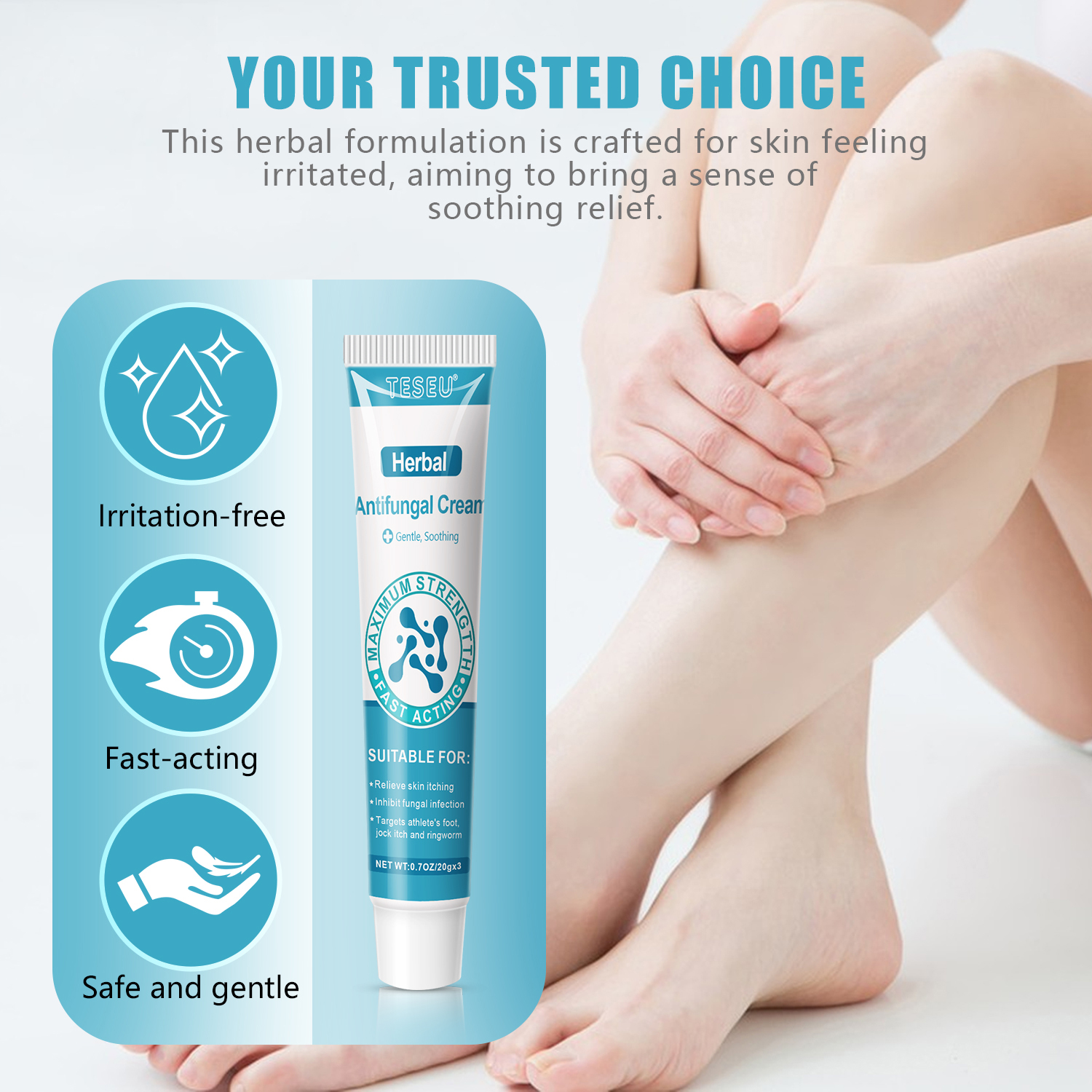
For tackling the fungal infection head-on, over-the-counter (OTC) antifungal products are the first line of defense. They are effective and readily available. Look for products containing specific active ingredients known for their efficacy against the fungi that cause athlete’s foot.
The most common and effective active ingredients include:
- Terbinafine (Lamisil AT): Often considered the fastest-acting OTC option, it can resolve symptoms in as little as one week for some infections. It is a fungicidal, meaning it actively kills the fungus.
- Clotrimazole (Lotrimin AF): A broad-spectrum antifungal that works by stopping fungal growth. It is a fungistatic and typically requires treatment for up to four weeks.
- Miconazole (Desenex, Lotrimin AF Spray): Similar to clotrimazole, it is effective at halting fungal proliferation and is available in creams, sprays, and powders.
For the fastest relief, choose a product specifically designed to combat the itch while treating the fungus. Sprays and powders are particularly useful for keeping the feet dry, which is a critical part of treatment.
Are There Natural Remedies for Soothing Athlete’s Foot Itch?
Many individuals seek natural or home-based remedies to supplement medical treatments or for milder cases. While these are not substitutes for proven antifungal medications, especially for severe infections, they can offer significant soothing benefits and may possess antifungal properties.
Tea Tree Oil Applications
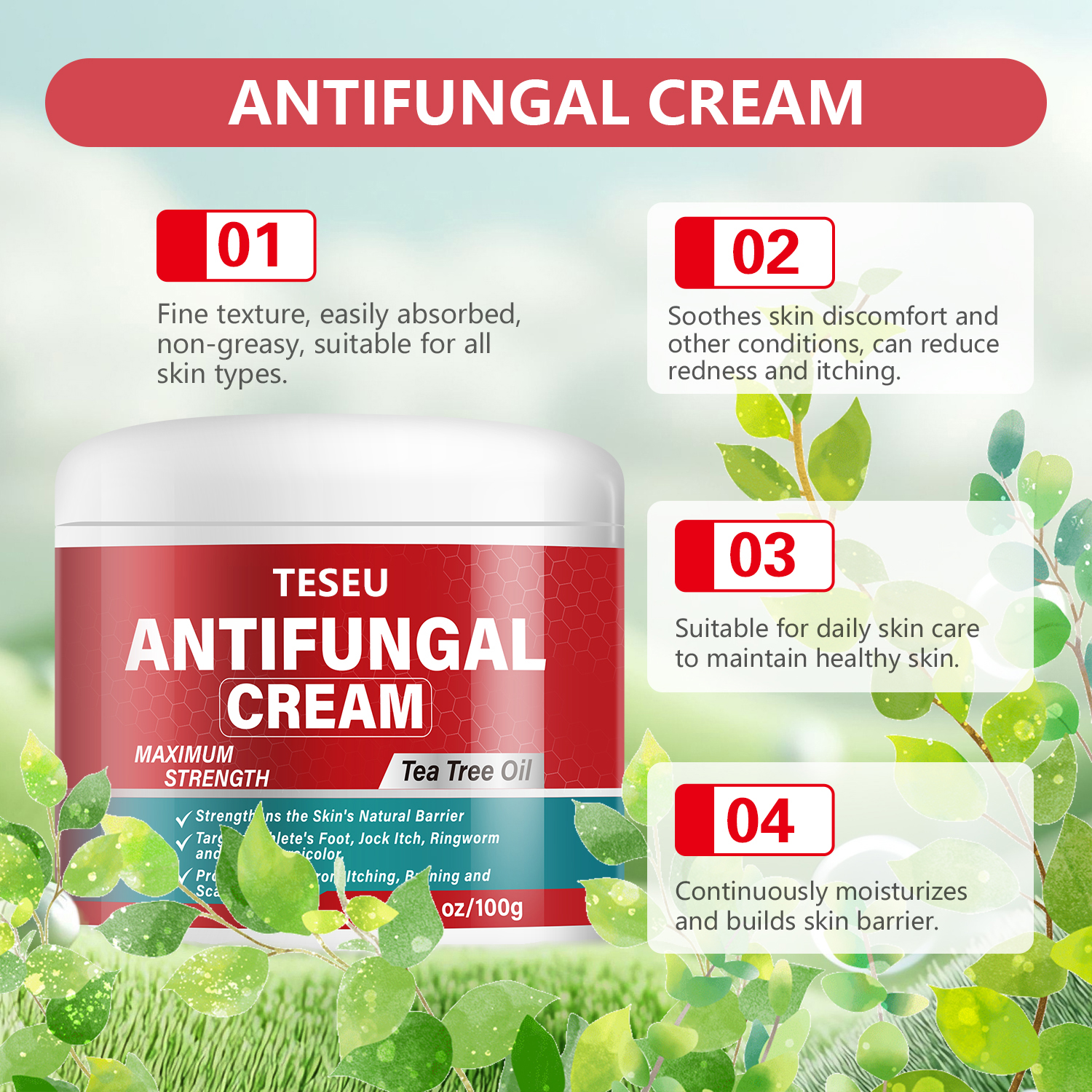
Tea tree oil is a well-known essential oil with natural antifungal and anti-inflammatory properties. To use it, dilute a few drops of 100% tea tree oil with a carrier oil like coconut or olive oil (a 25-50% concentration is often recommended). Apply the mixture to the affected skin twice a day. Its active compound, terpinen-4-ol, can help kill the fungus and reduce the accompanying itch and inflammation. Perform a patch test on a small area of skin first, as some people may experience irritation from undiluted tea tree oil.
The Efficacy of Vinegar Soaks
Soaking your feet in a vinegar solution can create an acidic environment that is inhospitable to fungus. Use one part white or apple cider vinegar to two parts cool water. Soak your feet for 15-20 minutes daily. The cool water provides immediate itch relief, while the acetic acid in the vinegar helps to dry out blisters and slow fungal growth. Ensure you thoroughly dry your feet after the soak, especially between the toes.
Using a Baking Soda Paste
Baking soda (sodium bicarbonate) can help relieve itching and may have mild antifungal effects. Create a paste by mixing baking soda with a small amount of water and apply it directly to the itchy areas. Let it sit for 10-15 minutes before rinsing with cool water and drying your feet completely. This can help absorb excess moisture and soothe inflamed skin.
When Should I See a Doctor for Prescription Medication?
While most cases of athlete’s foot respond well to OTC treatments, certain situations warrant a visit to a healthcare professional. If the severe itching, redness, and scaling do not improve after two weeks of consistent OTC treatment, it’s time to seek medical advice. You should also see a doctor if the infection spreads, if you develop significant blisters or open sores, or if you notice signs of a secondary bacterial infection like pus, increased pain, or red streaks extending from the affected area.
A doctor can confirm the diagnosis and may prescribe more potent treatments. These can include:
- Prescription-strength topical antifungals: Medications like econazole or ciclopirox are stronger than their OTC counterparts.
- Oral antifungal pills: For severe or stubborn infections, a doctor might prescribe pills such as terbinafine or itraconazole. These work systemically to eliminate the fungus from the inside out.
- Topical steroids: In cases of extreme inflammation and itching, a low-dose steroid cream might be prescribed for a short period to calm the skin, used in conjunction with an antifungal.
Individuals with diabetes or a compromised immune system should consult a doctor at the first sign of athlete’s foot, as they are at higher risk for complications.
How to Prevent Itching from Recurring
Once you have successfully treated the infection and relieved the itch, the focus must shift to prevention. Athlete’s foot has a high rate of recurrence because the fungus can survive in shoes, on floors, and in moist environments. Preventing its return is key to long-term comfort.
A crucial step is consistent foot hygiene. Wash and dry your feet thoroughly every day. Use an antifungal powder or spray daily, even after symptoms disappear, to keep your feet dry and create an environment hostile to fungal growth. Rotate your shoes to allow them at least 24 hours to dry out completely between wearings. It can be beneficial to treat your shoes with an antifungal spray or UV shoe sanitizer to kill any lingering fungal spores. By adopting these habits, you dramatically reduce the chances of the fungus taking hold again.
What Are the Best Hygiene Practices to Manage Symptoms?
Proper hygiene is not just for prevention; it’s a vital part of managing an active infection and soothing symptoms. The goal is to keep the affected area clean, dry, and free from irritation.
- Wash Daily: Gently wash your feet every day with soap and water.
- Dry Thoroughly: This is the most critical step. Pay special attention to drying the spaces between your toes. Use a separate, clean towel for your feet to avoid spreading the fungus to other parts of your body. Some people find using a hairdryer on a cool setting is effective for this.
- Change Socks Often: If your feet sweat, change your socks once or twice during the day. This removes the moisture that fungus needs to thrive.
- Avoid Scratching: As difficult as it may be, do not scratch the itchy areas. Scratching can tear the skin, creating entry points for bacteria and potentially spreading the fungal infection to other areas, including your hands.
Does My Choice of Footwear Affect Athlete’s Foot?
Your footwear plays a massive role in both the development and treatment of athlete’s foot. The wrong shoes and socks can create the perfect breeding ground for fungus, while the right choices can significantly aid in your recovery and prevent recurrence. The primary goal is to promote air circulation and minimize moisture.
When it comes to socks, choose materials that wick moisture away from the skin. Synthetic blends made of acrylic or polypropylene are often better than 100% cotton, which tends to hold moisture against the skin. For shoes, opt for those made of breathable materials like leather or mesh. Avoid tight-fitting shoes made of rubber or vinyl that trap heat and sweat. When at home, go barefoot as much as possible to allow your feet to air out. In public areas like gym showers or pool decks, always wear waterproof sandals or flip-flops to protect your feet from picking up the fungus.