To manage mild tingling during wart removal, the most effective immediate steps include applying a cold compress to the area for 10-15 minutes, ensuring the skin is kept clean and dry, and using a protective bandage to prevent friction. For persistent discomfort, over-the-counter pain relievers like ibuprofen can be beneficial. These actions help soothe the nerve endings and reduce inflammation, providing quick relief as the treatment works.
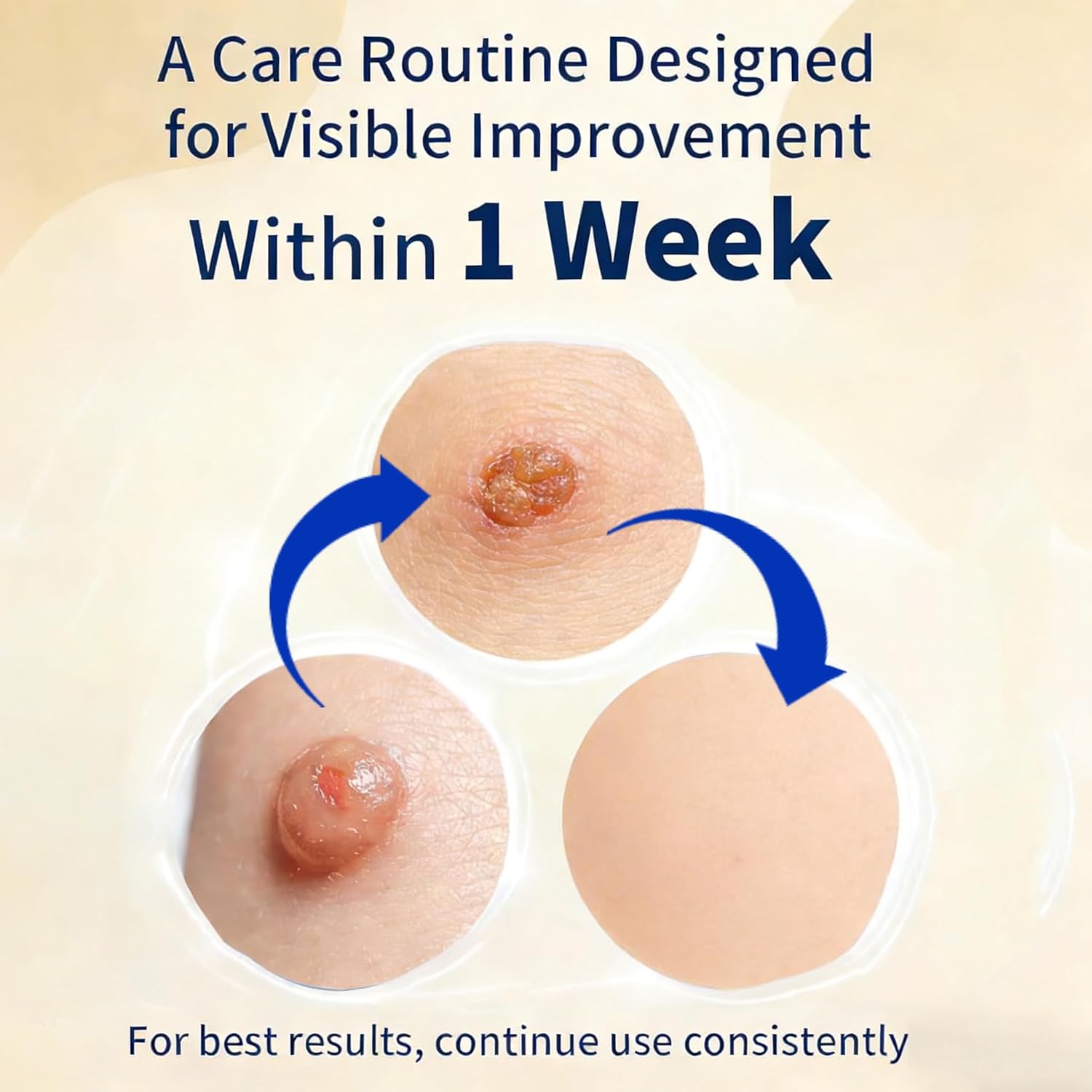
Table of Contents
Why Does Tingling Occur During Wart Removal?
Experiencing a mild tingling, stinging, or burning sensation is a common and often expected part of the wart removal process. Warts are caused by the human papillomavirus (HPV), which infects the top layer of skin, causing rapid cell growth. Wart removal treatments are designed to destroy these infected cells. The tingling you feel is a direct result of this action—it’s a signal that the treatment is actively targeting the wart tissue.
Whether using cryotherapy (freezing), salicylic acid, or a modern plant-based formula, the goal is to create a controlled inflammatory response. This response irritates the nerve endings in and around the wart, leading to the characteristic tingling or stinging. In most cases, this sensation is a positive indicator that the active ingredients are penetrating the hardened skin and working to eliminate the virus-infected cells. Understanding this helps set realistic expectations for a gentle and effective wart removal experience.
The Body’s Natural Response to Treatment
Your body’s immune system plays a crucial role. When a treatment agent is applied, it essentially “injures” the wart tissue. This triggers an immune response where the body sends white blood cells and other healing agents to the site. This process of inflammation involves increased blood flow and nerve activity, which manifests as warmth, redness, and the tingling sensation you notice. It is your body’s way of beginning the healing cycle and fighting off the HPV infection that the treatment has exposed.
Differentiating Normal Sensation from a Problem
It is vital to distinguish between a normal, mild tingling and a more severe reaction. A normal sensation is typically temporary, lasting from a few minutes to a few hours after application. It should be manageable and gradually subside. In contrast, severe, throbbing pain, intense burning that doesn’t fade, or significant swelling could indicate an overly aggressive reaction or irritation of the healthy skin surrounding the wart. Pay close attention to the intensity and duration of the sensation to gauge whether it falls within the expected range.
If you experience discomfort right after applying a wart treatment, there are several simple and effective ways to find immediate relief. These methods are designed to calm the irritated skin and nerve endings without interfering with the treatment’s effectiveness. Acting quickly can make the entire process much more comfortable.
Applying a Cold Compress Correctly
One of the fastest ways to soothe a tingling or burning sensation is by using a cold compress. The cold temperature helps to numb the nerve endings and reduce inflammation. To do this correctly:
- Wrap a few ice cubes or an ice pack in a thin, clean cloth or paper towel.
- Never apply ice directly to the skin, as this can cause an ice burn or further damage.
- Gently press the covered compress against the treated area for 10 to 15 minutes.
- You can repeat this process every hour as needed until the sensation subsides.
The Role of Gentle Cleansing
After the recommended treatment time has passed (as per product instructions), you can gently cleanse the area. Use cool or lukewarm water and a mild, fragrance-free soap. Avoid hot water, as it can increase blood flow and intensify the tingling. Pat the area dry with a clean towel—do not rub, as friction can cause further irritation. Proper cleansing helps remove any excess product that might be irritating the surrounding healthy skin.
What Can You Do for Post-Treatment Comfort?
Managing comfort doesn’t stop once the initial tingling fades. Proper aftercare is essential for a smooth healing process and helps prevent further irritation as the wart begins to shrink and fall away. These steps protect the sensitive new skin underneath.
Protecting the Area with a Bandage or Ointment
After the area is clean and dry, protecting it is key. Applying a thin layer of petroleum jelly or a simple moisturizing ointment can create a protective barrier. This barrier locks in moisture and shields the sensitive skin from friction and bacteria. Cover the area with a sterile bandage or a small, adhesive dot. This not only protects the skin but also prevents you from inadvertently picking at the treated wart, which can lead to scarring or infection.
Over-the-Counter Pain Relief Options
If the tingling or mild pain persists and becomes bothersome, over-the-counter (OTC) pain relievers can be very effective. Non-steroidal anti-inflammatory drugs (NSAIDs) such as ibuprofen (Advil, Motrin) are often recommended because they reduce both pain and inflammation. Acetaminophen (Tylenol) can also help with pain, although it doesn’t have the same anti-inflammatory properties. Always follow the dosage instructions on the package and ensure you have no medical conditions that would prevent you from taking these medications.
How Do Different Wart Removal Methods Affect Sensation?
The intensity and type of sensation you experience largely depend on the wart removal method you choose. Each approach targets the wart differently, resulting in varying levels of discomfort. Understanding these differences can help you select the best option for your pain tolerance and lifestyle.
| Treatment Method |
Typical Sensation |
Duration |
Primary Cause of Sensation |
| Cryotherapy (Freezing) |
Intense stinging or burning |
During and for a few hours after |
Ice crystal formation destroying skin cells |
| Salicylic Acid |
Mild, persistent tingling or slight burn |
Can occur with each application |
Chemical exfoliation breaking down skin layers |
| Laser Treatment |
Sharp, hot sensation during procedure |
During the procedure, with post-treatment soreness |
Intense light energy cauterizing blood vessels |
| Plant-Based Formulas (e.g., TESEU) |
Very mild tingling, if any |
Briefly after application |
Targeted action of natural extracts on wart tissue |
Choosing a Gentler Approach to Minimize Discomfort
For many, the fear of pain and discomfort is a major barrier to treating warts. Traditional methods can be harsh, especially for those with sensitive skin or for use on children. Fortunately, advancements in dermatological science have led to the development of gentler, yet highly effective, alternatives that prioritize comfort without sacrificing results.
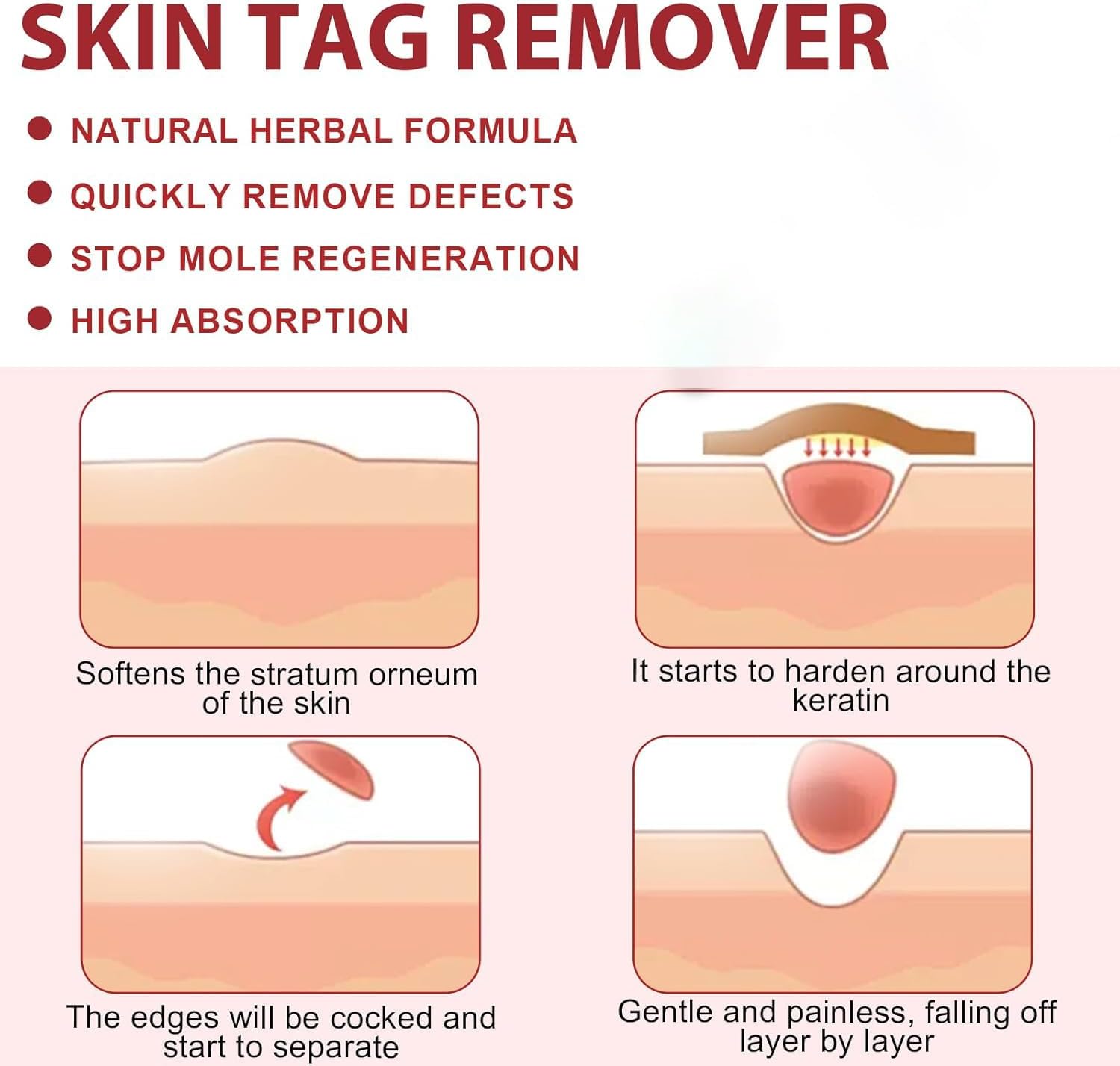
Formulations derived from natural plant extracts are becoming increasingly popular for their targeted action and reduced side effects. Unlike harsh chemicals or freezing agents that can cause significant collateral damage to healthy skin, plant-based solutions are often designed to work more selectively. They penetrate the wart tissue and stimulate a natural immune response with minimal irritation, making the process of wart removal much more manageable.
How TESEU Offers a Milder Experience
The TESEU Wart Removal Pen exemplifies this modern, gentle approach. Its proprietary formula is built on potent plant-based ingredients specifically chosen for their efficacy and safety. The pen’s precision applicator allows you to apply the solution directly onto the wart, avoiding contact with the surrounding healthy skin. This targeted application is a key reason users report little to no tingling or burning. It offers a powerful solution that respects your skin, making it an ideal choice for anyone seeking an effective and comfortable at-home treatment.
What Are the Signs That Require Medical Attention?
While mild tingling is normal, certain symptoms are not and warrant a consultation with a healthcare professional or dermatologist. Being able to identify these warning signs is crucial for your health and safety. Do not hesitate to seek medical advice if you are concerned.
Identifying Infection vs. Irritation
It’s important to know the difference between standard irritation and a developing infection. Irritation involves redness and tingling that is localized to the treatment area and improves over time. The signs of a potential infection are more severe and may include:
- Pus or yellowish discharge from the area.
- Red streaks spreading from the wart.
- Increasing pain, swelling, or warmth that worsens instead of improving.
- Fever or feeling generally unwell.
If you notice any of these signs, stop the treatment and contact your doctor immediately.
When to Consult a Dermatologist
You should consult a dermatologist before beginning any treatment if the growth is on a sensitive area like your face or genitals, if you have multiple warts, or if you are unsure if the growth is actually a wart. Additionally, seek a professional opinion if you have an underlying medical condition like diabetes or a compromised immune system, as these can affect healing. If an at-home treatment causes extreme pain or shows no improvement after several weeks, a dermatologist can offer alternative, more powerful treatments.
Preventative Measures for a Smoother Process
Taking a few proactive steps before and during treatment can significantly reduce the likelihood of uncomfortable sensations and lead to a better outcome. Preparation is just as important as the treatment itself.
The Importance of Following Product Instructions
Every wart removal product is formulated differently. Carefully reading and following the instructions is the single most important step you can take. The instructions will specify how much product to use, how often to apply it, and how long to leave it on. Overusing a product or applying it too frequently is a common cause of excessive burning and irritation. Adhering to the guidelines ensures the product works as intended with minimal side effects.
Patch Testing for Sensitive Skin
If you have a history of sensitive skin or allergies, performing a patch test is a wise precaution. Apply a small amount of the wart removal product to a discreet area of healthy skin, like the inside of your wrist or arm. Wait for 24 hours and monitor the area for signs of an adverse reaction, such as a rash, hives, or intense itching. If no reaction occurs, you can proceed with applying the product to the wart with greater confidence.
Frequently Asked Questions about Wart Removal Sensations
How long does the tingling from wart removal typically last?
For most treatments, mild tingling is temporary. With acid-based products, it may last for a few minutes to an hour after each application. After cryotherapy, a burning sensation can last for several hours. With gentle, plant-based formulas like TESEU, any sensation is typically very brief, lasting only a few minutes, if it occurs at all.
Is it okay to use numbing cream before applying a wart treatment?
Using an over-the-counter lidocaine (numbing) cream is generally not recommended without consulting a doctor first. The cream can sometimes interfere with the absorption and effectiveness of the wart treatment. Furthermore, by numbing the area, you may not be able to feel if a reaction is becoming too intense, potentially leading to a burn or skin damage.
What does it mean if I don’t feel any tingling at all?
Not feeling any sensation does not necessarily mean the treatment isn’t working. Highly targeted and gentle formulations, especially those applied with precision, may effectively destroy the wart tissue with minimal or no collateral nerve irritation. As long as you observe the wart changing over time (e.g., shrinking, darkening, or developing a small black dot in the center), the treatment is likely effective.