You should stop applying wart remover when the wart turns black, shrinks, or falls off, and the normal, parallel lines of your skin have reappeared in the treated area. Continuing to apply the product to healthy, new skin can lead to unnecessary irritation, pain, and potential scarring. Monitoring these visual cues is essential for a successful and safe treatment outcome.
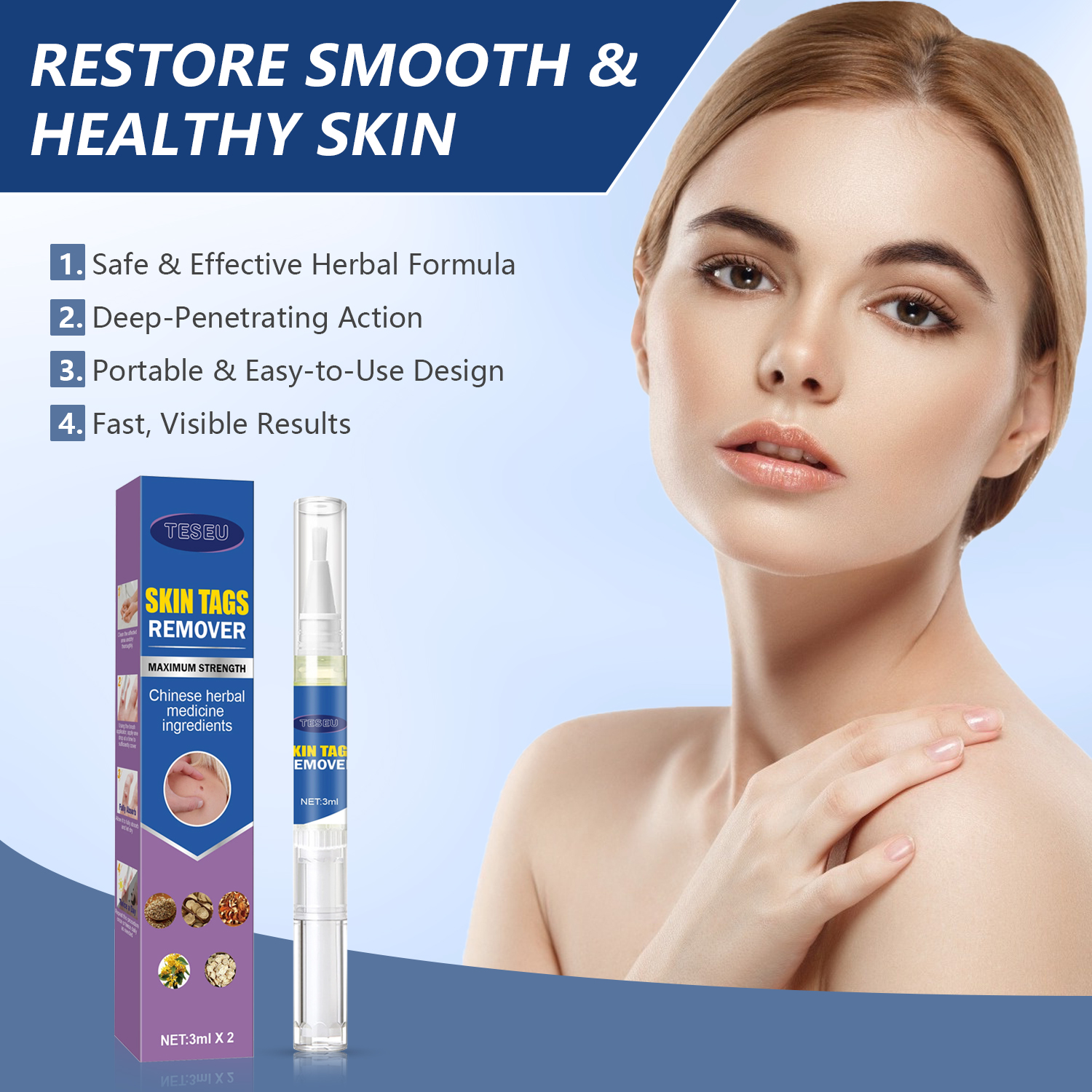
Table of Contents
Understanding How Wart Removers Work
Warts are benign skin growths caused by the human papillomavirus (HPV). Over-the-counter treatments aim to destroy the skin cells that make up the wart, prompting your immune system to clear the virus. The method of destruction varies by product, which influences the signs you’ll see as it works.
Chemical Peels (Salicylic Acid)
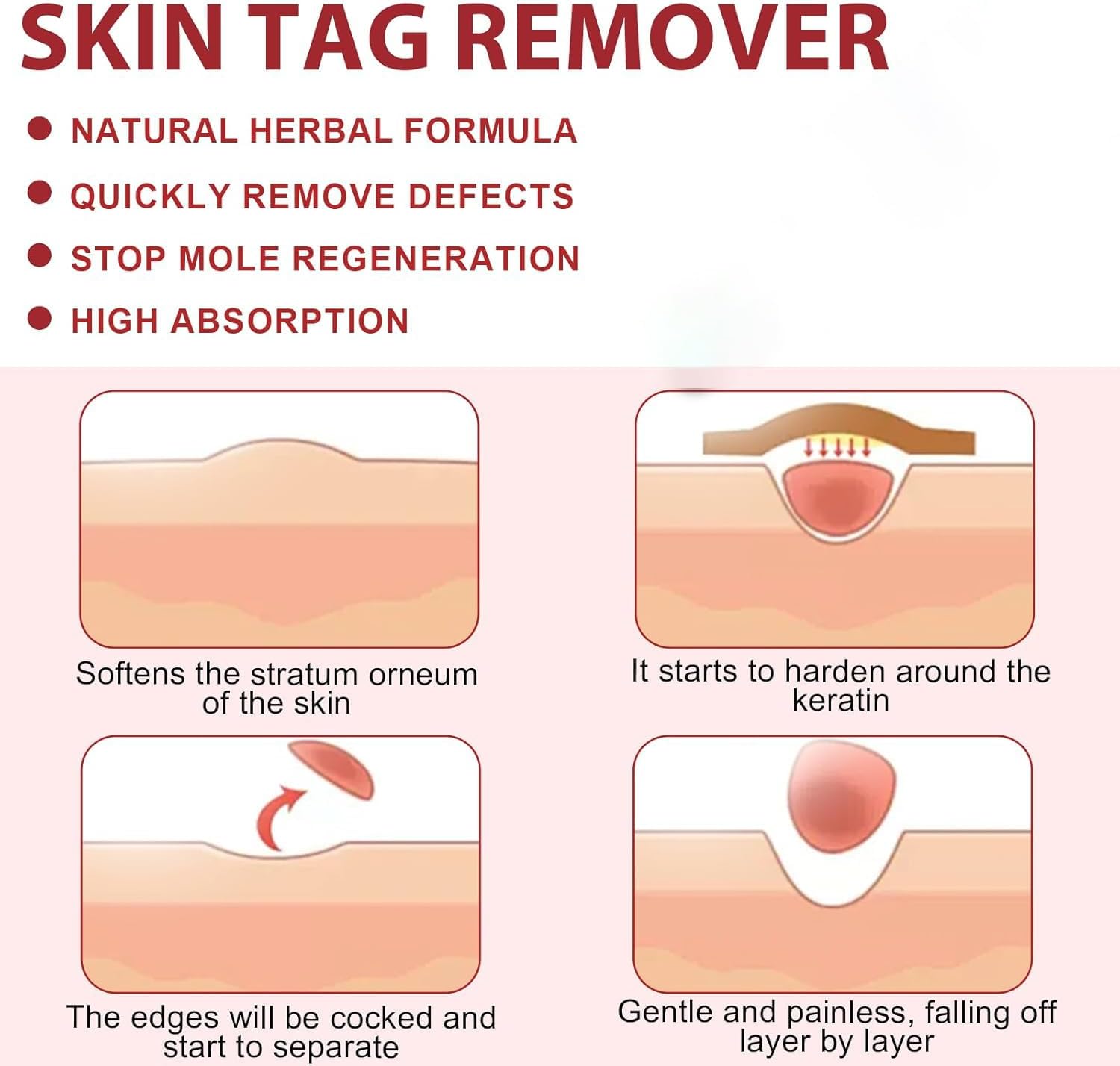
Salicylic acid is the most common active ingredient in topical wart removers. It works as a keratolytic agent, meaning it softens and dissolves keratin, the protein that makes up the bulk of the wart and the thick layer of dead skin on top. With consistent application, the acid gently peels away the layers of the wart. This process gradually reduces the size of the growth until it is completely gone. You will typically see the surface of the wart turn white and soften after each application, allowing you to gently file it down.
Cryotherapy (Freezing)
Cryotherapy treatments, whether at home or in a doctor’s office, use extreme cold (like liquid nitrogen) to freeze and kill the wart tissue. This process creates a blister under and around the wart. As the skin heals, the blister dries up, and the dead wart tissue falls off with the overlying skin. This can happen within one to two weeks. The key indicator here is the formation of the blister and the subsequent scabbing and peeling.
Natural or Plant-Based Formulations
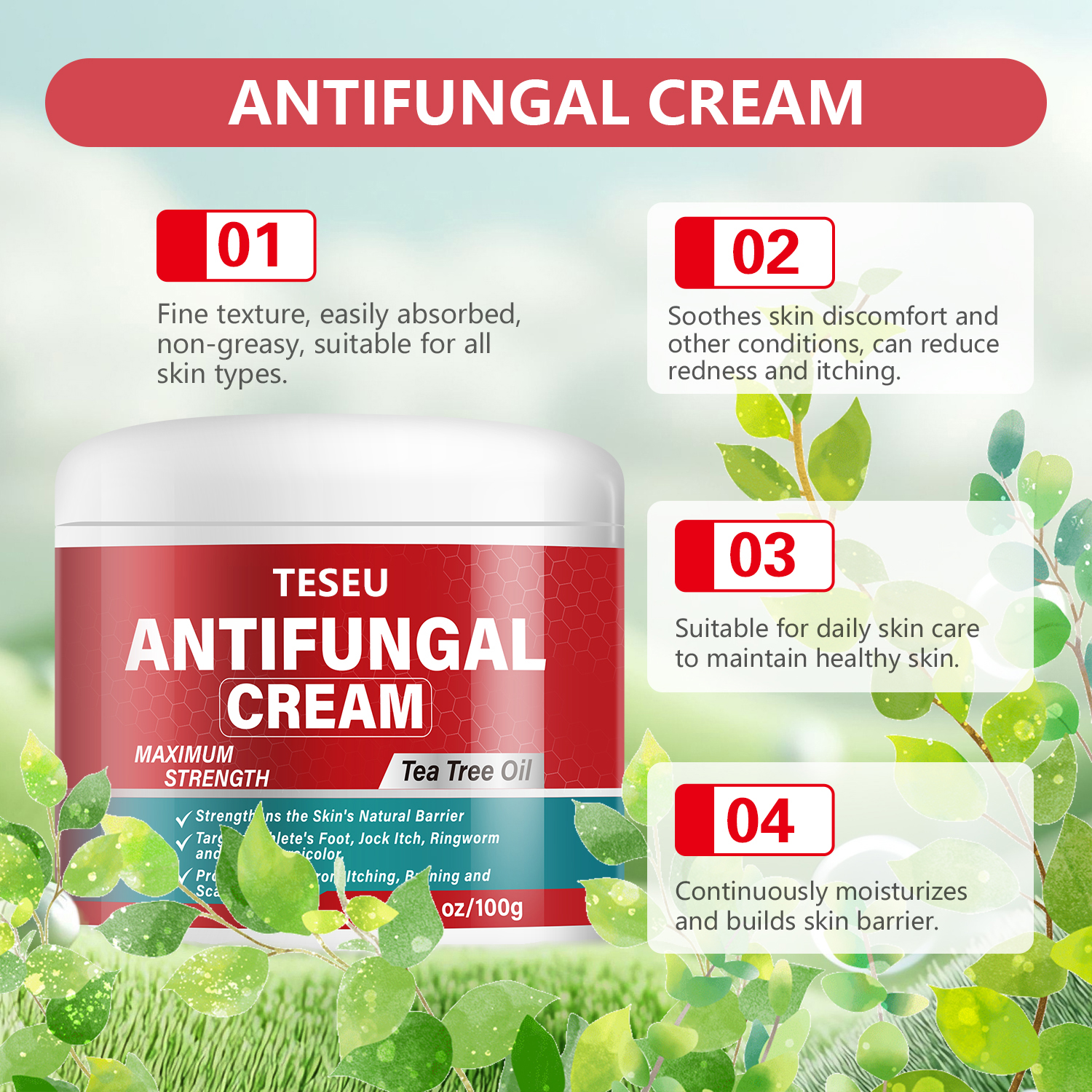
Many individuals seek gentler, plant-based solutions to avoid the harshness of acids or freezing. Products like Teseu are formulated to target wart tissue with minimal irritation to the surrounding healthy skin by leveraging natural ingredients. These formulations work by breaking down the viral cells within the growth. The signs of effectiveness are often more gradual, with the wart slowly shrinking, darkening, and peeling away without causing significant blistering or inflammation. This approach prioritizes skin health while effectively eliminating the wart.
What Are the Primary Signs It’s Time to Stop Treatment?
Knowing exactly when to stop wart remover application is critical to avoid damaging healthy tissue. Your body provides several clear signals that the HPV-infected cells have been eliminated and healthy skin is regenerating.
The Wart Changes Color (Black or White)
One of the most telling signs that the wart treatment is working is a change in its color. The wart may develop small black specks, which are clotted blood vessels (capillaries) that were feeding the growth. As the wart dies, these specks become more prominent, and the entire wart may turn dark brown or black. This indicates that its blood supply has been cut off and the tissue is necrotic (dead). Conversely, with acid treatments, the surface may appear starkly white after application, which is a sign the acid is breaking down the tissue.
The Wart Shrinks or Flattens
A successful treatment will cause the wart to decrease in size. As the layers of infected skin are sloughed away or the core tissue dies, the raised bump will begin to flatten and its diameter will shrink. You should notice a visible reduction in its mass. If you are using salicylic acid, you might gently file the dead surface layers between treatments, which accelerates this shrinking process. Once the wart is flush with the surrounding skin and no longer feels like a hard lump, it’s a strong indicator that the treatment is nearing its end.
Natural Skin Lines Have Returned
This is perhaps the most definitive sign that a wart is gone. Healthy skin has a pattern of fine, parallel lines often described as “skin striations” or “fingerprints.” A wart disrupts this pattern, pushing the lines apart. Carefully inspect the area with a magnifying glass if needed. When you can see these delicate skin lines running uninterrupted across the surface where the wart used to be, it confirms that normal, healthy skin has regenerated. If the lines still deviate around a central point, some wart tissue may remain.
The Wart Falls Off On Its Own
In many cases, the dead wart tissue will simply detach and fall off. This is common with both cryotherapy and acid treatments. After a period of shrinking and darkening, the wart may come off while you are bathing, drying the area, or with the removal of a bandage. It may leave behind a small, pink, and tender crater. This is a clear signal to cease treatment immediately, as your goal is now to protect the new, healing skin underneath.
What Does the Skin Look Like When the Wart Is Successfully Removed?
Once the wart is gone, the underlying skin begins its final healing phase. The appearance of this new skin is an important indicator of whether the treatment was fully successful.
Healthy Pink Skin Appears
After the dead wart tissue has sloughed off, you should see fresh, pink skin. This new skin is delicate and may be slightly tender to the touch. The pink color indicates good blood flow and active healing. Over the next few weeks, this pinkness will gradually fade as the skin matures and returns to your normal skin tone. The absence of any rough, cauliflower-like texture or black dots is a positive sign.
A Small Indentation or Crater
It is very common for the treated area to have a small divot or indentation where the wart’s “roots” once were. This happens because the treatment destroys the entire structure of the wart, which extends down into the deeper layers of the skin. This crater is temporary. As your body produces new collagen and skin cells, it will fill in over time, usually becoming smooth and level with the surrounding skin within a few weeks or months.
Are There Signs of Complications to Watch For?
While treating a wart, you must also be vigilant for signs that something is wrong. These symptoms indicate you should stop treatment and potentially seek medical advice.
| Sign of a Problem |
What It Looks Like |
What to Do |
| Excessive Pain or Burning |
Sharp, stinging, or throbbing pain that persists long after application. |
Stop treatment. The product may be too strong or applied to healthy skin. |
| Signs of Infection |
Increasing redness, swelling, warmth, yellow/green pus, or red streaks. |
Stop treatment immediately and contact a healthcare professional. |
| Bleeding That Doesn’t Stop |
More than a few specks of blood; active bleeding that requires pressure. |
Stop debriding or filing the wart. Apply pressure and consult a doctor if it persists. |
Excessive Pain or Burning
A mild stinging or tingling sensation upon application is normal for many wart removers. However, if you experience intense, lasting pain or a severe burning feeling, it is a red flag. This often means the remover has penetrated too deeply or has spread onto the healthy surrounding skin, causing a chemical burn. You should immediately wash the product off with soap and water and allow the skin to heal before considering a different approach.
Signs of Infection (Pus, Redness, Swelling)
Wart treatment creates an open wound, making it susceptible to bacterial infection. Watch for signs like increasing redness that spreads away from the treatment site, significant swelling, warmth to the touch, or the presence of pus. A foul odor or fever can also accompany an infection. If you notice any of these symptoms, cease all home treatment and consult a doctor, as you may need antibiotics.
Bleeding That Doesn’t Stop
The tiny black dots in a wart are clotted capillaries. If you are too aggressive with filing or debriding the wart, you can cause these capillaries to bleed. While a tiny pinprick of blood is not unusual, any bleeding that is difficult to control with gentle pressure is a sign to stop. Excessive bleeding increases the risk of infection and can also cause the HPV virus to spread to other areas of your skin.
Post-Treatment Care: What Should You Do After Stopping the Remover?
Once the wart is gone, proper aftercare is crucial for preventing infection, minimizing scarring, and reducing the chance of recurrence.
Keeping the Area Clean and Dry
Gently wash the area daily with mild soap and water. Pat it dry with a clean towel—do not rub, as the new skin is fragile. Keeping the site clean and dry helps prevent bacterial growth and promotes faster healing.
Protecting the New Skin
Cover the sensitive new skin with a simple adhesive bandage for a few days. This protects it from friction, dirt, and potential injury. It also helps keep the skin moist, which can aid in healing and reduce the likelihood of scarring. Avoid exposing the new skin to harsh chemicals or excessive sun until it has fully matured.
Monitoring for Recurrence
Keep a close eye on the treated area for several months. Warts can be stubborn, and if even a few viral cells remain, the wart can grow back. Look for any signs of roughness, small bumps, or a disruption in the skin lines. Early detection of a recurrence makes re-treatment much easier and more effective.
How Long Does It Typically Take for a Wart to Disappear?
The timeline for wart removal varies greatly depending on the type of wart, its location, its size, and the treatment method used. With consistent daily application of a salicylic acid product, a common wart may take anywhere from 2 to 12 weeks to fully resolve. Cryotherapy may remove a wart in one or two treatments over a few weeks. Gentler, natural-based treatments may also fall within this range but can vary based on the formulation’s potency and the individual’s immune response. Patience and consistency are key.
Why Might a Wart Not Be Responding to Treatment?
If you’ve been treating a wart for several weeks with no visible improvement (no shrinking, no color change), there could be several reasons. You might not be applying the treatment consistently enough, or you may not be properly removing the dead surface skin between applications, which prevents the medicine from reaching the living wart tissue. In other cases, the wart may be particularly large, old, or resistant. Some warts, especially plantar warts on the feet, develop a thick callus over them that blocks treatment. It’s also possible that the skin growth is not a wart at all and may be another type of lesion that requires a different medical approach.
When Is It Necessary to Consult a Healthcare Professional?
While many warts can be treated at home, certain situations warrant a visit to a doctor or dermatologist. You should seek professional medical advice if:
- You are unsure if the growth is a wart.
- The wart is on a sensitive area like your face, genitals, or mucous membranes.
- You have diabetes or a compromised immune system, as this increases your risk of infection and poor healing.
- The wart is very large, painful, or bleeding.
- You have multiple or rapidly spreading warts.
- Home treatments have failed after several weeks of consistent use.
A doctor can confirm the diagnosis and offer more powerful treatment options, such as prescription-strength medications, in-office cryotherapy, laser therapy, or minor surgical removal.