




A liquid fungal nail treatment penetrates the nail bed effectively by employing a sophisticated multi-pronged strategy. The success of these topical solutions hinges on their ability to overcome the nail plate’s natural defenses. This is achieved through a combination of keratolytic agents that soften the dense keratin, specialized penetration enhancers that create microscopic pathways, and a low-viscosity fluid base that allows the active antifungal ingredients to seep into cracks, crevices, and underneath the nail to reach the fungus at its source.
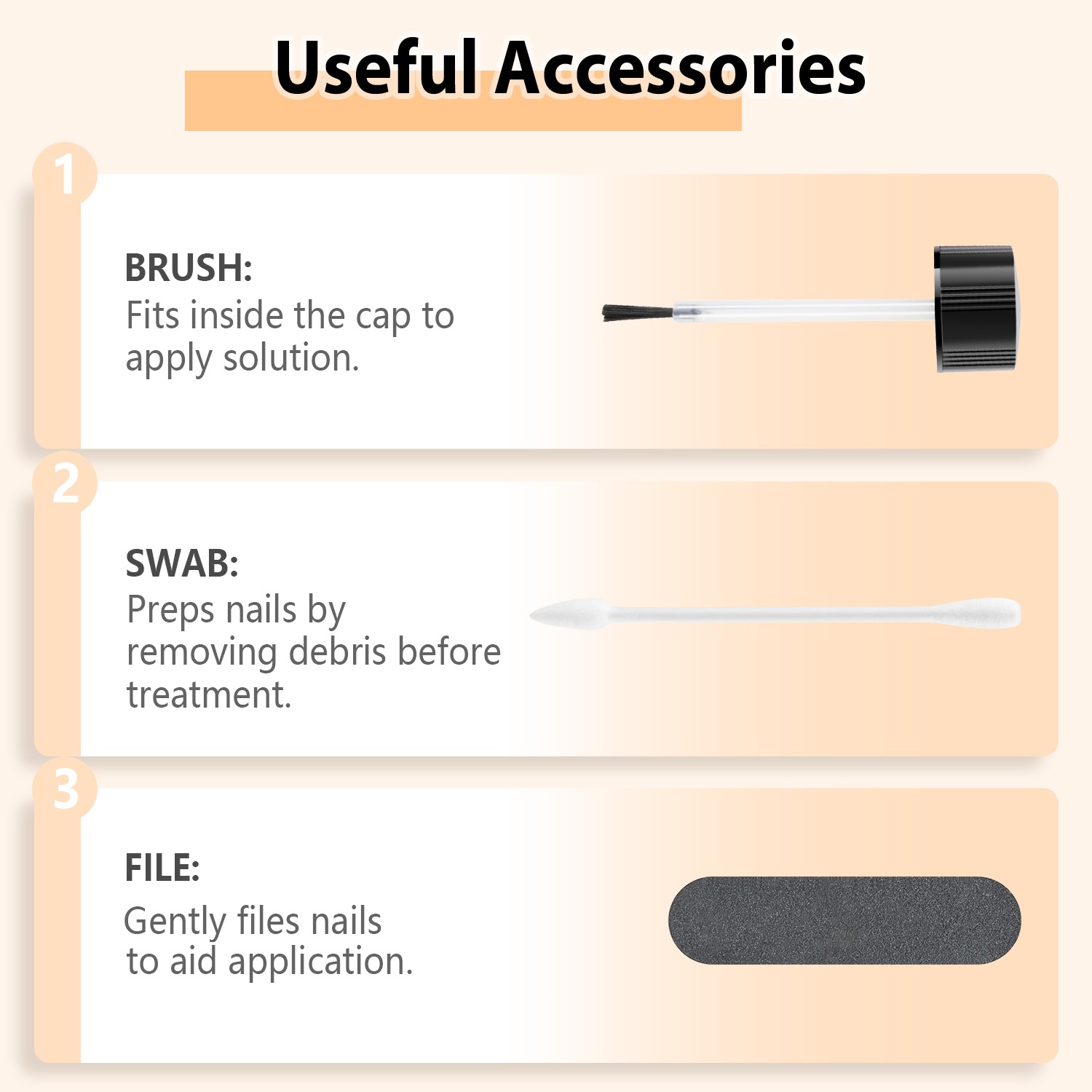
Table of Contents
- Why Is the Nail Plate Such a Formidable Barrier?
- What Is Transungual Delivery in Fungal Treatments?
- Which Key Ingredients Facilitate Effective Nail Penetration?
- How Does a Liquid Formulation Enhance Absorption?
- What Is the Correct Application Method to Maximize Penetration?
- What Factors Can Inhibit Treatment Effectiveness?
- How Long Does It Take to See Results?
- Why a Scientifically Formulated Treatment Matters
Why Is the Nail Plate Such a Formidable Barrier?
Understanding how a treatment works requires first appreciating the challenge it faces. The human nail plate, composed primarily of a dense protein called keratin, is an incredibly tough, non-porous structure. It consists of approximately 100 layers of dead, flattened cells bonded together, designed by nature to protect the sensitive nail bed beneath it. This protective function makes it inherently resistant to foreign substances, including medications.
The nail’s low water content and lipid-rich composition create a difficult environment for most water-based or oil-based substances to cross. Unlike skin, it lacks pores or follicles that can serve as entry points. Therefore, for any topical onychomycosis (nail fungus) treatment to be successful, it cannot simply sit on the surface; it must be specifically engineered to traverse this resilient shield and deliver its active ingredients to the underlying nail bed and matrix where the fungal infection thrives.
What Is Transungual Delivery in Fungal Treatments?
Transungual delivery is the scientific term for the process of transporting a substance through the nail plate to the nail bed. Effective liquid treatments are built around this principle. They don’t rely on a single ingredient but on a synergistic system that weakens the nail’s defenses just enough for the antifungal agents to pass through without causing damage. This process involves manipulating the nail’s chemical and physical properties.
The Critical Role of Hydration and pH
One of the primary methods to increase nail permeability is through hydration. A well-hydrated nail plate is softer and more porous than a dry one. Many advanced liquid formulations contain humectants, which are ingredients that draw in and retain moisture. By increasing the water content within the keratin layers, these agents make the nail structure more pliable and receptive to the treatment.
Furthermore, altering the nail’s surface pH can disrupt the intricate bonds holding keratin fibers together. The nail is naturally slightly acidic. Ingredients like lactic acid or acetic acid can create a localized acidic environment that gently breaks down the cross-linked keratin structure. This chemical softening action opens up microscopic channels, paving the way for the active antifungal components to journey deeper into the nail.
How Solvents and Enhancers Create Pathways
Penetration enhancers are crucial molecules that temporarily and reversibly disrupt the nail’s barrier. They work by fluidizing the lipid bilayers within the nail structure, essentially making the dense plate more “liquid-like” and permeable. Common and effective enhancers include urea and propylene glycol.
Urea is particularly effective as it serves a dual purpose: it is a powerful keratolytic agent that breaks down keratin, and it is also a humectant that hydrates the nail. Solvents like ethanol or isopropyl alcohol not only help to keep the active ingredients dissolved in the formula but also degrease the nail surface and can help carry other molecules with them as they evaporate and are absorbed.
Which Key Ingredients Facilitate Effective Nail Penetration?
The efficacy of a liquid fungal nail treatment is determined by its complete formulation, not just the primary antifungal agent. A combination of active antifungals and inactive excipients works in concert to achieve penetration and eradicate the fungus. Below is a table of common ingredient types and their functions.
| Ingredient Type | Examples | Primary Function in Penetration |
|---|---|---|
| Keratolytic Agents | Urea, Lactic Acid, Salicylic Acid | Softens and chemically breaks down the hard keratin protein, reducing nail density. |
| Humectants/Hydrators | Glycerin, Propylene Glycol | Increases the water content of the nail plate, making it more pliable and permeable. |
| Solvents | Ethanol, Isopropyl Myristate | Dissolves ingredients and helps carry them across the nail barrier. |
| pH Adjusters | Lactic Acid, Acetic Acid | Creates an optimal pH environment to weaken keratin bonds and inhibit fungal growth. |
While the ingredients listed above prepare the way, the active antifungal agent performs the main task. Ingredients such as undecylenic acid (derived from castor oil) or tolnaftate disrupt the fungal cell membrane, stopping its growth and replication. A well-designed formula ensures that these active agents are delivered in a stable, bioavailable form to the precise location where they are needed most.
How Does a Liquid Formulation Enhance Absorption?
The choice of a liquid base is a deliberate and strategic one. Compared to thicker creams or sticky lacquers, a liquid solution has a significantly lower viscosity and surface tension. This physical property is vital for comprehensive treatment. It allows the fluid to flow easily and spread across the entire nail surface, covering it completely.
Most importantly, this fluidity enables the treatment to seep into microscopic fissures in the nail, travel down the sides of the nail plate into the nail folds (paronychium), and penetrate the small space under the free edge of the nail (hyponychium). These areas are common reservoirs for fungus and are often missed by thicker preparations. A liquid can carry the active ingredients to these hidden infection sites, leading to a more thorough and effective treatment outcome.
What Is the Correct Application Method to Maximize Penetration?
Even the most advanced formula can be rendered less effective by improper application. Following a precise routine ensures that the treatment has the best possible chance to penetrate the nail and work effectively. The user’s role in the treatment process is just as important as the product’s formulation.
The Importance of Proper Nail Preparation
Preparation is the first and most critical step. Always start with clean, dry nails. Wash the affected foot or hand with soap and water and dry it thoroughly, paying special attention to the area between the toes and around the nails. Moisture can harbor fungus and dilute the treatment.
Next, gently file the surface of the infected nail. The goal is not to thin the nail drastically but to rough up the shiny, smooth top layer. This action removes some of the most resistant outer cells and creates a more textured surface, increasing the surface area for the liquid to adhere to and begin its absorption process. Use a clean nail file and be careful not to file so aggressively that you cause pain or damage the surrounding skin.
Application Techniques for Optimal Coverage
When applying the liquid, be thorough. Use the applicator brush to coat the entire visible surface of the nail. Do not just dab it in the center. Ensure the liquid flows into the grooves along the sides of the nail and is applied to the skin of the cuticle at the base of the nail.
A crucial technique is to apply the liquid under the front edge or tip of the nail. The hyponychium area beneath the nail tip is a direct gateway to the nail bed and a primary site of infection. Applying the solution here allows for more direct access to the fungus. Allow the treatment to air dry completely before putting on socks or shoes. Consistency is key; applying the treatment as directed, usually once or twice daily, without missing applications, is essential for success.
What Factors Can Inhibit Treatment Effectiveness?
Several factors can hinder the progress of a topical treatment. An extremely thick or dystrophic nail, often seen in long-standing infections, presents a much greater physical barrier that can be difficult for any topical agent to overcome. In such cases, professional debridement (thinning) by a podiatrist may be necessary.
Inconsistent application is a common reason for failure. The treatment needs to be present continuously to suppress fungal growth and penetrate deeper over time. Poor foot hygiene, such as wearing damp socks or non-breathable shoes, creates a warm, moist environment that encourages fungal growth and can counteract the effects of the treatment. Finally, using a poorly formulated product that lacks the necessary penetration-enhancing ingredients will yield disappointing results, as the active ingredient will never reach its target.
How Long Does It Take to See Results?
Managing expectations is vital when treating nail fungus. Because the treatment works by allowing a new, healthy nail to grow out and replace the infected one, results are not immediate. The active ingredients begin working right away to stop the spread of the fungus, but visible improvement is tied to the slow pace of nail growth.
Fingernails grow approximately 3-4 mm per month, while toenails grow more slowly at 1-2 mm per month. You may start to see a clear, healthy-looking nail emerging from the base (cuticle area) within a few months. A complete cure, meaning the full replacement of the old, infected nail with a healthy one, can take anywhere from 6 to 18 months, depending on the nail’s growth rate and the initial severity of the infection.
Why a Scientifically Formulated Treatment Matters
Not all liquid treatments are created equal. The effectiveness is born from a deep understanding of nail biology and pharmaceutical science. Creating a product that balances powerful keratolytic and penetration-enhancing agents with effective yet safe antifungal ingredients is a complex task. The concentration and combination of these ingredients must be precise to ensure efficacy without causing irritation to the surrounding skin.
Companies like Teseu dedicate significant research to developing synergistic formulas. An advanced liquid fungal nail treatment is more than just an antifungal; it is a complete delivery system. By choosing a product from a reputable source that prioritizes scientific validation, you are investing in a solution that is purposefully engineered to overcome the challenges of transungual delivery and provide the best possible chance of restoring clear, healthy nails.