
Wellness & Skincare Journal
TESEU Blog
Expert-led skincare tips, plant-based science, and holistic wellness rituals designed to help your skin thrive naturally.
You should start treating a suspected fungal nail infection as soon as you notice the first signs, such as a white or yellow spot under the tip of your nail, nail discoloration, thickening, or brittleness. Early intervention is crucial because it can prevent the infection from spreading to other nails, worsening in severity, and becoming more difficult and time-consuming to resolve. Prompt action often leads to faster, more effective results and helps avoid complications, particularly for individuals with underlying health
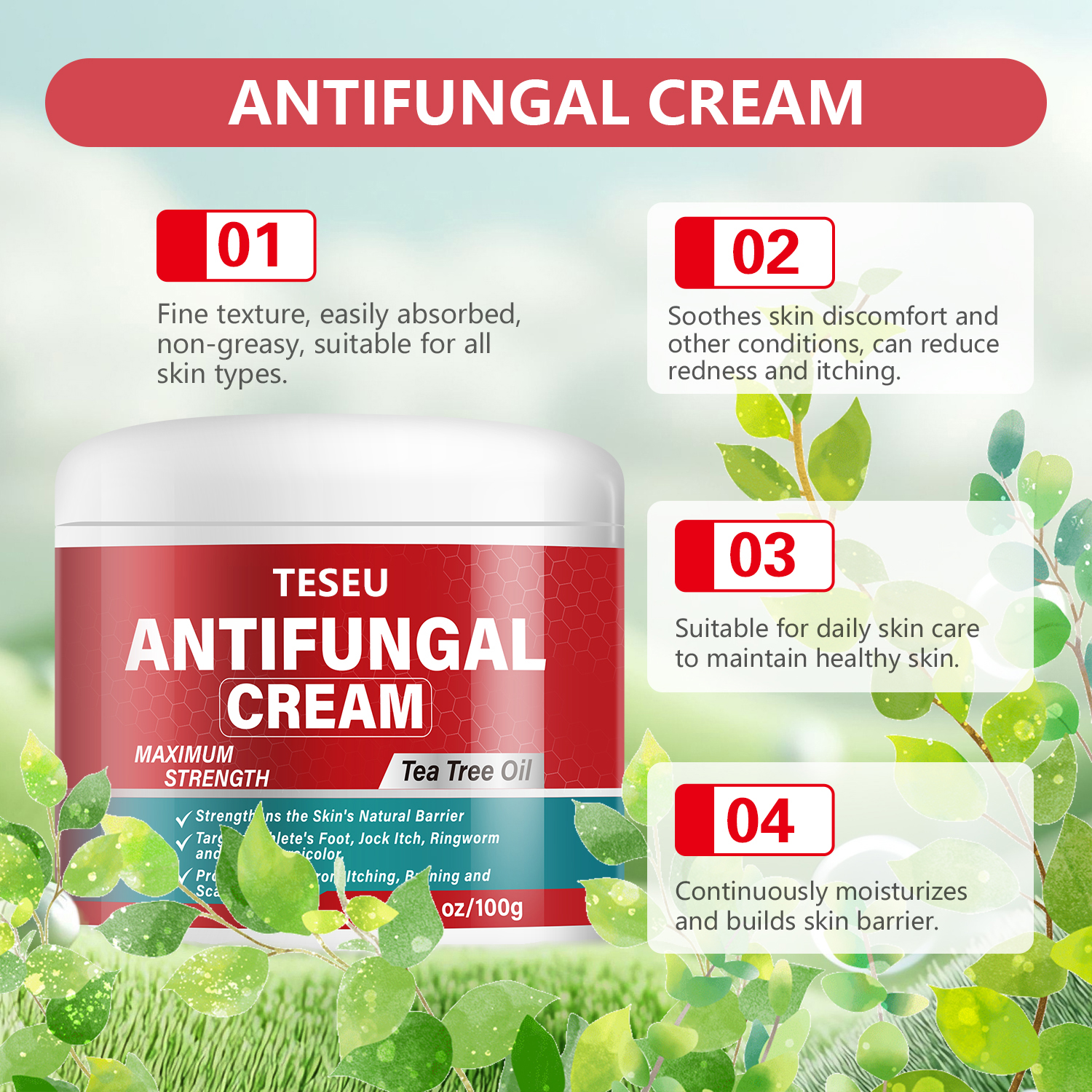
Tea tree oil’s potent effectiveness against skin fungal infections stems from its primary active compound, terpinen-4-ol. This powerful natural agent works by disrupting the cell membrane integrity of fungi, causing essential cellular components to leak out and leading to cell death. Its broad-spectrum antifungal properties make it a formidable natural remedy for a variety of common skin and nail ailments caused by dermatophytes and yeasts.
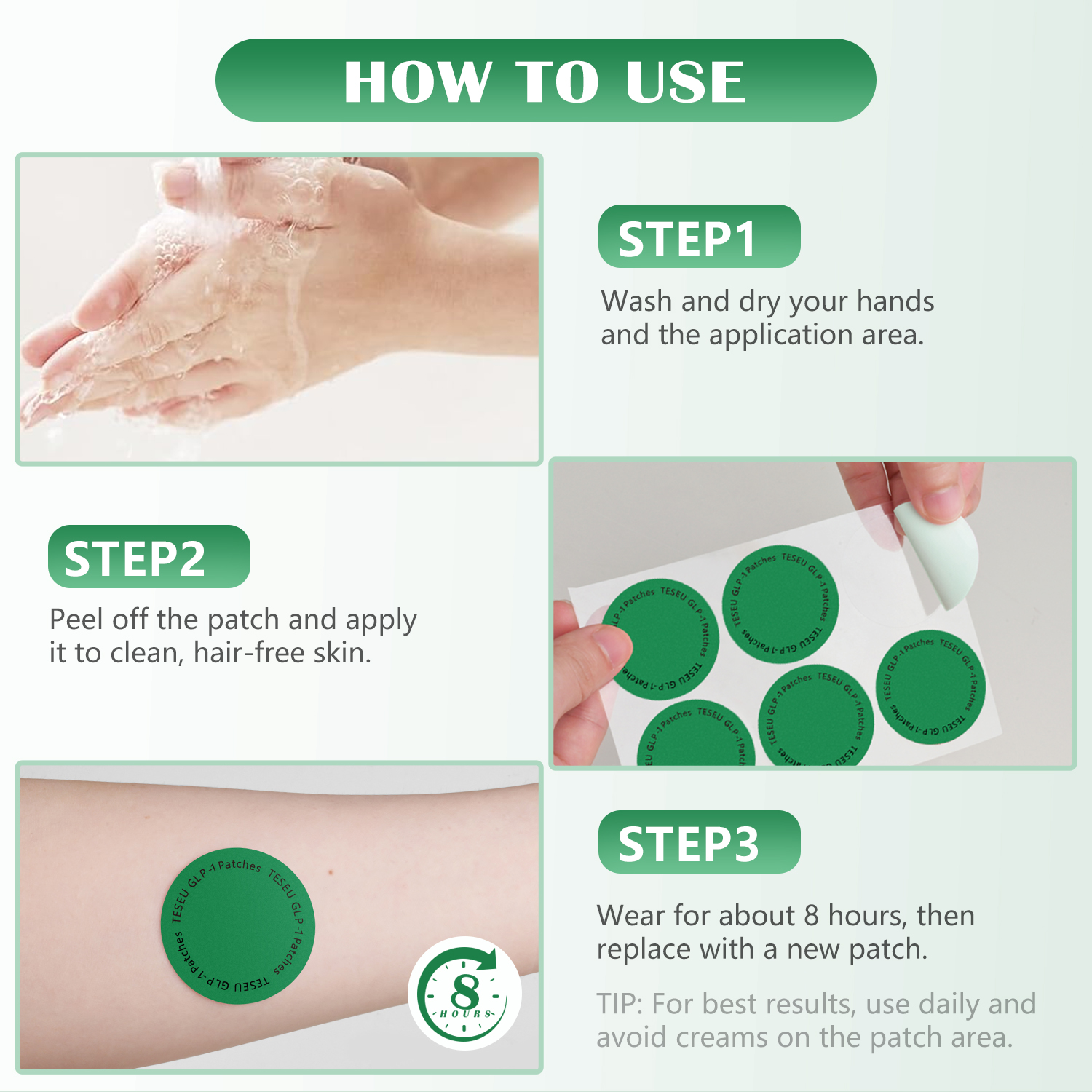
Experiencing slight redness after removing a skincare patch is usually a temporary and mild reaction. This often happens due to the adhesive or the active ingredients stimulating your skin. To manage this, you should first gently cleanse the area with a mild, fragrance-free soap and lukewarm water. Afterward, apply a soothing, hydrating moisturizer or a calming agent like aloe vera gel to reduce inflammation. Avoid using harsh exfoliants or active ingredients on the affected area for 24-48 hours until the
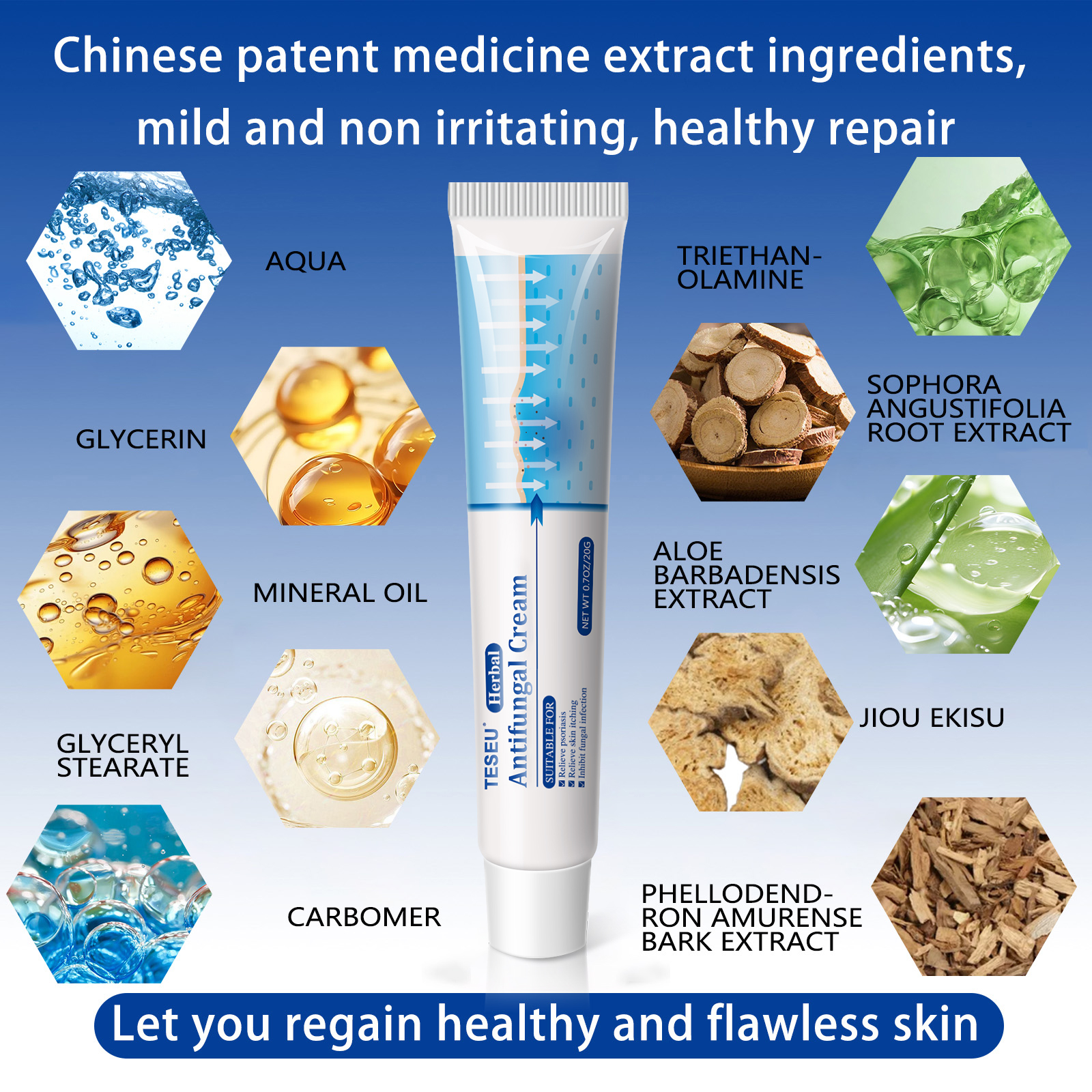
Common household habits that secretly spread athlete's foot include sharing towels or socks, walking barefoot in damp areas like bathrooms, not drying feet thoroughly, and re-wearing sweaty socks. These practices create the ideal warm, moist environment for the tinea pedis fungus to thrive and transfer between surfaces and family members, leading to itchy, uncomfortable infections.
Stay Informed with TESEU Journal
Get the latest skincare tips and wellness insights delivered directly to your inbox. Join our community of botanical beauty enthusiasts.