Wellness & Skincare Journal

TESEU Blog

Expert-led skincare tips, plant-based science, and holistic wellness rituals designed to help your skin thrive naturally.

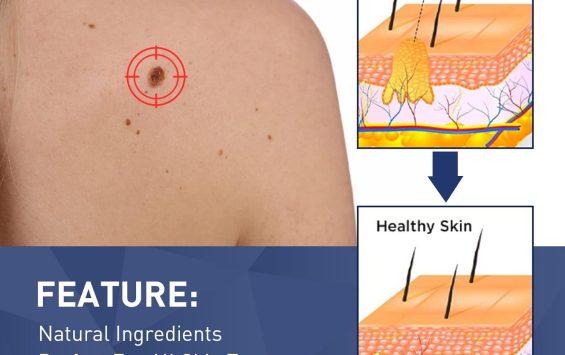
How do you safely protect the healthy skin around your treated wart?

To safely protect the healthy skin around your treated wart, apply a barrier like petroleum jelly or a liquid bandage to the surrounding area before applying any treatment. This creates a waterproof seal that prevents caustic solutions, such as salicylic acid, from spreading and damaging the surrounding healthy tissue. For treatments like cryotherapy or laser therapy, ensuring precise application by a professional is key. After any treatment, keeping the area clean, dry, and covered with a sterile bandage helps prevent
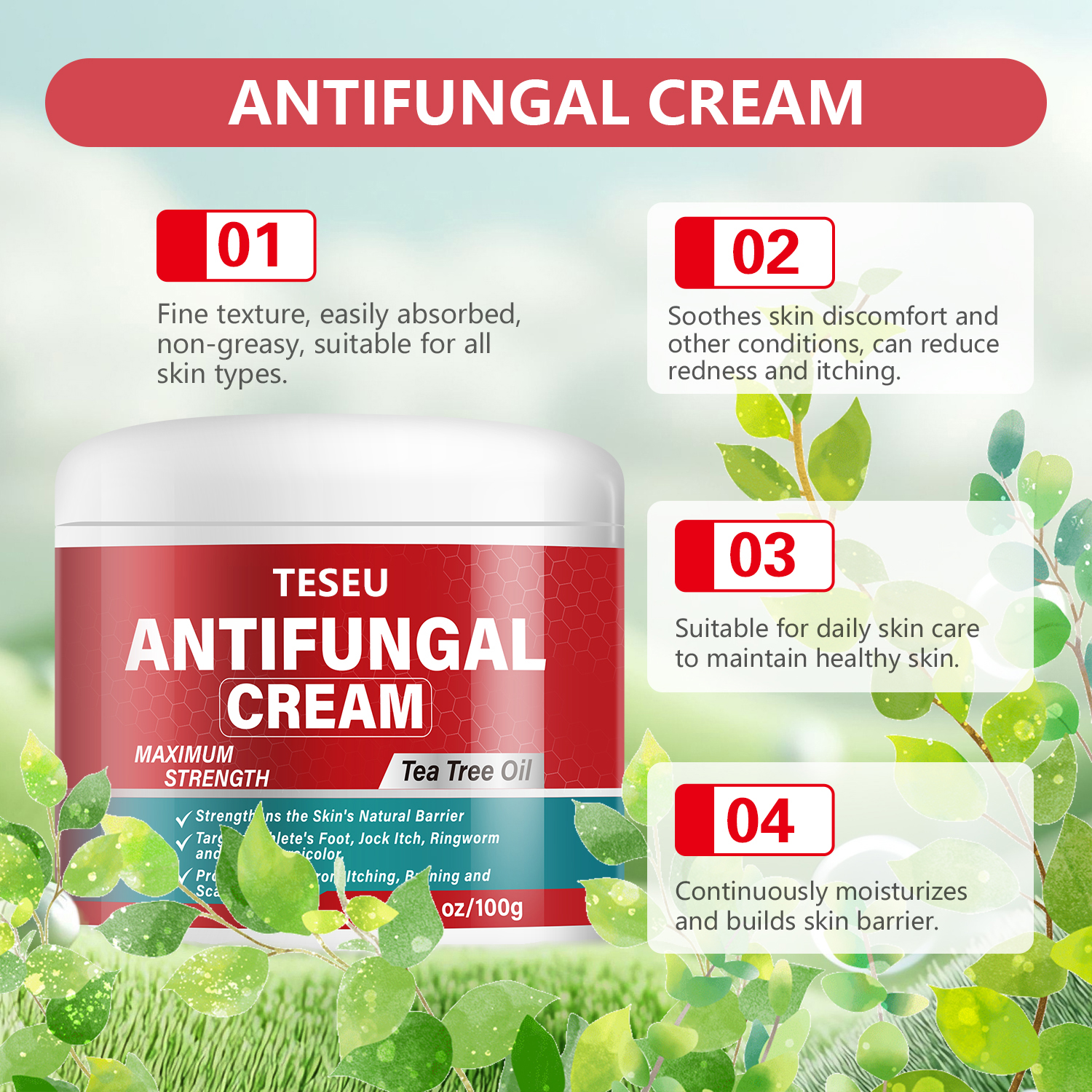
Why does tea tree oil work so effectively against skin fungal infections?

Tea tree oil’s potent effectiveness against skin fungal infections stems from its primary active compound, terpinen-4-ol. This powerful natural agent works by disrupting the cell membrane integrity of fungi, causing essential cellular components to leak out and leading to cell death. Its broad-spectrum antifungal properties make it a formidable natural remedy for a variety of common skin and nail ailments caused by dermatophytes and yeasts.

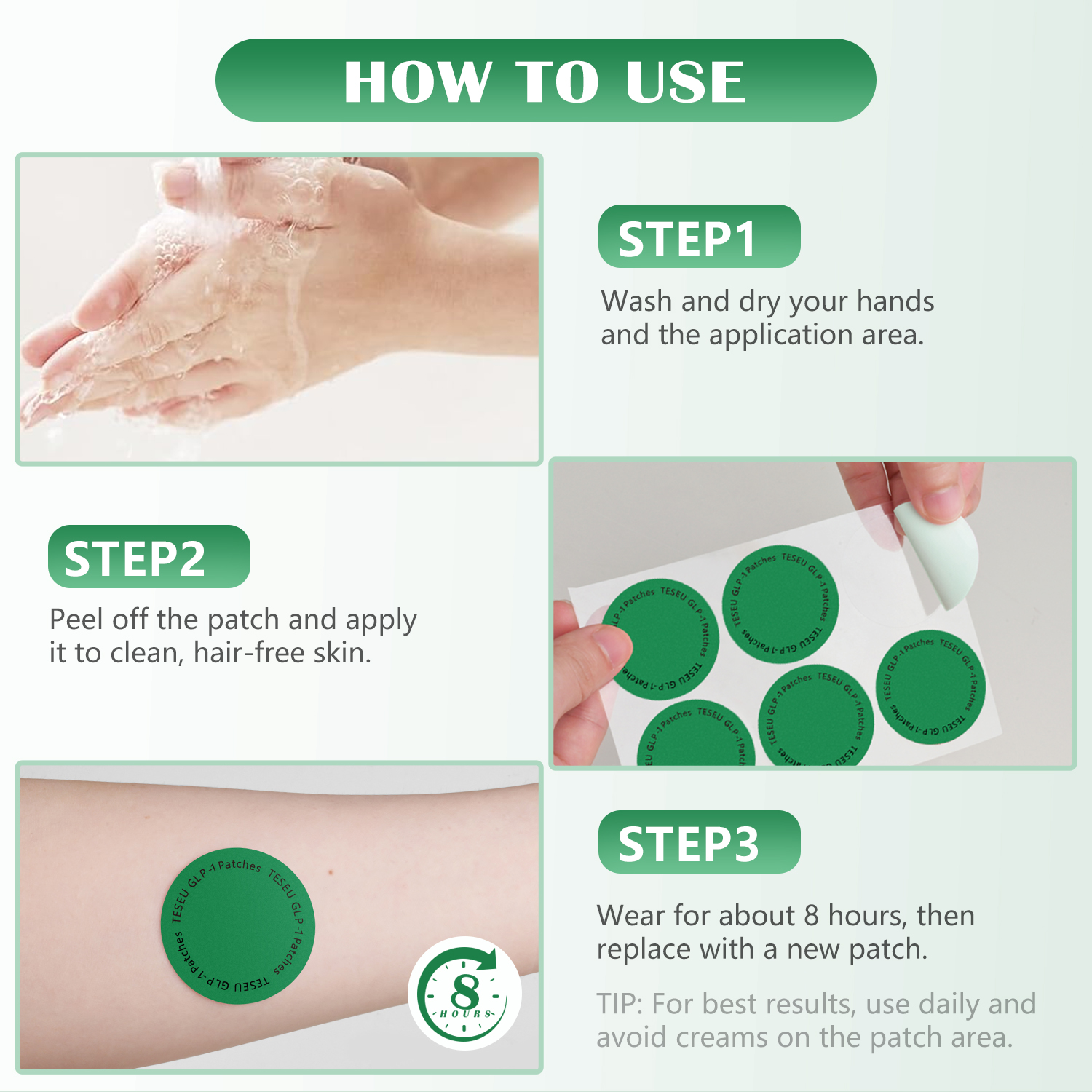
What should you do if your skin gets slightly red after removing a patch?

Experiencing slight redness after removing a skincare patch is usually a temporary and mild reaction. This often happens due to the adhesive or the active ingredients stimulating your skin. To manage this, you should first gently cleanse the area with a mild, fragrance-free soap and lukewarm water. Afterward, apply a soothing, hydrating moisturizer or a calming agent like aloe vera gel to reduce inflammation. Avoid using harsh exfoliants or active ingredients on the affected area for 24-48 hours until the

Which common household habits are secretly spreading athlete’s foot?

Common household habits that secretly spread athlete's foot include sharing towels or socks, walking barefoot in damp areas like bathrooms, not drying feet thoroughly, and re-wearing sweaty socks. These practices create the ideal warm, moist environment for the tinea pedis fungus to thrive and transfer between surfaces and family members, leading to itchy, uncomfortable infections.

Stay Informed with TESEU Journal

Get the latest skincare tips and wellness insights delivered directly to your inbox. Join our community of botanical beauty enthusiasts.

Scroll to Top