A compromised skin barrier creates a direct pathway for opportunistic fungi to thrive. When the skin’s outer layer, the stratum corneum, is damaged, it loses its ability to retain moisture and regulate pH, creating a favorable environment for fungal pathogens like dermatophytes to penetrate, proliferate, and cause infections such as athlete’s foot, jock itch, and ringworm.
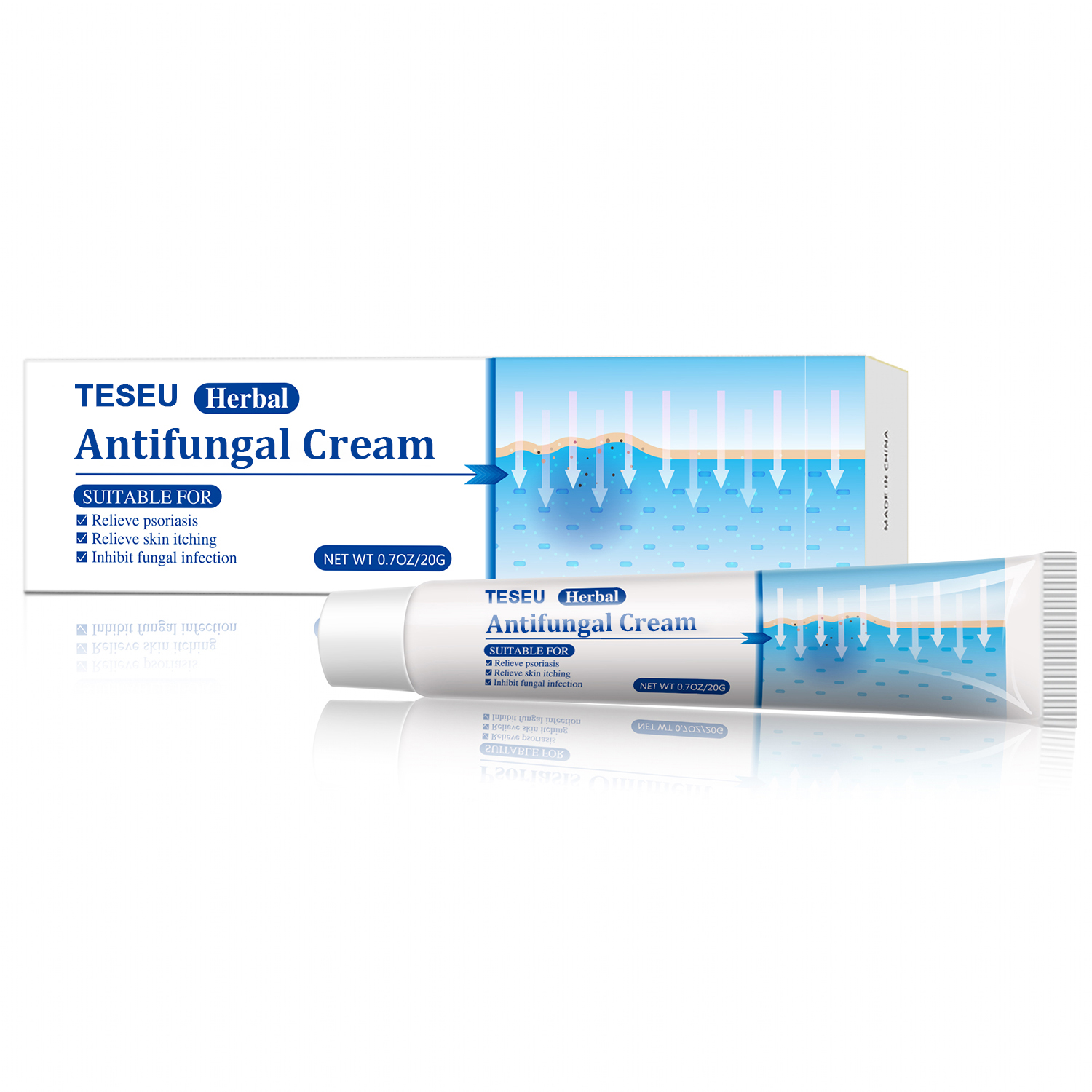
Table of Contents
- What Is the Skin Barrier?
- How Does a Weakened Barrier Increase Fungal Risk?
- Which Factors Compromise Skin Barrier Integrity?
- What Are the Early Warning Signs of a Compromised Barrier?
- The Crucial Role of Skin pH in Fungal Defense
- Understanding the Skin Microbiome’s Connection to Fungi
- Common Fungal Infections Linked to Barrier Dysfunction
- How Do You Scientifically Repair a Damaged Skin Barrier?
- Preventive Measures to Maintain a Robust Barrier
- When Should You Seek Professional Help?
What Is the Skin Barrier and Why Is It Vital?
Your skin is more than just an outer covering; it is a dynamic, complex organ with a sophisticated defense system known as the skin barrier. Primarily located in the outermost layer, the stratum corneum, this barrier is often described using the “brick and mortar” analogy. The “bricks” are corneocytes (flattened, dead skin cells), and the “mortar” is a lipid matrix composed of ceramides, cholesterol, and fatty acids. This tightly packed structure performs two critical functions: it prevents transepidermal water loss (TEWL), keeping the skin hydrated, and it blocks external threats like allergens, pollutants, and pathogens, including harmful fungi.
The integrity of the skin barrier is fundamental to overall health. It acts as the body’s first line of immunological defense. Specialized immune cells within the skin, such as Langerhans cells, are always on alert. A healthy barrier supports these cells and maintains a slightly acidic pH (around 4.7-5.5), which is naturally inhospitable to many pathogenic microorganisms. When this structure is intact, it effectively shields the deeper, living layers of the skin from invasion.
How Does a Weakened Barrier Increase Fungal Risk?
When the skin barrier is weakened or damaged, its defensive capabilities crumble, creating a perfect storm for fungal infections. The “mortar”—the lipid matrix—breaks down, leading to microscopic cracks in the stratum corneum. These breaches act as open doors for fungi like Trichophyton, Epidermophyton, and Microsporum (dermatophytes) to penetrate the skin’s surface and access the nutrient-rich layers below.
Furthermore, a damaged barrier struggles to retain moisture, leading to dry, flaky, and irritated skin. This compromised state not only makes the skin physically easier to breach but also disrupts its optimal pH level. The skin becomes more alkaline, creating an environment where fungal enzymes can thrive, breaking down keratin (a protein in skin, hair, and nails) for food. This combination of physical entry points and a favorable chemical environment allows a minor fungal presence to escalate into a full-blown infection.
Which Factors Compromise Skin Barrier Integrity?
Several internal and external factors can weaken your skin’s natural defenses. Understanding these triggers is the first step toward prevention.
- Environmental Aggressors: Exposure to low humidity, extreme temperatures, and excessive sun (UV radiation) can strip the skin of its natural lipids and cause cellular damage.
- Harsh Skincare Practices: Over-exfoliating, using alkaline soaps, or applying products with high concentrations of alcohol can disrupt the skin’s pH and strip away its protective lipid layer.
- Excessive Moisture and Friction: Prolonged exposure to moisture from sweat, especially in occluded areas like the feet, groin, and underarms, can lead to maceration (softening and breaking down of the skin). Combined with friction from clothing or skin-on-skin rubbing, this severely damages the barrier.
- Underlying Health Conditions: Eczema (atopic dermatitis), psoriasis, diabetes, and immunodeficiency disorders can inherently compromise the skin barrier’s structure and function.
- Aging: As we age, the natural production of ceramides, fatty acids, and collagen decreases, leading to a thinner, more fragile skin barrier that is less resilient to damage.
What Are the Early Warning Signs of a Compromised Barrier?
Recognizing the initial signs of barrier dysfunction allows for early intervention before a fungal infection can take hold. A compromised barrier doesn’t just mean visible dryness; it presents with a cluster of symptoms. You might notice increased sensitivity, where products that once felt fine now cause stinging or burning. Redness, persistent itchiness (pruritus), and a feeling of tightness, even after moisturizing, are classic indicators.
Another key sign is a lackluster or dull appearance, as the skin is no longer able to effectively reflect light due to its rough, dehydrated surface. If you experience rough patches, flaking, or a sudden increase in breakouts or rashes, your skin’s defense system is likely signaling that it is under stress and in need of support. Ignoring these subtle cues can leave the skin vulnerable to more serious issues, including opportunistic fungal growth.
The Crucial Role of Skin pH in Fungal Defense
The skin’s natural “acid mantle” is a critical, yet often overlooked, component of its defense against fungi. A healthy skin surface maintains a pH between 4.7 and 5.5, which is slightly acidic. This acidity is essential for several reasons: it supports the activity of enzymes that produce vital lipids for the barrier, and it helps maintain a balanced skin microbiome. Most importantly, this acidic environment is hostile to pathogenic fungi.
Fungi thrive in neutral or slightly alkaline conditions. When the skin’s pH rises due to factors like washing with alkaline bar soaps or prolonged sweat exposure, it creates an ideal breeding ground. Fungal pathogens produce enzymes, such as proteases and lipases, that function optimally in a higher pH range. These enzymes break down the skin’s structural proteins and lipids, facilitating invasion and infection. Maintaining the skin’s acidic pH is therefore a direct and effective anti-fungal strategy.
Understanding the Skin Microbiome’s Connection to Fungi
Your skin is home to a diverse ecosystem of trillions of microorganisms, including bacteria, viruses, and fungi, collectively known as the skin microbiome. In a state of health, these microbes exist in a balanced, symbiotic relationship. Beneficial bacteria help maintain the skin’s acidic pH and produce antimicrobial peptides that keep pathogenic species, including harmful fungi like Malassezia and Candida, in check.
When the skin barrier is disrupted, this delicate balance is thrown into disarray—a state called dysbiosis. The environmental shift (e.g., pH change, moisture level) can suppress the beneficial microbes and allow opportunistic fungi to overgrow. This is not necessarily an “invasion” from an external source but often an over-proliferation of fungi that are normally present in small, harmless numbers. A healthy barrier supports a healthy microbiome, and a healthy microbiome, in turn, reinforces the barrier, creating a powerful synergistic defense.
Common Fungal Infections Linked to Barrier Dysfunction
A compromised skin barrier is a direct invitation for specific fungal infections that thrive in such conditions. These infections often manifest in areas where moisture and friction are common.
| Infection Name |
Common Location |
Symptoms |
| Athlete’s Foot (Tinea Pedis) |
Feet, especially between the toes |
Itching, stinging, burning, cracked skin, blisters, peeling |
| Jock Itch (Tinea Cruris) |
Groin, inner thighs, buttocks |
Red, itchy rash, often ring-shaped with raised edges |
| Ringworm (Tinea Corporis) |
Body, arms, legs, trunk |
Circular, red, scaly patch with a clearing center |
| Tinea Versicolor |
Chest, back, neck, upper arms |
Small, discolored patches (lighter or darker than surrounding skin) |
How Do You Scientifically Repair a Damaged Skin Barrier?
Repairing a compromised barrier requires a strategic approach focused on replenishing lost components, reducing inflammation, and re-establishing a healthy environment. The goal is to rebuild the “brick and mortar” structure.
- Replenish Lipids: Use moisturizers rich in barrier-mimicking ingredients. Look for ceramides, which make up about 50% of the lipid mortar, along with cholesterol and fatty acids. These ingredients directly patch up the “cracks” in the barrier.
- Hydrate and Protect: Ingredients like hyaluronic acid and glycerin are humectants that draw moisture into the skin, while occlusives like petrolatum or dimethicone create a protective seal to prevent water loss.
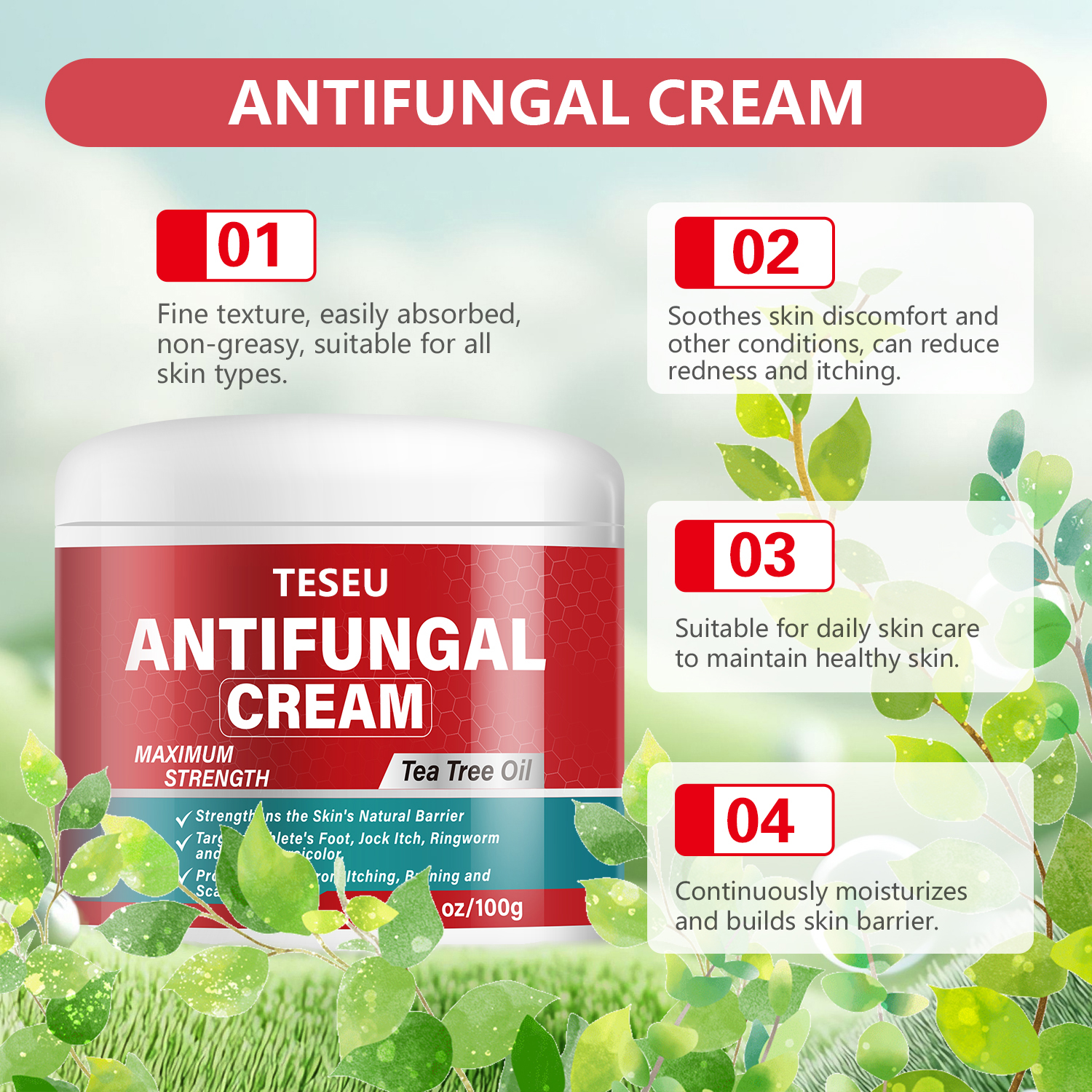
- Support the Microbiome: Use pH-balanced cleansers that do not strip the skin’s acid mantle. Products formulated to support skin health, like the TESEU Body Wash, can help maintain the delicate balance necessary to resist fungal overgrowth. For active fungal concerns, targeted treatments are essential. The TESEU FUNGAL CARE line is scientifically formulated to address pathogens while supporting the skin’s recovery process.
- Reduce Inflammation: Look for soothing ingredients like niacinamide, panthenol, and allantoin, which can calm irritation and redness, allowing the skin to focus its energy on repair.
For persistent issues, especially on the feet where the barrier is constantly challenged, a dedicated solution like the TESEU FOOT CARE SPRAY can provide targeted relief and protection, helping restore the barrier in one of the most vulnerable areas.
Preventive Measures to Maintain a Robust Barrier
Prevention is always more effective than repair. Adopting daily habits that protect your skin barrier can significantly reduce your risk of fungal infections.
- Gentle Cleansing: Avoid harsh, high-pH soaps. Opt for a gentle, hydrating, and pH-balanced cleanser that cleans without stripping natural oils.
- Consistent Moisturization: Moisturize daily, especially after bathing, to lock in hydration and supply the barrier with essential lipids.
- Keep Skin Dry: After sweating or bathing, thoroughly dry your skin, paying close attention to skin folds, the groin area, and between the toes.
- Choose Breathable Fabrics: Wear clothing made from natural fibers like cotton or moisture-wicking synthetic fabrics to reduce sweat buildup and friction.
- Sun Protection: Use a broad-spectrum sunscreen daily to protect the skin barrier from UV-induced damage.
When Should You Seek Professional Help?
While many cases of barrier impairment and mild fungal infections can be managed with proper at-home care, there are times when professional medical advice is necessary. If your symptoms do not improve after a few weeks of diligent care, or if they worsen, it is time to consult a doctor or dermatologist. Signs that warrant a professional visit include severe pain, widespread rashes, signs of a secondary bacterial infection (such as pus or warmth), or if the infection repeatedly returns.
A healthcare professional can accurately diagnose the issue, distinguishing a fungal infection from other skin conditions like eczema or psoriasis. They can prescribe stronger topical or oral antifungal medications if needed and provide personalized advice to address the root cause of your compromised skin barrier, ensuring a comprehensive and effective recovery plan.