




Even after successful treatment, the stubborn nature of toenail fungus means it can unfortunately return. Preventing recurrence requires a long-term commitment to specific daily hygiene practices that create an environment hostile to fungal growth. The most crucial habits include keeping feet meticulously clean and dry, wearing breathable footwear, rotating shoes daily, treating footwear with antifungal agents, and using moisture-wicking socks. These practices minimize the moisture and warmth that fungi need to thrive, significantly reducing your risk of reinfection. For those seeking advanced, at-home maintenance, innovative solutions like the Teseu Laser Fungal Nail Treatment offer a powerful way to manage nail health post-treatment.
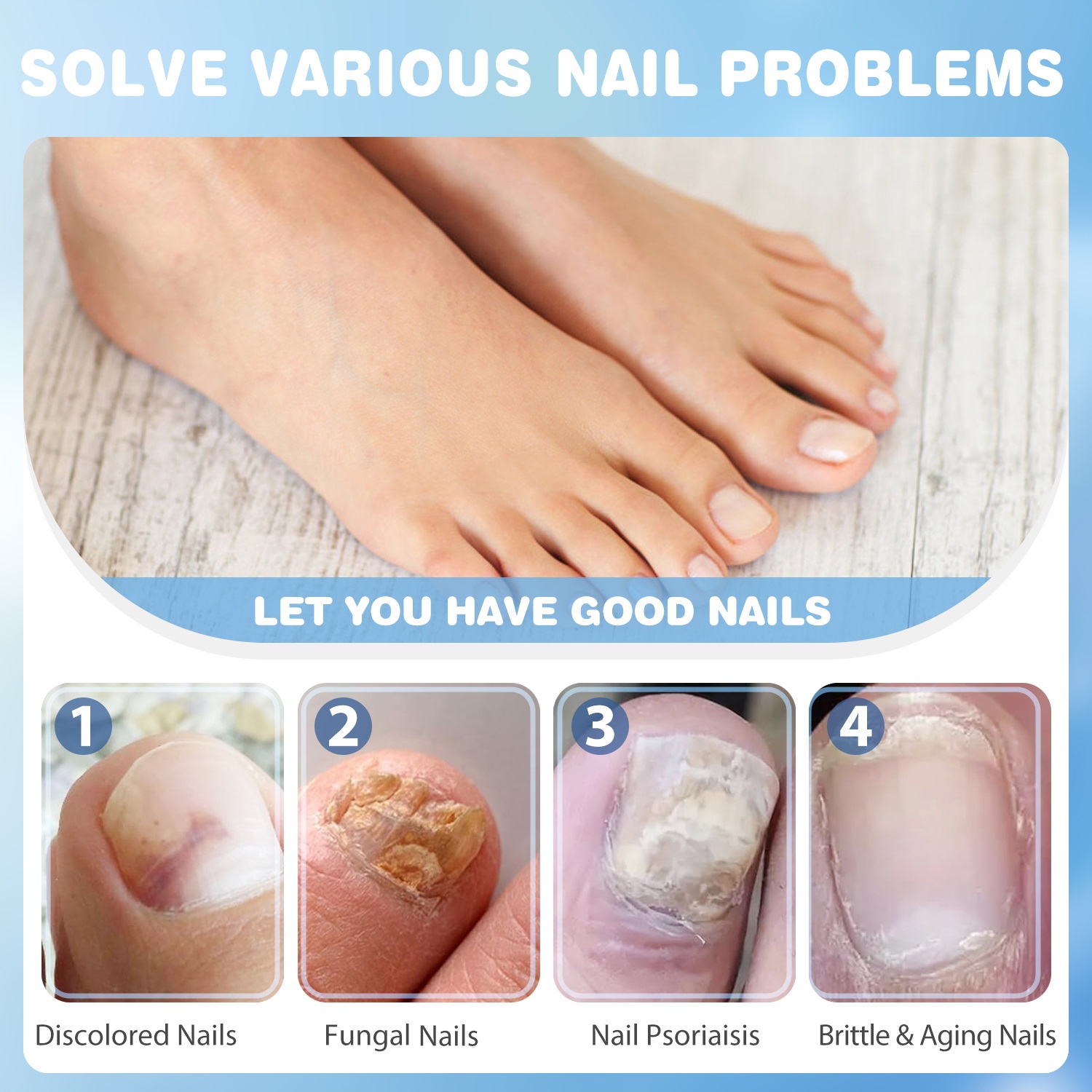
Table of Contents
- What Are the Most Important Daily Hygiene Habits for Fungus Prevention?
- How Does Proper Footwear Choice Impact Fungus Recurrence?
- Why Is Disinfecting Your Shoes and Socks Essential?
- What Are the Best Practices for Nail Trimming and Care?
- Are There Specific Products That Help Prevent Toenail Fungus?
- How Can You Protect Your Feet in Public Areas?
- Does Your Diet Influence the Return of Toenail Fungus?
- What Role Does Your Home Environment Play in Prevention?
- When Should You Consult a Professional About Recurrence?
- Can Home Devices Help With Long-Term Management?
What Are the Most Important Daily Hygiene Habits for Fungus Prevention?
Establishing a strict daily hygiene routine is the foundation of preventing toenail fungus from returning. Fungi flourish in dark, damp, and warm environments, and your feet can easily become a perfect breeding ground. The primary goal is to disrupt this environment consistently.
Start by washing your feet every day with soap and water. This isn’t a quick rinse in the shower; it means paying special attention to the area between your toes, where moisture often gets trapped. After washing, the most critical step is thoroughly drying your feet. Use a clean, dedicated towel and pat your feet dry, ensuring no dampness remains between the toes. Some individuals even use a hairdryer on a cool setting to guarantee complete dryness.
If your feet tend to sweat excessively, consider changing your socks midday. Keeping your feet as dry as possible throughout the day starves potential fungal spores of the moisture they need to reactivate and multiply. This simple but powerful habit is your first line of defense against reinfection.
How Does Proper Footwear Choice Impact Fungus Recurrence?
The shoes you wear have a profound impact on your foot health and the likelihood of a fungal recurrence. Footwear that traps heat and moisture creates a miniature incubator for fungus. Therefore, selecting the right shoes is a non-negotiable part of your prevention strategy.
Choosing Breathable Materials
Opt for shoes made from breathable, natural materials like leather, canvas, or suede. These materials allow air to circulate around your feet, helping to wick away sweat and keep them drier. Avoid shoes made from synthetic materials like plastic or rubber, as they trap heat and prevent moisture from escaping. Modern athletic shoes with mesh panels are also excellent choices for promoting airflow.
Ensuring a Proper Fit
Wearing shoes that are too tight can cause micro-trauma to your toenails by repeatedly pressing against them. These tiny, often invisible injuries can create entry points for fungal spores to invade the nail bed. Ensure your shoes have about a half-inch of space between your longest toe and the end of the shoe. Your feet naturally swell throughout the day, so it’s best to shop for shoes in the afternoon or evening to get the most accurate fit.
Why Is Disinfecting Your Shoes and Socks Essential?
Even with successful treatment, fungal spores can linger in your footwear, waiting for the right conditions to cause a new infection. You must treat your shoes and socks as potential sources of reinfection and take steps to sanitize them.
A crucial habit is to never wear the same pair of shoes for two consecutive days. Rotating your shoes gives them at least 24 hours to air out and dry completely. When not in use, store them in a well-ventilated area, not a dark, stuffy closet. To actively sanitize your shoes, use an antifungal spray or powder after each wear. For a more potent approach, ultraviolet (UV) shoe sanitizers can effectively kill fungi and bacteria living inside your shoes.
When it comes to socks, wash them in the hottest water the fabric can tolerate to kill any fungal spores. Adding a cup of white vinegar or a specialized laundry sanitizer to the wash cycle can provide an extra layer of protection. Always choose socks made of moisture-wicking materials like wool, merino wool, or synthetic blends designed for athletic wear, rather than cotton, which holds onto moisture.
What Are the Best Practices for Nail Trimming and Care?
Proper nail care is vital for preventing trauma and creating a less hospitable environment for fungus. How you trim and care for your nails can either protect you or make you more vulnerable to reinfection.
Trim your toenails straight across and avoid rounding the corners. This technique helps prevent ingrown toenails, which can damage the surrounding skin and create an opening for fungus. Keep your nails short, but not so short that they cause soreness or pressure from your shoe. The ideal length is level with the tip of your toe.
It is imperative to use a clean set of nail clippers and files. Dedicate a specific set of tools for your toenails, especially if you have had a fungal infection. Sanitize these tools before and after each use by washing them with soap and water and then wiping them with rubbing alcohol. Never share your nail care tools with anyone, as this is a common way for fungal infections to spread.
Are There Specific Products That Help Prevent Toenail Fungus?
Beyond standard hygiene, several specialized products can significantly boost your preventive efforts. Integrating these into your daily or weekly routine provides an additional layer of security against fungal recurrence.
Antifungal powders and sprays are excellent for daily use. You can apply them directly to your feet after drying them in the morning to help control sweat and create a protective barrier. These can also be used inside your shoes to keep them fresh and free of active fungus. Look for products containing active ingredients like miconazole or tolnaftate.
Medicated nail lacquers or preventative topical solutions can be applied to the nails weekly or as directed. These products often contain antifungal agents that penetrate the nail surface and help fortify it against invasion. While not as potent as prescription treatments, they are an effective tool for maintenance and prevention.
How Can You Protect Your Feet in Public Areas?
Public spaces with damp floors are hotspots for the fungi that cause toenail infections. These include gym locker rooms, public showers, swimming pool decks, and saunas. Whenever you are in these areas, you must protect your feet from direct contact with the floor.
Always wear waterproof shower shoes, sandals, or flip-flops in these communal wet environments. This simple barrier prevents your feet from picking up fungi that may have been shed by others. After leaving the area, make sure to wash and thoroughly dry your feet as soon as possible, paying close attention to the spaces between your toes. Also, ensure your shower shoes are cleaned and dried after each use to prevent them from becoming a source of contamination themselves.
Does Your Diet Influence the Return of Toenail Fungus?
While topical hygiene is paramount, your internal health, influenced by your diet, can also play a role in your body’s ability to fight off infections. A strong immune system is better equipped to prevent fungi from taking hold. Certain dietary choices can support your body’s natural defenses.
A diet high in sugar and refined carbohydrates can promote the growth of yeast and fungi throughout the body. Reducing your intake of these foods may help create a less favorable internal environment for fungal proliferation. Conversely, incorporating more immune-boosting foods can be beneficial. These include:
- Probiotic-rich foods: Yogurt, kefir, and fermented vegetables can help maintain a healthy balance of good bacteria.
- Garlic: Known for its natural antifungal properties.
- Leafy greens and colorful vegetables: Provide essential vitamins and antioxidants that support immune function.
- Lean proteins and healthy fats: Help build a strong body and healthy cells, including those that make up your skin and nails.
What Role Does Your Home Environment Play in Prevention?
Your prevention strategy should extend to your personal living space. Fungal spores can survive on surfaces within your home, particularly in the bathroom. Regular cleaning and mindfulness about shared spaces are important.
Regularly clean your shower, bathtub, and bathroom floor with a disinfectant cleaner that is effective against mold and mildew. If you share a bathroom with family members, be mindful not to share towels, bathmats, or nail care tools. It’s a good practice for everyone in the household to have their own personal items. Wash bathmats and towels frequently in hot water to eliminate any potential fungal contaminants. Keeping the bathroom well-ventilated, by using an exhaust fan during and after showers, can help reduce overall humidity levels.
When Should You Consult a Professional About Recurrence?
Despite your best efforts, toenail fungus can be incredibly persistent. It’s important to monitor your nails regularly for any signs of change. Look for discoloration (yellow, brown, or white spots), thickening, brittleness, or changes in nail shape.
At the first sign of a potential recurrence, it is crucial to consult a podiatrist or dermatologist. Early intervention is far more effective and can prevent a minor issue from becoming a full-blown infection that is difficult and time-consuming to treat. A professional can confirm the diagnosis and recommend the best course of action, which may include prescription topical or oral medications, or advanced treatments like laser therapy.
Can Home Devices Help With Long-Term Management?
For individuals who have battled persistent toenail fungus, integrating advanced technology into their maintenance routine can offer peace of mind and enhanced protection. Modern at-home devices are now available that use technologies previously only found in clinics.
One of the most effective technologies for managing nail health is photodynamic therapy (PDT) and low-level laser therapy (LLLT). Devices designed for home use can be an excellent addition to your preventive toolkit. For example, the Teseu Laser Fungal Nail Treatment devices are engineered to provide targeted light energy that can help maintain nail clarity and health after professional treatment. Using such a device periodically, as part of your hygiene routine, can help suppress any new fungal activity before it becomes visible. It’s a proactive, non-invasive approach to long-term management, empowering you to keep your nails looking healthy and clear for years to come.
| Preventative Habit | How It Works | Frequency |
|---|---|---|
| Wash & Dry Feet | Removes fungal spores and moisture. | Daily |
| Wear Breathable Shoes | Promotes airflow and reduces sweat buildup. | Daily |
| Rotate Shoes | Allows shoes to dry completely (24+ hours). | Daily |
| Use Antifungal Powder/Spray | Kills lingering spores in shoes and on feet. | Daily/After Wear |
| Wear Moisture-Wicking Socks | Pulls sweat away from the skin. | Daily |
| Trim Nails Correctly | Prevents nail trauma and ingrown nails. | As needed (weekly/bi-weekly) |
| Use Public Shower Shoes | Creates a physical barrier against fungi. | Every time in public wet areas |
| Use Home Laser Device | Provides long-term management to maintain nail health. | As per device instructions |