




To maximize the effectiveness of a weight management patch, it’s crucial to adopt a holistic approach that combines its use with healthy lifestyle habits. The most effective strategies include maintaining a balanced, nutrient-dense diet, engaging in consistent physical activity, prioritizing hydration, ensuring adequate sleep, and managing stress levels. These habits work synergistically with the patch to enhance metabolism, promote fat burning, and support overall well-being for sustainable results. Pairing a high-quality product like the Teseu Calorie Burning Patch with these foundational lifestyle changes creates a powerful combination for achieving your weight management goals.
What Are Weight Management Patches and How Do They Work?
Weight management patches are innovative tools designed to support your body’s natural fat-burning processes through transdermal delivery. Unlike oral supplements that must pass through the digestive system, these patches deliver active ingredients directly through the skin into the bloodstream. This method ensures a steady, controlled release over several hours, which can help maintain consistent metabolic support throughout the day. It offers a convenient and non-invasive way to supplement your weight management efforts.
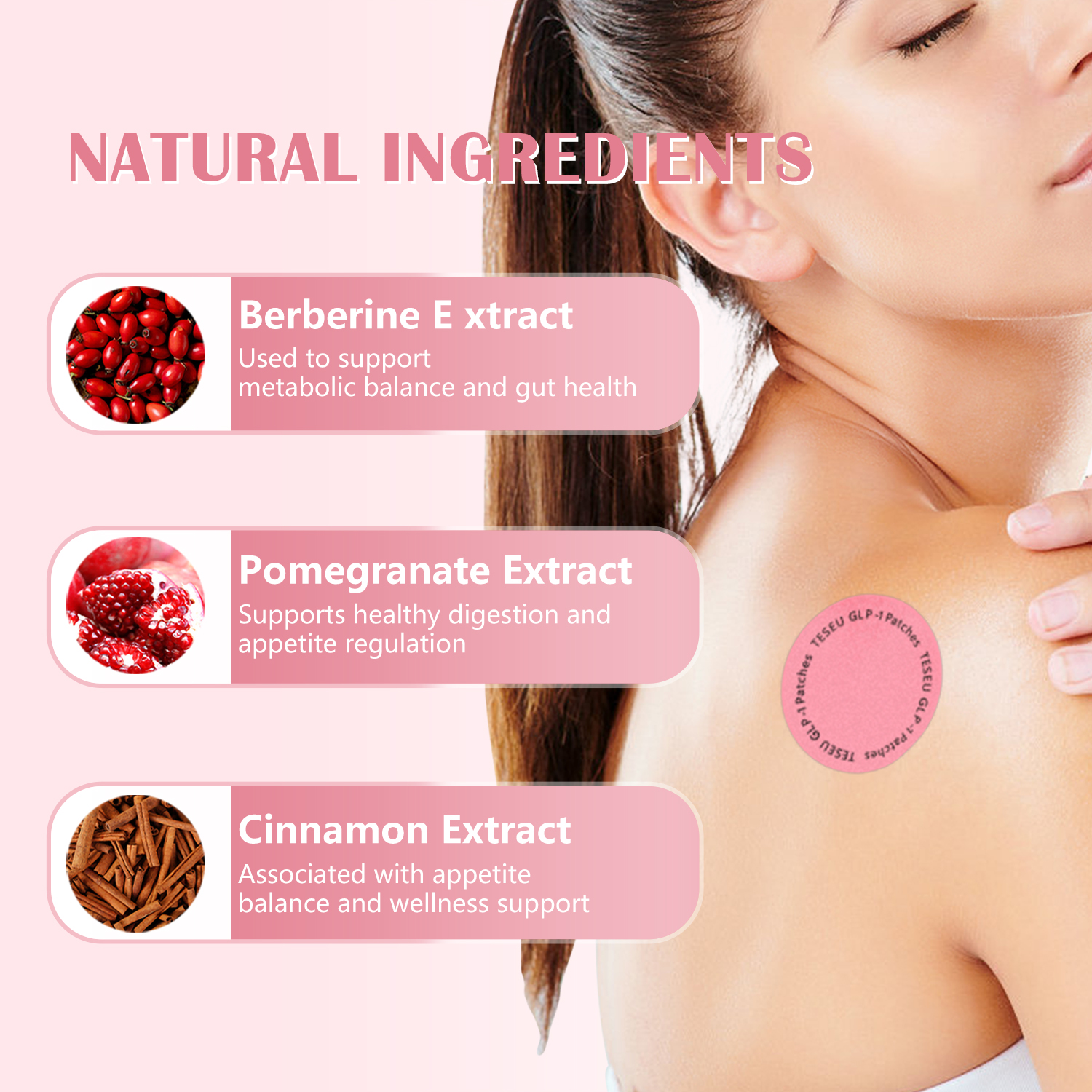
The mechanism behind these patches hinges on their active ingredients. The Teseu Calorie Burning Patch, for example, utilizes a blend of natural, science-backed components. Ingredients like Capsaicin (from chili peppers) and Caffeine are known thermogenics, meaning they help increase your body’s core temperature and, by extension, its metabolic rate. Other components like Sophoricoside and Catechins (found in green tea) are powerful antioxidants that support fat oxidation and help reduce cellular stress. This targeted delivery system works to enhance your body’s inherent ability to manage weight, especially when paired with a healthy lifestyle.
Why Is Caloric Balance Essential for Patch Efficacy?
The fundamental principle of weight management is energy balance. To lose weight, you must expend more calories than you consume, creating a “caloric deficit.” A weight management patch is designed to assist on the expenditure side of this equation by boosting your metabolism. However, it cannot single-handedly counteract the effects of a persistent caloric surplus. If your daily food intake consistently provides more energy than your body—even with a metabolically-boosted state—can burn, the excess energy will still be stored as fat.
Think of a patch as a catalyst, not a magic bullet. It enhances your body’s efficiency, but you must provide the right conditions for it to work. Adhering to a sensible diet where your calorie intake is slightly below your daily energy expenditure is crucial. This doesn’t mean you need to starve yourself; it means making mindful choices. Focusing on whole, unprocessed foods helps you feel full and satisfied on fewer calories, making it easier to maintain a deficit without feeling deprived. This synergy between controlled intake and enhanced expenditure is the cornerstone of effective weight loss.
How Does a Nutrient-Dense Diet Enhance Patch Results?
Beyond simple calories, the quality of your food plays a massive role in your success. A nutrient-dense diet is one rich in vitamins, minerals, lean protein, complex carbohydrates, and healthy fats. These nutrients are the building blocks your body needs to function optimally, including running the metabolic processes that a weight management patch aims to support.
Prioritizing certain food groups can significantly amplify the effects of your patch:
- Lean Protein: Foods like chicken breast, fish, tofu, and legumes have a high thermic effect, meaning your body burns more calories just to digest them. Protein is also essential for building and maintaining muscle mass, and more muscle translates to a higher resting metabolic rate.
– Fiber-Rich Carbohydrates: Opt for whole grains, vegetables, and fruits. Fiber slows down digestion, which helps stabilize blood sugar levels, prevent energy crashes, and keep you feeling fuller for longer, reducing the temptation to overeat.
– Healthy Fats: Sources like avocados, nuts, seeds, and olive oil are vital for hormone production, including hormones that regulate appetite and metabolism. They also contribute to satiety, helping you manage hunger effectively.
By fueling your body with these high-quality nutrients, you provide the necessary resources for the active ingredients in the patch to work most effectively, creating a well-oiled machine for weight management.
Which Exercises Best Complement a Weight Management Patch?
Physical activity is a powerful partner to a weight management patch, as it directly increases your daily calorie expenditure and builds metabolically active muscle tissue. A well-rounded fitness routine that combines cardiovascular exercise with strength training will yield the best results.
Strength Training is non-negotiable for sustainable weight management. Lifting weights, using resistance bands, or performing bodyweight exercises like push-ups and squats builds lean muscle mass. Muscle is more metabolically active than fat, so the more muscle you have, the more calories your body burns at rest. This elevates your basal metabolic rate (BMR), making it easier to maintain a caloric deficit and enhancing the metabolic boost provided by the patch.
Cardiovascular Exercise, including activities like running, cycling, swimming, or brisk walking, is excellent for burning calories and improving heart health. High-Intensity Interval Training (HIIT) is particularly effective. HIIT involves short bursts of intense exercise followed by brief recovery periods. This method has been shown to be incredibly efficient at burning fat and can keep your metabolism elevated for hours after your workout is complete—a phenomenon known as the “afterburn effect.”
Combining 2-3 days of strength training with 2-3 days of cardio each week creates a potent fat-burning and muscle-building regimen that works in perfect harmony with a weight management patch.
How Does Hydration Impact Your Body’s Fat-Burning Potential?
Staying adequately hydrated is one of the simplest yet most effective habits for maximizing weight loss. Water is essential for nearly every physiological process, including metabolism. Dehydration can cause your metabolic rate to slow down as your body attempts to conserve resources. Studies have shown that drinking water can temporarily boost your metabolism, a process known as water-induced thermogenesis.
Furthermore, water is critical for lipolysis, the process by which the body breaks down fat for energy. Proper hydration ensures this process runs efficiently. Drinking a glass of water before meals can also help you feel fuller, leading you to consume fewer calories naturally. Aim to drink at least 8-10 glasses (around 2-3 liters) of water per day, and potentially more if you are active or live in a hot climate. Swapping sugary drinks like sodas and juices for water is an easy way to cut hundreds of empty calories from your daily intake.
What Is the Connection Between Sleep and Weight Control?
Sleep is not a luxury; it is a biological necessity for effective weight management. A lack of quality sleep can severely sabotage your efforts, even when using supportive tools like a patch. When you are sleep-deprived, your body undergoes hormonal changes that directly impact weight.
Levels of ghrelin, the “hunger hormone,” increase, while levels of leptin, the “satiety hormone,” decrease. This hormonal imbalance makes you feel hungrier and less satisfied after eating, leading to overconsumption, particularly of high-calorie, high-carbohydrate foods. Furthermore, sleep deprivation raises cortisol levels, a stress hormone that signals your body to conserve energy and store fat, especially around the midsection. Prioritizing 7-9 hours of quality, uninterrupted sleep per night is crucial for keeping these hormones in balance and allowing your body to recover and burn fat efficiently.
Why Is Managing Stress a Critical Factor?
Chronic stress is a significant barrier to weight loss. Much like poor sleep, high stress levels lead to elevated cortisol. This not only promotes fat storage but can also trigger cravings for “comfort foods” that are typically high in fat and sugar. This is an evolutionary response designed to provide quick energy during a “fight or flight” situation, but in the context of modern chronic stress, it simply leads to weight gain.
Incorporating stress-reduction techniques into your daily routine is vital. Practices like mindfulness meditation, deep breathing exercises, yoga, or even just spending time in nature can help lower cortisol levels and reduce the physiological drive to overeat. By managing your stress, you create a hormonal environment that is conducive to fat loss, allowing the metabolic-boosting ingredients in your weight management patch to perform their function without being counteracted by stress-induced fat storage signals.
How Do You Properly Use a Weight Management Patch for Best Results?
For any transdermal patch to be effective, consistent and correct application is key. The ingredients are designed for a slow, steady release over a specific period. Intermittent or improper use will disrupt this process and diminish the potential benefits.
Follow these best practices for application:
- Clean and Dry Skin: Always apply the patch to a clean, dry, and hairless area of skin. This ensures maximum adhesion and absorption. Common application sites include the abdomen, arm, thigh, or back.
- Rotate Application Sites: To prevent skin irritation, it’s important to rotate where you place the patch each day. Avoid applying it to the exact same spot consecutively.
- Adhere to the Recommended Duration: Use the patch for the duration specified by the manufacturer, such as the 8-hour application recommended for the Teseu patch. Removing it too early or leaving it on too long can affect its efficacy.
- Maintain Consistency: Make applying the patch part of your daily routine, like brushing your teeth. Consistency is what allows the active ingredients to build up to effective levels in your system and provide continuous metabolic support.
What Metrics Should You Track Besides Weight?
Focusing solely on the number on the scale can be misleading and demoralizing. Your body weight can fluctuate daily due to water retention, muscle gain, and other factors. A more holistic and encouraging approach is to track a variety of progress markers.
Consider monitoring the following:
| Metric | Why It’s Important | How to Track |
|---|---|---|
| Body Measurements | Tracks fat loss, as you can lose inches even if the scale doesn’t move, especially if you’re gaining muscle. | Use a measuring tape for your waist, hips, thighs, and arms once every 2-4 weeks. |
| Progress Photos | Provides a powerful visual record of changes in your body composition that the scale can’t show. | Take photos from the front, side, and back in the same lighting and clothing every 4 weeks. |
| Energy Levels | Improved diet and exercise, supported by the patch, often lead to a significant increase in daily energy. | Keep a simple journal, rating your energy on a scale of 1-10 each day. |
| Fitness Performance | Being able to lift heavier, run further, or complete a workout more easily is a clear sign of progress. | Log your workouts, noting weights, reps, distance, or time. |
Tracking these metrics provides a more complete picture of your success and helps you stay motivated on your journey.
What Are Realistic Expectations When Using a Patch?
It’s important to approach your weight management journey with realistic expectations. A weight management patch is a supportive tool, not an overnight solution. Sustainable weight loss is a gradual process. Healthy and realistic goals typically involve losing 1-2 pounds (about 0.5-1 kg) per week. Faster loss is often unsustainable and may involve losing water or muscle mass, not just fat.
Remember that progress will not always be linear. You will have weeks where you see significant change and others where progress seems to stall. This is normal. Plateaus are a natural part of the process. During these times, it’s important to stay consistent with the healthy habits you’ve built—your diet, exercise, sleep, and stress management. By viewing the patch as one component of a comprehensive lifestyle overhaul, you set yourself up for long-term, sustainable success rather than a short-term fix.