




Dealing with a fungal infection can be intensely frustrating, largely due to the persistent itch it often causes. While the immediate urge is to scratch for relief, this action paradoxically makes the condition much worse. Scratching a fungal infection damages the skin’s protective barrier, spreads the fungal spores to other parts of the body, and introduces bacteria, leading to secondary infections, inflammation, and delayed healing. This creates a vicious itch-scratch cycle that intensifies the original problem.
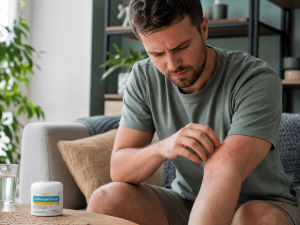
Table of Contents
- What Happens When You Scratch a Fungal Infection?
- What Are the Risks of Persistent Scratching?
- How Can You Manage the Itch Without Scratching?
What Happens When You Scratch a Fungal Infection?
The sensation of itching, medically known as pruritus, is a primary symptom of many skin fungal infections like ringworm, athlete’s foot, and jock itch. It is the body’s response to the irritating presence of fungal organisms. While scratching provides momentary relief by overwhelming the nerve signals for itching, the aftermath is counterproductive and significantly harms your skin’s health and ability to heal.
The Vicious Itch-Scratch Cycle Explained
Scratching an itchy area triggers a complex neurological and inflammatory response that perpetuates the desire to scratch further. When you scratch, your brain releases serotonin, a neurotransmitter that can temporarily dampen the itch. However, this same serotonin can also activate more itch-specific neurons, making the sensation return with even greater intensity once the initial relief fades. This creates a self-perpetuating “itch-scratch cycle.”
Each time you give in to the urge, you cause micro-trauma to the skin. The body responds to this injury by releasing histamines and other inflammatory chemicals. These chemicals are intended to start the healing process but are also potent itch-inducers. As a result, the area becomes even itchier and more inflamed, trapping you in a frustrating loop that prevents the fungal infection from clearing up and worsens the overall condition.
How Does Scratching Spread the Fungus?
Fungal infections propagate through spores. These microscopic reproductive units are present in the affected skin, often within blisters or flaky patches. When you scratch the infected area, these spores easily cling to your fingernails and the skin on your fingertips. As you touch other parts of your body, you effectively become a vehicle for transmission, inoculating new areas with the fungus. This is how a localized case of ringworm on your arm can lead to new patches on your leg or torso, or how athlete’s foot can spread to the groin, causing jock itch (autoinoculation).
Furthermore, scratching can aerosolize these spores or leave them on surfaces you touch, such as towels, bed linens, or clothing. This not only risks re-infecting yourself but can also spread the infection to family members or anyone who comes into contact with these contaminated items. Keeping your hands and nails clean becomes paramount in containing the infection.
The Danger of Damaging the Skin Barrier
Your skin has a vital protective layer called the stratum corneum, often referred to as the skin barrier. This barrier is composed of tough skin cells and lipids, and its job is to keep moisture in and harmful substances—like allergens, irritants, and pathogens—out. Fungal infections already compromise this barrier by breaking down keratin, the primary protein in your skin.
Scratching inflicts direct physical damage, creating abrasions, cuts, and open sores. This further dismantles the already weakened barrier, leaving your skin raw and exposed. A broken barrier cannot properly retain moisture, leading to dryness and cracking, which can intensify itching. More importantly, it creates an open gateway for other microorganisms to invade, setting the stage for more serious complications.
What Are the Risks of Persistent Scratching?
The consequences of habitually scratching a fungal infection extend beyond simply spreading it. The repeated trauma can lead to serious secondary conditions, permanent changes to your skin’s texture and appearance, and in some cases, systemic health issues. Understanding these risks highlights the importance of breaking the itch-scratch cycle as quickly as possible.
Inviting Secondary Bacterial Infections
One of the most significant risks of scratching is the development of a secondary bacterial infection. Your skin and fingernails are home to billions of bacteria, including species like Staphylococcus and Streptococcus. While normally harmless on intact skin, these bacteria can become pathogenic when introduced into the bloodstream through open sores created by scratching. Once inside, they can cause an infection on top of the existing fungal one.
Signs of a secondary bacterial infection include increased redness, swelling, warmth, the formation of pus-filled bumps (pustules), golden-yellow crusting (impetigo), or intense pain. This condition, known as a superinfection, requires a different course of treatment, often involving antibiotics, and can significantly complicate and prolong the healing process.
Lichenification: The Thickening of the Skin
When an area of skin is subjected to chronic, repetitive rubbing and scratching, it responds defensively by thickening. This process is called lichenification. The skin becomes leathery, tough, and hyperpigmented (darker), and the normal skin lines become more prominent. This is the body’s attempt to protect itself from the constant physical trauma.
While this thickened skin is more resistant to injury, it is also less flexible, can be perpetually itchy, and is cosmetically unappealing. Lichenified skin does not respond as well to topical treatments, as the medication cannot penetrate the thickened layers effectively. Reversing lichenification is a slow process that requires complete cessation of scratching and consistent treatment of the underlying cause.
Permanent Scarring and Hyperpigmentation
Deep scratching that breaks through the dermis—the layer of skin beneath the epidermis—can lead to permanent scarring. As the wound heals, the body produces collagen to repair the damage. If the damage is severe or the healing process is disrupted by continued scratching or infection, this collagen can form a permanent scar. For individuals prone to keloid or hypertrophic scars, the cosmetic outcome can be even more pronounced.
Another common outcome is post-inflammatory hyperpigmentation (PIH). This occurs when the skin, in response to the inflammation caused by the infection and scratching, overproduces melanin. It results in dark spots or patches that remain long after the fungal infection has cleared. While PIH can fade over time, it may take many months or even years, and in some cases, can be permanent.
Systemic Risks for Immunocompromised Individuals
For individuals with weakened immune systems—such as those with HIV/AIDS, undergoing chemotherapy, on long-term steroid therapy, or with uncontrolled diabetes—the risks are much higher. A simple cutaneous (skin) fungal infection can become more aggressive and widespread. If the skin barrier is severely broken by scratching, there is a small but serious risk that the fungal or bacterial pathogens can enter the bloodstream and cause a systemic infection. This can lead to a life-threatening condition like fungemia (fungus in the blood) or sepsis (a widespread inflammatory response to infection), requiring immediate and aggressive medical intervention.
How Can You Manage the Itch Without Scratching?
Breaking the itch-scratch cycle is fundamental to healing a fungal infection. This involves a dual approach: treating the underlying fungal cause and actively managing the symptom of itching to protect your skin. Fortunately, there are many effective strategies to find relief without resorting to harmful scratching.
Immediate Soothing Techniques
When the urge to scratch feels overwhelming, immediate intervention can provide relief and prevent skin damage. One of the simplest and most effective methods is applying a cool compress. Soak a clean cloth in cold water, wring it out, and place it on the itchy area for 15-20 minutes. The cold temperature helps numb the nerve endings and reduce inflammation, dampening the itch signal.
Other techniques include taking a cool oatmeal bath, which has anti-inflammatory properties, or applying a menthol- or calamine-based lotion to create a cooling sensation. Keeping your fingernails trimmed short is a crucial preventative measure; if you do scratch unconsciously (for example, while sleeping), short nails are less likely to break the skin.
Topical Treatments and Antifungal Medications
The core of the treatment is to eliminate the fungus causing the problem. Over-the-counter (OTC) antifungal creams, sprays, and powders containing active ingredients like clotrimazole, miconazole, or terbinafine are highly effective for most common infections. It is essential to apply the medication as directed, continuing the treatment for the full recommended duration—even after symptoms subside—to ensure all fungal spores are eradicated.
For persistent or severe infections, a doctor may prescribe stronger topical or oral antifungal medications. In cases where a secondary bacterial infection is suspected, topical or oral antibiotics may be necessary. Following the prescribed treatment protocol diligently is the fastest way to resolve the infection and, consequently, the itch.
The Critical Role of Hygiene in Itch Prevention
Proper hygiene is non-negotiable for managing a fungal infection and preventing its recurrence. Fungi thrive in warm, moist environments. Keeping the affected area clean and, most importantly, dry is paramount. After bathing, gently pat the area dry with a clean towel instead of rubbing, which can irritate the skin. Using a separate towel for the infected area and washing it after each use can prevent spreading.
Choosing the right clothing also makes a significant difference. Wear loose-fitting garments made from natural, breathable fabrics like cotton. These allow for better air circulation and help wick moisture away from the skin, creating an environment less hospitable to fungal growth. Change out of sweaty clothes or damp swimsuits as soon as possible. These simple hygiene practices are a cornerstone of effective treatment and prevention.