




Consistency is crucial when treating stubborn nail fungus because the infection resides deep within the nail plate and under the nail bed. Effective treatments work by halting the fungus’s ability to spread, which then allows a completely new, healthy nail to slowly grow out and replace the damaged, infected portion. Any interruption in this process gives the highly resilient fungus a chance to recover and re-infect the new growth, effectively resetting the entire months-long treatment timeline.
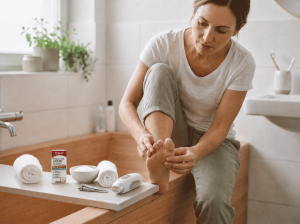
What Exactly is Onychomycosis? Understanding the Enemy
Onychomycosis, the clinical term for a fungal nail infection, is a common and persistent condition. It is caused by microscopic organisms, most frequently a group of fungi called dermatophytes. These organisms thrive in warm, dark, and moist environments, making shoes and socks an ideal breeding ground. The infection often begins as a small white or yellow spot under the tip of a fingernail or toenail and can progressively worsen if not addressed properly.
The Resilient Nature of Dermatophytes
Understanding why consistency is so vital begins with appreciating the tenacity of dermatophytes. These fungi are biologically programmed for survival. They feed on keratin, the protein that makes up the hard surface of your nails. This means your nail itself provides a constant source of nourishment for the infection. They are exceptionally resilient and can withstand periods of dryness or unfavorable conditions, only to become active again when moisture and warmth return. This survival mechanism is a primary reason why sporadic treatment fails; it gives the fungus the opportunity to regroup and continue its destructive path.
Where Does Fungus Hide in the Nail?
A fungal infection is not merely a surface-level issue. The organisms burrow deep into the nail plate and, most critically, into the nail bed—the skin directly beneath the nail. This protected location makes them extremely difficult to reach. Topical creams and lacquers can struggle to penetrate the dense keratin of the nail to reach the nail bed where the core of the infection lies. This is why treatments must be applied relentlessly over a long period, to continuously challenge the fungus as the new, healthy nail grows from the cuticle outward, pushing the infected portion away.
Why Does Treating Stubborn Nail Fungus Take So Long?
Patience is a virtue, and nowhere is this more true than in the battle against onychomycosis. The extended timeline is not a sign of ineffective treatment but is dictated by the natural biology of the human body. The primary factor governing the duration of treatment is the slow, deliberate pace of nail growth.
The Slow Pace of Nail Growth
Fingernails grow at an average rate of about 3.5 millimeters per month, while toenails, which are more commonly affected, grow even slower at approximately 1.5 millimeters per month. For a toenail to completely replace itself can take anywhere from 12 to 18 months. Since the goal of treatment is the full replacement of the infected nail with a healthy one, the treatment must be sustained for this entire duration. You are essentially waiting for your body to perform a slow-motion expulsion of the damaged nail while simultaneously preventing the fungus from invading the new growth.
The Treatment vs. Growth Race
Think of it as a race between new nail growth and fungal proliferation. Your treatment acts as the defense, creating a barrier that stops the fungus from advancing. Your body’s nail growth is the offense, pushing the frontline forward. If you stop applying the treatment, the defense crumbles. The fungus can quickly reclaim territory, infecting the fresh, vulnerable nail that has just grown in. This is why even a short break can be a major setback, forcing you to lose the ground you have painstakingly gained over weeks or months.
How Do Fungal Nail Treatments Actually Work?
Many people mistakenly believe that a nail fungus treatment “cures” the infected nail. In reality, the damaged portion of the nail is already beyond repair. The true function of any effective treatment is not to heal the old nail but to protect the new one. This distinction is fundamental to understanding the need for unwavering consistency.
Inhibiting Fungal Proliferation
Whether you are using a topical antifungal, an oral medication, or a light-based therapy, the primary mechanism is fungistatic or fungicidal. A fungistatic agent prevents the fungus from reproducing, while a fungicidal agent actively kills it. In either case, the goal is to stop the infection in its tracks. By consistently applying the treatment, you create an environment where the fungus cannot thrive or spread to the new nail matrix emerging from the base of your cuticle. This allows the healthy nail to grow into a protected, fungus-free zone.
Creating an Inhospitable Environment
Effective treatments alter the micro-environment of the nail and surrounding skin, making it hostile to dermatophytes. This could involve changing the pH balance, dehydrating the area, or, in the case of light therapy, using specific wavelengths to destroy the fungal cells. A consistent routine ensures this inhospitable state is maintained day after day, without giving the fungus a moment of reprieve to recover and re-establish its hold.
The Consequences of an Inconsistent Treatment Routine
Skipping treatment for a day or two may seem harmless, but it can have significant negative repercussions that undermine all your previous efforts. The resilient nature of the fungus means it will exploit any lapse in your defense.
Allowing the Fungus to Rebound
The most immediate consequence of inconsistency is giving the fungal colony a chance to rebound. The fungus is always present until the last bit of infected nail has grown out. When the antifungal pressure is removed, even for a short time, the dormant or weakened fungal spores can reactivate and begin to multiply again. This leads to a frustrating cycle of improvement followed by regression, making it feel like the treatment is not working when, in fact, the issue is inconsistent application.
Risk of Spreading the Infection
An active fungal infection is a contagious one. Inconsistency doesn’t just risk a rebound in the affected nail; it increases the chances of the fungus spreading. This can happen in several ways: spreading to adjacent, healthy nails; infecting the surrounding skin (leading to athlete’s foot); or even being transmitted to other people in your household through shared spaces like showers or floors.
Resetting Your Treatment Timeline
Every time you miss a significant period of treatment, you are essentially hitting the reset button on your progress. The new nail growth that you worked so hard to protect becomes vulnerable and can get re-infected. This means the 12-to-18-month clock starts over from the point of re-infection. This is the single most common reason why people become frustrated and abandon treatment altogether, believing their onychomycosis is “untreatable.”
Comparing Treatment Methods and Their Demands on Consistency
Different treatments for onychomycosis come with varying protocols, but all of them demand strict adherence. The best method for you may depend on your lifestyle and ability to maintain a consistent routine.
| Treatment Method | Consistency Demand | Common Challenges |
|---|---|---|
| Topical Solutions (Creams, Lacquers) | High (Daily application, often for 12+ months) | Messy application, long drying times, difficulty penetrating the nail, easy to forget. |
| Oral Medications (Pills) | High (Daily intake for several months) | Potential for systemic side effects, requires medical supervision and liver function tests. |
| UVC Light Therapy (At-home devices) | High (Daily sessions, but simplified) | Requires investment in a device, but offers a clean, quick, and automated routine. |
Topical Solutions: The Daily Grind
Over-the-counter or prescription topicals are a common first-line approach. However, their success is notoriously dependent on perfect, uninterrupted application. Users must apply the product daily, often after filing the nail surface. The process can be time-consuming and messy, making it easy to skip when you’re tired or in a hurry.
Oral Medications: Systemic Effects and Adherence
Oral antifungals are more effective at reaching the nail bed but come with their own set of challenges. They require a prescription and medical monitoring due to the risk of side effects, including liver damage. While taking a pill may seem easier than applying a cream, remembering to do it every single day for months without fail is still a significant commitment.
UVC Light Therapy: A Modern Approach to Simplify Your Routine
For those seeking a modern, streamlined approach, UVC light therapy presents a compelling alternative. Devices like the Teseu UVC Nail Fungus Treatment Device offer a drug-free, painless method that targets the fungus directly with specific wavelengths of light. The treatment sessions are quick and automated, making it significantly easier to incorporate into a daily routine and maintain the unwavering consistency needed for success. This technological solution helps remove the daily hassle and mess often associated with topical applications, supporting your journey to clear, healthy nails.
How Can You Build an Unbreakable Treatment Habit?
Success in treating stubborn nail fungus is as much about psychology and habit-formation as it is about medicine. Since consistency is the rule, developing a routine you can stick to is paramount.
Integrate Treatment into Your Daily Schedule
The most effective way to ensure consistency is to “stack” the treatment with an existing habit. This is a technique known as habit stacking. For example, decide to use your treatment device or apply your topical immediately after you brush your teeth in the morning or before you put on your socks. By linking the new behavior to an established one, you create a powerful mental cue that makes it much harder to forget.
Set Digital Reminders
Leverage the technology you carry with you every day. Set a recurring daily alarm or calendar event on your smartphone labeled “Nail Treatment.” This simple, low-effort action can be the difference between sporadic application and the unwavering consistency required for success. Don’t rely on memory alone; automate the reminder.
Track Your Progress Visually
Motivation can wane over the long months of treatment. To combat this, take a clear photo of your affected nail on the day you start treatment. Then, take a new photo on the first day of each subsequent month. Comparing these photos over time provides tangible, visual proof that your consistent efforts are paying off, even when the day-to-day changes are too small to notice. This can provide the encouragement you need to keep going.
What Are the Signs That Your Consistent Efforts Are Working?
Because the process is so slow, it can be difficult to tell if a treatment is working. However, there are subtle but clear indicators of success that you can watch for if you are applying your treatment consistently.
A Clear Line of Demarcation
One of the most encouraging signs is the appearance of a clear, distinct line between the old, discolored nail and the new, healthy growth emerging from the cuticle. As the months go by, you will see this line of healthy nail gradually expand as it pushes the damaged nail toward the tip.
Reduction in Nail Thickness and Discoloration
While the infected part of the nail will not heal, consistent treatment can prevent the fungus from causing further damage. You may notice that the nail stops getting thicker, more brittle, or more discolored. The infection is contained, and the damage is no longer spreading.
Healthy, New Nail Growth at the Cuticle
The ultimate sign of success is the sight of smooth, pink, and healthy nail appearing at the base. This is the new nail that your consistent treatment has been protecting. Seeing this new growth is a powerful confirmation that you are on the right path and must continue your routine until this healthy nail has replaced the old one entirely.
Is It Possible to Speed Up the Healing Process?
In a world of instant gratification, the slow timeline for healing onychomycosis is a major source of frustration. It is natural to wonder if there is any way to accelerate the process. While you cannot magically make your nails grow faster, you can create an optimal environment for healing.
The Myth of a “Quick Fix”
It is critical to be wary of any product or method that promises a “quick fix” or an overnight cure for nail fungus. These claims are biologically impossible. The speed of healing is fundamentally limited by the rate of human nail growth. True success comes not from a miracle cure, but from persistent, long-term care.
Supporting Factors: Hygiene and Nail Care
While you can’t speed up nail growth, you can support your treatment by practicing excellent foot hygiene. Keep your feet clean and dry, change your socks daily, and wear breathable footwear. Disinfect your nail clippers before and after each use, and consider treating your shoes with an antifungal spray or powder to prevent re-infection. These small, consistent habits support your primary treatment and help create an environment where fungus cannot thrive.
When Should Professional Medical Advice Be Sought?
While many cases of nail fungus can be managed with at-home treatments and consistent care, there are situations where seeking the advice of a podiatrist or dermatologist is essential.
Infections That Worsen Despite Treatment
If you have been diligent and consistent with your chosen treatment for several months but the infection continues to worsen—spreading to other nails, becoming more discolored, or causing pain—it is time to see a doctor. You may have a particularly resistant strain of fungus or an entirely different condition that mimics a fungal infection.
Underlying Health Conditions
Individuals with certain health conditions, such as diabetes, poor circulation, or a compromised immune system, should always consult a healthcare professional before beginning any treatment for nail fungus. For these individuals, what starts as a minor nail infection can potentially lead to more serious complications, such as cellulitis (a bacterial skin infection). Professional guidance is crucial to ensure safe and effective management.
Maintaining Healthy Nails After Successful Treatment
Successfully growing out a healthy nail is a major accomplishment, but the journey isn’t over. The fungi that cause onychomycosis are ubiquitous in the environment, and recurrence is common if preventive measures are not taken.
Preventive Measures to Avoid Recurrence
Once your nails are clear, you must remain vigilant. The same habits that support treatment also help prevent recurrence. Keep your feet dry, wear moisture-wicking socks, and avoid going barefoot in public damp areas like gym showers and pool decks. It can be beneficial to continue using a preventive treatment, whether it’s a weekly application of a topical solution or periodic use of a UVC light device, to keep any new fungal spores from taking hold.
The Importance of Footwear and Hygiene
Your shoes can be a reservoir for fungal spores. It is wise to either discard the old shoes you wore frequently during the infection or treat them thoroughly with a UV shoe sanitizer or strong antifungal spray. Rotate your footwear to allow shoes to dry out completely between wearings. Maintaining these simple, consistent hygiene practices is the best way to ensure your hard-won victory over nail fungus is a permanent one.