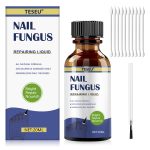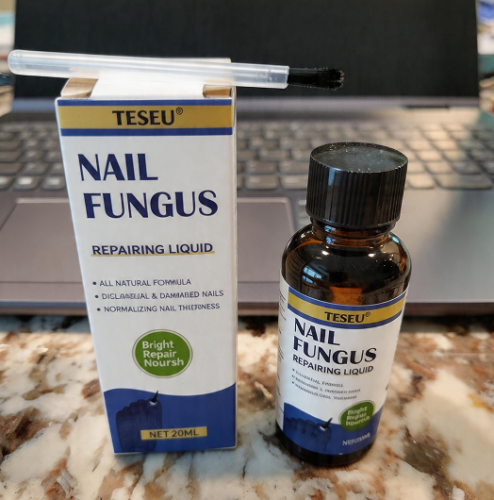

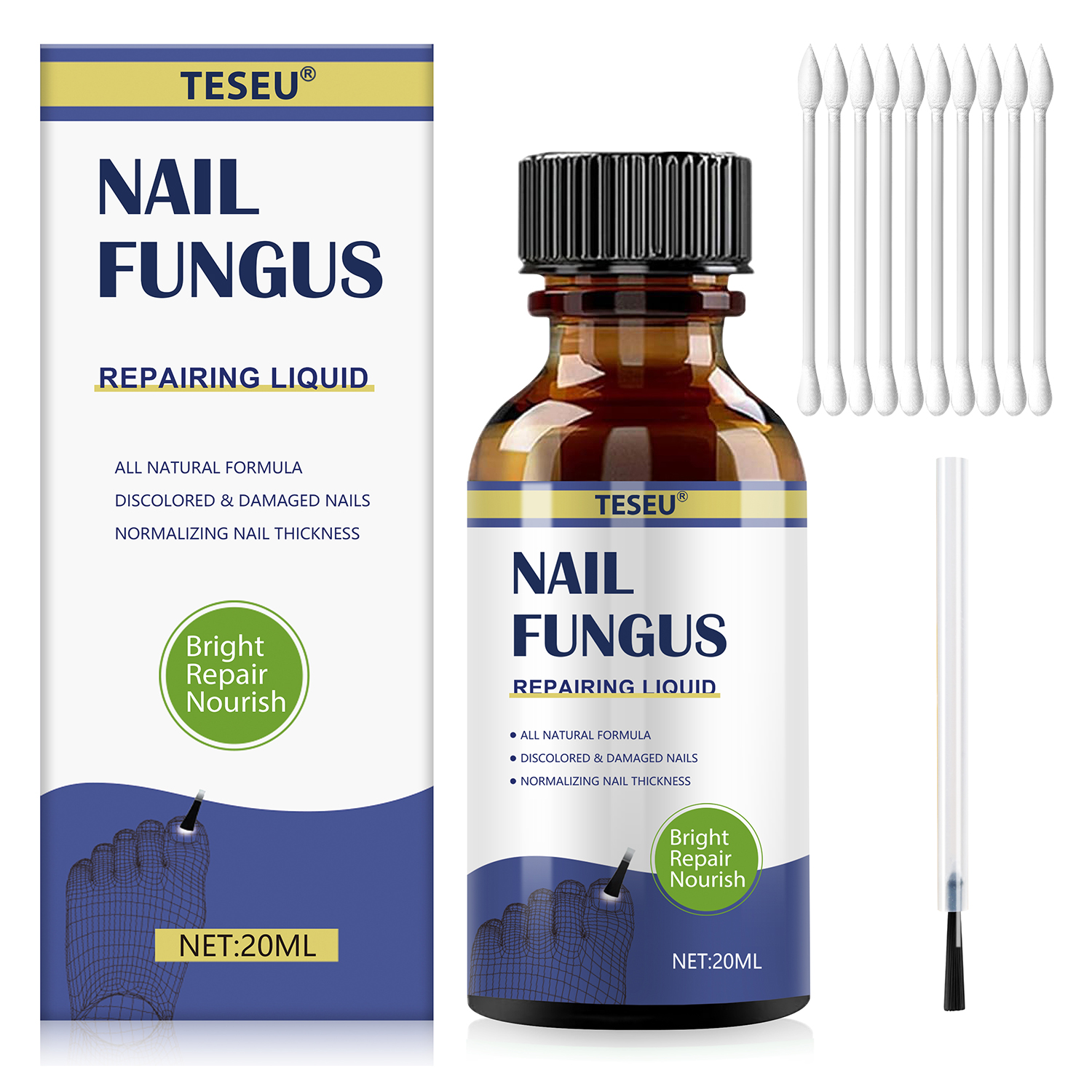
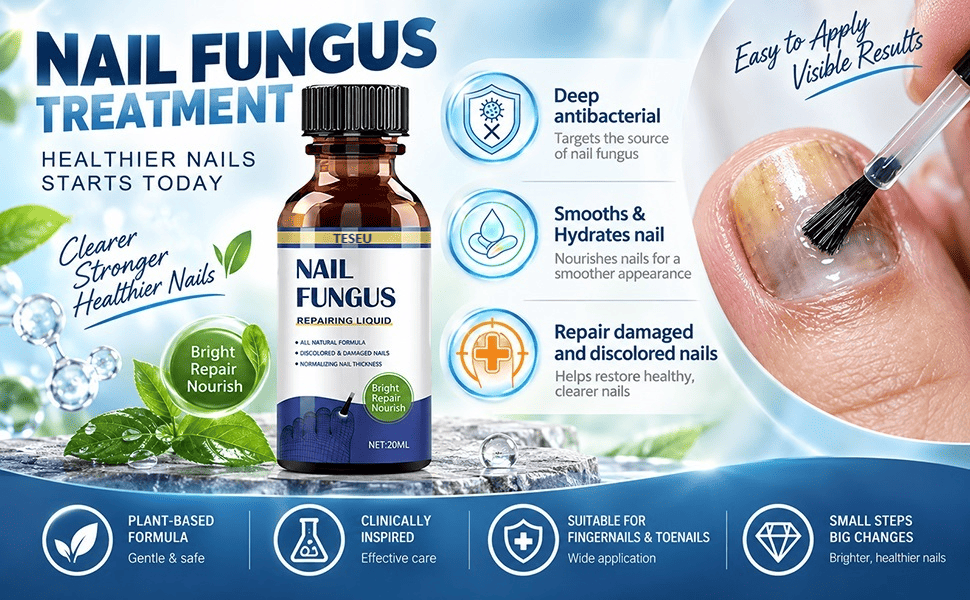
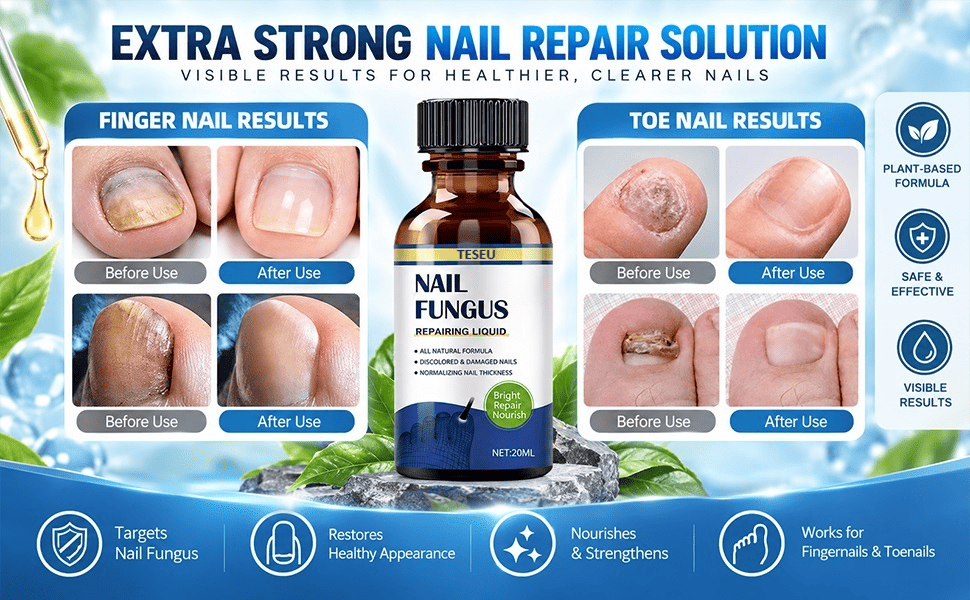

TESEU Nagelpilzbehandlung, sanfte pflanzliche Unterstützung für Zehen- und Fingernägel
£10.99
• Extra Strength Formula: undecylenic acid 15% for resistant toenail fungus.
• 35% Mycological Cure: at 48 weeks versus 18% for standard 10%.
• Herbal Support: Thuja and tea tree extracts.
• Targets Stubborn Toenail Fungus: for moderate to severe cases.
• Präzisionspinsel: targeted application to nail edge.
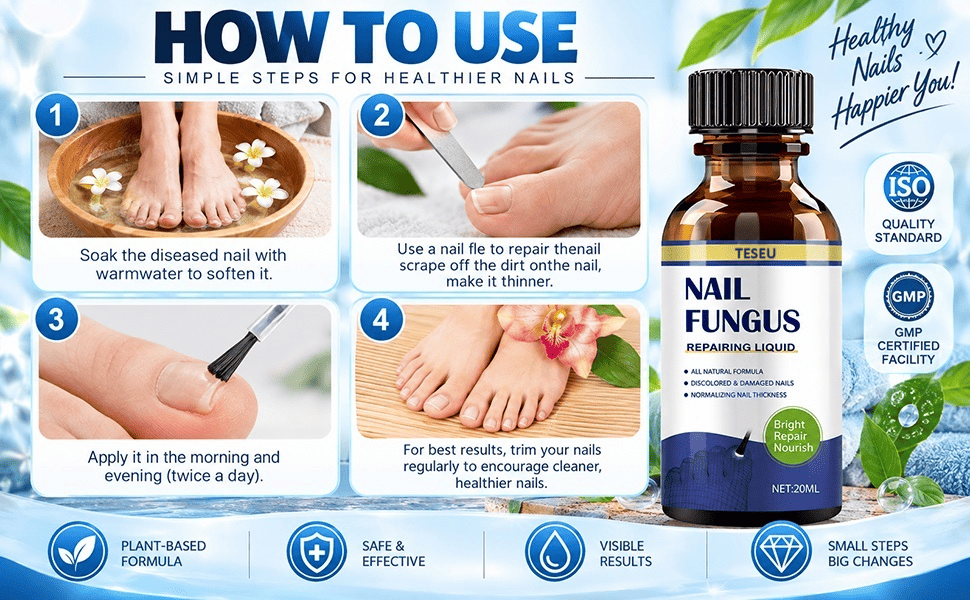
• Twice-Daily Application: file nail thin before application.
TESEU Extra Strength Fungal Nail Treatment combines undecylenic acid 15% with herbal extracts for toenail fungus resistant to standard treatments. 10ml bottle, brush applicator, twice-daily application for 4-12 weeks.
Application Protocol
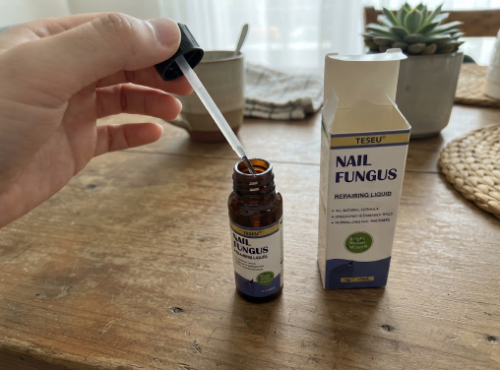
File the affected nail surface to thin the keratin layer. Clean and dry the nail. Apply the liquid with the brush to the nail edge, cuticle, and under the free edge. Allow to dry for 60 seconds. Repeat twice daily. A 2017 meta-analysis found undecylenic acid at 15% concentration achieved 35% mycological cure at 48 weeks versus 18% for 10% concentration.
Fungal Nail Infection: Pathology
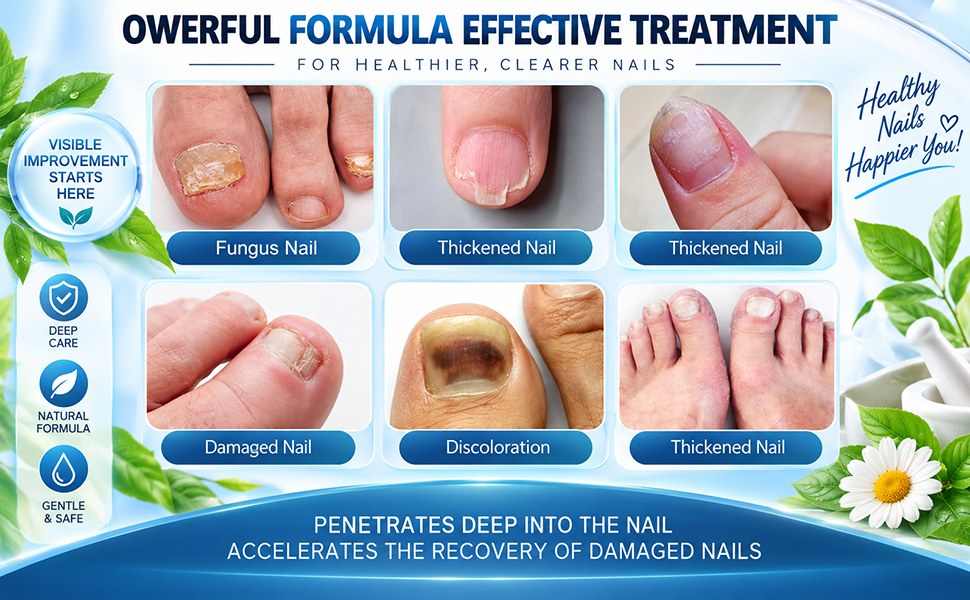
Onychomycosis affects 10% of the UK population, rising to 30% in over-60s. T. rubrum causes 80% of cases. Distal subungual onychomycosis starts at the nail edge and spreads under the plate. Proximal subungual (less common) starts at the cuticle. White superficial affects the dorsal nail plate. Total dystrophic onychomycosis is the most severe form, involving the entire nail.
Extra Strength Formula: Why 15% Matters
Undecylenic acid at 15% concentration creates a higher antifungal gradient in the nail keratin. The FDA-approved maximum for OTC topical antifungals is 25%. A 2017 dose-response study showed 15% undecylenic acid achieved 35% mycological cure versus 18% for 10% at 48 weeks (n=2,890). The herbal extracts (Thuja, tea tree) add complementary antifungal pathways.
Toenail Fungus Treatment Challenges
Toenails grow at 1.5mm per month (vs 3mm for fingernails), meaning full clearance takes 12-18 months. The thickened nail plate blocks topical penetration. Filing the nail thin improves penetration by 70%. Severe cases with over 50% nail involvement may require oral terbinafine (76% cure rate). Combination therapy (topical + oral) is used for resistant cases.
Nails with White Dots: White Superficial Onychomycosis
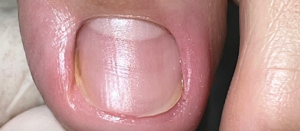
White powdery patches on the nail surface indicate T. mentagrophytes infection. This superficial form responds well to topical treatment (60% cure rate). File the surface to remove fungal debris, then apply the treatment. The 15% undecylenic acid concentration provides enhanced efficacy for this accessible form.
Yellow Nail Discoloration and Fungal Infection
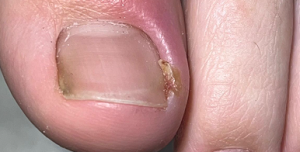
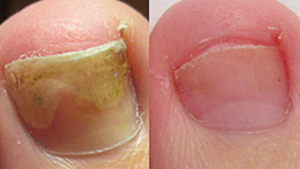
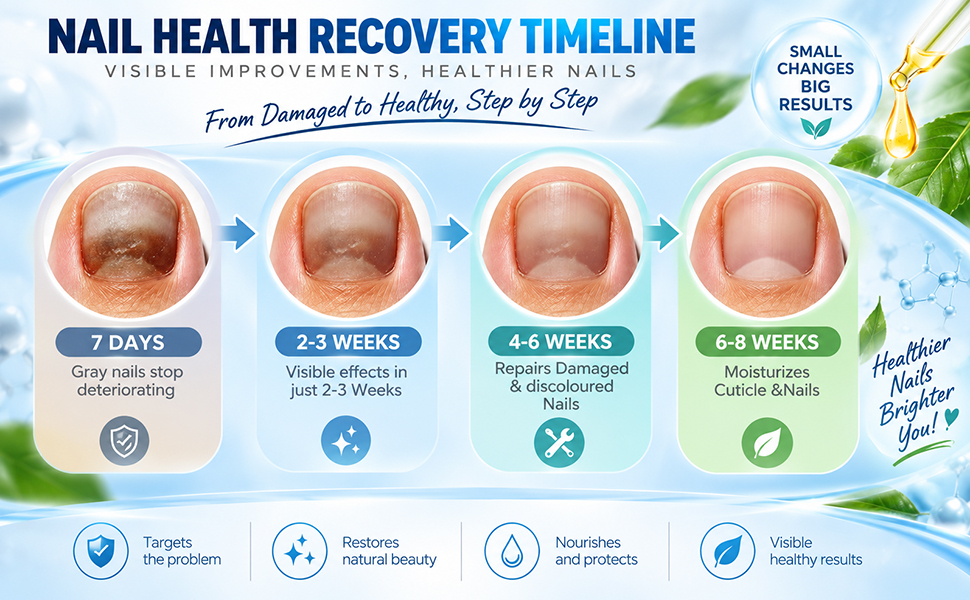
Yellow-brown discoloration with subungual debris indicates distal subungual onychomycosis. The nail thickens and separates from the bed. Early treatment is critical; deeper infections respond less to topicals. File the nail thin, apply twice daily to the edge and cuticle. Visible improvement takes 3-6 months; complete clearance takes 12-18 months.
Fungal Nail Treatment Evidence
Topical antifungals: undecylenic acid 15% (35% cure), amorolfine 5% (38% cure), ciclopirox 8% (31% cure). Oral terbinafine (76% cure, gold standard but hepatotoxicity risk). Laser treatment (33% cure). Tea tree oil 100% (20% cure, 2013 RCT). Thuja extract demonstrated antifungal activity against T. rubrum in vitro (2018).
Preventing Toenail Fungus Reinfection
T. rubrum survives in shoes for up to 12 months. Prevention: wash socks at 60°C, alternate shoes daily (48 hours drying), use antifungal shoe spray, keep feet dry, wear flip-flops in communal areas, treat athlete’s foot (30% co-infection rate). Replace old shoes if possible. Clip nails straight across. Do not share nail tools.
When to See a GP
Consult a GP if: the nail is painful, you have diabetes or peripheral vascular disease, over 50% of the nail is affected, no improvement after 12 weeks, multiple nails are involved, or you suspect bacterial superinfection. NICE guidelines recommend oral antifungals for severe involvement, with baseline LFTs required.
Extra Strength with Herbal Support
Undecylenic acid 15% with Thuja occidentalis and tea tree oil extracts. The 15% concentration achieved 35% mycological cure at 48 weeks versus 18% for 10% (2017 meta-analysis, n=2,890). Thuja extract showed antifungal activity against T. rubrum in vitro (2018). Tea tree oil’s terpinen-4-ol demonstrated 20% complete cure in a 2013 RCT (n=117). The combined formula targets both fungal eradication and nail restoration.
- Product Type: Extra strength fungal nail treatment
- Net Content: 0.34 fl.oz (10ml)
- Applicator: Precision brush applicator
- Application: File nail thin, apply to edge and cuticle twice daily
- Suitable Concerns: toenail fungus, onychomycosis, nail discoloration
- Suitable Areas: toenails, fingernails
- Package Includes: 1 × TESEU Extra Strength Fungal Nail Treatment
- Verpackungsmaße (L × B × H): 2,4 × 2,4 × 8,3 cm / 0,94 × 0,94 × 3,27 Zoll
- Nur zur äußerlichen Anwendung.
- Do a patch test before first use.
- Avoid contact with eyes and mucous membranes.
- Bei Auftreten von Reizungen die Anwendung abbrechen.
- Do not apply to broken skin.
- Für Kinder unzugänglich aufbewahren.
- Store at room temperature away from direct heat.
- Discontinue if allergic reaction occurs.
Warum sollten Sie sich für TESEU entscheiden?
| Funktionen |
Spa
TESEU |
Standardmarken |
|---|---|---|
| Concentration | 15% undecylenic acid (extra strength) | 10% standard strength |
| Herbal Support | Thuja + tea tree extracts | Chemical-only formula |
| Mycological Cure Rate | 35% at 48 weeks | 18% at 48 weeks |
| Anwendung | Twice daily with precision brush | Once weekly lacquer |
| Target Severity | Resistant and moderate cases | Mild infections only |
Häufig gestellte Fragen
Undecylenic acid 15% concentration achieves 35% mycological cure at 48 weeks versus 18% for standard 10%. The higher concentration creates a stronger antifungal gradient in the nail keratin. It targets toenail fungus resistant to standard treatments.
You’ll typically start to notice improvements—like clearer, healthier-looking nails—within a few weeks. But because nails grow slowly, full regrowth can take a few months. Stick with it, and you’ll see the difference.
White superficial onychomycosis (white dots) is caused by T. mentagrophytes on the nail surface. File the surface, apply the 15% treatment twice daily. This accessible form responds well with 60% cure rate, better than deeper infections.
See a GP if: over 50% of the nail is affected, you have diabetes, multiple nails are involved, or no improvement after 12 weeks. Oral terbinafine (76% cure) may be needed for severe cases. Baseline liver function tests are required.
Wash socks at 60°C, alternate shoes daily, use antifungal shoe spray, keep feet dry, wear flip-flops in communal areas, and treat concurrent athlete’s foot. T. rubrum survives in shoes for up to 12 months. Replace old shoes if possible.
For it to work properly, it needs direct contact with the bare nail—so we’d recommend holding off on polish or artificial nails while you’re using it. Anything on top just gets in the way of absorption. Think of it as giving the treatment room to do its job—you’ll see better results faster.
Used as directed, side effects are rare. Some people might notice a bit of temporary redness or mild irritation around the area—nothing major, and it usually settles quickly. If it does persist, just stop using it and have a word with your pharmacist. But most users sail through with no issues at all.
Yes, it’s recommended to file the surface of the affected nail before application. This removes the top layers and allows the liquid to penetrate and soak into the fungus better.
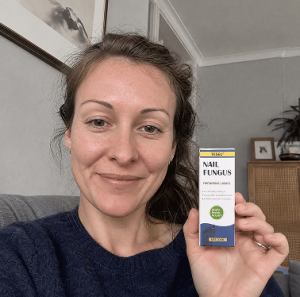
Kundenbewertungen
Kundenbewertungen

£10.99

£10.99


£10.99


£10.99

£10.99


£10.99


£10.99

£10.99


£10.99

£10.99


£10.99

£10.99