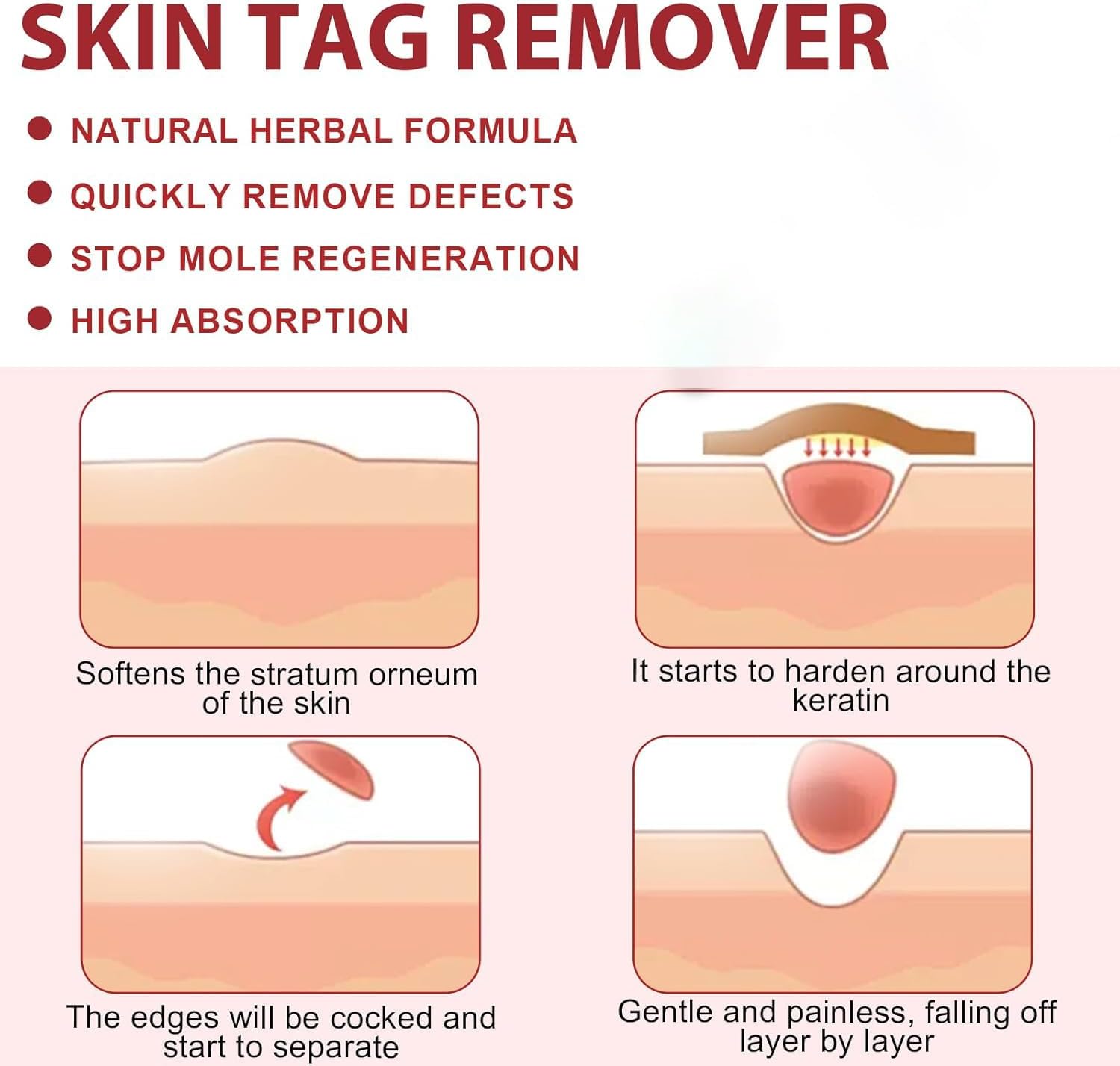
To prevent a skin tag from growing back, you must ensure its complete removal, including the entire base or stalk from which it grows. True recurrence in the exact same spot is highly unlikely when the removal is thorough. Often, what appears as regrowth is either a new skin tag forming nearby due to persistent underlying causes or the result of an incomplete initial removal that left part of the stalk behind. Addressing factors like friction, body weight, and metabolic health is crucial for minimizing the development of new skin tags in the same area.

Table of Contents
What Causes a Skin Tag to Seemingly “Grow Back”?
The frustration of seeing a skin tag reappear after you’ve taken steps to remove it is a common concern. However, understanding the mechanism behind this phenomenon is key to preventing it. The reappearance is rarely a case of the *same* skin tag reviving itself. Instead, it points to one of two scenarios: a brand-new growth in a predisposed area or a remnant of the old one left behind.
The Myth of True Recurrence vs. New Growth
A skin tag, or acrochordon, is a benign tumor that grows from a small stalk called a peduncle. Once this entire structure—flesh and stalk—is completely and correctly removed, it cannot regenerate in the exact same spot. The cells responsible for its formation are gone. So, why does it feel like it grew back?
The answer is that the area where the original skin tag grew is likely a hot spot for their formation. These are typically high-friction zones like the neck, underarms, eyelids, or groin. The conditions that caused the first skin tag (e.g., skin rubbing against skin or clothing) still exist, making it highly probable that a *new* one will develop in the immediate vicinity. To the untrained eye, this new growth appears to be the old one returning from the dead, but it is a separate entity.
The Critical Role of Incomplete Removal
The more direct cause of a skin tag returning in the same spot is an incomplete removal. If any part of the stalk or base is left attached to the skin, it has the potential to regrow. This is a frequent issue with imprecise home remedies like string tying (ligation) or using unverified cutting tools, which may only remove the bulbous part of the skin tag while leaving its root system intact.
A successful removal severs the connection at the skin’s surface cleanly and completely. Without this clean break, the remaining tissue can heal and eventually reform into a new skin tag. This underscores the importance of choosing a removal method that guarantees precision and thoroughness, effectively targeting the growth at its foundation.
Key Factors Contributing to Skin Tag Formation and Recurrence
To stop skin tags from appearing—whether for the first time or as a “recurrence”—you must address the underlying factors that encourage their growth. These factors create the perfect environment for new acrochordons to develop, particularly in areas where you’ve had them before.
The Impact of Friction and Skin Irritation
The single most significant environmental trigger for skin tags is friction. Constant rubbing irritates the skin and can stimulate the overgrowth of collagen and blood vessels that form a skin tag. This is why they are so common in skin folds and areas where clothing or jewelry consistently chafes.
- Neck: Caused by shirt collars and necklaces.
- Underarms: Skin-on-skin rubbing, exacerbated by tight-fitting shirts.
- Groin and Inner Thighs: Friction from walking and restrictive clothing.
- Under the Breasts: A combination of skin folds, moisture, and pressure from bras.
If you remove a skin tag but continue to expose that area to the same level of friction, you are essentially inviting a new one to take its place.
Genetic Predisposition: Are You More Prone?
Genetics play a undeniable role in your likelihood of developing skin tags. If your close family members (parents, siblings) have them, you are statistically more likely to develop them as well. While you cannot change your genetic makeup, knowing you are predisposed allows you to be more vigilant about managing other controllable risk factors, such as weight and skincare routines, to minimize their occurrence.
Underlying Health Conditions: Metabolic Syndrome and Diabetes
Skin tags are often more than just a cosmetic nuisance; they can be an external marker of internal health issues. A strong correlation exists between the presence of multiple skin tags and metabolic syndrome—a cluster of conditions that includes high blood pressure, high blood sugar, excess body fat around the waist, and abnormal cholesterol levels. Specifically, insulin resistance, a hallmark of type 2 diabetes and pre-diabetes, is closely linked to skin tag development. High levels of insulin can promote the growth of skin cells, leading to these formations. Therefore, an increase in skin tags could be a signal to consult a healthcare professional for a metabolic health check-up.
Hormonal Fluctuations and Their Influence
Hormonal shifts can also trigger the growth of skin tags. They are known to appear more frequently during pregnancy, likely due to changes in hormones like estrogen and progesterone, as well as weight gain. Similarly, other endocrine disorders that affect hormone levels can contribute to their formation. While these hormonal triggers may be temporary (as with pregnancy), they highlight the body’s sensitivity to internal chemical changes.
How to Ensure Complete Removal to Prevent Regrowth
The definitive way to prevent a skin tag from growing back is to eradicate it completely. Choosing the right method is the most important decision you will make in this process. Different methods offer varying levels of precision, effectiveness, and risk.
Professional Dermatological Procedures
A dermatologist can offer several highly effective methods that ensure complete removal. These clinical procedures are precise and performed in a sterile environment, minimizing the risk of both infection and incomplete removal.
| Procedure |
Description |
Effectiveness for Complete Removal |
| Cryotherapy |
Freezing the skin tag with liquid nitrogen, causing it to fall off within days. |
High, but may require a follow-up if the entire base isn’t frozen. |
| Electrocautery |
Using an electric current to burn the skin tag off at its stalk. |
Very high; the heat cauterizes the base, ensuring complete removal and preventing bleeding. |
| Excision |
Cutting the skin tag off with a sterile scalpel or surgical scissors. |
Very high, as the dermatologist can visually confirm the entire stalk has been removed. |
Advanced At-Home Removal Technologies
While professional treatments are effective, they can be costly and inconvenient. Recent advancements have brought clinic-level technology into the home, offering a safe and reliable alternative. These devices are specifically engineered for precision, which is essential for preventing regrowth.
For those seeking a dependable at-home solution, devices like the Teseu Skin Tag and Mole Removal Pen offer a powerful option. It utilizes advanced plasma technology, which functions similarly to professional electrocautery, to precisely target and disintegrate the skin tag at its stalk. This method ensures the entire growth is removed from the base, drastically reducing the likelihood of regrowth. As an FDA-approved device, the Teseu pen provides a level of safety and effectiveness that sets it apart from other unverified home remedies, giving you the power to achieve permanent removal with confidence and convenience.
Why Some DIY Methods Lead to Incomplete Removal
Many common do-it-yourself methods are popular due to their low cost, but they carry a high risk of failure and complications. Methods like tying dental floss around the stalk (ligation), applying apple cider vinegar, or using over-the-counter freezing kits often fail to remove the entire base. Snipping a skin tag with unsterilized scissors is particularly dangerous, as it can lead to infection, excessive bleeding, and almost certainly leaves part of the stalk behind, paving the way for regrowth.
Proactive Lifestyle Changes to Minimize New Skin Tag Development
While complete removal handles existing skin tags, a proactive approach to your health and habits is the best long-term strategy to prevent new ones from forming in the same friction-prone areas.
Maintaining a Healthy Weight and Diet
Since skin tags are linked to obesity and insulin resistance, managing your weight is a powerful preventative measure. A balanced diet low in sugar and refined carbohydrates can help stabilize blood sugar and insulin levels, reducing one of the primary triggers for skin cell overgrowth. Combining a healthy diet with regular physical activity not only helps with weight management but also reduces the surface area of skin folds where friction occurs.
Choosing the Right Clothing to Reduce Chafing
Pay close attention to what you wear, especially if you have skin tags in areas like your neck, underarms, or groin. Opt for loose-fitting garments made from soft, breathable fabrics like cotton. Avoid tight collars, restrictive athletic wear, and coarse materials that constantly rub against the skin. For women, ensuring a properly fitted bra can prevent the friction and pressure that cause skin tags to form underneath the bust line.
Skincare for Friction-Prone Areas
Keeping skin-fold areas clean and dry is essential. Moisture can increase friction and create an environment ripe for skin irritation. After showering, be sure to dry these areas thoroughly. Consider using a talc-free powder in your underarms or groin to absorb excess moisture and reduce chafing throughout the day. Creating a smooth, dry surface makes it much harder for the friction that leads to skin tags to take hold.
What to Do If a Skin Tag Returns
If you notice what looks like a new skin tag in a previously treated spot, first assess the situation. Was the initial removal performed with a precise method, or was it an unreliable DIY attempt? If the latter, it’s likely an incomplete removal is to blame. If you are confident the removal was thorough, then it is a new growth, signaling that the underlying conditions (like friction or a metabolic issue) are still present.
At this point, you can opt for another removal, this time focusing on a method that guarantees complete eradication, such as a professional procedure or a high-quality at-home device. Simultaneously, double down on the preventative lifestyle strategies. If you have numerous or rapidly appearing skin tags, it is wise to schedule an appointment with your doctor to screen for underlying health conditions like diabetes or metabolic syndrome.