Safely treating a fungal infection on highly sensitive skin requires a delicate balance between effectively eliminating the fungus and protecting the skin’s fragile barrier. The key is to use gentle, targeted antifungal treatments while simultaneously soothing and supporting the skin with a non-irritating care routine. For those with reactive skin, this dual approach minimizes the risk of irritation, redness, and further damage, ensuring both the infection and the skin can heal properly.

Table of Contents
What Are Fungal Infections and Why Is Sensitive Skin More Vulnerable?
Fungal infections, or mycoses, are common skin conditions caused by microscopic fungi called dermatophytes or yeasts. These organisms thrive in warm, moist, and dark environments, often targeting areas like the feet (athlete’s foot), groin (jock itch), scalp, and skin folds. Common types include ringworm (tinea corporis), which appears as a circular, reddish rash, and candidiasis, a yeast infection that often presents as a red, itchy rash with satellite lesions.
Individuals with highly sensitive skin often have a compromised skin barrier. This barrier, known as the stratum corneum, is the outermost layer of the skin responsible for locking in moisture and keeping out harmful substances, including allergens, irritants, and pathogens like fungi. When this barrier is weakened—due to genetics, conditions like eczema or rosacea, or overuse of harsh products—it becomes more permeable. This increased permeability makes it easier for fungi to penetrate the skin and establish an infection. Furthermore, the inflammatory response in sensitive skin is often exaggerated, meaning a fungal infection can trigger more intense redness, itching, and discomfort than it might on normal skin.
How Can You Identify a Fungal Infection on Sensitive Skin?
Identifying a fungal infection on highly sensitive skin can be tricky, as the symptoms may overlap with other skin conditions like eczema or psoriasis. However, there are distinguishing signs to watch for. Fungal rashes often have a defined border that may be slightly raised or scaly. In the case of ringworm, this creates the classic ring shape with a clearer center. Other fungal infections might appear as patches of red, inflamed skin, sometimes accompanied by small pustules or blisters, particularly with candida infections.
The most telling symptoms include:
- Intense, persistent itching that doesn’t fully resolve with standard moisturizers.
- A rash that worsens in moist conditions, such as after sweating or in skin folds.
- A burning or stinging sensation, especially when the skin is irritated.
- Fine, dry scaling or peeling skin on the surface of the rash.
- A circular or arc-shaped pattern of inflammation.
For a definitive diagnosis, a dermatologist can perform a simple test, such as a skin scraping examined under a microscope (KOH test) or a fungal culture, to confirm the presence of fungi and rule out other conditions.
Which Antifungal Treatments Are Safest for Sensitive Skin?
When selecting a treatment, prioritize formulations designed to be gentle. Many over-the-counter antifungal creams contain active ingredients that are effective but can be harsh on reactive skin. It is crucial to choose the right medication and apply it correctly.
Over-the-Counter (OTC) Options
For mild to moderate infections, several OTC options are generally safe if used with care. Look for creams, lotions, or powders containing active ingredients like Clotrimazole or Miconazole, as these are often well-tolerated. It’s best to choose products that are free of alcohol, fragrances, and unnecessary preservatives, which can provoke irritation. A patch test is highly recommended: apply a small amount of the product to an unaffected area of skin near the rash and wait 24-48 hours to check for any adverse reaction before applying it to the entire infected area.
Prescription Medications
If OTC treatments fail or cause irritation, a dermatologist may prescribe stronger yet gentler options. These can include:
- Ketoconazole 2% cream: A broad-spectrum antifungal that is effective against a wide variety of fungi.
- Econazole nitrate: Available in a foam or cream formulation that can be less greasy and more comfortable on the skin.
- Low-dose corticosteroids: Sometimes, a doctor may prescribe a combination cream containing a mild steroid to quickly reduce the inflammation and itching associated with the fungal infection. This is typically for short-term use only.
In severe or widespread cases, oral antifungal medications like fluconazole or terbinafine may be necessary. These are systemic treatments that work from the inside out but require medical supervision due to potential side effects.
What Natural and Home Remedies Can Help Soothe Sensitive Skin?
While medical treatments are essential for eradicating fungi, certain natural remedies can help soothe irritation and support the healing process. However, these should be used as complementary therapies, not as standalone treatments for the infection itself. Always perform a patch test before applying anything new to sensitive skin.
Soothing Applications
A cool compress made with a clean, soft cloth soaked in cool water can provide immediate relief from itching and burning. Apply it to the affected area for 10-15 minutes several times a day. Adding brewed and cooled chamomile tea to the compress can offer additional anti-inflammatory benefits.
Gentle Antifungal Agents
Some natural ingredients possess mild antifungal properties and may be tolerated by sensitive skin.
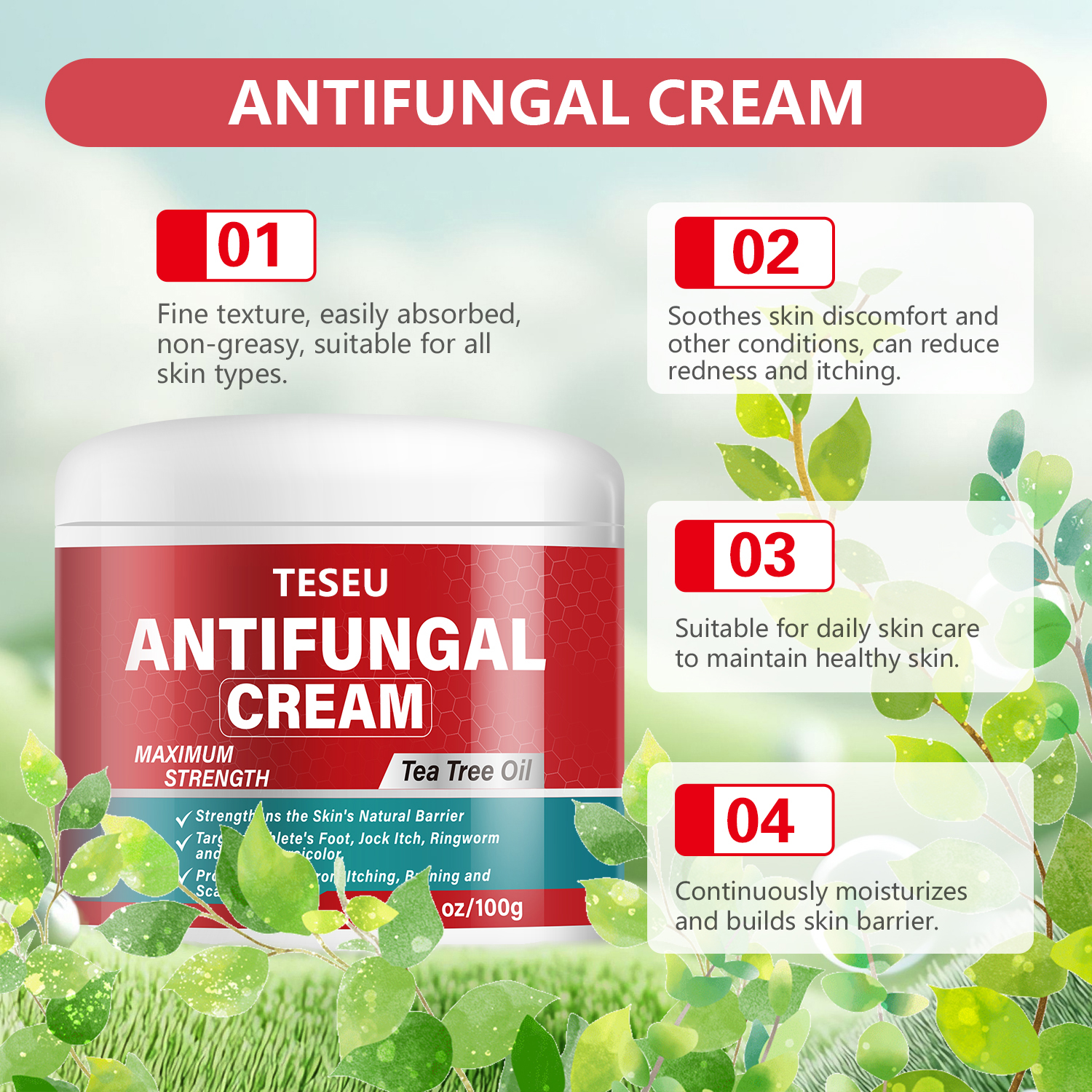
- Tea Tree Oil: Known for its antifungal and antibacterial properties, tea tree oil must be heavily diluted. Mix 1-2 drops with a tablespoon of a carrier oil like coconut or jojoba oil. Use with extreme caution, as it can be a potent irritant for many people with sensitive skin.
- Coconut Oil: Contains caprylic acid, which has been shown to have antifungal effects against Candida. Applying a thin layer of pure, cold-pressed coconut oil can help moisturize the skin while fighting the fungus.
It is vital to stop using any home remedy immediately if you notice increased redness, stinging, or worsening of the rash.
How Should You Build a Supportive Skincare Routine?
While treating the infection, your daily skincare routine should focus on minimizing irritation and rebuilding your skin barrier. Harsher products can strip the skin of its natural oils, worsening sensitivity and delaying healing.
Gentle Cleansing
Avoid harsh soaps and cleansers that contain sulfates. Instead, opt for a soap-free, pH-balanced cleanser. The Teseu Cleansing Foam is an excellent choice, as its gentle, fragrance-free formula effectively cleanses without stripping the skin’s natural moisture, making it ideal for compromised and sensitive skin. When washing, use lukewarm—not hot—water and pat the skin dry with a soft towel. Avoid rubbing the affected area.
Strategic Moisturization
Moisturizing is crucial, but timing is everything. Do not apply moisturizer on top of your antifungal cream, as this can dilute the medication and trap too much moisture, potentially worsening the infection. The best approach is to apply your antifungal medication and let it absorb fully. Then, moisturize the *surrounding* healthy skin to maintain its barrier function. For a deeply hydrating and barrier-repairing option, consider the Teseu Repairing Moisturizer. Its prebiotic and ceramide-rich formula helps restore the skin’s microbiome and structural integrity, which is essential for preventing future infections.
What Lifestyle Changes Prevent Future Fungal Infections?
Preventing recurrence is just as important as treating the current infection. Fungi thrive in specific environments, so modifying your daily habits can make your skin a less hospitable place for them.
The most impactful changes include:
- Keep Skin Clean and Dry: This is the single most important preventive measure. After bathing, exercising, or sweating, dry your skin thoroughly, paying special attention to skin folds, the area between your toes, and the groin.
- Choose Breathable Fabrics: Wear loose-fitting clothing made of natural, breathable materials like cotton, bamboo, or linen. These fabrics allow air to circulate and help wick moisture away from the skin. Avoid synthetic materials like nylon or polyester for undergarments and workout clothes.
- Practice Good Foot Hygiene: If you are prone to athlete’s foot, change your socks daily (or more often if your feet get sweaty). Alternate your shoes to allow them to dry out completely between wears, and consider using an antifungal powder in your shoes.
- Avoid Sharing Personal Items: Do not share towels, clothing, shoes, or razors, as fungi can easily be transmitted through these items.
Adopting these habits creates an environment that is unfavorable for fungal growth, significantly reducing your risk of reinfection, especially when your skin is inherently sensitive.
When Is It Essential to Consult a Dermatologist?
While some mild fungal infections can be managed with OTC care, self-treatment is not always appropriate or effective, particularly for those with highly sensitive skin. Consulting a dermatologist is crucial in several scenarios to ensure a safe and correct treatment path. A professional diagnosis is the first step toward effective treatment, as many skin conditions mimic fungal infections.
You should make an appointment with a dermatologist if:
- The rash does not improve or worsens after a week of using an OTC antifungal treatment.
- The infection spreads to other parts of your body or covers a large area.
- The skin becomes excessively red, swollen, weeps fluid, or shows signs of a secondary bacterial infection (like honey-colored crusting).
- You experience a significant allergic reaction to a topical product.
- The infection recurs frequently, which may indicate an underlying issue that needs to be addressed.
- You have a compromised immune system due to a medical condition or medication.
A dermatologist can provide an accurate diagnosis, prescribe appropriate medications that are less likely to irritate sensitive skin, and offer a comprehensive management plan.
Can Diet Affect Fungal Infections and Skin Sensitivity?
The connection between diet, skin health, and fungal infections is an area of growing interest. While diet alone will not cure a fungal infection, certain dietary choices can help support your body’s ability to fight the infection and strengthen your skin barrier from within. Fungi, particularly yeasts like Candida, feed on sugar. A diet high in refined sugars and carbohydrates can potentially promote fungal overgrowth.
Consider incorporating these dietary adjustments:
- Reduce Sugar and Refined Carbs: Limiting your intake of sugary foods, white bread, and processed snacks may help curb the fuel source for fungi.
- Incorporate Probiotics: Probiotic-rich foods like yogurt, kefir, and fermented vegetables can help balance your gut and skin microbiome, creating a more robust defense against pathogens.
- Boost Your Intake of Anti-inflammatory Foods: Foods rich in omega-3 fatty acids, such as salmon, walnuts, and flaxseeds, can help reduce overall inflammation, potentially calming skin sensitivity.
- Add Antifungal Foods: Garlic, coconut oil, and oregano are known to have natural antifungal properties and can be easily included in your daily meals.
A balanced diet rich in whole foods, vitamins, and minerals supports your immune system and overall skin health, making your body a less welcoming host for fungal invaders.
What Should You Avoid When Treating Sensitive, Infected Skin?
When your skin is already inflamed from an infection and is naturally sensitive, avoiding certain products and habits is critical to prevent further irritation and damage. The wrong choices can delay healing and intensify your discomfort.
| What to Avoid |
Why It’s Harmful |
| Harsh Scrubs & Exfoliants |
Physical or chemical exfoliants can disrupt the already-compromised skin barrier, causing micro-tears and worsening inflammation. |
| Fragranced Products |
Perfumes and fragrances are among the most common causes of allergic contact dermatitis and can severely irritate infected skin. |
| Alcohol-Based Toners & Treatments |
Alcohol is extremely drying and can strip the skin of its protective oils, leading to more irritation, tightness, and a burning sensation. |
| Occlusive Ointments (e.g., Petroleum Jelly) |
While great for dry skin, thick ointments can trap heat and moisture over a fungal infection, creating a perfect breeding ground for the fungi to multiply. |
| Scratching the Itch |
Scratching can break the skin, introducing bacteria and leading to a secondary infection. It also spreads fungal spores to other areas. |
By consciously avoiding these triggers, you protect your skin’s integrity and allow the antifungal medication to work more effectively in a calm, non-irritated environment.
How Can You Manage Side Effects from Antifungal Medications?
Even when chosen carefully, antifungal medications can sometimes cause mild side effects on sensitive skin, such as redness, stinging, or increased dryness at the application site. Managing these reactions promptly is key to continuing your treatment comfortably.
If you experience mild irritation from a topical antifungal cream, try these strategies:
- Apply to Dry Skin: Ensure your skin is completely dry before applying the medication, as damp skin can increase absorption and the potential for stinging. Wait at least 20-30 minutes after bathing.
- Use a “Buffer”: For very reactive skin, a dermatologist might suggest applying a thin layer of a gentle, barrier-repairing moisturizer first, letting it absorb, and then applying the antifungal cream. This can buffer the medication but may slightly reduce its potency, so it should only be done under medical advice. A scientifically formulated product like the Teseu Hydrating Serum applied to the skin before other steps can help fortify the skin barrier without occluding it.
- Reduce Application Frequency: If your doctor’s instructions allow, you might temporarily reduce the application from twice a day to once a day to see if your skin can better tolerate it. Discuss this change with your doctor first.
If irritation is severe or persists, stop using the product and contact your dermatologist. They can prescribe an alternative formulation or a different active ingredient that your skin may tolerate better. Never hesitate to seek professional medical advice when dealing with adverse reactions.