Safely wearing open-toed shoes while managing a fungal nail infection is possible with careful hygiene and the right products. The key is to create a barrier between the infected nail and the environment, use breathable footwear, apply antifungal treatments consistently, and keep the feet clean and dry. This approach helps prevent the spread of the fungus while allowing you to enjoy your favorite footwear.
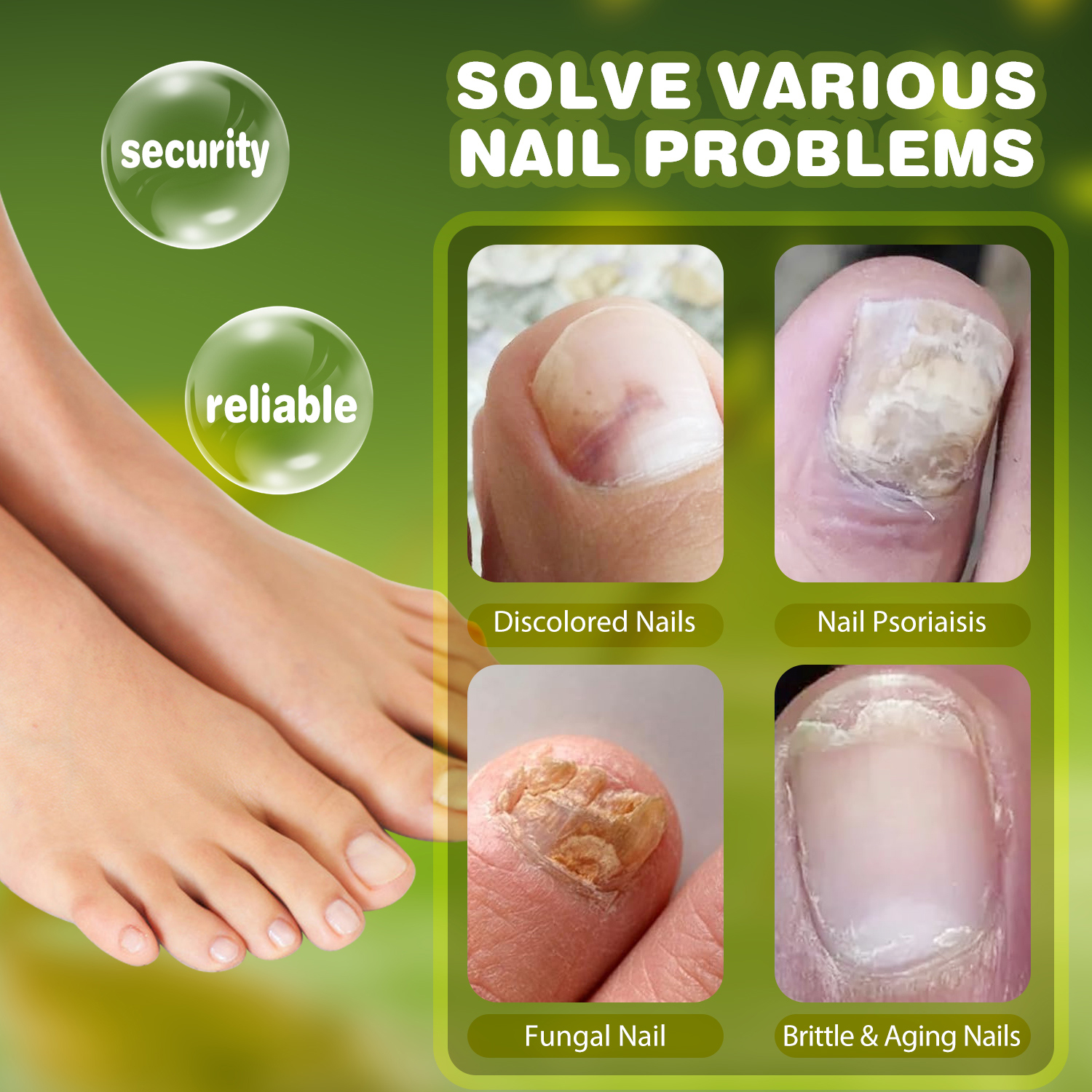
Table of Contents
What Is Nail Fungus and Why Does It Matter?
Nail fungus, or onychomycosis, is a common infection of the toenails or fingernails caused by various fungal organisms. The most frequent culprits are dermatophytes, but yeasts and molds can also be responsible. These organisms thrive in warm, moist environments, making feet particularly susceptible. The infection often begins as a small white or yellow spot under the tip of the nail and can gradually spread, causing the nail to discolor, thicken, and become brittle or crumbly.
Understanding the nature of this infection is crucial because it is more than just a cosmetic issue. If left untreated, a fungal nail can become painful and may lead to more severe complications, especially for individuals with compromised immune systems or diabetes. The fungus can spread to other nails, the surrounding skin (causing athlete’s foot), and even to other people through direct or indirect contact. This contagious nature is why managing it while wearing open footwear requires such careful attention.
What Are the Risks of Wearing Open-Toed Shoes with Nail Fungus?
While open-toed shoes offer beneficial air circulation, they also present specific risks when you have an active fungal infection. Exposing an infected nail to the environment can increase the chance of spreading the fungus. Fungal spores can be shed onto public surfaces like pool decks, locker room floors, or even household carpets, potentially infecting others. This is a primary concern in shared spaces.
Furthermore, an exposed infected nail is more vulnerable to secondary bacterial infections. A brittle, damaged nail can have small cracks or fissures that allow bacteria to enter, leading to inflammation, pain, and pus. The nail is also more susceptible to physical trauma, which can worsen the existing fungal condition and make treatment more difficult. Protecting the nail is as important as treating it, especially when it is exposed.
How Should You Prepare Your Nail for Open-Toed Shoes?
Proper preparation is the first line of defense before slipping into sandals or other open footwear. Start by cleaning the affected foot and nail thoroughly with soap and water, then dry them completely, paying special attention to the area between the toes. Moisture is the primary ally of fungus, so ensuring the area is arid is non-negotiable.
Next, carefully trim the infected nail. Cut it straight across and file down any thickened areas. This not only improves the nail’s appearance but also helps antifungal treatments penetrate more effectively. Be gentle to avoid causing any trauma or cuts to the surrounding skin. Use a separate, disinfected set of clippers and files for the infected nail to prevent cross-contamination to healthy nails. After trimming, apply your prescribed or over-the-counter antifungal treatment as directed. Allow it to fully absorb and dry before proceeding to the next step.
Which Protective Barriers Are Most Effective?
Creating a physical barrier over the infected nail is an excellent strategy to prevent the spread of spores and protect the nail from external elements. One of the most effective options is a medicated, breathable nail polish. These polishes are specifically formulated with antifungal ingredients that treat the infection while providing a clean, cosmetic finish. Unlike standard nail polishes that can trap moisture, these allow the nail to breathe.
Another option is using a breathable nail wrap or a waterproof, sterile bandage. If using a bandage, ensure it is not wrapped too tightly, as this could restrict blood flow and create a moist environment underneath. Change the bandage daily or anytime it gets wet. These barriers serve a dual purpose: they conceal the unsightly appearance of the nail and contain the infectious spores, allowing you to feel more confident and hygienic in open-toed shoes.
The type of open-toed shoes you choose matters significantly. Opt for footwear made from natural, breathable materials like leather, suede, or canvas. These materials allow for better air circulation compared to synthetic materials like plastic or rubber, which can trap heat and moisture, creating a perfect breeding ground for fungi. Look for sandals or slides with a supportive and comfortable footbed to reduce pressure on the toes.
The shoe’s design is also important. Shoes with a wider toe box or an open design that doesn’t put pressure on the affected nail are ideal. Avoid tight straps that might rub against the infected nail or surrounding skin, as this can cause irritation and potential injury. Regularly sanitizing your shoes with an antifungal spray or powder is another critical step to prevent reinfection and kill any lingering spores within the footwear.
What Are Safe Ways to Conceal a Fungal Nail Infection?
Dealing with the appearance of a fungal nail can be emotionally taxing. Fortunately, there are safe methods to conceal it while continuing treatment. As mentioned, antifungal nail polish is a top choice. These products are specifically designed to be permeable, allowing oxygen to reach the nail bed and moisture to escape, all while delivering antifungal agents directly to the source. They come in various colors, allowing for a discreet and aesthetic solution.
Avoid using regular, non-medicated nail polish. Traditional acrylic or gel polishes create a non-breathable, occlusive seal over the nail. This traps moisture and darkness, creating an ideal incubator for the fungus to thrive and worsen. If you do not have access to antifungal polish, wearing a clean, breathable bandage is a much safer alternative for concealment than a standard cosmetic polish.
What Daily Hygiene Practices Are Essential?
Consistent, rigorous hygiene is the cornerstone of managing a fungal nail infection and preventing its spread. Wash your feet daily with soap and water and dry them meticulously. After drying, apply your antifungal medication as prescribed. Letting your feet “air out” for a period each day can also be beneficial.
It is equally important to manage your footwear and socks. Always wear clean, dry socks, and change them if your feet become sweaty. Cotton or wool socks are more absorbent than synthetic blends. Sanitize your shoes regularly. You can use an ultraviolet (UV) shoe sanitizer or an antifungal spray. Never wear the same pair of shoes two days in a row; give them at least 24 hours to air out and dry completely. This daily routine disrupts the fungal life cycle and is essential for successful treatment.
When Is It Best to Avoid Open-Toed Shoes Entirely?
There are specific situations where wearing open-toed shoes should be avoided, even with precautions. If the infection is severe—meaning the nail is extremely thick, crumbly, or causing significant pain—it is best to keep it protected in clean socks and closed, breathable footwear. Any sign of a secondary bacterial infection, such as redness, swelling, warmth, or pus around the nail, is a clear indicator to avoid open footwear and seek medical attention immediately.
Furthermore, avoid open-toed shoes in high-risk public areas like swimming pools, public showers, and gym locker rooms. In these environments, the risk of spreading the infection to others or picking up another one is very high. For these situations, dedicated shower shoes or waterproof sandals are a must.
Why Is Professional Treatment the Ultimate Solution?
While the strategies above help manage the condition, they are not a substitute for professional treatment. Onychomycosis is notoriously stubborn and difficult to eradicate with over-the-counter products alone. A podiatrist or dermatologist can accurately diagnose the type of fungus and recommend the most effective course of action, which may include powerful topical medications, oral antifungal drugs, or advanced therapies.
At Teseu, we specialize in state-of-the-art laser treatment for toenail fungus. This non-invasive procedure uses focused light energy to penetrate the nail and destroy the fungus at its source without harming the surrounding tissue. It is a quick, safe, and highly effective solution that addresses the root of the problem, leading to the growth of a new, clear, and healthy nail. Combining professional treatment with diligent home care provides the fastest and most reliable path to resolving a fungal nail infection permanently.
How Can You Prevent Future Fungal Infections?
Once your nail is clear, the focus shifts to prevention. Fungal infections have a high rate of recurrence, so maintaining vigilant habits is key. Continue practicing good foot hygiene, keeping your feet clean and dry. Be cautious in public, damp areas—always wear protective footwear like flip-flops in locker rooms, public pools, and showers.
Rotate your shoes daily to allow them to air out and invest in moisture-wicking socks. Regularly inspect your feet and nails for any early signs of infection, such as slight discoloration or thickening. Addressing any changes immediately can stop a new infection before it takes hold. A proactive approach is the best defense against future fungal nail problems.