How do our herbal ingredients break down tough wart tissue layer by layer?
Discover how specific herbal compounds effectively dismantle stubborn wart tissue by progressively softening and dissolving the hardened layers, offering a targeted approach to clearing the skin. This natural process leverages keratolytic and antiviral properties found in select botanicals to break down the protein structure of the wart and address the underlying viral cause, promoting the regeneration of healthy skin from beneath.
TESEU
Discover how specific herbal compounds effectively dismantle stubborn wart tissue by progressively softening and dissolving the hardened layers, offering a targeted approach to clearing the skin. This natural process leverages keratolytic and antiviral properties found in select botanicals to break down the protein structure of the wart and address the underlying viral cause, promoting the regeneration of healthy skin from beneath.
Table of Contents
What Are Warts and Why Are They So Resilient?
Warts are benign skin growths caused by various strains of the human papillomavirus (HPV). When the virus enters the body, typically through a small cut or abrasion, it infects the top layer of skin (the epidermis). This infection triggers the rapid growth of keratinocytes, the cells that produce keratin—a tough, structural protein. This overproduction results in the thick, hardened, and rough-textured growth we recognize as a wart.
Their resilience stems from this very structure. The wart effectively creates a protective fortress of thickened, dead skin. This dense wall of keratin, known as hyperkeratosis, shields the virus-infected cells deep within the growth. This barrier makes it difficult for the body’s immune system to detect and attack the virus and also poses a significant challenge for topical treatments, which must first penetrate this tough outer shield to reach the active viral core.
The Initial Assault: How Herbs Soften the Outer Wart Layer
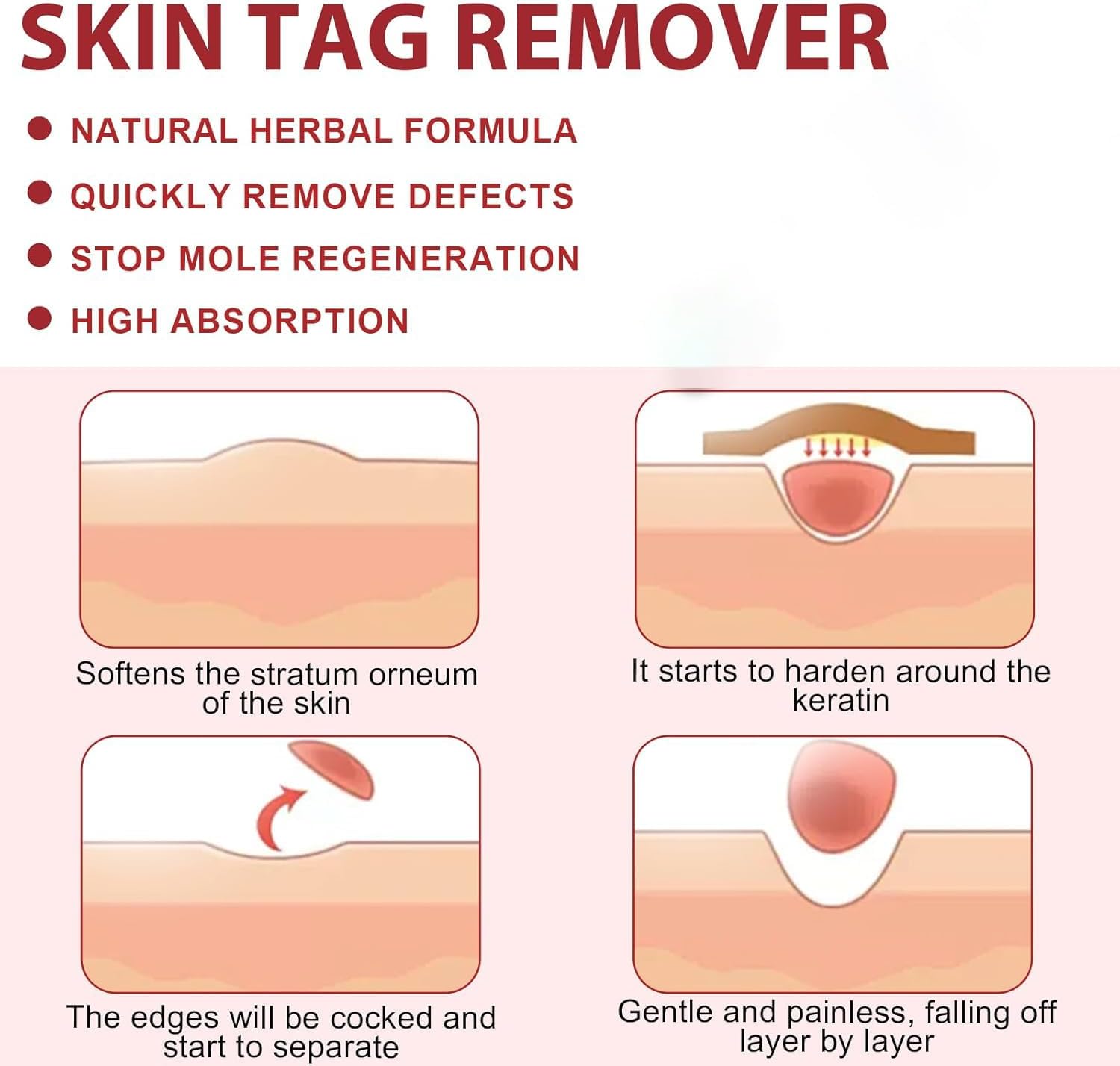
The first step in dismantling a wart is to breach its outer defenses. Potent herbal formulations initiate this process through powerful softening agents. Compounds within specific botanicals work to hydrate and break the bonds holding the dense, dead skin cells together on the wart’s surface. Think of it as introducing moisture into a hardened, dry structure, causing it to lose its rigidity.
Ingredients such as those found in the Teseu wart removal formula are selected for their ability to gently but effectively initiate this softening. By applying the herbal solution, these compounds begin to saturate the hyperkeratotic tissue. This action not only makes the wart’s surface more pliable but also creates pathways for the more potent, active ingredients to seep deeper into the structure. This initial phase is crucial, as without effective softening, the treatment would remain superficial and fail to address the wart’s root.
Penetrating the Core: Dissolving Keratin Proteins
Once the outer layer is softened, the next phase involves a deeper-acting mechanism: the dissolution of the keratin protein matrix itself. The structural integrity of a wart is entirely dependent on this dense network of keratin. Specialized herbal ingredients contain active compounds that possess keratolytic properties, meaning they have the chemical ability to break down protein.
These compounds work by cleaving the bonds that link keratin filaments together. As these bonds are systematically broken, the entire wart structure begins to weaken and destabilize from the inside out. The tissue loses its mass and cohesion, effectively “dissolving” away. This process is gradual and controlled, allowing the treatment to work through the wart layer by layer without causing excessive irritation to the surrounding healthy skin. It is a targeted biochemical process that dismantles the wart’s physical form.
What is the Keratolytic Effect in Herbal Treatments?
The keratolytic effect is the cornerstone of effective wart removal. This term describes the process of breaking down keratin. While synthetic agents like salicylic acid are well-known keratolytics, nature offers its own powerful alternatives. Many plants have evolved to produce compounds—such as specific alkaloids, saponins, and enzymes—that can effectively digest or dismantle tough protein structures. In the context of wart treatment, these natural keratolytics are harnessed to specifically target and destroy the abnormal buildup of skin that forms the wart.
The Science of Keratin Breakdown
At a molecular level, herbal keratolytic agents disrupt the disulfide bonds and hydrogen bonds that give keratin its strength and rigidity. Imagine keratin as a tightly woven fabric; these compounds act like microscopic scissors, snipping the threads that hold the fabric together. As the keratin network degrades, the wart tissue exfoliates, sheds, and sloughs off in thin layers. This controlled degradation is vital, as it allows the body to gradually eliminate the abnormal tissue while exposing the deeper, virus-infected layers to the treatment’s antiviral components.
Key Herbal Compounds with Keratolytic Action
Certain herbs are renowned for their potent keratolytic effects. Teseu’s formulation leverages this ancient knowledge with modern science. For example:
Sophora flavescens (Ku Shen): Contains alkaloids like matrine and oxymatrine, which have been studied for their ability to affect cell proliferation and break down tissue.
Radix Stemonae (Bai Bu): Traditionally used for parasitic skin conditions, its compounds can help disrupt the integrity of the wart’s structure.
Cnidium monnieri (She Chuang Zi): Rich in osthole, a coumarin that exhibits properties which can assist in breaking down abnormal skin growths.
These herbs work synergistically, with some softening the tissue while others actively dissolve the keratin matrix, creating a comprehensive and effective keratolytic action.
Addressing the Root Cause: Antiviral Herbal Mechanisms
Merely removing the physical wart tissue is only half the battle. If the underlying human papillomavirus (HPV) is not addressed, the wart can easily regrow. This is where the antiviral properties of specific herbal ingredients become critically important. Many botanicals possess powerful compounds that can inhibit viral replication and help the body’s local immune response target the virus-infected cells.
Unlike synthetic treatments that focus solely on tissue destruction, a well-rounded herbal formula provides a dual-action approach. As the keratolytic agents break down the wart’s protective barrier, the antiviral compounds are able to penetrate to the basal layer of the epidermis where HPV resides. This direct access allows the herbal ingredients to interfere with the virus’s life cycle, reducing its ability to create more wart tissue and giving the immune system an opportunity to clear the infection.
How Do Botanicals Inhibit HPV Activity?
The antiviral action of botanicals is multifaceted. Certain herbal compounds, such as the alkaloids and flavonoids found in plants like Sophora flavescens and Kochia scoparia, can work in several ways. Some compounds may interfere with the viral enzymes necessary for replication, effectively stopping the virus from making copies of itself. Others may help modulate the local immune response, “flagging” the infected cells so that the body’s own immune fighters can recognize and destroy them.
This is a more intelligent and targeted approach than simply destroying tissue. By inhibiting the virus directly, these botanicals help prevent recurrence. It ensures that once the visible wart is gone, the root cause has also been significantly weakened or eliminated, leading to clearer, healthier skin in the long term. This is a key advantage of advanced herbal formulations like those developed by Teseu.
The Layer-by-Layer Breakdown: A Visualized Process
To understand the journey of wart removal with herbal ingredients, it helps to visualize the process step by step. Each application builds upon the last, progressively dismantling the wart from the outside in.
Stage
Action on Wart Tissue
Visible Outcome
Stage 1: Softening (Days 1-3)
Herbal compounds hydrate and saturate the outer, hardened keratin layer (stratum corneum). Intercellular bonds begin to weaken.
The wart’s surface may appear whiter or feel softer to the touch after application.
Stage 2: Dissolving (Days 3-7)
Keratolytic agents penetrate deeper, actively breaking down the protein structure of the wart. The tissue begins to lose its integrity.
Small, dark specks (thrombosed capillaries) may become more visible. The wart may begin to shrink in diameter.
Stage 3: Shedding (Days 7-14)
The compromised wart tissue starts to flake, peel, or slough off in thin layers with each application and cleansing.
The wart noticeably reduces in height and mass. The outer layers begin to peel away, revealing fresher tissue underneath.
Stage 4: Elimination (Days 14+)
The process reaches the base of the wart, eliminating the last of the infected tissue and addressing the root of the virus.
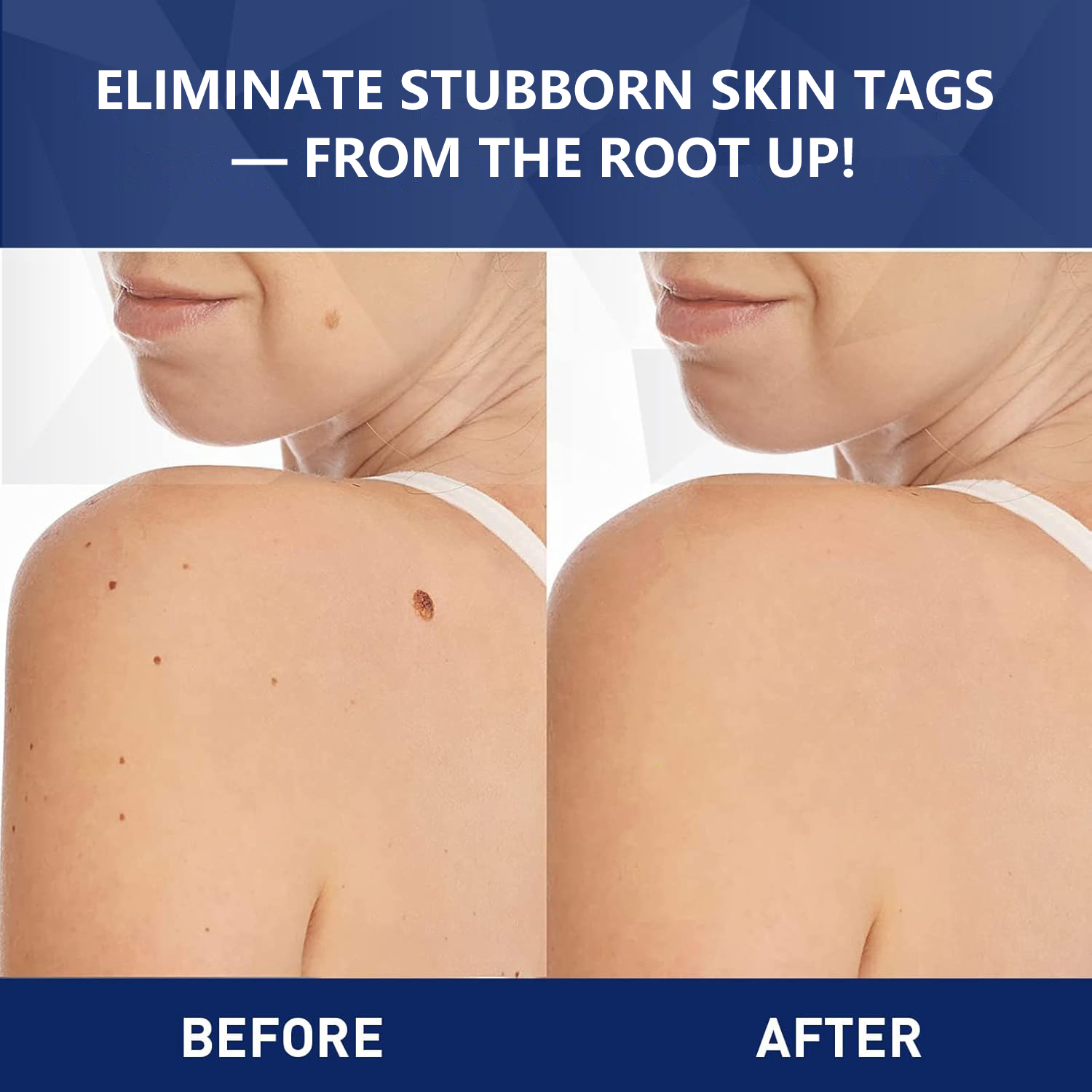
The wart detaches or completely dissolves, leaving a small pink or red crater where new, healthy skin is forming.
Stage 5: Regeneration
Soothing, anti-inflammatory herbal compounds support the healing of the underlying skin, minimizing scarring.
The crater heals, and the skin’s normal color and texture are restored over time.
Why Choose Herbal Ingredients Over Synthetic Chemicals?
When faced with a wart, many people reach for common over-the-counter options containing synthetic chemicals like salicylic acid or resort to clinical procedures like cryotherapy (freezing). While these methods can be effective, they often come with drawbacks. High concentrations of acid can be harsh, causing chemical burns, irritation, and damage to the surrounding healthy skin. Cryotherapy can be painful, cause blistering, and may lead to scarring or changes in skin pigmentation.
Natural herbal formulations offer a compelling alternative. They work with the body’s biology rather than against it. The complex synergy of compounds found in a single plant extract can provide multiple benefits simultaneously—keratolytic, antiviral, anti-inflammatory, and regenerative—that a single synthetic chemical cannot replicate. This holistic action results in a gentler yet highly effective treatment that prioritizes the health of the surrounding skin, reduces the risk of pain and scarring, and addresses the viral root of the problem for a lower chance of recurrence.
Promoting Healing: How Herbs Support Skin Regeneration
The process of wart removal doesn’t end when the wart tissue is gone. The final, critical phase is the healing of the underlying skin. After the wart is eliminated, a small crater or area of new, delicate skin remains. This area is vulnerable and requires support to heal properly and minimize the potential for scarring.
High-quality herbal ingredients excel in this phase. Many of the same botanicals used for their keratolytic and antiviral properties also contain compounds that are powerfully anti-inflammatory and promote tissue regeneration. For instance, compounds in herbs like Kochia scoparia can help calm the localized inflammation that occurs during wart breakdown. Others provide essential nutrients and growth factors that encourage healthy new skin cells to form, helping to rebuild the skin’s structure and restore its natural color and texture more quickly and completely.
Are Herbal Wart Treatments Safe for All Skin Types?
One of the primary benefits of using a well-formulated herbal wart treatment is its favorable safety profile. Because these treatments leverage natural compounds, they are often gentler on the skin compared to harsh synthetic acids or destructive physical procedures. This makes them a suitable option for many individuals, including those with sensitive skin who may react poorly to more aggressive methods.
However, “natural” does not automatically mean “non-reactive” for everyone. Some individuals may have specific allergies to certain plants. It is always wise to perform a patch test on a small area of unaffected skin before beginning full treatment. By applying a small amount of the product and waiting 24 hours, you can check for any signs of redness or irritation. The Teseu formula is designed to be potent against the wart while remaining gentle on surrounding skin, but this simple precaution ensures the best and safest experience for your specific skin type.
To properly clean the area before applying a wart removal pen, first, wash the wart and surrounding skin with mild soap and warm water for several minutes. Next, consider soaking the affected area in warm water for 5 to 10 minutes to soften the wart’s tough surface. Finally, pat the area completely dry with a clean towel, as a dry surface is essential for the treatment to work effectively.
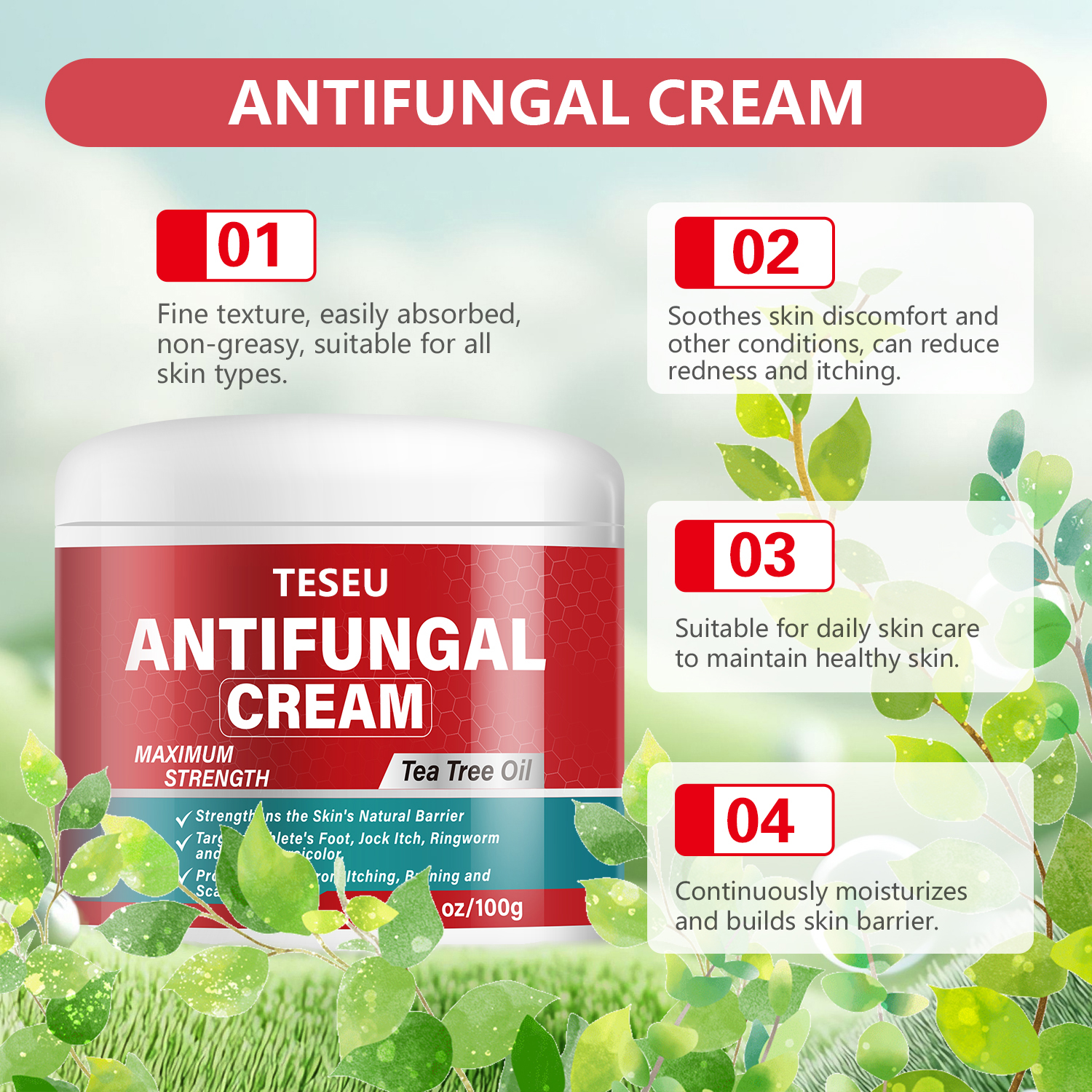
Tea tree oil’s potent effectiveness against skin fungal infections stems from its primary active compound, terpinen-4-ol. This powerful natural agent works by disrupting the cell membrane integrity of fungi, causing essential cellular components to leak out and leading to cell death. Its broad-spectrum antifungal properties make it a formidable natural remedy for a variety of common skin and nail ailments caused by dermatophytes and yeasts.
Experiencing slight redness after removing a skincare patch is usually a temporary and mild reaction. This often happens due to the adhesive or the active ingredients stimulating your skin. To manage this, you should first gently cleanse the area with a mild, fragrance-free soap and lukewarm water. Afterward, apply a soothing, hydrating moisturizer or a calming agent like aloe vera gel to reduce inflammation. Avoid using harsh exfoliants or active ingredients on the affected area for 24-48 hours until the redness subsides. If the redness persists, worsens, or is accompanied by severe itching or blistering, it is important to consult a dermatologist.