How do you ensure your wellness patch stays securely attached all day long?
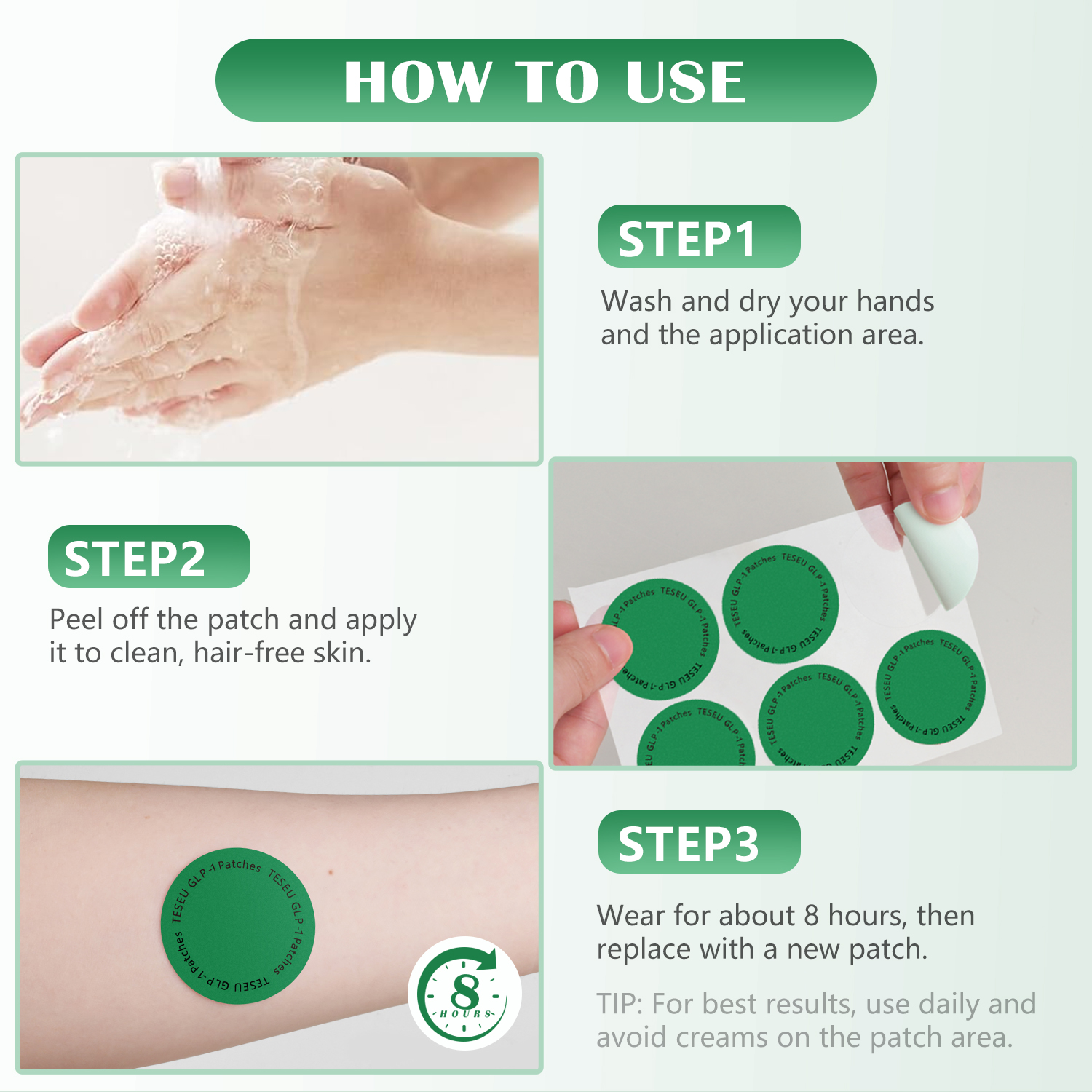
To ensure your wellness patch stays securely attached all day, start by preparing the skin. Clean and dry an area with minimal hair and motion, like the upper arm or hip, avoiding lotions or oils. Apply the patch by pressing it firmly for 30 seconds, ensuring the edges are sealed. For extra security during showers or exercise, consider using a waterproof medical adhesive cover.
TESEU
To ensure your wellness patch stays securely attached all day, start by preparing the skin. Clean and dry an area with minimal hair and motion, like the upper arm or hip, avoiding lotions or oils. Apply the patch by pressing it firmly for 30 seconds, ensuring the edges are sealed. For extra security during showers or exercise, consider using a waterproof medical adhesive cover.
Why Proper Patch Adhesion Is Essential for Effectiveness
A wellness patch is designed for a simple, yet profound purpose: to deliver a steady, consistent flow of ingredients through your skin over an extended period. For this transdermal process to work as intended, one factor is non-negotiable: uninterrupted skin contact. When a patch adheres properly, it creates a stable environment that allows the active components to be absorbed effectively. If the patch lifts, peels, or creates air pockets, the delivery system is compromised, potentially reducing the benefits you receive.
Beyond its primary function, a secure patch provides peace of mind. You can move through your day—working, exercising, and sleeping—without the constant worry of it falling off. A well-adhered patch is a sign that the technology is working correctly, allowing you to focus on your wellness goals rather than on equipment maintenance. Ensuring a strong bond from the moment of application is the first and most critical step toward maximizing the potential of your chosen health patch.
A Step-by-Step Guide to Flawless Patch Application
The secret to all-day adhesion isn’t luck; it’s a precise technique. Following a few simple but crucial steps during application can dramatically increase the longevity and effectiveness of your patch. Think of it as creating the perfect canvas for the patch to do its job.
Preparing Your Skin: The Foundation of a Secure Bond
The most common reason for patch failure is improper skin preparation. Skin is a living organ that produces oils (sebum), sheds dead cells, and may have residual product on its surface. All of these can create a barrier that prevents the patch’s adhesive from forming a strong bond.
Before opening your patch, choose your spot and prepare it meticulously. Wash the area with mild, oil-free soap and water. Avoid soaps that contain moisturizers, as they leave behind a film. Rinse thoroughly and pat the skin completely dry with a clean, lint-free towel. For an even better bond, you can wipe the area with an alcohol swab and let it air dry completely. This removes any lingering oils and ensures the surface is perfectly primed for adhesion.
Where is the Best Place to Apply a Wellness Patch?
Strategic placement is key to preventing premature peeling. The ideal location is a part of your body that is clean, dry, has minimal hair, and doesn’t experience excessive movement or friction. Areas with significant joint movement, like the elbow or knee, are poor choices as the constant flexing will quickly work the patch loose.
Excellent locations include:
The upper arm or shoulder: A popular and effective spot with minimal creasing.
The upper chest: Avoid areas with dense hair.
The back or shoulder blade: These spots are stable and less likely to be rubbed by clothing.
The hip or upper buttock: These areas are protected by clothing and don’t move excessively.
The inner wrist: A good option for some, but be mindful of watches and bracelets.
It’s also beneficial to rotate application sites. Applying a patch to the exact same spot every time can lead to skin irritation. By moving it to a new location with each new patch, you give your skin time to recover.
The Art of Application: How to Press, Not Rub
Once your skin is prepped and you’ve chosen a location, it’s time to apply the patch. Peel the backing off without touching the adhesive side. Place it on the designated skin area and then press down firmly with the palm of your hand. Hold the pressure for at least 30 seconds.
The warmth and pressure from your hand help to activate the medical-grade, pressure-sensitive adhesive, creating a superior bond with your skin. Resist the urge to simply slap it on or rub it. Rubbing can stretch the patch and cause the edges to curl up prematurely. Focus on applying even, sustained pressure across the entire surface, paying special attention to the edges to ensure they are completely sealed.
How Do You Keep a Patch On Through Daily Life?
A quality wellness patch is designed to integrate seamlessly into your lifestyle. With a few considerations, you can confidently shower, exercise, and go about your day without worrying about your patch coming loose.
Navigating Showers, Baths, and Swimming
Most modern patches are water-resistant, not fully waterproof. This means they can handle the moisture from a typical shower. However, it’s wise to avoid directing a strong stream of hot water directly onto the patch for an extended period, as this can weaken the adhesive. After showering or swimming, gently pat the patch and the surrounding area dry with a towel. Do not rub the area, as this can cause the edges to lift.
If you plan on swimming for a long time or using a hot tub, extra protection is recommended. You can purchase transparent, waterproof medical films or dressings to place over the patch. These create a waterproof seal, offering an excellent layer of defense against prolonged water exposure.
Managing Sweat During Exercise and in Hot Climates
Sweat is a primary challenge for patch adhesion. The moisture and salts can get underneath the patch and break down the adhesive. If you plan on engaging in a strenuous workout or will be in a hot, humid environment, take extra precautions.
First, ensure the patch was applied to perfectly clean, dry skin well before you begin to sweat. Applying a patch right before a workout is less effective than applying it an hour or more beforehand, giving the adhesive ample time to set. If you are a heavy sweater, applying the patch in a less sweat-prone area can help. Additionally, the same waterproof dressings used for swimming are highly effective at protecting the patch from sweat during exercise.
Can Your Clothing Affect Patch Adhesion?
Yes, your clothing can absolutely impact how well your patch stays on. Tight waistbands, bra straps, or the seams of form-fitting athletic wear can constantly rub against the edges of a patch, causing them to roll up and peel away. When applying your patch, be mindful of where your typical clothing rests.
Try to place the patch in a location where it won’t be subjected to direct, repetitive friction. If you’re wearing it on your hip, make sure it’s above or below your pant’s waistband. If it’s on your back, be aware of a bra strap. Opting for slightly looser clothing around the patch area can also make a significant difference in keeping it secure all day long.
What Should You Do If Your Patch Starts to Peel?
Even with perfect application, you might occasionally notice an edge starting to lift. How you respond can determine whether you save the patch or need to replace it.
Quick Fixes for Lifting Edges
If you notice a small part of the edge lifting, do not ignore it. The problem will only get worse as dirt and moisture get underneath. Your first line of defense is to press the edge back down firmly with your finger for 20-30 seconds. Often, this is enough to reseal it.
If the edge won’t re-stick, you can use a small piece of skin-safe medical tape (such as 3M Micropore) to secure just the lifted edge. Be careful not to cover the entire patch, as this can interfere with its function. A transparent film dressing cut to size can also be used to cover the entire patch and secure any loose edges, providing a more robust fix.
Knowing When It’s Time for a New Patch
A patch’s effectiveness depends on good skin contact. If more than 25% of the patch is no longer sticking to your skin, or if it has completely detached and you’ve tried to re-stick it, its efficacy is compromised. At this point, it is best to remove the old patch, clean the area, and apply a fresh one to a different location.
Do not try to use household glues or tapes to reattach a patch, as this can cause severe skin irritation and will not restore the patch’s transdermal delivery function. The integrity of the adhesive system is crucial, and once it is significantly compromised, replacement is the only reliable option.
Common Mistakes That Compromise Patch Security
Avoiding a few common pitfalls can make all the difference between a patch that sticks and one that fails. These simple errors are often the root cause of adhesion issues.
The Hidden Problem with Lotions, Oils, and Soaps
This is the number one cause of patch failure. Applying a patch over skin that has recently been moisturized with lotion, cream, or body oil is like trying to stick tape to a greasy surface—it simply won’t work. The emollients and lipids in these products create an invisible film that blocks the patch’s adhesive.
Always apply your patch *before* you apply any lotions or oils to your body. Ensure the chosen area is completely free of any product. Even some moisturizing soaps can leave behind a residue that interferes with adhesion. This is why washing with a simple, oil-free soap or cleaning with an alcohol wipe is so important.
Patch Application: Do’s and Don’ts
Do
Don’t
Apply to clean, dry, hairless skin.
Apply over lotions, oils, or creams.
Press and hold firmly for 30 seconds.
Rub the patch after application.
Rotate application sites with each new patch.
Apply to the same spot every time.
Choose an area with minimal friction and movement.
Apply over a joint or under a tight waistband.
Pat dry after showering.
Aim a hot shower spray directly at the patch.
Why You Must Not Touch the Sticky Side
The adhesive on a wellness patch is carefully formulated for skin contact. When you touch the sticky side with your fingers, two things happen. First, the oils and microscopic debris from your skin are transferred to the adhesive, immediately reducing its sticking power. Second, you pull off some of the adhesive itself onto your finger.
This single, often unconscious, action can create a weak spot on the patch right from the start. To avoid this, be deliberate when handling the patch. Peel back the protective liner carefully and apply it directly to your skin without letting your fingers make contact with the adhesive surface.
Experience Lasting Comfort with Teseu’s Advanced Design
We understand that a patch is only as good as its ability to stay on. That’s why Teseu wellness patches are engineered not just for potent formulas, but also for superior adhesion and comfort. Our patches utilize a state-of-the-art, hypoallergenic adhesive that is both strong and gentle on the skin. It’s designed to create a powerful bond upon application that withstands the rigors of your daily life, including sweat and showers.
The flexible, low-profile design of our patches moves with your body, reducing the chance of catching on clothing or peeling at the edges. By choosing Teseu, you’re choosing a product thoughtfully designed from the inside out—from the quality of our all-natural ingredients to the reliability of the adhesive that delivers them. Experience the difference of a patch that works with you, staying securely in place so you can focus on what matters most: your well-being.
Frequently Asked Questions About Patch Adhesion
Here are answers to some common queries about keeping your wellness patch in place.
Can I use tape over my wellness patch?
While you can use medical-grade tape or a waterproof film dressing over your patch for extra security, you should avoid using standard household tapes like duct tape or packing tape, which can damage your skin. Taping down just a lifting edge is a good quick fix. Covering the entire patch with a breathable medical film is an excellent strategy for swimming or intense exercise.
How long should a wellness patch stay on?
The duration depends on the specific patch—it could be 8, 12, or 24 hours. Refer to the instructions provided with your patch. The goal is for it to remain securely attached for the entire recommended duration to ensure you receive the full, intended dose of ingredients.
Is it normal for the edges to lift slightly?
Slight lifting of the very outermost edge can sometimes occur, especially after a few hours of wear or after a shower. As long as the main surface area of the patch remains in full contact with the skin, its function is likely not compromised. You can press the edge back down or use the quick-fix methods mentioned earlier to secure it.
To properly clean the area before applying a wart removal pen, first, wash the wart and surrounding skin with mild soap and warm water for several minutes. Next, consider soaking the affected area in warm water for 5 to 10 minutes to soften the wart’s tough surface. Finally, pat the area completely dry with a clean towel, as a dry surface is essential for the treatment to work effectively.
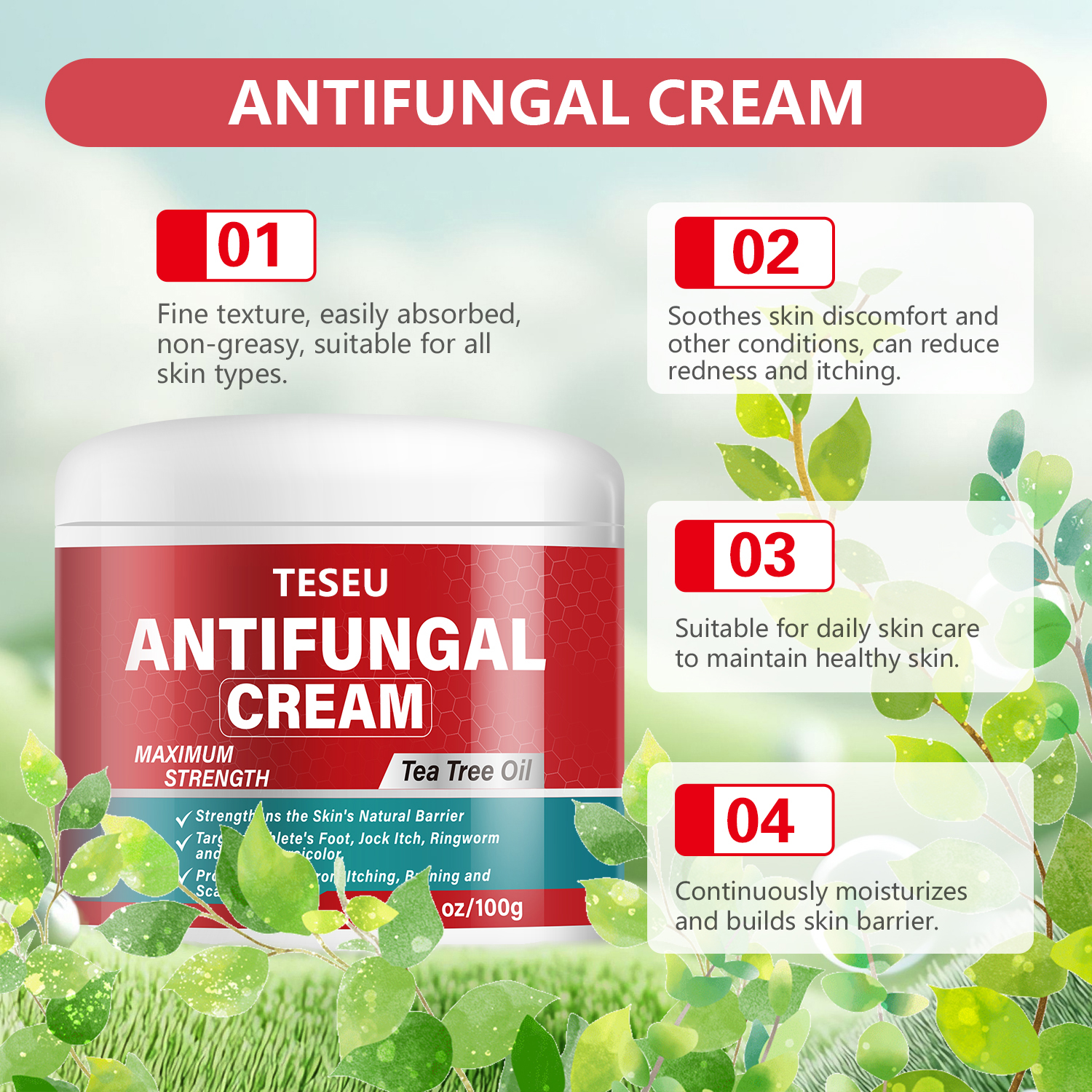
Tea tree oil’s potent effectiveness against skin fungal infections stems from its primary active compound, terpinen-4-ol. This powerful natural agent works by disrupting the cell membrane integrity of fungi, causing essential cellular components to leak out and leading to cell death. Its broad-spectrum antifungal properties make it a formidable natural remedy for a variety of common skin and nail ailments caused by dermatophytes and yeasts.
Experiencing slight redness after removing a skincare patch is usually a temporary and mild reaction. This often happens due to the adhesive or the active ingredients stimulating your skin. To manage this, you should first gently cleanse the area with a mild, fragrance-free soap and lukewarm water. Afterward, apply a soothing, hydrating moisturizer or a calming agent like aloe vera gel to reduce inflammation. Avoid using harsh exfoliants or active ingredients on the affected area for 24-48 hours until the redness subsides. If the redness persists, worsens, or is accompanied by severe itching or blistering, it is important to consult a dermatologist.