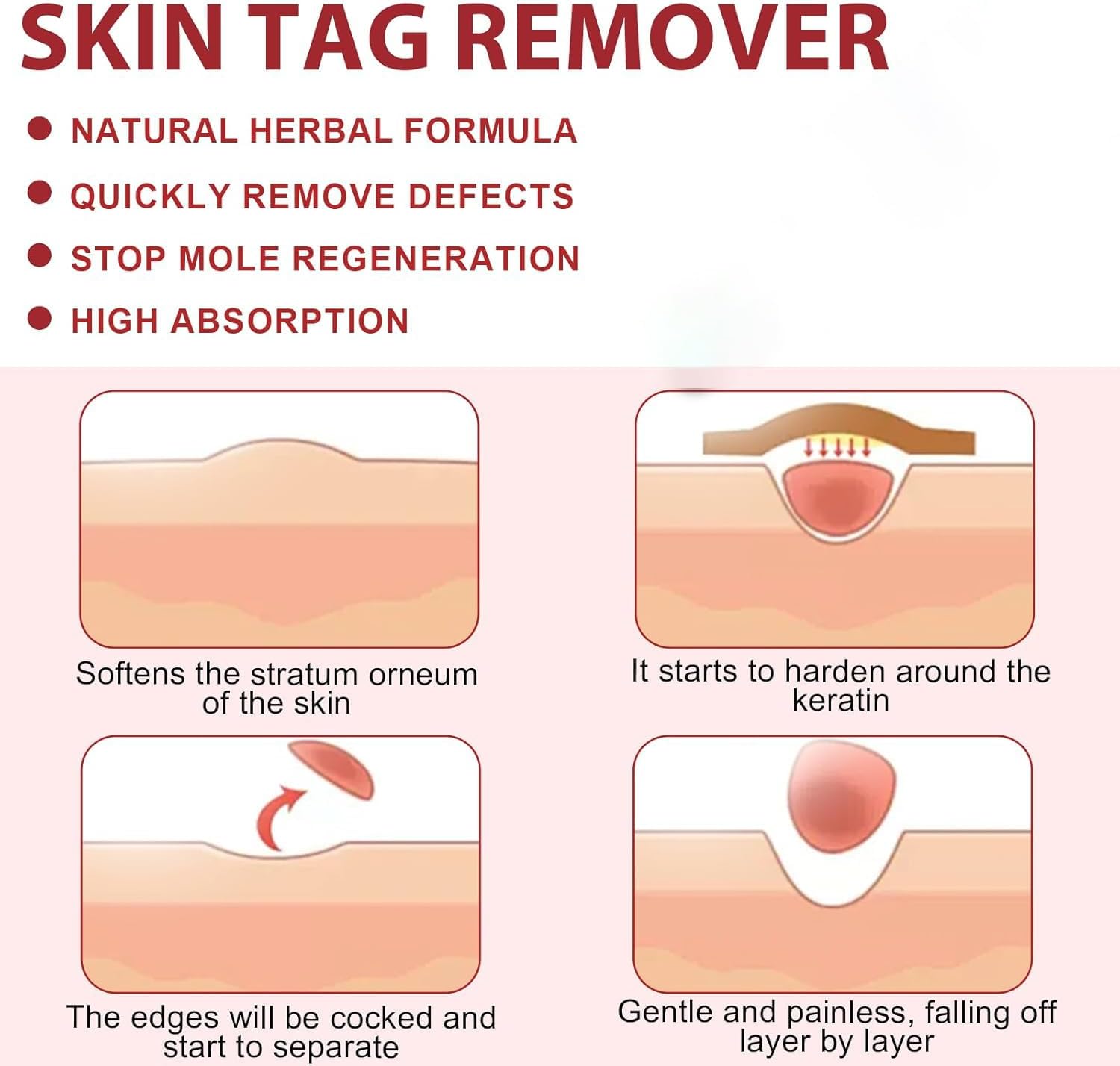
A gentle, plant-based skin tag remover painlessly eliminates stubborn skin tags by using a concentrated liquid formula of specific botanical extracts and minerals. When applied directly to the skin tag (acrochordon), these active ingredients penetrate its root structure. They work by triggering a localized immune response that cuts off the tag’s blood supply, causing it to naturally dry up, shrink, and fall off over several days, often without leaving a scar or damaging the surrounding healthy skin.
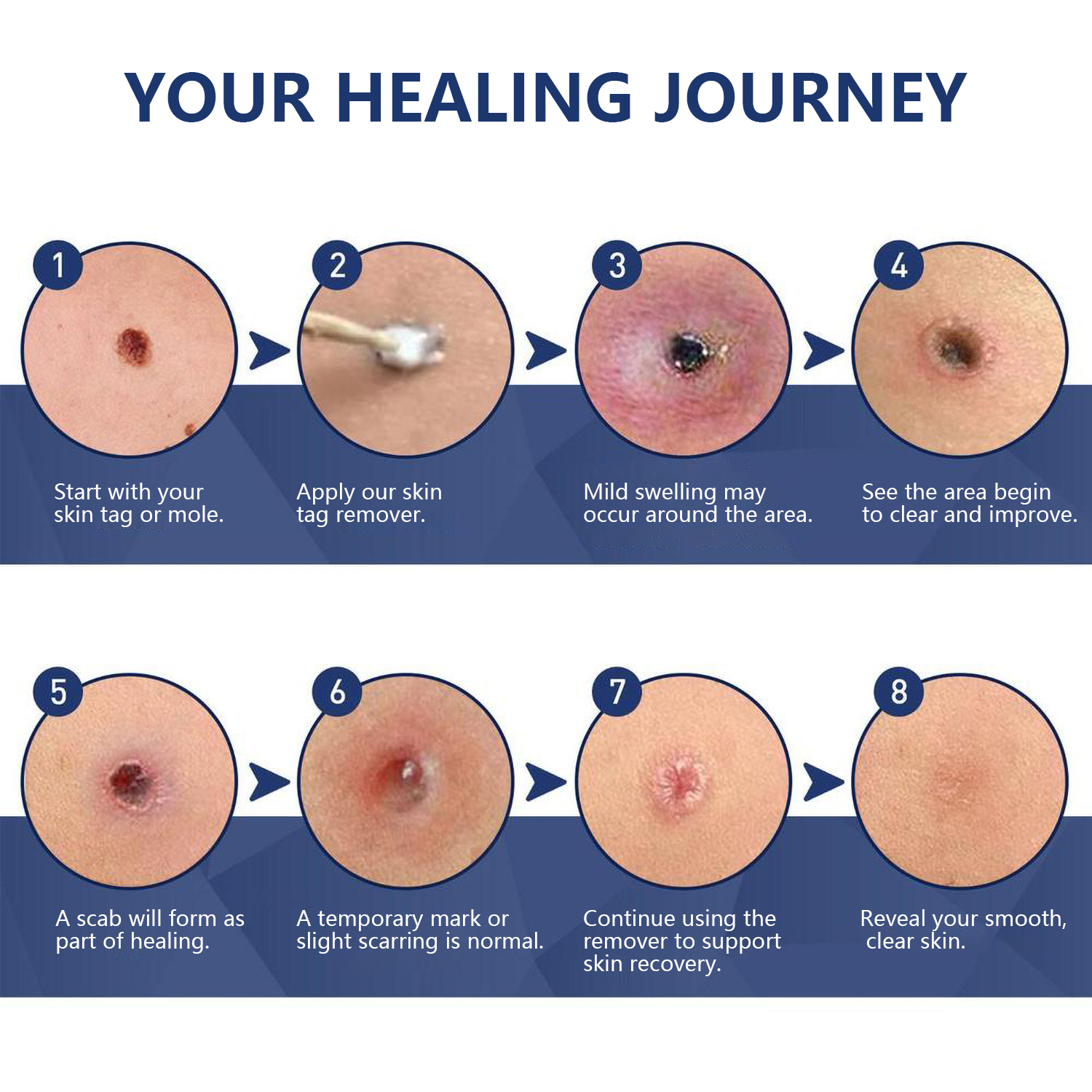
Table of Contents
Skin tags are small, soft, benign growths that hang off the skin. Medically known as acrochordons, they are incredibly common and typically appear in areas where skin rubs against skin or clothing. These growths are made up of loose collagen fibers and blood vessels surrounded by skin. While completely harmless from a medical standpoint, they can be a source of cosmetic concern or physical irritation, especially when they get snagged by jewelry or clothing.
Defining Acrochordons: More Than Just a Blemish
Unlike moles, which are clusters of pigmented cells, skin tags are part of the skin itself. They connect to the body via a thin stalk called a peduncle. They can vary in number from one to hundreds and are most frequently found on the neck, eyelids, armpits, groin folds, and under the breasts. They start small and flat but can grow larger over time due to friction.
Common Causes and Risk Factors
What causes these small growths to appear? While the exact cause isn’t fully understood, they are strongly associated with friction. Other contributing factors include genetics, as they often run in families. They are also more prevalent in individuals who are overweight or have type 2 diabetes, which points to a potential link with insulin resistance. Hormonal shifts during pregnancy can also lead to an increase in the number of skin tags.
The Shortcomings of Traditional Skin Tag Removal Methods
For decades, the primary methods for removing skin tags involved a visit to a dermatologist’s office for a clinical procedure. These methods are effective but come with several notable drawbacks, including pain, potential for scarring, and significant cost. This has led many to seek gentler, more convenient alternatives.
The Clinical Approach: Excision, Freezing, and Burning
Dermatological procedures include cryotherapy (freezing with liquid nitrogen), electrocautery (burning with an electric current), and surgical excision (cutting off with a scalpel). While performed by professionals, these methods can be painful, often requiring a local anesthetic. They also carry a risk of side effects such as discoloration, infection, and permanent scarring, not to mention the downtime and expense associated with medical appointments.
The Risks of DIY Home Remedies
The internet is filled with do-it-yourself “remedies” like applying apple cider vinegar, garlic, or tea tree oil. These substances can be harsh and unpredictable, often causing significant skin irritation, chemical burns, and inflammation to the healthy skin surrounding the tag. More dangerous methods, such as trying to cut or tie off a tag at home, can lead to uncontrolled bleeding, serious infection, and prominent scars.
How Do Plant-Based Serums Achieve Painless Removal?
A professionally formulated plant-based serum offers a revolutionary approach that combines efficacy with safety. Instead of physically burning or cutting the tissue, it uses a sophisticated biochemical process to signal the body to eliminate the blemish naturally. This targeted action is the key to its painless and non-scarring results.
The Science of Targeted Action: Dehydrating the Root
The power of a high-quality natural formula, such as the one developed by Teseu, lies in its ability to be absorbed by the skin tag without affecting the surrounding epidermis. The active ingredients work to dehydrate the cells within the tag and restrict blood flow through the peduncle. This process effectively starves the tag from the inside out, causing it to wither and die without any sensation of burning or cutting.
Key Botanical Ingredients and Their Roles
The efficacy of these serums depends entirely on their ingredients. Two powerful components often found in top-tier formulas are Sanguinaria Canadensis and Zincum Muriaticum.
Sanguinaria Canadensis, a North American flowering plant, has been used in traditional medicine for centuries. Its role in a modern serum is to stimulate a rush of white blood cells to the root of the skin tag. This targeted immune response is what begins the process of removal from within.
Zincum Muriaticum is a mineral that possesses strong antiseptic properties. When applied to the blemish, it acts as a mild irritant that accelerates the formation of a scab over the skin tag. This scabbing is a natural part of the healing process, protecting the area as the tag detaches and the new skin forms underneath.
What Is the Step-by-Step Process of Using a Natural Formula?
Using a plant-based removal serum is a simple, multi-stage process that you can perform in the comfort of your own home. Understanding these stages helps manage expectations and ensures you follow the process correctly for the best possible outcome.
Stage 1: Application and Activation
The process begins with applying a small amount of the liquid formula directly onto the clean, dry skin tag. Upon application, the active ingredients penetrate the blemish. You might feel a very mild tingling sensation as the formula begins to work, signaling that the immune-triggering process has been initiated. This is the serum telling your body to focus its healing power on that specific spot.
Stage 2: The Healing and Scabbing Phase
Within 8-24 hours, the area will become slightly inflamed, and a scab will form over the skin tag. This is a positive sign that the treatment is working. The scab is nature’s bandage, protecting the area while the body’s immune system dissolves the root of the skin tag beneath it. It is crucial not to pick at the scab. Let it fall off naturally.
Stage 3: The Final Result: Blemish-Free Skin
After several days, the scab will detach on its own, taking the dried-up skin tag with it. What is left behind is typically smooth, healed skin. There may be a slight pink mark initially, but this fades over a short period. The process is complete, having removed the blemish with minimal intervention and no damage to the surrounding area.
With various removal options available, why does a formulated serum stand out? The answer lies in its unique combination of safety, effectiveness, and convenience. It bridges the gap between risky DIY experiments and expensive clinical procedures.
Superior Safety and Precision Compared to DIY Methods
Unlike raw ingredients like vinegar, a professionally created serum is balanced for pH and potency. It is designed to be powerful enough to remove the blemish but gentle enough not to harm healthy skin. This precision is impossible to achieve with household items, which often cause widespread irritation for minimal results.
The Benefit of a Gentle, Non-Scarring Approach
Perhaps the most significant advantage is the non-scarring outcome. Because a plant-based skin tag remover works with the body’s natural healing cycle, it allows the skin to repair itself from underneath. Methods that cut or burn the skin forcefully remove tissue, which almost always results in a scar. The gentle detachment process of a serum helps preserve the integrity of your skin.
Cost-Effectiveness and Convenience
A single bottle of a high-quality removal serum can treat multiple skin tags for a fraction of the cost of one dermatological visit. The ability to apply it at home, on your own schedule, eliminates the need for appointments, travel time, and recovery periods, making it an exceptionally convenient solution.
Who Can Benefit from a Gentle Removal Serum?
These advanced serums are an excellent choice for a wide range of people, but it is also vital to understand when it is appropriate to use them and when a professional medical opinion is necessary. This ensures safety and responsible self-care.
Ideal Candidates for At-Home Treatment
This type of treatment is ideal for individuals with classic, benign skin tags that are easily identifiable. If you have small to medium-sized, flesh-colored growths in common areas like the neck or armpits and you want to avoid the pain and cost of clinical procedures, a plant-based serum is a perfect fit. It is designed for all skin types and can be used on most parts of the body.
When Is It Crucial to Consult a Dermatologist?
You should always consult a doctor before attempting to remove any skin growth that exhibits atypical features. Seek a professional diagnosis if the growth:
- Bleeds, itches, or is painful
- Is very large or has an irregular shape
- Has multiple colors or has changed color or size rapidly
- Is in a highly sensitive area, such as directly on the eyelid or genitals
A dermatologist can confirm that the growth is a benign skin tag and not a more serious condition that requires medical treatment.
Comparing Skin Tag Removal Options at a Glance
To better understand the differences, this table provides a clear comparison of the most common methods for removing skin tags.
| Feature |
Plant-Based Serum |
Clinical Procedures |
DIY Home Remedies |
| Pain Level |
Minimal to None |
Moderate to High |
Low to High (Unpredictable) |
| Scarring Risk |
Very Low |
Moderate |
High |
| Cost |
Low |
High |
Very Low |
| Convenience |
Very High (At-home) |
Low (Requires Appointment) |
High (But Risky) |
| Effectiveness |
High (When used as directed) |
Very High |
Low to None |
Maximizing Results and Ensuring a Scar-Free Outcome
To get the best results from a natural skin tag remover, proper aftercare is essential. Once the scab has formed, the most important rule is to be patient. Allow the scab to complete its cycle and fall off naturally. Picking it off prematurely can interrupt the healing process and lead to scarring or infection.
After the scab detaches, the new skin underneath may be slightly pink. You can support this final healing phase by keeping the area clean and moisturized. Using a gentle, fragrance-free moisturizer can help the skin regain its natural tone and texture more quickly. Also, protecting the new skin from sun exposure by using a high-SPF sunscreen can prevent discoloration.
What Is the Psychological Benefit of Clear, Blemish-Free Skin?
The impact of skin tags goes beyond physical irritation. For many, these blemishes can affect self-confidence and body image. People may feel self-conscious wearing certain types of clothing, like tank tops or necklaces, that draw attention to the tags. The desire to remove them is often deeply tied to a wish to feel more comfortable and confident in one’s own skin.
Successfully removing these imperfections with a gentle, painless method can provide a significant emotional lift. It restores a sense of control over one’s appearance and eliminates a source of daily annoyance and self-consciousness. This boost in confidence can have a positive ripple effect across all areas of life, from social interactions to personal well-being.
Frequently Asked Questions About Natural Skin Tag Removal
Many people have questions when considering a new type of treatment. Here are answers to some of the most common inquiries about using a plant-based formula for skin tag removal.
How Fast Can I Expect to See Results?
Results can be remarkably fast. After a single application, a scab typically forms within 24 hours. The skin tag itself, along with the scab, usually falls off within 7-10 days. The speed can vary slightly depending on the size and location of the tag.
Is the Removal Permanent?
Yes, the removal of the treated skin tag is permanent. The formula destroys the tag at its root, so that specific tag will not grow back. However, the treatment does not prevent new skin tags from forming elsewhere on the body, especially if you are predisposed to them.
Can It Be Used on Moles or Warts?
No. These formulas are specifically designed and tested for benign skin tags only. Moles and warts have a different cellular structure and can sometimes be associated with more serious health conditions. You should never attempt to remove moles or warts at home without a doctor’s diagnosis and recommendation.