Transdermal absorption significantly improves the bioavailability of active plant ingredients by delivering them directly into the bloodstream through the skin. This method bypasses the harsh digestive system and first-pass metabolism in the liver—processes that often degrade or eliminate a large portion of compounds taken orally. By avoiding these metabolic roadblocks, transdermal delivery ensures a higher, more consistent concentration of the active phytochemicals reaches the systemic circulation to exert its therapeutic effects.

Table of Contents
- What is Bioavailability and Why Does It Matter for Plant Ingredients?
- The Oral Route Challenge: Why Many Plant Compounds Fall Short
- How Does Transdermal Absorption Offer a Superior Pathway?
- Deconstructing the Skin: The Gateway for Active Ingredients
- What Key Technologies Enhance Transdermal Delivery of Phytochemicals?
- Which Plant Ingredients Benefit Most from Transdermal Delivery?
- What Are the Measurable Benefits of Enhanced Bioavailability?
- Addressing the Challenges: What Hurdles Must Transdermal Systems Overcome?
- The Future of Botanical Wellness: Synergizing Nature and Technology
What is Bioavailability and Why Does It Matter for Plant Ingredients?
Bioavailability is a critical pharmacological term that refers to the proportion of a substance that enters the circulation when introduced into the body and is able to have an active effect. Represented as a percentage, it measures how much of a compound, after administration, successfully reaches the systemic circulation unchanged. For an intravenously injected drug, bioavailability is 100% because it is delivered directly into the bloodstream. However, for other methods of administration, such as oral ingestion, this percentage can drop dramatically.
For active plant ingredients, also known as phytochemicals, bioavailability is paramount. These compounds, like curcumin from turmeric or ginsenosides from ginseng, possess powerful therapeutic properties. Yet, their effectiveness is not just about the dose you ingest; it is about the dose your body can actually *use*. Poor bioavailability means that even if you consume a high dose of a beneficial herb, only a tiny fraction might reach the target tissues, rendering it largely ineffective. Therefore, enhancing bioavailability is the key to unlocking the full potential of botanical medicine.
The Oral Route Challenge: Why Many Plant Compounds Fall Short
When you ingest a supplement or herbal remedy, it embarks on a perilous journey through the gastrointestinal (GI) tract. This route is fraught with obstacles that significantly reduce the bioavailability of many sensitive plant-based molecules. Understanding these challenges reveals why alternative delivery methods are not just a convenience, but a necessity for efficacy.
The Gauntlet of the Digestive System
The human digestive system is designed to break down substances, and it does not differentiate between a meal and a therapeutic compound. The moment a plant extract is ingested, it is subjected to the extreme pH of stomach acid. Many phytochemicals are unstable in such acidic environments and are chemically degraded before they even have a chance to be absorbed.
If they survive the stomach, they then face a host of digestive enzymes in the small intestine. These enzymes are programmed to dismantle complex molecules, and they can metabolize active plant ingredients into inactive forms. This enzymatic degradation further diminishes the amount of the compound available for absorption into the bloodstream.
Perhaps the single greatest barrier to oral bioavailability is the first-pass effect, also known as presystemic metabolism. After a compound is absorbed from the small intestine, it enters the portal vein, which leads directly to the liver. The liver acts as the body’s primary detoxification center, metabolizing foreign substances before they can reach the rest of the body.
During this “first pass” through the liver, a significant portion of many phytochemicals is broken down by liver enzymes (like cytochrome P450) and eliminated. This metabolic process drastically reduces the quantity of the active ingredient that ultimately enters the systemic circulation. For example, the oral bioavailability of curcumin, the active compound in turmeric, is notoriously low—often less than 1%—primarily due to rapid and extensive first-pass metabolism.
Given the significant hurdles of oral administration, transdermal absorption presents an intelligent and highly effective alternative. By using the skin as the entry point, this method cleverly circumvents the major obstacles that compromise the bioavailability of plant ingredients. This approach represents a paradigm shift in how we can harness the power of nature for wellness.
Bypassing the Digestive Gauntlet
The most immediate advantage of transdermal delivery is its ability to completely bypass the gastrointestinal tract. When an active ingredient is applied to the skin, it is absorbed directly into the local tissue and capillary network. From there, it enters the systemic circulation without ever being exposed to stomach acid or destructive digestive enzymes. This direct-to-bloodstream route protects sensitive phytochemicals from degradation, ensuring that the intended molecule arrives at its destination intact and active. This means the compound’s structural integrity and therapeutic potential are preserved.
Maintaining Steady-State Concentrations
Oral supplements lead to sharp peaks and troughs in blood concentration. After ingestion, there is a rapid spike in the compound’s level, which then quickly declines as the body metabolizes and eliminates it. This “rollercoaster” effect is inefficient and can reduce therapeutic effectiveness.
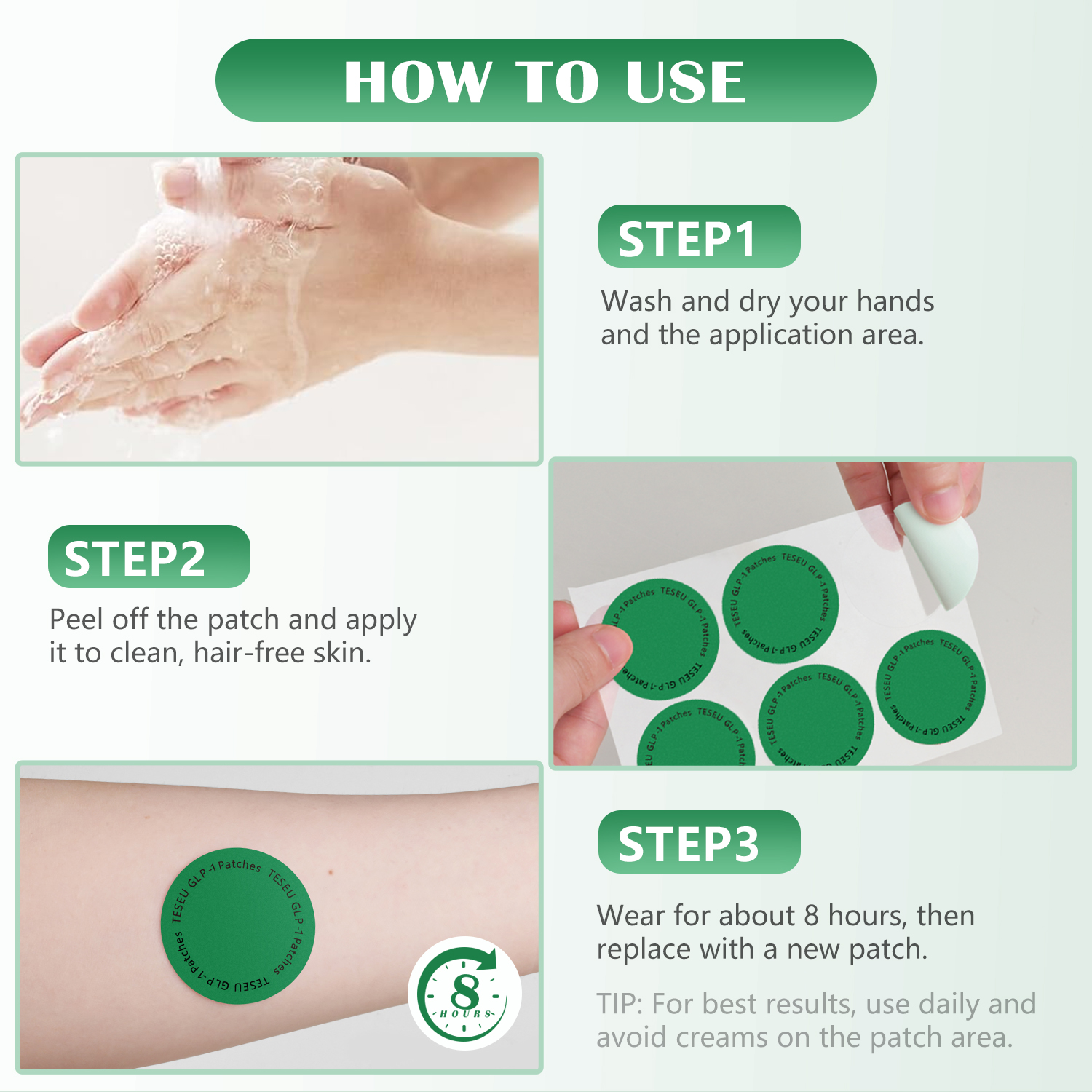
Transdermal systems, particularly patches, excel at providing a controlled, sustained release of active ingredients over an extended period (e.g., 8, 12, or 24 hours). The skin acts as a natural reservoir, allowing the compound to be absorbed slowly and consistently. This maintains a stable and predictable concentration of the phytochemical in the blood, known as a steady-state concentration. This sustained delivery ensures that therapeutic levels are maintained, offering more consistent and prolonged benefits without the need for frequent dosing.
Deconstructing the Skin: The Gateway for Active Ingredients
While the skin is a protective barrier, it is also a complex and dynamic organ that can serve as an effective portal for drug delivery. To appreciate how transdermal technology works, it is essential to understand the structure of the skin and the mechanisms by which molecules can traverse it.
Understanding the Stratum Corneum Barrier
The outermost layer of the epidermis, the stratum corneum, is the principal barrier to absorption. It is often described using a “brick and mortar” analogy. The “bricks” are dead, flattened skin cells called corneocytes, and the “mortar” is a complex mixture of lipids (like ceramides, cholesterol, and fatty acids) that surrounds them. This lipid-rich matrix is highly effective at preventing water loss and blocking the entry of foreign substances, including most molecules.
For a phytochemical to be absorbed transdermally, it must successfully navigate this formidable barrier. The properties of the molecule itself—such as its size (molecular weight), solubility, and lipophilicity (affinity for lipids)—play a crucial role in its ability to penetrate the stratum corneum.
Mechanisms of Transdermal Passage: How Do Molecules Get Through?
Molecules can cross the stratum corneum through several routes. The most common is the intercellular pathway, where compounds weave their way through the lipid mortar between the corneocyte bricks. This is the preferred route for lipophilic (fat-soluble) molecules. A second, less common route is the transcellular pathway, which involves passing directly through the corneocytes themselves. Finally, the appendageal route allows for passage through hair follicles and sweat glands, though these structures make up only a tiny fraction of the skin’s surface area.
What Key Technologies Enhance Transdermal Delivery of Phytochemicals?
The natural barrier function of the skin means that simple application is often not enough for therapeutic absorption, especially for larger or less lipid-soluble plant molecules. This is where advanced transdermal technology becomes essential. Innovators in the field have developed sophisticated methods to temporarily and reversibly enhance skin permeability, allowing for the effective delivery of a wide range of botanical compounds.
The Role of Permeation Enhancers
Permeation enhancers are chemical substances included in transdermal formulations to increase the permeability of the stratum corneum. They work by temporarily disrupting the highly ordered lipid structure of the skin’s “mortar,” creating temporary channels that allow active ingredients to pass through more easily. These enhancers can be naturally derived, such as terpenes (found in essential oils), or synthetic. A well-designed formulation uses these enhancers to maximize absorption of the active phytochemical without causing skin irritation or permanent damage to the skin barrier.
Advanced Delivery Systems: Patches, Gels, and Nanocarriers
The vehicle used to deliver the active ingredient is just as important as the ingredient itself. Modern systems are engineered for optimal performance. Transdermal patches, for instance, are multi-layered systems designed for precise, controlled release. A typical patch includes a backing layer, a drug reservoir containing the active ingredient and enhancers, a rate-controlling membrane, and an adhesive that keeps it secured to the skin. Leading companies like TESEUNA have refined this technology to create patches that provide consistent, long-term delivery of natural ingredients for maximum systemic benefit.
Other delivery systems include gels and creams, which are suitable for localized application, and cutting-edge nanocarriers like liposomes and nanoparticles. These microscopic vesicles can encapsulate phytochemicals, protecting them and facilitating their transport across the skin barrier.
Which Plant Ingredients Benefit Most from Transdermal Delivery?
Many of nature’s most potent healers are unfortunately handicapped by poor oral bioavailability. Transdermal delivery provides a lifeline for these compounds, allowing them to realize their full therapeutic potential. Below is a table highlighting some key examples.
| Plant Ingredient |
Primary Challenge with Oral Intake |
How Transdermal Delivery Helps |
| Curcumin (from Turmeric) |
Extremely low solubility and rapid, extensive first-pass metabolism in the liver. Bioavailability is often <1%. |
Bypasses the liver, avoiding first-pass metabolism and delivering curcumin directly to the bloodstream for systemic anti-inflammatory effects. |
| Ginsenosides (from Ginseng) |
Poor membrane permeability and susceptibility to degradation by gastric acid and intestinal microbes. |
Avoids the entire GI tract, protecting the complex ginsenoside molecules from degradation and allowing for steady absorption. |
| Gingerols (from Ginger) |
Significant first-pass metabolism, converting active gingerols into less active metabolites. |
Delivers gingerols directly to circulation, preserving their potent anti-nausea and anti-inflammatory properties. |
| Cannabidiol (CBD) |
Oral bioavailability is low and variable (6-19%) due to erratic absorption and high first-pass metabolism. |
Offers significantly higher and more consistent bioavailability by avoiding the liver and providing sustained release. |
What Are the Measurable Benefits of Enhanced Bioavailability?
The primary goal of improving bioavailability through transdermal absorption is not just a scientific exercise; it translates into tangible, practical benefits for the user. These advantages make treatments safer, more effective, and more convenient.
Lower Doses, Higher Efficacy
When more of an active ingredient reaches its target, a smaller overall dose is required to achieve the desired therapeutic effect. This is a principle of efficiency. By avoiding the massive losses associated with oral administration, transdermal systems can use a fraction of the dose to achieve the same—or even better—results. This not only makes the treatment more potent but also more economical, as less of the valuable plant extract is wasted.
Reduced Side Effects
Many side effects of oral supplements are related to the GI tract (e.g., stomach upset, nausea) or the high concentrations of metabolites produced by the liver. Since transdermal delivery bypasses the digestive system and reduces the metabolic load on the liver, it can significantly minimize these types of adverse effects. Furthermore, the steady, controlled release prevents the sharp concentration spikes that can sometimes trigger negative reactions, leading to a gentler and safer user experience.
Addressing the Challenges: What Hurdles Must Transdermal Systems Overcome?
While transdermal delivery offers immense advantages, it is not without its own set of challenges. Not every compound is a suitable candidate for this method. The primary limitation remains the skin’s barrier function. Molecules that are very large (high molecular weight) or that are not lipid-soluble may have difficulty penetrating the stratum corneum, even with the help of enhancers.
Skin irritation or sensitization is another potential concern. The adhesives, permeation enhancers, and even the active ingredients themselves can sometimes cause local reactions in sensitive individuals. For this reason, extensive dermatological testing and the use of hypoallergenic materials are crucial in the development of high-quality transdermal products. Ongoing research focuses on creating more sophisticated and biocompatible systems that can safely and effectively deliver an ever-expanding range of molecules through the skin.
The Future of Botanical Wellness: Synergizing Nature and Technology
The convergence of ancient botanical wisdom and modern pharmaceutical science is creating a new frontier in health and wellness. Transdermal absorption stands at the forefront of this movement, offering a powerful tool to overcome the inherent biological limitations of oral supplementation. It allows us to finally access the true potential of potent plant ingredients that were previously held back by poor bioavailability.
As technology advances, we can expect to see even more sophisticated transdermal systems capable of delivering a wider array of phytochemicals with greater precision and efficiency. This synergy between nature and technology promises a future where natural, plant-based therapies are not just an alternative, but a highly effective, reliable, and primary choice for maintaining health and managing various conditions. The ability to deliver nature’s best remedies directly and consistently is transforming the landscape of personal wellness.