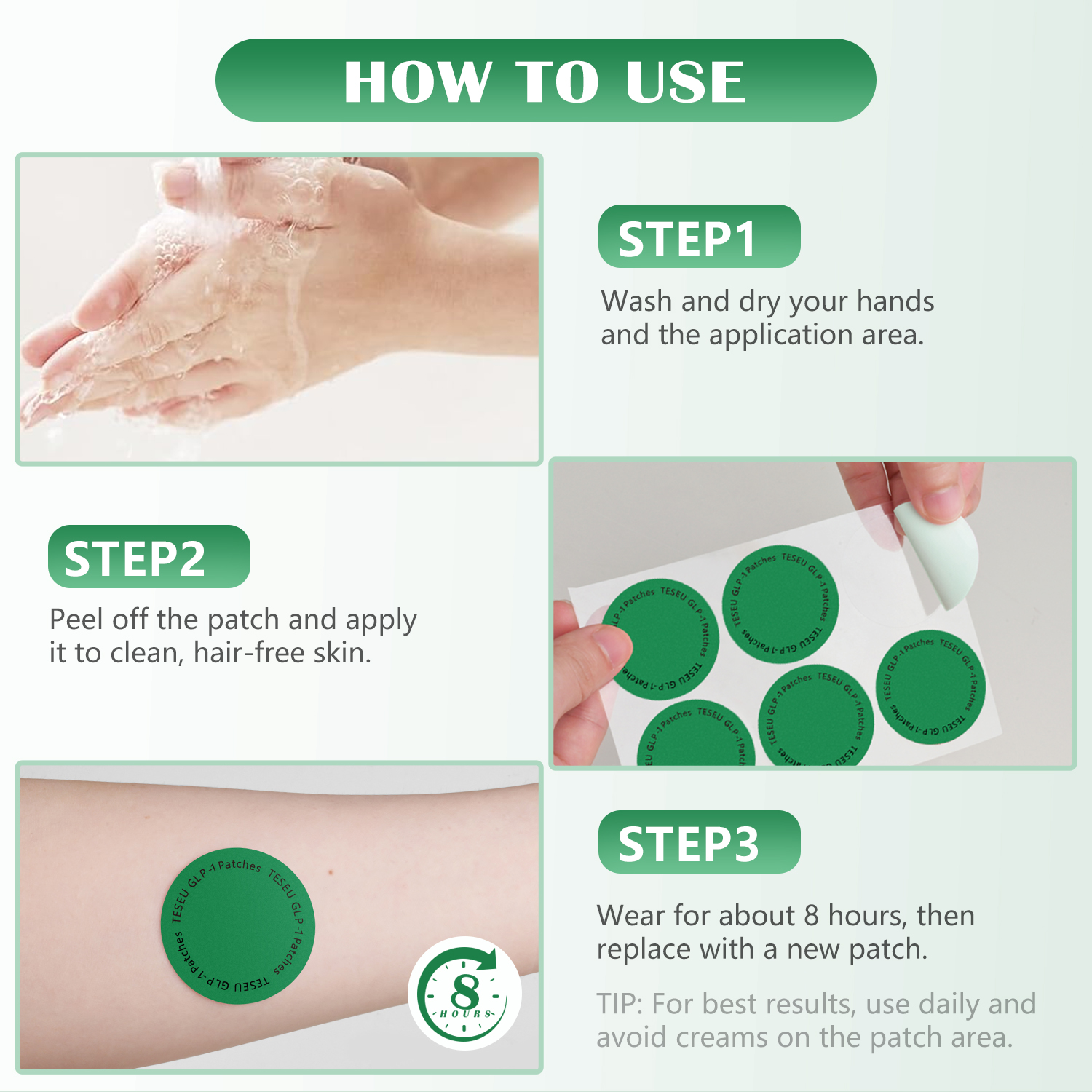
Transdermal patch technology safely delivers weight management ingredients by utilizing a multi-layered system that adheres to the skin. This method allows active compounds to permeate the skin’s outer layer, the stratum corneum, and enter the bloodstream directly. This process bypasses the digestive system, preventing the degradation of ingredients by stomach acid and the liver’s first-pass metabolism. The patch’s design ensures a slow, controlled, and steady release of ingredients over an extended period, which maintains consistent levels in the body, enhances bioavailability, and minimizes the risk of side effects associated with the peaks and troughs of oral supplements.
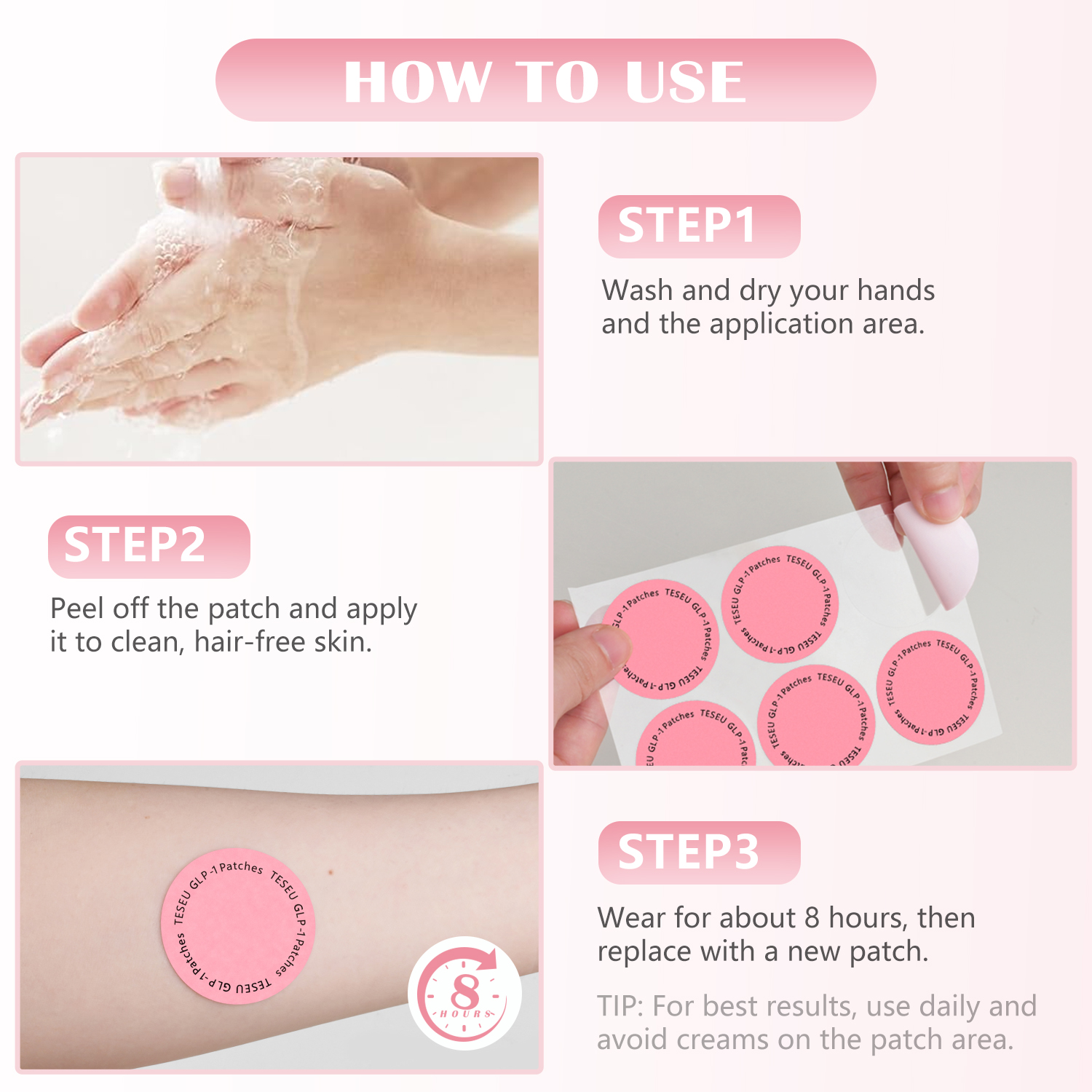
Table of Contents
What Is the Science Behind Transdermal Delivery?
The fundamental principle of transdermal delivery is to transport active ingredients through the skin’s protective barriers into the systemic circulation. This sophisticated method offers a distinct alternative to traditional oral administration, leveraging the skin as a portal for delivery. The foundation of this method lies in advanced transdermal patch technology, which is engineered to overcome the skin’s natural defenses in a controlled and non-invasive manner.
Bypassing the Digestive System: The Primary Advantage
When supplements are taken orally, they must endure the harsh, acidic environment of the stomach before passing to the liver. This journey, known as first-pass metabolism, can significantly reduce the amount of an active ingredient that reaches the bloodstream. Many compounds are broken down and rendered less effective before they can exert their intended effects. Transdermal patches circumvent this entire process. By delivering ingredients directly through the skin, they avoid degradation by digestive enzymes and the liver, resulting in higher bioavailability—meaning a greater percentage of the active substance is available for the body to use.
A Journey Through the Skin’s Layers
For a transdermal patch to be effective, its ingredients must successfully navigate several layers of the skin. The primary barrier is the stratum corneum, the outermost layer composed of dead skin cells. It is designed to keep foreign substances out. Patch technology employs permeation enhancers, which are safe compounds that temporarily and reversibly increase the fluidity of the stratum corneum, allowing active molecules to pass through. Once past this layer, the ingredients move through the viable epidermis and into the dermis, which is rich in blood capillaries. From here, they are absorbed into the bloodstream and distributed throughout the body to target tissues involved in metabolism and appetite regulation.
Which Key Ingredients Are Used in Weight Management Patches?
The effectiveness of a weight management patch is directly tied to its formulation. Reputable patches utilize a synergistic blend of well-researched, often natural, ingredients known to support metabolic processes, manage appetite, or enhance energy levels. The selection and quality of these ingredients are paramount for both safety and results.
Metabolic Boosters and Appetite Suppressants
Weight management patches typically contain a curated mix of ingredients that work through different mechanisms. Some of the most common and studied compounds include:
- Garcinia Cambogia: Contains hydroxycitric acid (HCA), which is believed to block the enzyme citrate lyase, used by the body to make fat. It may also raise levels of the brain chemical serotonin, potentially helping to reduce appetite.
- Green Tea Extract (EGCG): Rich in catechins, particularly epigallocatechin gallate (EGCG), green tea is a powerful antioxidant that can boost metabolic rate and increase fat oxidation.
- Guarana Extract: A natural source of caffeine, which acts as a stimulant to increase energy expenditure and alertness. Its slow-release properties in a patch can provide sustained energy without the “crash” associated with coffee.
- Fucus Vesiculosus (Bladderwrack): A type of seaweed rich in iodine, which is essential for healthy thyroid function. The thyroid gland produces hormones that regulate metabolism.
The Role of Ingredient Purity and Formulation
Beyond the ingredients themselves, their purity, concentration, and molecular size are critical. For an ingredient to be suitable for transdermal delivery, its molecules must be small enough to pass through the skin’s barrier. Furthermore, the formulation must be stable and non-irritating. Leading manufacturers, like Teseu, focus on sourcing high-purity extracts and designing formulations where ingredients work in concert. For example, the Teseu SLIM patch combines ingredients known for their metabolic and appetite-suppressing properties in a carefully balanced formula designed for optimal absorption and efficacy, showcasing how advanced formulation underpins a successful product.
How Do Patches Ensure a Safe and Controlled Release?
Safety in transdermal delivery is not just about the ingredients but also about the engineering of the patch itself. A well-designed patch acts as a sophisticated drug delivery system, releasing its payload in a predetermined, controlled manner to ensure consistency and minimize potential risks.
The Technology of a Multi-Layered Patch
A modern transdermal patch is far more than a simple medicated sticker. It is typically constructed with several distinct layers, each serving a specific function:
- Backing Layer: An impermeable outer layer that protects the patch from the environment and prevents the ingredients from evaporating.
- Drug Reservoir: A layer that contains the active ingredients in a solution or suspended in a polymer matrix. This is the core of the patch.
- Rate-Controlling Membrane: In some designs, this semipermeable membrane is placed between the reservoir and the skin to precisely control the speed at which ingredients are released.
- Contact Adhesive: A skin-friendly adhesive that secures the patch to the body. This layer is also permeable and often contains an initial dose of the active ingredient to start the delivery process quickly.
This multi-layer structure is the key to providing a safe, consistent dose. It prevents “dose dumping,” where too much of an ingredient is released at once, and ensures the patch works effectively over its intended duration, whether that is 8, 12, or 24 hours.
Why Is a Steady Dose Superior to a Single Spike?
Oral supplements often cause a rapid spike in the concentration of an active ingredient in the blood, followed by a swift decline as the body metabolizes it. This can lead to undesirable effects, such as jitters and anxiety from caffeine or digestive upset. Transdermal patches offer a significant advantage by providing zero-order release kinetics. This means the patch delivers the ingredient at a constant rate over time, maintaining a steady concentration in the bloodstream. This stable “therapeutic window” is often more effective for processes like appetite suppression and metabolic support, as the body receives continuous signals rather than a single, short-lived jolt. This steady delivery also enhances tolerance and reduces the likelihood of adverse reactions.
What Are the Main Benefits of Using a Transdermal Patch for Weight Management?
The transdermal route offers a unique set of benefits that make it an attractive option for individuals seeking support on their weight management journey. These advantages center on convenience, efficiency, and a more comfortable user experience compared to other delivery methods.
The primary benefit is unmatched convenience. A patch is applied once a day and forgotten, eliminating the need to remember to take multiple pills at specific times. This “set it and forget it” approach dramatically improves adherence, which is a major factor in the success of any weight management program. Additionally, because the ingredients are delivered continuously, the effects are sustained throughout the day and night, providing around-the-clock support for metabolism and appetite control. The discreet nature of a patch means it can be worn under clothing without anyone knowing, offering privacy and simplicity.
| Feature |
Transdermal Patches |
Oral Supplements (Pills/Capsules) |
| Delivery Method |
Through the skin, directly into the bloodstream |
Swallowed, passing through the digestive system |
| Bioavailability |
High (bypasses first-pass metabolism) |
Lower (degradation by stomach acid and liver) |
| Release Profile |
Slow, steady, and controlled over many hours |
Rapid spike followed by a sharp decline |
| Convenience |
Apply once daily; no schedule needed |
Requires taking multiple doses throughout the day |
| Digestive Side Effects |
Minimal to none |
Can cause stomach upset, nausea, or discomfort |
| Adherence |
High due to simplicity |
Lower; easy to forget doses |
Are There Potential Side Effects or Safety Concerns?
While transdermal patch technology is generally considered very safe, it is important to have a balanced understanding of potential side effects and how to mitigate them. The most common issues are localized and related to the application site, while systemic concerns are rare when using a high-quality product as directed.
Understanding Skin Sensitivity and Irritation
The most frequently reported side effect is skin irritation at the patch site. This can manifest as redness, itching, or a mild rash. It is often caused by one of two things: the adhesive used to affix the patch or, less commonly, a reaction to one of the active ingredients. To minimize this risk, it is crucial to rotate the application site daily, allowing each area of skin to “rest.” Applying the patch to clean, dry, and hairless skin also improves adhesion and reduces the chance of irritation. Most irritation is mild and resolves on its own once the patch is removed.
The Importance of Choosing a Reputable Manufacturer
The safety of a weight management patch is heavily dependent on the quality of its manufacturing. Reputable companies invest in hypoallergenic, dermatologically tested adhesives and use highly purified ingredients to minimize the risk of adverse reactions. They also conduct rigorous testing to ensure each patch delivers the correct, consistent dosage. Unregulated or low-quality patches may use harsh industrial adhesives or contain undeclared substances, posing significant health risks. Therefore, choosing a product from a trusted manufacturer that is transparent about its ingredients and technology, such as Teseu, is the single most important step in ensuring a safe experience.
How Do You Distinguish a High-Quality Patch from an Ineffective One?
In a saturated market, discerning a genuinely effective and safe transdermal patch from a gimmick requires a critical eye. The difference lies in the science, transparency, and physical quality of the product itself.
Analyzing the Ingredient List and Dosages
A high-quality patch will have a clear, transparent ingredient list with clinically recognized compounds. Look for patches that specify the amount of each active ingredient, rather than hiding behind vague “proprietary blends.” The presence of ingredients like Green Tea Extract (EGCG), Garcinia Cambogia, or Guarana is a good sign. Be wary of products that make outlandish claims or feature exotic, unstudied ingredients. A trustworthy brand provides scientific backing or rationale for its chosen formulation, demonstrating that the product is based on research, not just marketing hype.
Evaluating the Adhesive and Patch Material
The physical construction of the patch is a direct indicator of its quality. A superior patch uses a medical-grade, hypoallergenic adhesive that stays in place for the intended duration without causing significant skin irritation. It should be flexible and comfortable to wear, moving with your body. The materials should feel robust, not flimsy. Companies specializing in advanced transdermal systems, like Teseu with their SLIM patch, invest heavily in the patch’s physical design, ensuring it performs reliably as a delivery system. A patch that peels off easily or leaves a sticky, hard-to-remove residue is a sign of poor quality control and an inferior product.