





Warts are a common skin concern that many people experience at some point in life. They are usually harmless, but one question often causes worry:
“Can my wart spread to my family members, partner, or people I exercise with?”
The short answer is yes — warts can spread, but they do not spread as easily as many people think.
Warts are caused by certain types of human papillomavirus (HPV) that affect the outer layer of the skin. The virus can move from one area of skin to another through direct contact or shared surfaces, especially when there are tiny cuts or weakened areas in the skin.
The good news is that simple hygiene habits, avoiding certain behaviours, and using appropriate wart treatment can help reduce the chance of spreading warts to others.
Table of Contents
- How Do Warts Spread?
- Why Do Some People Catch Warts More Easily?
- Practical Ways to Stop Warts Spreading at Home
- How to Prevent Warts Spreading in Gyms and Shared Spaces?
- Should You Treat a Wart to Reduce the Risk of Spreading?
- Wart vs Verruca: What Is the Difference?
- When Should You Speak to a GP?
- Gentle, Science-Inspired Wart Care at Home
- FAQ
 How Do Warts Spread?
 How Do Warts Spread?
Warts spread when HPV comes into contact with skin cells that allow it to enter. The virus does not usually spread through casual contact alone — it needs the right conditions:
Direct skin-to-skin contact
The most common way warts spread is through direct contact with an infected area. For example:
- touching someone else’s wart
- touching your own wart and then another part of your bodysole
- picking or scratching a wart
This is why children, family members, and close contacts may sometimes develop warts in similar household environments. Avoiding unnecessary touching is one of the simplest ways to prevent warts spreading.
Shared items and damp environments
HPV can sometimes transfer through objects that come into contact with infected skin. Common examples include:
- shared towels
- nail tools
- razors
- gym mats
- changing room floors
- swimming pool areas
This does not mean every shared surface or every contact will cause a wart. However, warm and damp environments can increase opportunities for skin contact. Wearing flip-flops in communal showers and avoiding sharing personal items are practical ways to reduce risk.

 Why Do Some People Catch Warts More Easily?
Not everyone exposed to HPV develops a wart. Your skin naturally acts as a protective barrier, and your immune system helps control viral activity. However, warts may be more likely to appear when:
- the skin barrier is damaged
- there are small cuts or cracks
- the immune response is weaker
- the skin is frequently exposed to moisture
Children and teenagers often develop warts more commonly because their immune systems may not have built up the same level of resistance.
Practical Ways to Stop Warts Spreading at Home
If you or someone in your household has a wart, a few daily habits can help reduce transmission:
Keep the wart covered
Covering a wart with a plaster or suitable dressing can reduce accidental contact, especially if the wart is on:
- fingers
- hands
- areas touched frequently
This is particularly useful around young children.
Avoid picking or scratching
Picking a wart can release virus particles onto nearby skin. It may also:
- irritate the area
- cause bleeding
- increase the chance of spreading the wart to another location
Try to avoid touching the wart unnecessarily, and wash your hands if contact happens.
Do not share personal items
Avoid sharing:
- towels
- socks
- nail clippers
- razors
These simple changes are especially important when someone in the family has multiple warts or verrucas.
Wash hands regularly
Good hand hygiene helps remove viruses and reduces accidental transfer. Remember to wash hands after:
- applying wart treatments
- touching the affected area
- changing coverings
How to Prevent Warts Spreading in Gyms and Shared Spaces?
For people who regularly visit gyms, swimming pools, or sports facilities, verrucas can be a particular concern. A verruca is simply the UK term commonly used for a wart that appears on the sole. Because feet are exposed to pressure and moisture, verrucas often appear flatter and may feel painful when walking. To reduce risk in shared spaces:
- wear flip-flops in communal showers
- avoid walking barefoot around changing rooms
- keep feet dry
- cover existing verrucas
- avoid sharing footwear
Good gym hygiene protects both you and the people around you.
 Should You Treat a Wart to Reduce the Risk of Spreading?
Many warts disappear naturally over time. According to NHS guidance, warts and verrucas can clear without treatment, but this may take months or sometimes longer. However, some people choose treatment because:
- the wart is uncomfortable
- it affects confidence
- it keeps catching on objects
- they want to reduce the chance of spreading it
Over-the-counter treatments are commonly available from pharmacies. A targeted wart removal liquid can help soften and gradually remove the thickened skin layers associated with warts. Many modern formulas combine proven acids with botanical ingredients to provide an effective yet gentle approach for home use. When choosing a wart treatment, look for products designed specifically for wart removal and always follow the instructions carefully.
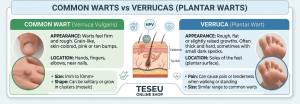
 Wart vs Verruca: What Is the Difference?
Although people often use these words differently, they describe the same type of HPV-related skin growth in different locations. The small black dots sometimes seen inside a wart are usually tiny clotted blood vessels, not dirt.
When Should You Speak to a GP?
Most warts are harmless. However, NHS guidance recommends seeking medical advice if:
- you are unsure whether it is a wart
- the growth changes shape or colour
- it bleeds
- it becomes painful
- it appears on your face
- you have concerns about your immune system
Warts on the face should not usually be treated with standard wart removal products unless advised by a healthcare professional.
 Gentle, Science-Inspired Wart Care at Home
Warts can be frustrating, especially when you are worried about passing them to people around you. A combination of good hygiene, avoiding unnecessary contact, and appropriate treatment can help you manage them confidently.
Our wart removal liquid is developed around the principle of “Rooted in Nature, Backed by Science”, combining effective active ingredients with carefully selected plant-based extracts for a practical home treatment approach. For best results, always use as directed and speak with a healthcare professional if you have concerns about your skin.
Frequently Asked Questions
Q: Can warts spread to family members?
Yes. Warts can spread between family members through direct contact or shared personal items. However, normal daily contact does not automatically mean someone else will develop a wart.
Q: Are warts contagious?
Yes, warts are considered contagious because they are caused by HPV. However, they usually require close contact or suitable conditions for transmission.
Q: Can I get a wart from gym equipment?
It is possible, especially in damp shared environments. Using towels, wearing protective footwear, and avoiding direct contact with communal floors can help reduce risk.
Q: How long do warts last naturally?
Some warts disappear within months, while others may remain for several years. The timeframe varies depending on the individual immune response and wart type.
Q: Can wart removal help stop spreading?
Treating a wart may reduce the time it remains on the skin, which can reduce opportunities for spreading. However, no treatment can guarantee immediate removal or completely eliminate transmission risk.
[Medical References]
- NHS – Warts and verrucas
- American Academy of Dermatology – Warts
- British Association of Dermatologists – Viral Warts
Disclaimer: This article is for informational purposes only and does not constitute medical advice. Always consult your GP or pharmacist before starting any treatment, especially if you have diabetes, circulatory issues, or are unsure about your skin condition.