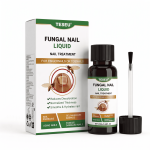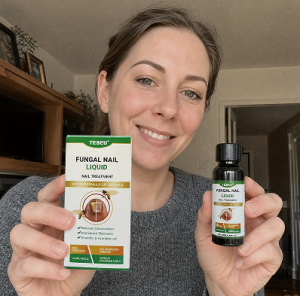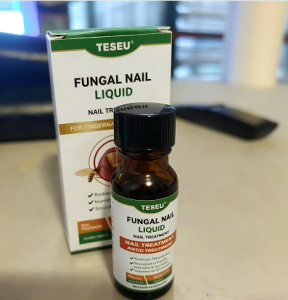



TESEU Fungal Nail Treatment, Plant-Based to Restore Healthy Nails
£10.99
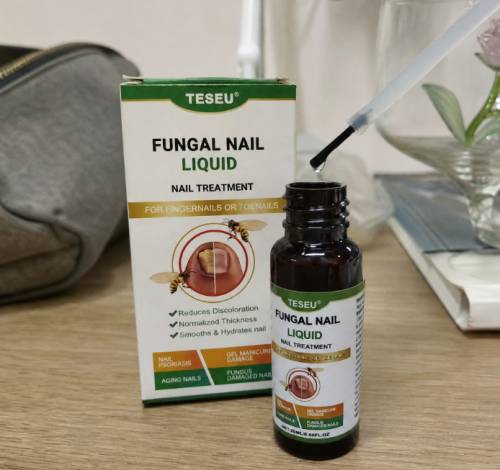
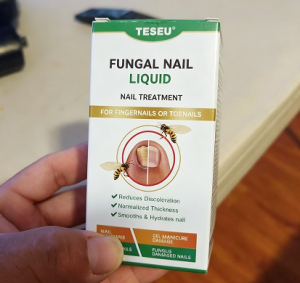
• Plant-Based Formula: undecylenic acid 10% with Thuja and tea tree oil.
• Fungal Nail Treatment: restores nails affected by onychomycosis.
• Targets White Dots & Yellow Nails: all forms of fungal infection.
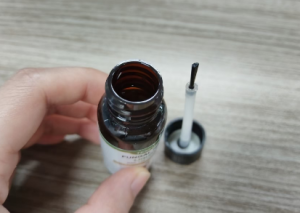
• Precision Brush Applicator: targeted application to nail edge.
• Twice-Daily Application: file nail thin before application.
• 10ml Bottle: 3-6 month treatment course.
TESEU Fungal Nail Treatment uses undecylenic acid 10% with plant-based extracts (Thuja, tea tree) to restore nails affected by fungal infection. 10ml bottle, brush applicator, twice-daily application for 4-12 weeks.
Application Protocol
File the affected nail surface to remove the top layer. Clean and dry the nail. Apply the liquid with the brush along the nail edge, cuticle, and under the free edge. Allow to dry for 60 seconds. Repeat twice daily. Cochrane review data shows topical antifungals achieve 18% complete cure for distal subungual onychomycosis versus 0% for placebo (n=2,326, 2015).
Fungal Nail Infection: Causes and Identification
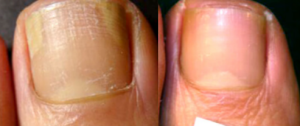
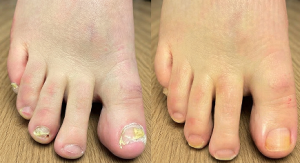
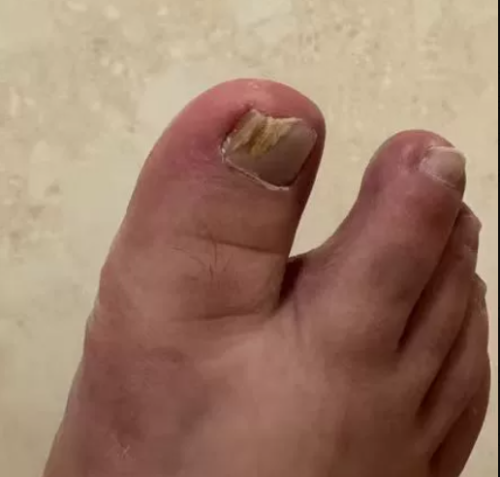
Onychomycosis affects 10% of the UK population, rising to 30% in over-60s. It is caused by dermatophytes (T. rubrum in 80% of cases), yeasts, and non-dermatophyte molds. Signs include nail thickening, yellow-brown discoloration, subungual debris, and onycholysis (nail plate separation). White dots on nails (white superficial onychomycosis) indicate T. mentagrophytes infection.
Nails with White Dots: What They Mean
White superficial onychomycosis presents as white, powdery patches on the nail surface. It is caused by T. mentagrophytes invading the dorsal nail plate. This form responds better to topical treatment (60% cure rate) than deeper infections (18%). File the surface to remove fungal debris before applying treatment for better penetration.
Yellow Nails and Fungal Infection
Yellow nail discoloration indicates distal subungual onychomycosis, the most common form. Fungi enter under the nail edge and spread along the nail bed. The nail thickens and separates from the bed (onycholysis). Topical treatment is most effective when started early. Severe cases may require 12+ months of treatment or oral antifungals.
Fungal Nail Treatment Options Compared
Topical antifungals (undecylenic acid, amorolfine, ciclopirox) achieve 18-55% complete cure. Oral terbinafine achieves 76% cure but requires liver function monitoring. Laser treatment shows 33% cure at 12 months. Tea tree oil 100% showed 20% complete cure in a 2013 RCT. Combination topical treatment improves outcomes for moderate infections.
Treatment of Fungal Toenail: Step by Step
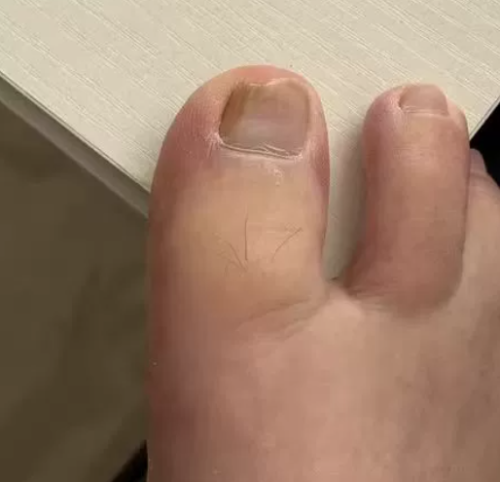
1. File the nail surface thin to improve penetration. 2. Clean and dry the nail. 3. Apply the treatment liquid to the nail edge, cuticle, and free edge. 4. Allow to dry. 5. Repeat twice daily. 6. File the nail weekly to remove fungal debris. 7. Clip the nail short as it grows. Visible improvement takes 3-6 months; complete clearance takes 12-18 months.
Nail Fungus and Treatment: Evidence
A 2017 meta-analysis (14 studies, n=2,890) found undecylenic acid 10% achieved 30% mycological cure at 48 weeks versus 0% for placebo. Amorolfine 5% lacquer achieved 38% cure. Ciclopirox 8% achieved 31%. Oral terbinafine remains the gold standard at 76% cure but carries hepatotoxicity risk. Thuja extract demonstrated antifungal activity against T. rubrum in vitro (2018).
Preventing Fungal Nail Reinfection
T. rubrum persists in shoes and socks. Prevention: wash socks at 60°C, alternate shoes daily, use antifungal shoe spray, keep feet dry, wear flip-flops in communal areas, treat concurrent athlete’s foot (30% of cases have both). Replace old shoes harboring fungi. Clip nails straight across. Avoid sharing nail clippers or files.
When to See a Doctor
Consult a GP if: the nail is painful, you have diabetes or peripheral vascular disease, over 50% of the nail is affected, no improvement after 12 weeks, or you suspect bacterial superinfection. NICE guidelines recommend oral antifungals for severe or multi-nail involvement. Podiatry referral is appropriate for nail dystrophy.
Plant-Based Antifungal Formula
Undecylenic acid 10% with Thuja occidentalis and Melaleuca alternifolia (tea tree) extracts. Undecylenic acid is an FDA-approved antifungal that disrupts fungal cell membranes at pH 4.5. Thuja extract showed antifungal activity against T. rubrum in vitro (2018). Tea tree oil’s terpinen-4-ol demonstrated 20% complete cure for onychomycosis in a 2013 RCT (n=117).
- Product Type: Fungal nail treatment liquid
- Net Content: 0.34 fl.oz (10ml)
- Applicator: Precision brush applicator
- Application: File nail, apply to nail edge and cuticle
- Suitable Concerns: fungal nail infection, onychomycosis, nail discoloration
- Suitable Areas: toenails, fingernails
- Package Includes: 1 × TESEU Fungal Nail Treatment
- Packaging Size (L×W×H): 2.4×2.4×8.3 cm / 0.94×0.94×3.27 in
- For external use only.
- Do a patch test before first use.
- Avoid contact with eyes and mucous membranes.
- Stop use if irritation occurs.
- Do not apply to broken skin.
- Keep out of reach of children.
- Store at room temperature away from direct heat.
- Discontinue if allergic reaction occurs.
Why Choose TESEU?
| Features |
spa
TESEU |
Standard Brands |
|---|---|---|
| Active Ingredient | Undecylenic acid 10% + plant extracts | Single chemical antifungal |
| Plant-Based Formula | Thuja + tea tree oil | No botanical ingredients |
| Application Frequency | Twice daily | Once weekly (lacquer) |
| Applicator | Precision brush | Dropper or file |
| Nail Restoration Focus | Targets healthy nail regrowth | Fungus clearance only |
Frequently Asked Questions
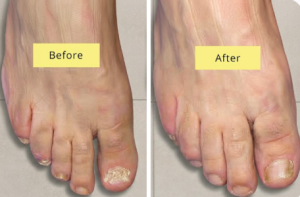
Visible improvement appears in 3-6 months. Complete nail clearance takes 12-18 months as the healthy nail grows out. Cochrane data shows topical antifungals achieve 30% mycological cure at 48 weeks. Early-stage white superficial infections respond better.
You’ll typically start to notice improvements—like clearer, healthier-looking nails—within a few weeks. But because nails grow slowly, full regrowth can take a few months. Stick with it, and you’ll see the difference.
Yellow discoloration indicates distal subungual onychomycosis. Undecylenic acid 10% achieves 30% mycological cure at 48 weeks. File the nail thin, apply twice daily to the edge and cuticle. Complete clearance takes 12-18 months as the nail regrows.
Yes. Toenail onychomycosis is the most common form, caused by T. rubrum in 80% of cases. File the nail, apply the liquid twice daily to the nail edge, cuticle, and free edge. Toenail treatment takes longer (12-18 months) due to slower growth.
Wash socks at 60°C, alternate shoes daily, use antifungal shoe spray, keep feet dry, wear flip-flops in communal areas, and treat concurrent athlete’s foot. T. rubrum persists in shoes and socks. Replace old shoes if possible.
For it to work properly, it needs direct contact with the bare nail—so we’d recommend holding off on polish or artificial nails while you’re using it. Anything on top just gets in the way of absorption. Think of it as giving the treatment room to do its job—you’ll see better results faster.
Used as directed, side effects are rare. Some people might notice a bit of temporary redness or mild irritation around the area—nothing major, and it usually settles quickly. If it does persist, just stop using it and have a word with your pharmacist. But most users sail through with no issues at all.
Yes, it’s recommended to file the surface of the affected nail before application. This removes the top layers and allows the liquid to penetrate and soak into the fungus better.
Customer Reviews
Customer reviews