Transdermal weight management patches deliver their active ingredients directly into the bloodstream through the skin, ensuring a steady, controlled release and often leading to higher bioavailability and fewer gastrointestinal side effects. In contrast, diet pills are ingested orally, passing through the digestive system, which can result in inconsistent absorption rates, potential degradation by stomach acid, and a higher likelihood of digestive discomfort.
Deciding on the right approach for weight management can be a complex journey. Two popular methods often come into consideration: traditional diet pills and innovative transdermal patches. Understanding the fundamental differences in how they work, their effectiveness, and their safety profiles is crucial for making an informed choice that aligns with your health goals and lifestyle. This comprehensive comparison will illuminate the distinct characteristics of each method, helping you determine which path is better suited for you.
Table of Contents
What Is the Fundamental Difference in Delivery Mechanism?
The most significant distinction between diet pills and transdermal patches lies in their delivery system—the way active ingredients enter the body. This core difference influences nearly every other aspect of their performance, from absorption to side effects.
Standard diet pills are administered orally. Upon swallowing, the pill travels to the stomach and then into the small intestine. The active compounds are broken down and absorbed through the walls of the digestive tract into the bloodstream. This process is known as oral administration and relies entirely on the efficiency of the gastrointestinal (GI) system.
In stark contrast, transdermal patches utilize a dermal delivery method. The patch is applied directly to the skin, and its active ingredients are formulated to penetrate the skin’s outer layers and enter the capillaries and bloodstream directly. This method completely bypasses the digestive system, offering a direct-to-bloodstream route that is controlled, steady, and non-invasive.
How Does Absorption Efficiency Compare Between Patches and Pills?
Absorption efficiency, or bioavailability, refers to the percentage of an active ingredient that successfully enters the bloodstream to produce its intended effect. This is an area where patches and pills show considerable divergence.
Oral Pill Bioavailability
When you take a diet pill, it faces numerous obstacles. Stomach acid can degrade delicate ingredients, and the liver metabolizes a significant portion of the compounds before they can circulate throughout the body. This is known as the “first-pass effect.” As a result, only a fraction of the stated dosage may actually become available for use. Bioavailability can also be affected by factors like what you’ve recently eaten, the pH of your stomach, and individual metabolic differences.
Transdermal Patch Bioavailability
Transdermal patches circumvent the first-pass effect entirely. By delivering ingredients directly through the skin into the bloodstream, they avoid the harsh environment of the stomach and immediate filtration by the liver. This direct route often results in significantly higher bioavailability. It means that a larger percentage of the active ingredients reaches its target, allowing for more predictable and consistent results from a smaller, more precise dosage.
Which Method Offers More Consistent Ingredient Release?
The pattern of ingredient release is a critical factor in maintaining stable effects and avoiding the “peak and trough” cycle often associated with oral supplements. This is another area where transdermal technology excels.
Diet pills typically deliver their active ingredients in a single, large dose. This causes a rapid spike in the concentration of the compounds in your bloodstream, followed by a gradual decline as your body metabolizes and eliminates them. This can lead to a burst of energy or appetite suppression that fades over time, sometimes requiring multiple doses throughout the day to maintain the effect.
Conversely, transdermal patches are engineered for sustained, controlled release. They dispense their ingredients slowly and steadily over a prolonged period (often 8-12 hours). This creates a stable concentration of the active compounds in the bloodstream, preventing jarring spikes and crashes. The consistent delivery supports a more balanced and sustained effect, whether it’s for appetite management, metabolic support, or energy levels, without the need for constant re-dosing.
What Are the Common Side Effects Associated with Each Method?
The potential for unwanted side effects is a major consideration for anyone starting a new wellness regimen. The delivery method plays a pivotal role in the type and severity of side effects experienced.
Diet Pill Side Effects
Since diet pills pass through the GI tract, many of their most common side effects are digestive in nature. These can include:
- Nausea
- Upset stomach or cramps
- Diarrhea or constipation
- Bloating
Additionally, the rapid absorption and high initial concentration of stimulants found in many diet pills can lead to systemic side effects like jitters, anxiety, increased heart rate, and sleep disturbances.
Transdermal Patch Side Effects
Because transdermal patches bypass the digestive system, they almost entirely eliminate the risk of gastrointestinal distress. The primary side effect associated with patches is localized skin irritation. This may present as redness, itching, or a rash at the application site. However, this is typically mild and can often be mitigated by rotating the application site daily. At Teseu, our patches are formulated with skin-friendly adhesives to minimize this risk, making them an excellent choice for individuals with sensitive stomachs.
Which Option Is More Convenient for Daily Use?
Convenience and ease of use are crucial for long-term adherence to any health supplement program. Your lifestyle can heavily influence which option feels more practical.
Using diet pills requires remembering to take them at specific times, often multiple times a day. You may also need to coordinate doses with meals and carry the bottle with you when you’re on the go. Forgetting a dose can disrupt the supplement’s effectiveness and lead to inconsistent results.
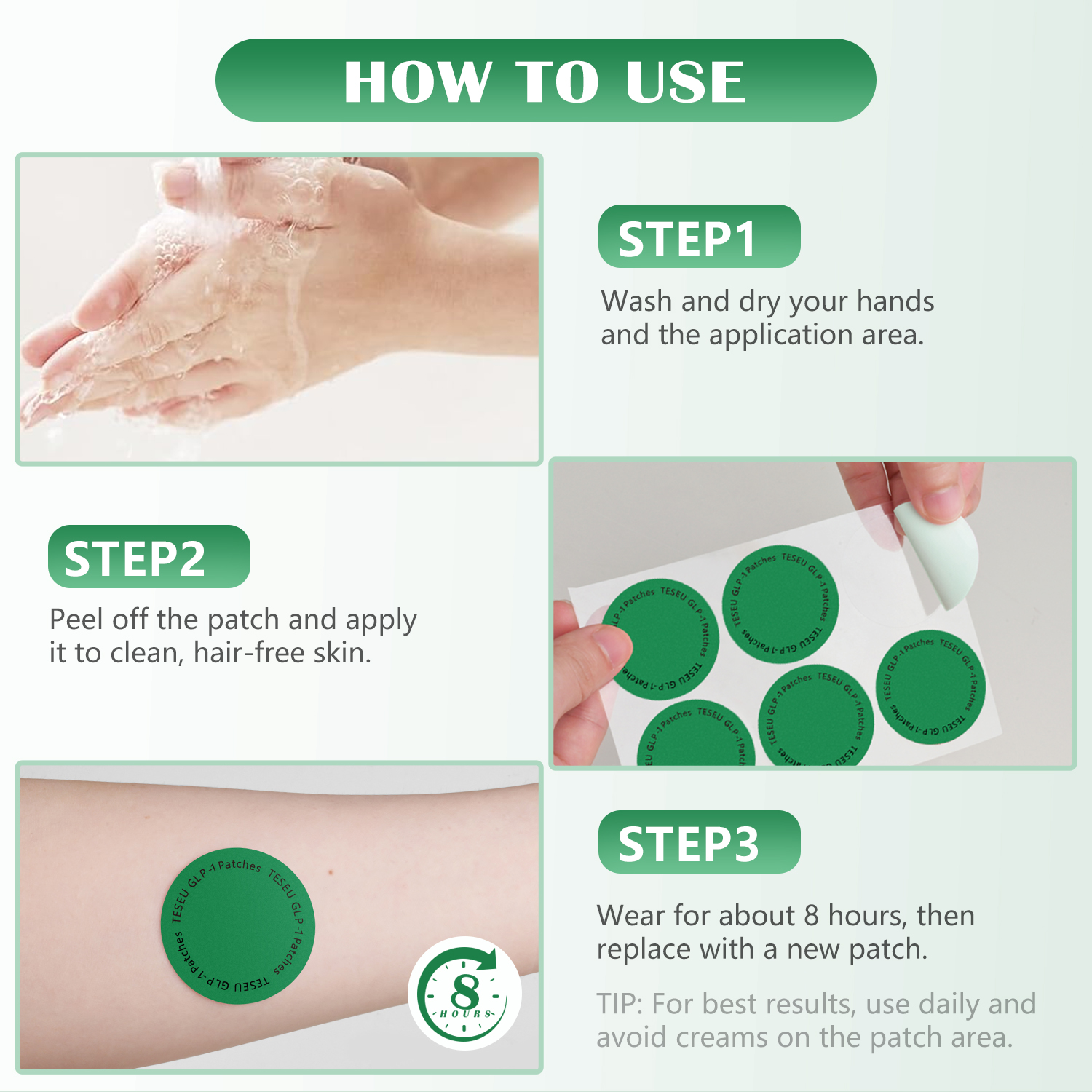
Transdermal patches offer a “set it and forget it” approach. You simply apply a new patch once a day (or as directed) to a clean, dry area of skin and go about your day. The patch works continuously in the background, delivering its ingredients without any further action required from you. This makes patches exceptionally convenient for busy individuals, frequent travelers, or anyone who struggles with remembering to take pills on a strict schedule.
How Does the Digestive System Impact Diet Pills?
The journey through the digestive system is a harsh one that can compromise the integrity of the active ingredients in diet pills. Stomach acid is highly corrosive and can break down many beneficial compounds before they even have a chance to be absorbed. Ingredients that survive the stomach then face enzymes in the small intestine and metabolism in the liver.
This degradation means that the formula you see on the label might not be what your body ultimately receives. Manufacturers may need to use higher concentrations of ingredients or add protective coatings to their pills to compensate for this loss, which can sometimes increase the risk of side effects.
Transdermal delivery avoids this issue entirely. The ingredients in a transdermal patch are protected within the patch’s matrix until they are absorbed through the skin. This ensures that the compounds are delivered to the bloodstream in their most potent and stable form, just as the formulator intended. The full benefits of powerful, natural ingredients are preserved, leading to a more reliable and effective product.
Does One Method Work Faster Than the Other?
Users often wonder which method will produce noticeable results more quickly. The answer depends on how “speed” is defined—initial feeling versus sustained effect.
Diet pills, especially those containing stimulants, can produce a noticeable effect—like a jolt of energy—very quickly, sometimes within 30 to 60 minutes of ingestion. This is due to the rapid influx of ingredients into the bloodstream. However, this initial rush is often short-lived and part of the “peak and trough” cycle.
Transdermal patches do not provide an instant “kick.” Their action is more gradual and subtle. Because they are designed for sustained release, it may take longer to perceive the full, steady-state benefits. However, their effectiveness is built on consistency. Over the course of a day, the continuous delivery of ingredients provides stable, ongoing support for metabolism and appetite control, which many find more effective for long-term management than the volatile effects of pills.
What Safety Considerations Should Be Taken into Account?
Safety should always be the top priority. Both pills and patches have different safety profiles to consider.
The oral supplement market is vast and includes products with questionable ingredients or unsafe stimulant levels. Overdosing on diet pills is a serious concern, as taking more than the recommended dose can lead to dangerous side effects, including cardiovascular stress. It is vital to choose products from reputable companies that are transparent about their ingredients.
Transdermal patches offer a heightened level of safety in some respects. The controlled-release mechanism makes it virtually impossible to “overdose” in the same way as taking too many pills at once. If any adverse reaction, such as skin irritation, occurs, the user can simply remove the patch to immediately stop the delivery of ingredients. Teseu is committed to safety, using clinically tested ingredients in precisely measured doses within our patch technology to ensure a reliable and gentle experience.
Comparing the User Experience: Application vs. Ingestion
The day-to-day experience of using a health product can be just as important as its effects. Here, personal preference plays a significant role.
For some, swallowing a pill is a simple, familiar action. However, a large percentage of adults experience difficulty swallowing pills (dysphagia), which can make oral supplements a daily source of anxiety and discomfort. For them, patches are a transformative alternative.
Applying a patch is a non-invasive and painless process. It involves peeling a thin, flexible patch and sticking it to the body, typically on the shoulder, back, or abdomen. The patch is discreet and can be worn under clothing without anyone knowing. This simple, once-daily application is often perceived as a much more pleasant and effortless user experience compared to the repetitive act of swallowing pills, especially for those with a pill aversion.
How Do You Choose the Right Option for Your Goals?
Ultimately, selecting the right method comes down to a careful evaluation of your personal health profile, lifestyle, and wellness objectives.
When a Transdermal Patch Might Be Better
A transdermal patch is likely the superior choice if you:
- Have a sensitive stomach or have experienced GI side effects from oral supplements.
- Value convenience and prefer a “set it and forget it” routine.
- Seek consistent, all-day support rather than short-term bursts.
- Have difficulty swallowing pills.
- Are looking for a method with higher bioavailability and a more predictable dose.
When a Diet Pill Might Be Considered
A diet pill might be a consideration if you:
- Are accustomed to taking oral supplements and have no issues with them.
- Are looking for a rapid, short-term boost of energy before a workout.
- Do not have a sensitive digestive system.
At Teseu, we champion the advanced benefits of transdermal technology. Our patches are designed to provide a more effective, gentle, and convenient path to achieving your weight management goals by leveraging the power of direct, sustained delivery. They represent a modern, intelligent approach to supplementation that works in harmony with your body.
Feature Comparison: Transdermal Patches vs. Diet Pills
| Feature |
Transdermal Patches |
Standard Diet Pills |
| Delivery Method |
Through the skin (Dermal) |
By mouth (Oral) |
| Bioavailability |
High (bypasses digestive system) |
Lower (subject to first-pass metabolism) |
| Ingredient Release |
Slow, steady, and sustained |
Rapid release, causing peaks and troughs |
| GI Side Effects |
Virtually none |
Common (nausea, stomach upset) |
| Convenience |
High (apply once daily) |
Lower (requires multiple doses, timing) |
| User Experience |
Easy for those who dislike pills |
Problematic for those with dysphagia |
| Dosage Control |
Precise and consistent |
Variable based on digestion and metabolism |