Ringworm infections that constantly return to the exact same spot often indicate an incomplete eradication of the initial fungal infection, a compromised local skin barrier, or persistent re-exposure from a contaminated environment. The fungus can lie dormant in deeper skin layers or hair follicles, reactivating when conditions are favorable.
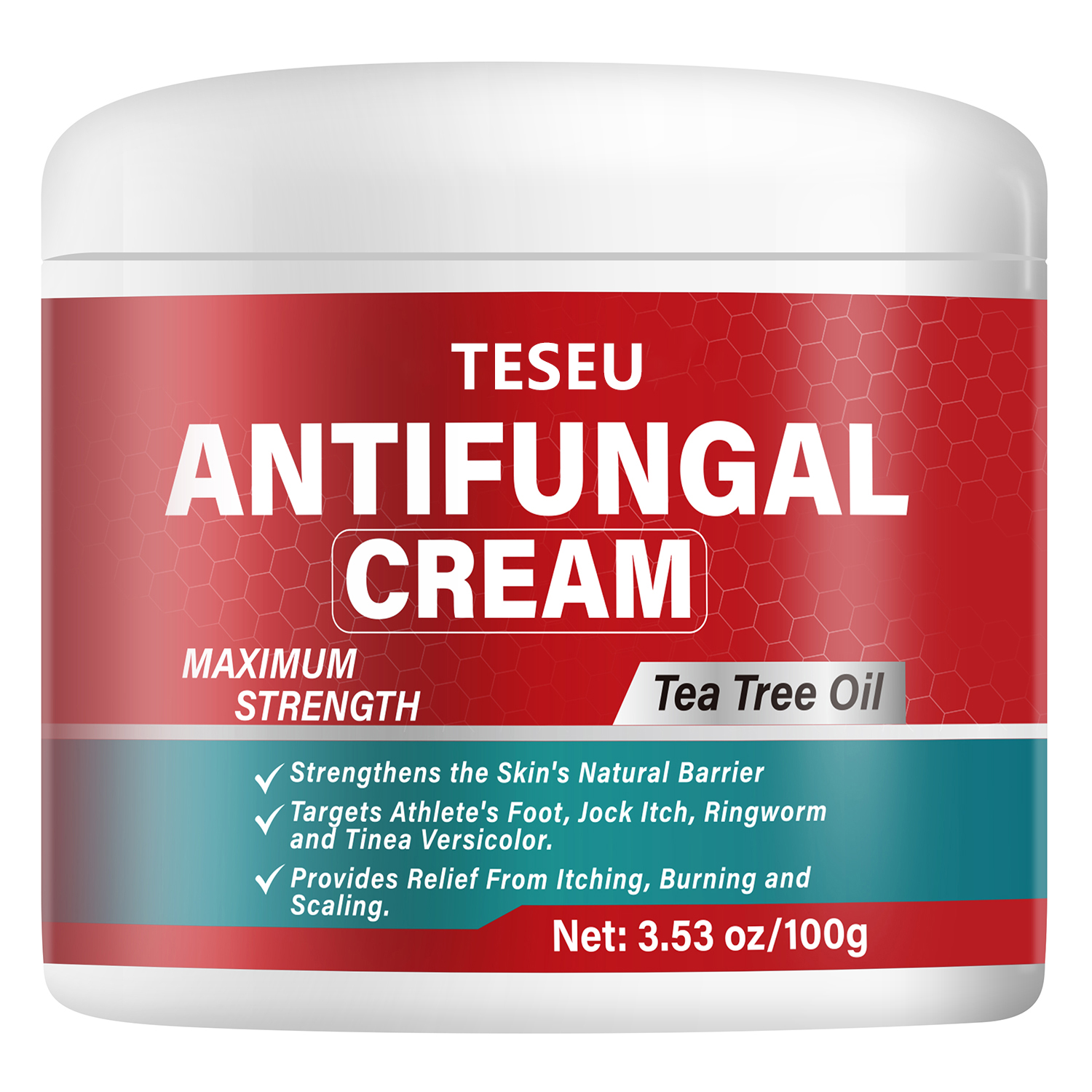
Table of Contents
- What Exactly is Ringworm and Why Does it Itch?
- Why Does Ringworm Reappear in the Same Spot?
- The Primary Culprit: Incomplete Treatment
- Dormant Fungi: The Hidden Reservoir for Recurrence
- The Role of a Compromised Skin Barrier
- Is Your Environment Re-Infecting You?
- Autoinoculation: How You Might Be Spreading It Yourself
- Could It Be Something Other Than Ringworm?
- How Can You Prevent Ringworm from Returning?
- Harnessing Technology for a Fungi-Free Environment
What Exactly is Ringworm and Why Does it Itch?
Ringworm, medically known as tinea or dermatophytosis, is a common skin infection caused by a type of fungus called a dermatophyte. Despite its name, no worm is involved. The name originates from the characteristic circular, reddish rash that often forms a ring-like pattern on the skin. These fungi thrive on keratin, a protein found in your skin, hair, and nails.
The infection begins when your skin comes into contact with the fungus, either through direct contact with an infected person or animal, or by touching contaminated objects like towels, clothing, or surfaces. The fungi release enzymes that break down the keratin in the outer layers of the skin, leading to inflammation. This process triggers your body’s immune response, resulting in the classic symptoms of redness, scaling, and intense itching. The circular shape appears as the fungus grows outward from the initial point of infection.
Why Does Ringworm Reappear in the Same Spot?
The frustration of a ringworm infection that keeps coming back in the same location is a common experience. This phenomenon, known as localized recurrence, is not due to bad luck but is rooted in a combination of biological and behavioral factors. The core reasons a patch of skin becomes a “hotspot” for repeat infections involve the fungus’s ability to survive, the state of your skin, and the effectiveness of your treatment and prevention habits.
Understanding these underlying causes is the first step toward breaking the cycle of infection and recurrence. The primary reasons include treatments not being completed, fungal spores lying dormant deep within the skin or hair follicles, a locally damaged skin barrier, and continuous re-exposure from the surrounding environment. Each factor can independently or collectively contribute to the persistent return of that annoying, itchy ring.
The Primary Culprit: Incomplete Treatment
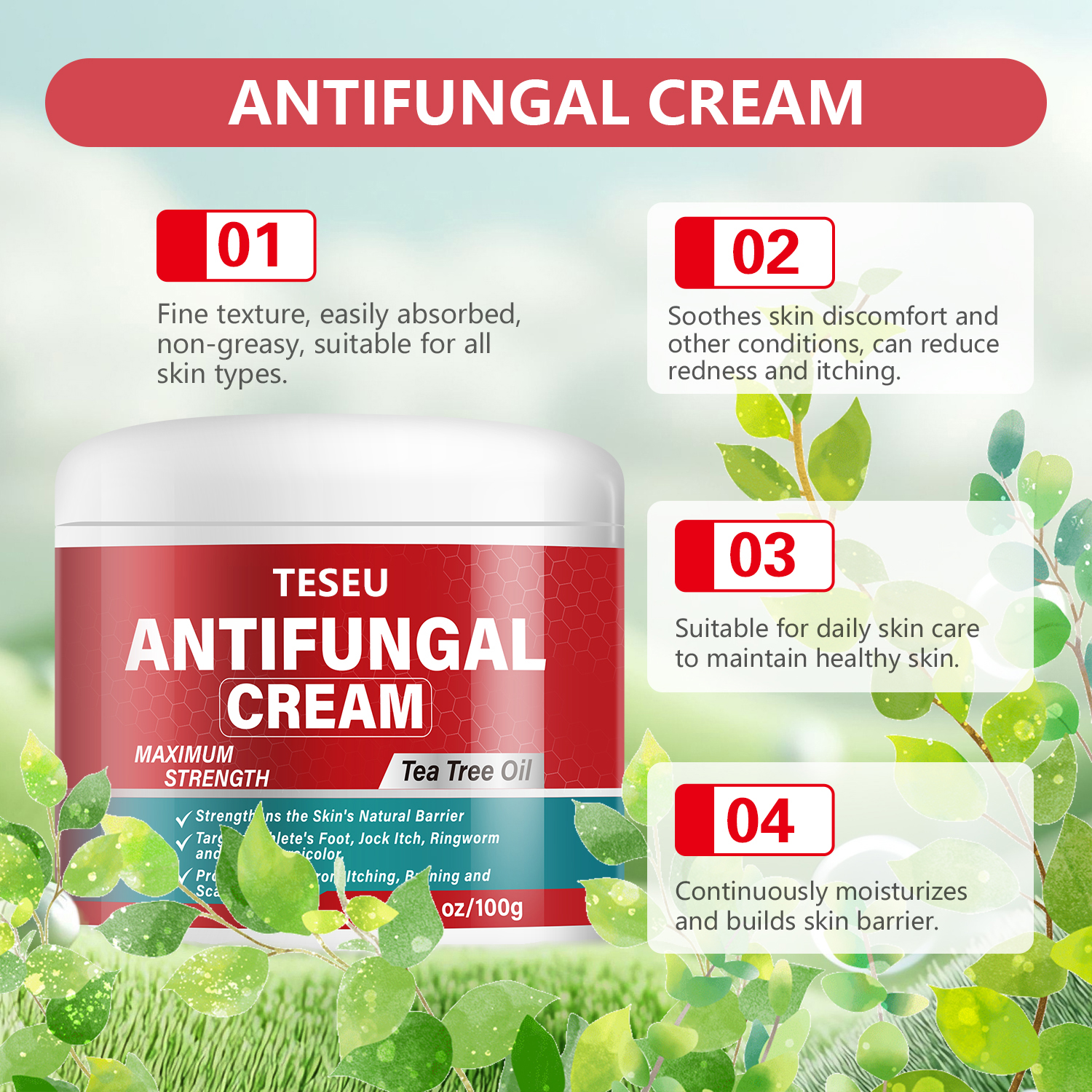
One of the most frequent reasons for ringworm’s return is the premature discontinuation of treatment. Antifungal creams, lotions, and oral medications work by inhibiting the fungus’s growth and ability to reproduce. However, they require a sustained period of application to fully eradicate all fungal cells and spores.
Often, a person will stop applying the medication as soon as the visible symptoms—like the redness and itching—disappear. This is a critical mistake. While the surface-level fungus may be gone, deeper, more resilient fungal elements can survive. When treatment stops, these survivors are given a chance to repopulate, leading to a resurgence of the infection in the exact same place. It is crucial to follow the full prescribed course of treatment, even if your skin looks and feels better.
Oral vs. Topical Treatments: Which is More Effective?
Topical treatments (creams and lotions) are effective for most simple body ringworm (tinea corporis). They are applied directly to the affected area. However, for infections that are extensive, severe, or involve the scalp (tinea capitis) or nails (onychomycosis), oral antifungal medications are often necessary. Oral medications work systemically, reaching deeper layers of the skin and hair follicles where topical creams cannot penetrate effectively. A recurring infection might signal that a more potent oral medication is needed.
Dormant Fungi: The Hidden Reservoir for Recurrence
Dermatophytes are surprisingly resilient. They can penetrate beyond the superficial layer of the skin (epidermis) and establish a “reservoir” in deeper structures. This is especially true in areas with hair.
Hair Follicles as a Fungal Hiding Spot
Hair follicles provide an ideal sanctuary for fungi. They can travel down the follicle shaft, remaining shielded from topical antifungal creams which primarily treat the skin’s surface. Within the follicle, the fungus can lie dormant, almost in a state of hibernation, not causing any visible symptoms. When conditions become favorable again—such as increased moisture from sweat, warmth, or a dip in local immunity—the dormant fungus can reactivate and emerge, causing a new infection to sprout in the same location. This is why ringworm on the scalp or in bearded areas is notoriously difficult to treat with creams alone.
The Role of a Compromised Skin Barrier
Your skin has a natural protective layer called the acid mantle, which helps maintain a pH that is inhospitable to fungal growth. A previous ringworm infection can damage this barrier, leaving the skin in that specific spot more vulnerable.
The inflammation and scratching associated with ringworm weaken the skin’s structure. Even after the fungus is gone, the skin might not fully recover its original integrity for some time. This weakened area becomes an easy point of entry for any new fungal spores you might encounter. It’s like a castle wall that has been breached once; even after repairs, it remains a weak point that invaders will target again. Constant friction from clothing or repeated moisture can further compromise this already fragile area.
Is Your Environment Re-Infecting You?
Your body might be free of fungus, but your environment could be contaminated. Fungal spores are microscopic and can survive for months on inanimate objects and surfaces, just waiting for a new host.
If you don’t take steps to decontaminate your personal environment, you create a perfect loop of re-infection. The fungus on your skin sheds spores onto your clothes, towels, and bedsheets. You treat your skin, but then you use that same towel or put on those same clothes, and the spores are transferred right back to your vulnerable skin, often in the same spot that was just treated. This is why a holistic approach that includes environmental cleaning is essential for preventing recurrence.
Common Sources of Fungal Re-exposure
- Bed Linens and Towels: These items collect skin cells and moisture, creating an ideal breeding ground.
- Clothing: Especially tight-fitting workout clothes that trap sweat.
- Shared Equipment: Gym mats, exercise machines, and changing room floors are notorious hotspots.
- Personal Care Items: Razors, hairbrushes, and loofahs can harbor and spread the fungus.
- Pets: Cats and dogs can be asymptomatic carriers of ringworm and shed fungal spores in the home.
Autoinoculation: How You Might Be Spreading It Yourself
Autoinoculation is the process of spreading an infection from one part of your body to another. With ringworm, this is a common and often unconscious process that can lead to recurrence in a favored spot.
Imagine you have an active ringworm infection. You scratch the itchy patch, transferring fungal spores to your fingertips and under your nails. Later, you touch or scratch another part of your body, or even the same spot after it has started to heal, depositing the fungus and starting a new infection. This can happen easily while sleeping or through simple, mindless scratching. This self-reinfection is a key reason why hygiene is paramount during an outbreak.
Could It Be Something Other Than Ringworm?
Not every circular, red rash is ringworm. Several other skin conditions can mimic its appearance, and if the diagnosis is incorrect, the treatment will be ineffective, leading to what seems like a persistent or recurring problem.
Conditions that are often mistaken for ringworm include:
| Condition |
Key Differentiating Features |
| Nummular Eczema |
Coin-shaped, itchy patches, but not caused by a fungus. Tends to be more “weepy” or crusted. Antifungal creams will not work. |
| Granuloma Annulare |
Forms a ring of small, firm bumps. It is typically not scaly or itchy like ringworm. The cause is unknown but related to an immune response. |
| Psoriasis |
Can form ring-like plaques, but the scales are typically thicker and more silvery-white compared to the finer scales of ringworm. |
| Lyme Disease (Erythema Migrans) |
The classic “bull’s-eye” rash can look like a ring, but it is not typically scaly or itchy and expands over time. It is a sign of a bacterial infection. |
If your “ringworm” isn’t responding to standard antifungal treatment, it is vital to see a doctor for a proper diagnosis, which may involve a skin scraping (KOH test) to confirm the presence of fungus.
How Can You Prevent Ringworm from Returning?
Preventing recurrence is a multi-faceted strategy that combines proper medical treatment, diligent personal hygiene, and environmental sanitation.
Best Practices for Complete Eradication
- Complete the Full Treatment: Use your antifungal medication for the entire duration prescribed by your doctor or as instructed on the packaging, even after symptoms vanish.
- Keep the Area Clean and Dry: Fungus loves moisture. After bathing, thoroughly dry the affected area. Consider using an antifungal powder to absorb excess moisture, especially in skin folds.
- Wash Everything in Hot Water: Launder all clothing, bedding, and towels that came into contact with the infected skin in hot water (at least 140°F or 60°C) with detergent to kill any lingering fungal spores.
- Avoid Sharing Personal Items: Do not share towels, clothing, razors, or brushes with others.
- Wear Breathable Fabrics: Choose loose-fitting clothing made from natural fibers like cotton to reduce moisture and friction on the skin.
Harnessing Technology for a Fungi-Free Environment
Beyond personal hygiene, controlling your environment is a key battleground in the fight against recurring fungal infections. Fungi and their spores can persist on surfaces and in the air, creating a constant source of potential re-infection. Traditional cleaning methods can help, but advanced technology offers a more thorough and lasting solution.
At Teseu, we specialize in cutting-edge sterilization technologies that go beyond surface-level cleaning. Our solutions, such as short-wavelength UVC light and photocatalysis, are designed to eliminate a wide array of microorganisms, including resilient fungal spores. By integrating such technologies into your living or working space, you can create a truly sanitized environment. This is particularly beneficial for those prone to recurring infections, as it helps break the cycle of re-exposure by neutralizing the invisible fungal threats lingering in your home, on your clothes, and on everyday objects. By reducing the overall fungal load in your environment, you significantly lower the risk of reinfection, giving your skin the clean slate it needs to fully heal.