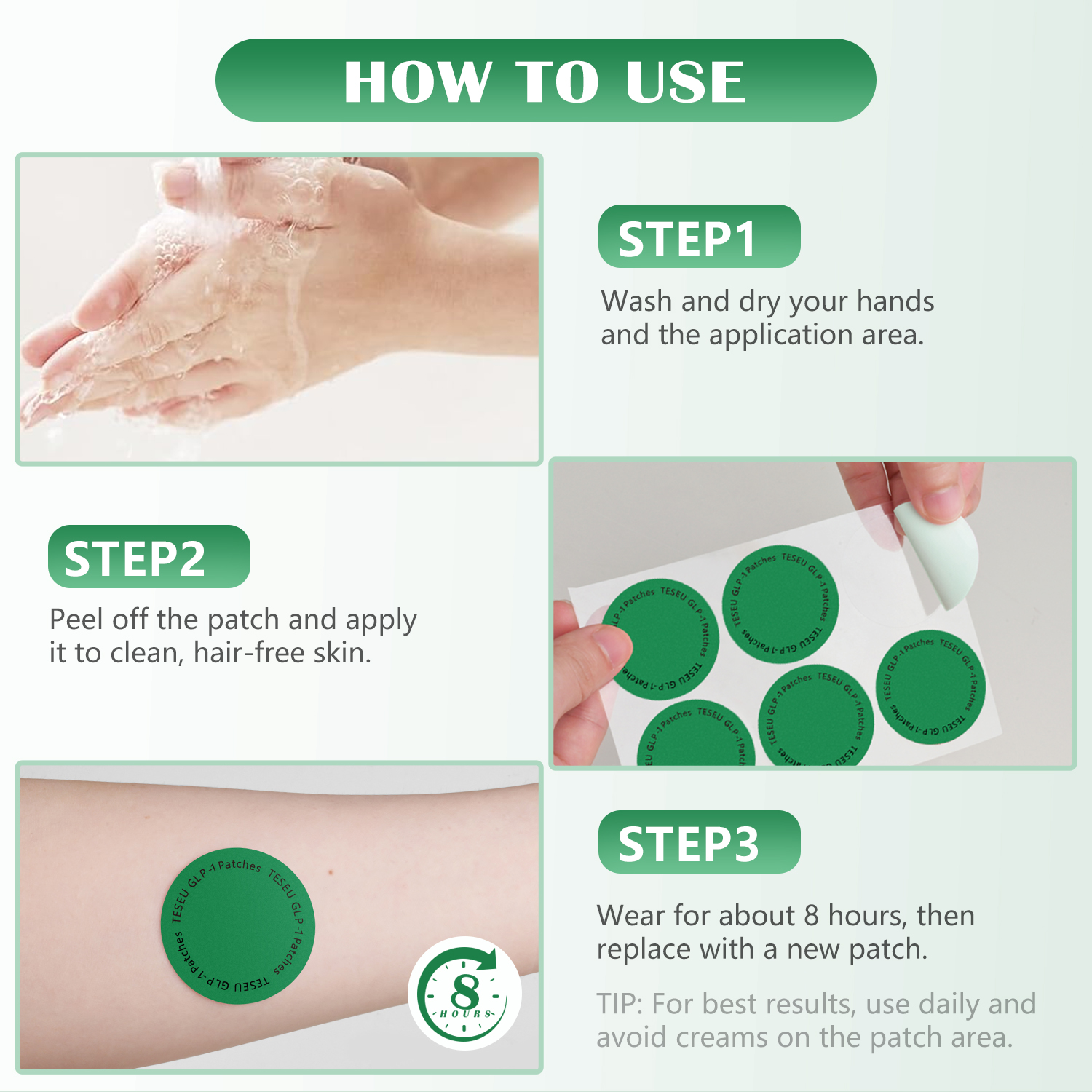
Wearing a wellness patch, such as a Teseu Wellness Patches, beyond its recommended 12-hour timeframe primarily leads to two outcomes: diminished effectiveness and an increased risk of localized skin irritation. These patches are engineered with advanced sustained-release technology to deliver a specific amount of ingredients over a set period. Once that time has elapsed, the patch has fulfilled its function, and wearing it longer offers no additional wellness benefits and may cause mild, temporary skin issues.
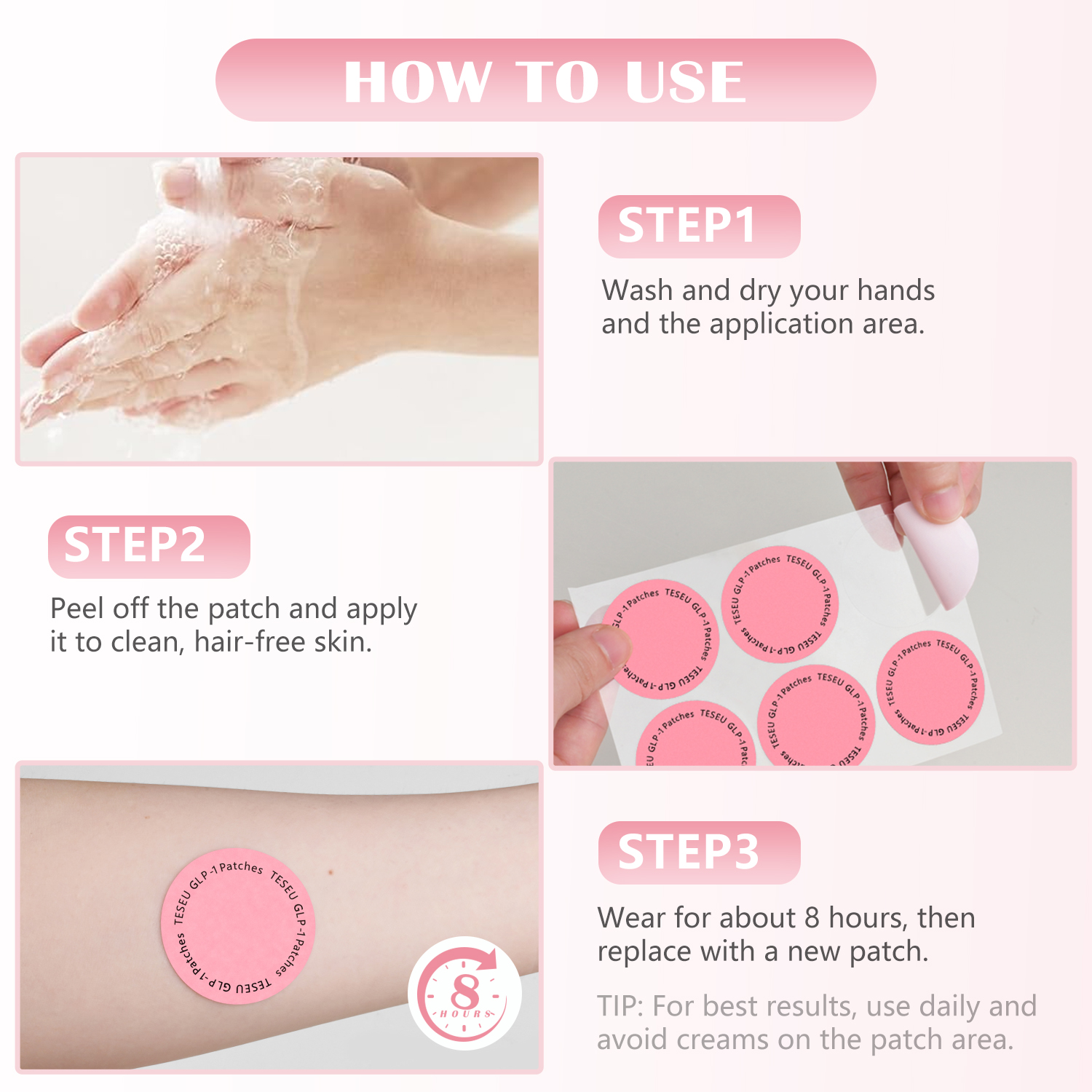
Table of Contents
- Understanding the 12-Hour Design of Transdermal Patches
- What Are the Primary Consequences of Extended Wear?
- Can You “Overdose” from a Wellness Patch?
- How Does Patch Adhesion Change After 12 Hours?
- A Comparison of Potential Side Effects
- What Should You Do if You’ve Worn a Patch for Too Long?
- Best Practices for Using Your Wellness Patches
- Why Teseu Patches Are Designed for a 12-Hour Cycle
- Frequently Asked Questions About Patch Usage
- The Takeaway on Patch Duration and Safety
Understanding the 12-Hour Design of Transdermal Patches
Transdermal patches represent a sophisticated method for delivering ingredients directly into the body through the skin. The 12-hour wear time recommended for many wellness patches isn’t an arbitrary number; it’s a carefully calculated duration based on the patch’s design and the properties of its active ingredients. This timeframe is engineered to provide a steady, controlled release, ensuring you receive a consistent level of support throughout the day or night.
The technology behind a high-quality transdermal patch involves multiple layers that work in concert. A backing layer protects the patch, a reservoir holds the ingredients, a rate-controlling membrane dictates the speed of release, and a skin-contact adhesive secures it to your body. For products like Teseu patches, this system is precisely calibrated to exhaust its plant-based payload over approximately 12 hours, aligning with the body’s natural rhythms and ensuring optimal absorption without overwhelming your system.
What Are the Primary Consequences of Extended Wear?
While accidentally leaving a wellness patch on for a few extra hours is generally not a cause for major concern, it’s important to understand the potential effects. The consequences are less about danger and more about diminished returns and minor discomfort.
Reduced Efficacy and Wasted Potential
The most significant consequence of wearing a patch for too long is a simple lack of benefit. After the 12-hour mark, the patch has likely released all its active ingredients. Continuing to wear it is akin to wearing a simple bandage. You are no longer receiving the sleep, energy, or relaxation support you were seeking. To get the most out of your investment in your well-being, adhering to the recommended timeframe ensures you are always using a patch that is actively working for you.
Increased Risk of Skin Irritation
The second main consequence is skin irritation, often called contact dermatitis. When a patch is left on the skin for an extended period, the adhesive can begin to break down. Sweat and natural skin oils can become trapped underneath, creating a moist environment that may lead to redness, itching, or small bumps. While Teseu utilizes a hypoallergenic, medical-grade adhesive to drastically minimize this risk during the intended wear time, prolonged contact beyond 12 hours can still challenge even the most sensitive-skin-friendly materials.
Can You “Overdose” from a Wellness Patch?
A common question is whether extended wear can lead to an “overdose.” It’s critical to differentiate between pharmaceutical patches (prescribed for pain, hormones, or smoking cessation) and wellness patches. Medicated patches deliver potent drugs where dosage is strictly controlled to prevent adverse systemic effects.
In contrast, wellness patches like those from Teseu use plant-based ingredients, vitamins, and minerals. The risk of a harmful systemic “overdose” from wearing one of these patches too long is extremely low. The body naturally metabolizes these ingredients, and the patch’s design limits the rate of absorption. The primary risks remain localized to the skin and a lack of continued benefits, not a systemic overdose.
How Does Patch Adhesion Change After 12 Hours?
The adhesive on a transdermal patch is designed for a specific duration of wear. It needs to be strong enough to stay on through daily activities yet gentle enough for comfortable removal. After about 12 hours, the integrity of this adhesive begins to change. It can become gummy and less secure, increasing the chance of it peeling at the edges.
Furthermore, this breakdown can trap dead skin cells and bacteria against the skin. This can clog pores and, in rare cases, lead to folliculitis—a minor inflammation of the hair follicles. Proper removal after the recommended time ensures the skin remains clean and healthy. When you do remove it, any residue can typically be washed away with mild soap and water, but leaving it on for 24 hours or more can make this residue more stubborn.
A Comparison of Potential Side Effects
To visualize the difference, it’s helpful to compare the experience of wearing a patch within the recommended timeframe versus wearing it for too long.
| Aspect |
Within 12 Hours (Recommended) |
Beyond 12 Hours (Extended Wear) |
| Efficacy |
Optimal, steady release of active ingredients. |
Diminished to non-existent; ingredients are depleted. |
| Skin Comfort |
Generally comfortable with minimal risk of irritation. |
Increased potential for redness, itching, and mild rash. |
| Adhesion |
Secure and stable. |
May become gummy, peel at the edges, or trap debris. |
| Removal |
Easy and clean. |
May leave more residue or cause minor skin stripping. |
What Should You Do if You’ve Worn a Patch for Too Long?
If you realize you’ve forgotten about your patch and it’s been on for 15, 20, or even 24 hours, there’s no need to panic. The solution is straightforward:
- Gently Remove the Patch: Peel it off slowly. If it’s stuck, you can apply a bit of warm water or baby oil to the edges to loosen the adhesive.
- Clean the Area: Wash the skin with mild soap and water to remove any adhesive residue and cleanse the pores. Pat the area dry with a soft towel.
- Let Your Skin Breathe: Give the patch site a break. It’s best to wait at least a few hours before applying a new patch, and ideally, apply the next one to a different location.
- Monitor the Skin: Check the area for any significant irritation. Mild redness should fade within a few hours. If you experience a persistent rash, blistering, or severe itching, consult a healthcare professional.
Best Practices for Using Your Wellness Patches
To ensure maximum effectiveness and comfort, consistently following a few simple best practices will make all the difference in your wellness routine.
Applying the Patch Correctly
Always apply your patch to a clean, dry, and relatively hair-free area of skin. Common and effective locations include the inner wrist, shoulder, upper back, or hip. Ensure the skin is free of lotions or oils, as this can interfere with the adhesive and prevent the patch from sticking properly.
The Importance of Site Rotation
To prevent cumulative skin irritation, it’s crucial to rotate the application site. Avoid placing a new patch on the exact same spot you used for the previous one. By cycling through a few different locations, you give each area of skin ample time to rest and breathe, which is the best way to maintain skin health long-term.
Setting a Reminder
The easiest way to avoid accidentally overwearing your patch is to set a reminder. When you apply a new patch in the morning, set an alarm on your phone or smartwatch for 12 hours later. This simple habit integrates the removal process seamlessly into your daily routine, ensuring you never have to worry about it.
Why Teseu Patches Are Designed for a 12-Hour Cycle
The 12-hour wear time for Teseu Wellness Patches is a cornerstone of our product’s design, reflecting a deep commitment to effectiveness, safety, and user experience. Our sustained-release technology is meticulously calibrated to disperse our unique plant-based formulations over this specific period. This ensures your body receives a consistent, gentle stream of support, perfectly timed to match your daily activity cycle or nightly rest period.
By synchronizing the ingredient delivery with your body’s natural rhythm, we maximize bioavailability and benefits. Wearing the patch longer doesn’t add value because the active ingredients have already been fully and effectively delivered. The 12-hour cycle is the optimal window to receive 100% of what our patches have to offer, from application to removal.
Frequently Asked Questions About Patch Usage
Here are answers to a few other common questions about using wellness patches.
What if my patch falls off before 12 hours?
If a patch comes off early, you can typically apply a new one. Ensure the skin is clean and dry, and perhaps choose a different spot with less movement or friction to ensure it stays on for the full duration.
Can I shower or swim while wearing a patch?
Most high-quality wellness patches, including those from Teseu, are water-resistant and designed to withstand normal daily activities like showering. However, prolonged submersion in water, such as in a bath or swimming pool, may weaken the adhesive. It’s best to apply the patch after such activities.
Is it safe to use more than one type of wellness patch at a time?
This depends on the specific formulations. With Teseu’s targeted patches (e.g., Sleep, Energy, Focus), it’s generally recommended to use one at a time to address a specific need. Using an Energy patch during the day and swapping it for a Sleep patch at night is a common and effective strategy.
The Takeaway on Patch Duration and Safety
Adhering to the recommended 12-hour wear time for your wellness patch is the best way to guarantee optimal performance and skin safety. teseuline is not about avoiding danger but about maximizing the benefits you seek. By understanding that the patch’s work is done after its designated cycle, you can use it as an effective and reliable tool in your personal wellness toolkit.
Forgetting to remove a patch is a minor misstep with simple remedies. By following best practices like site rotation and setting reminders, you can effortlessly integrate wellness patches into your life, ensuring a positive, effective, and comfortable experience every time.