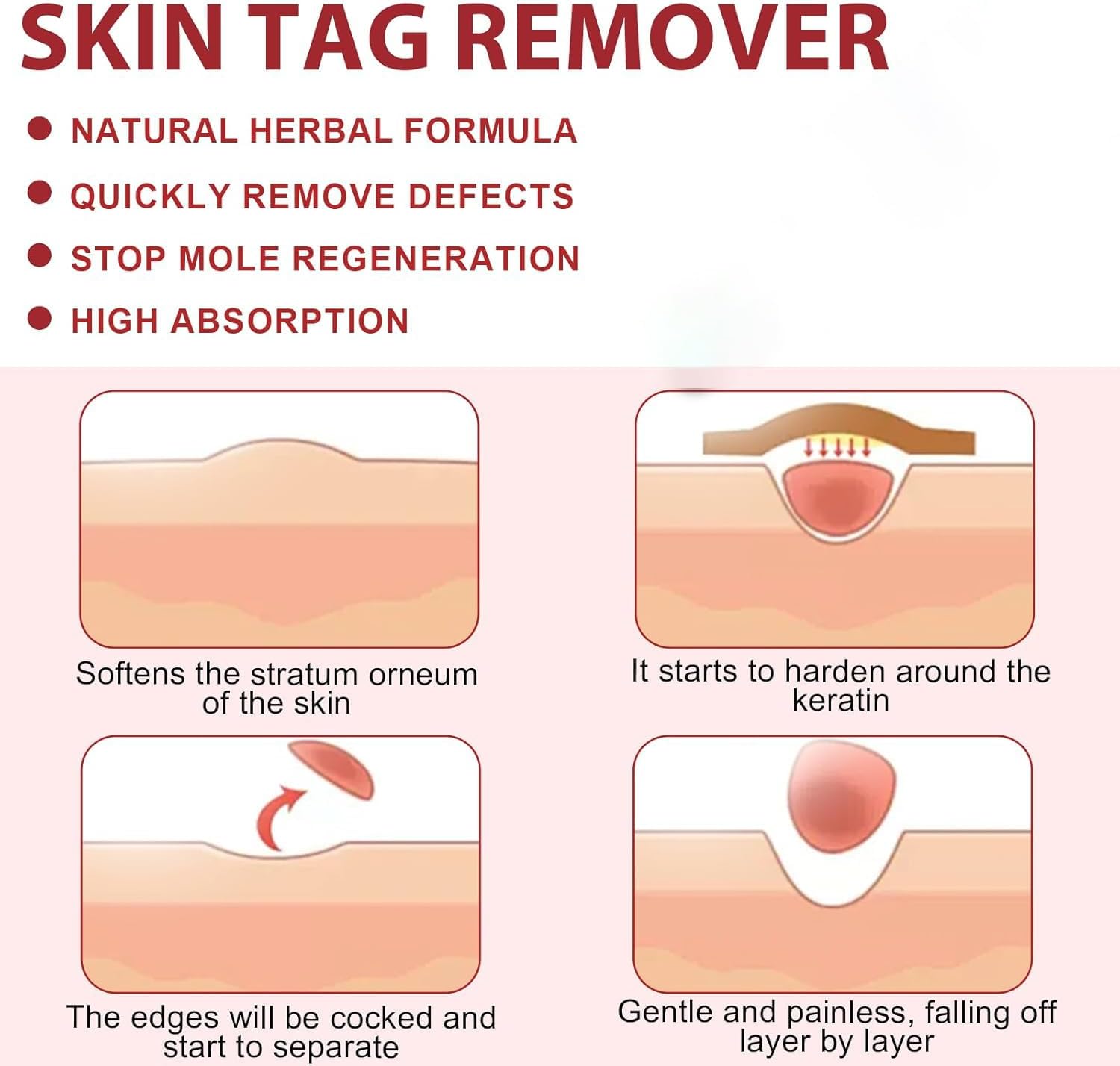
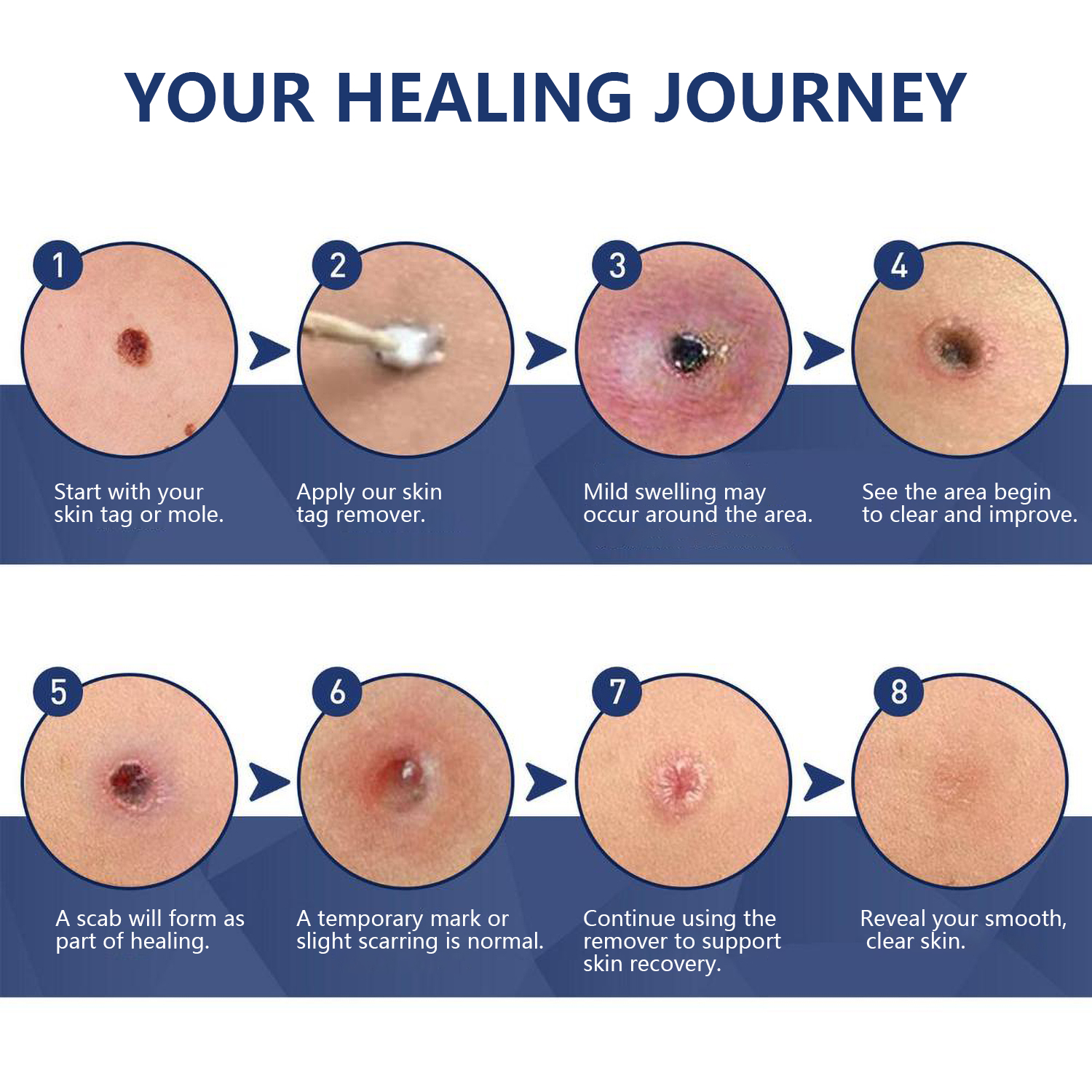
When a skin tag successfully dries out from treatment, it will typically change color, shrink, and harden over several days before painlessly falling off on its own. The entire process, from the start of treatment to the tag detaching, can take one to two weeks, leaving behind smooth, healthy-looking skin with minimal to no scarring.
Article Contents
The Step-by-Step Process of a Skin Tag Drying Out
Understanding the journey of a skin tag from treatment to disappearance can provide peace of mind. The process is a natural and gradual one, initiated by treatments designed to cut off its blood supply or dehydrate its tissues. Whether using a specialized patch, a ligation band, or a topical solution, the goal is the same: to prompt the tag to wither and detach naturally. This biological sequence unfolds in predictable stages, ensuring a safe and typically painless removal.
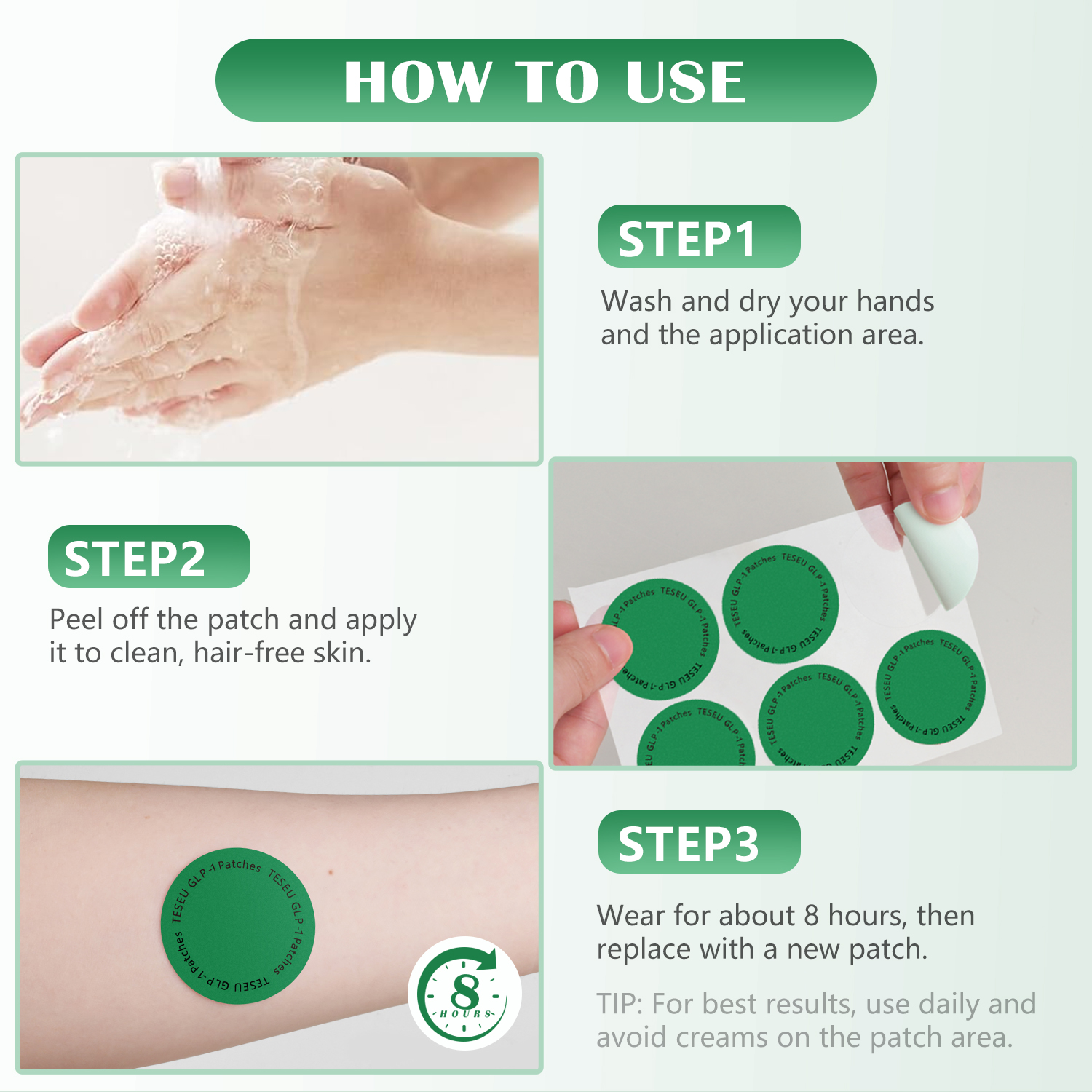
The journey begins the moment an effective treatment is applied. For instance, innovative skin tag patches, like those from Teseu, deliver natural active ingredients directly to the base of the tag. These ingredients work to safely dehydrate the tissue. Over the next few days to a week, the tag’s connection to the body’s blood supply weakens. Deprived of nutrients and moisture, it begins to shrink and harden. This leads to the final stage, where the completely desiccated tag detaches and falls away, often without you even noticing. It’s a clean separation that allows the underlying skin to heal smoothly.
How Does a Skin Tag’s Appearance Change as It Dries?
The visual transformation of a skin tag is one of the clearest indicators that your chosen treatment is working. The changes in color and texture are directly related to the breakdown of the tissue. Initially, the skin tag may look unchanged, but within a day or two of starting a consistent treatment, the first subtle shifts begin.
Initial Darkening
One of the first and most noticeable changes is the color. A flesh-colored or light brown skin tag will start to darken. It may turn a deeper brown, reddish-brown, or eventually a dark, almost black color. This darkening is a direct result of the blood supply being cut off. The cells within the tag, known as fibroblasts and collagen fibers, begin to die without a fresh supply of oxygenated blood. This process, known as necrosis, causes the tissue to change color, much like how a bruise develops.
Shrinking and Hardening
Alongside the color change, you will observe the skin tag shrinking in size. As the water content within its cells is depleted—a process accelerated by treatments that dehydrate the tissue—the tag will visibly reduce. What was once soft and pliable becomes firm, hard, and crusty. It feels more like a small scab than soft skin. This hardening is a crucial step, indicating the tag is fully detaching from the healthy skin below. The stalk that connects it to your body becomes thin and brittle, preparing for the final separation.
What Factors Influence How Long It Takes for a Skin Tag to Fall Off?
While many treatments promise quick results, the exact timeline for a skin tag to dry out and detach can vary. Several key factors play a role in this duration, which typically ranges from a few days to two weeks. Recognizing these variables can help you set realistic expectations for your treatment journey.
| Factor |
Impact on Timeline |
| Size of the Skin Tag |
Smaller tags (1-2 mm) dry out and fall off faster, often in less than a week. Larger tags have more tissue and a more established blood supply, requiring more time to fully necrose. |
| Location on the Body |
Tags in high-friction areas (like the underarm or neck) might fall off sooner due to constant rubbing, but this can also cause irritation. Tags in protected areas may take slightly longer to detach on their own. |
| Treatment Method |
Fast-acting patches with potent natural ingredients, such as the Teseu Skin Tag & Acne Patch, are designed for efficiency. Ligation (tying off) is also effective but may depend on how tightly the base is constricted. Some topical solutions may work more slowly. |
| Consistency of Application |
Adhering strictly to the treatment instructions is vital. Inconsistent application of patches or solutions will interrupt the drying process and prolong the timeline. |
What Are the Key Signs of a Successful Treatment?
Knowing what to look for can help you feel confident that your removal method is effective. The signs of a successful treatment are progressive and confirm that the skin tag is on its way out. The most definitive signs include the aforementioned changes in color and texture—darkening, shrinking, and hardening. When you see these transformations, you can be sure the process is underway.
Another key indicator is a lack of sensation. A healthy skin tag is a part of your skin and has nerve endings. As it dies, it loses this connection. A drying tag should not be painful or sensitive to a light touch. Finally, the ultimate sign of success is when the tag becomes extremely dry and appears to be hanging on by a thread. At this point, it is ready to detach. A successful removal results in the tag falling off cleanly, leaving behind a small, flat mark that quickly fades.
What Should You Expect After the Skin Tag Falls Off?
The moment the dried-out skin tag detaches is a satisfying one. In its place, you shouldn’t find an open wound but rather a small area of healing skin. The appearance of this spot depends on how cleanly the tag separated. Most often, you will see a small, pink or light brown dot on the skin’s surface. This is newly formed skin that was protected underneath the base of the tag.
This mark is temporary and a normal part of the healing process. Over the following days and weeks, the spot will gradually fade and blend in with your surrounding skin tone. For most people, especially when using a gentle method like a medicated patch, there is no permanent scar. The goal of at-home treatments is not just to remove the tag but to do so without leaving a lasting blemish. The skin’s natural regeneration process takes over, and within a short time, it’s often impossible to tell a skin tag was ever there.
How Do You Care for the Skin After a Tag Has Fallen Off?
Proper aftercare ensures the skin heals quickly and without complications, such as infection or scarring. While the area is usually not an open wound, the new skin is delicate and requires gentle attention. Your primary goal is to keep the area clean and protected while it fully recovers.
First, gently wash the area with mild soap and water, then pat it dry with a clean towel. Avoid rubbing or scrubbing the site. For the first day or two, you may want to cover the spot with a small adhesive bandage to protect it from friction and bacteria, especially if it is in an area that is rubbed by clothing. Applying a small amount of petroleum jelly can help keep the skin moisturized and promote healing. Most importantly, protect the new skin from direct sun exposure. UV rays can cause hyperpigmentation (darkening) of healing skin, so use a broad-spectrum sunscreen on the area once it is no longer tender.
Why Is It Crucial Not to Pull or Pick at a Drying Skin Tag?
Patience is paramount during the skin tag removal process. Although it can be tempting to pull or pick at a darkened, shriveled tag that seems to be barely hanging on, doing so can lead to several complications. Resisting the urge to interfere allows the process to complete itself naturally and safely.
Forcibly tearing the tag off before it’s ready can damage the healthy surrounding skin and create an open wound. This not only causes unnecessary pain and bleeding but also significantly increases the risk of a bacterial infection. An infection would require further medical treatment and delay healing. Furthermore, pulling the tag off prematurely disrupts the neat separation process, making scarring much more likely. The body is designed to shed the dead tissue cleanly, but manual trauma to the area can result in a permanent mark or discolored spot.
Is There Any Discomfort as a Skin Tag Dries Out?
For the vast majority of people, the process of a skin tag drying out is entirely painless. Methods like medicated patches or ligation are designed to be non-invasive and gentle. The tag itself does not have a rich nerve supply, so as it loses its blood supply and dries up, you should not feel any pain. At most, some people report a minor itching sensation or a feeling of tightness as the skin tag shrinks and hardens.
If you experience significant pain, redness, swelling, or a pus-like discharge, this is not normal. These are signs of irritation, inflammation, or a possible infection. In such cases, you should stop the treatment immediately and clean the area. If the symptoms persist, it is wise to consult a healthcare professional to ensure the area is not infected and to discuss alternative removal options.
What if the Skin Tag Isn’t Drying Out?
If you have been applying a treatment consistently for over two weeks and see no changes—no darkening, shrinking, or hardening—it may be a sign that the method is not effective for your particular skin tag. This can happen for several reasons. The tag might be particularly large or have a very thick stalk, making it resistant to at-home solutions. Alternatively, the treatment itself may not be potent enough or may have been applied incorrectly.
In this situation, re-evaluate your approach. Ensure you are following the product instructions precisely. For patches, this means ensuring good adhesion and changing them as directed. If you’ve done everything correctly and there’s still no progress, it is time to consider another option. Products like the Teseu Skin Tag & Acne Patch are formulated with a blend of natural ingredients known for their efficacy, but if results are not apparent, discontinuing use and seeking advice from a dermatologist is the most sensible next step.
While completely preventing skin tags (acrochordons) is not always possible due to genetic predispositions, there are lifestyle factors you can manage to reduce their frequency. Skin tags commonly form in areas where skin rubs against skin, such as the neck, armpits, and groin. This friction is a key trigger.
Maintaining a healthy weight can significantly reduce the number of skin folds and decrease skin-on-skin friction. Wearing loose-fitting clothing made from breathable fabrics can also help minimize irritation in prone areas. Additionally, since there is a link between insulin resistance and skin tags, managing blood sugar levels through a balanced diet and regular exercise may help reduce their occurrence. While these measures can’t guarantee you’ll be completely free of skin tags, they can help lower your risk of developing new ones.
When Is It Necessary to Consult a Doctor About a Skin Tag?
Although most skin tags are benign and suitable for at-home removal, there are specific circumstances where consulting a doctor or dermatologist is essential. Your health and safety should always be the top priority. One of the most important reasons to see a doctor is for a proper diagnosis. If you are uncertain whether the growth is a skin tag, it is crucial to get a professional opinion to rule out more serious conditions, such as skin cancer.
You should seek medical advice if the skin tag:
- Changes rapidly in color, size, or shape.
- Is multi-colored (e.g., contains shades of black, red, and brown).
- Has an irregular border.
- Bleeds, itches, or causes pain without being irritated.
- Is located in a sensitive area, such as near the eyes or on the genitals.
A doctor can confirm the diagnosis and offer professional removal methods like cryotherapy (freezing), cauterization (burning), or surgical excision, which are safe and effective alternatives for tags that are large, bothersome, or of a suspicious nature.