The best daily routine for treating severe toenail fungus involves a multi-pronged approach combining meticulous hygiene, consistent application of treatments, and lifestyle adjustments. A successful regimen includes washing and thoroughly drying the feet twice daily, applying a topical antifungal medication in the morning after gently filing the nail surface, and incorporating an advanced therapy like a home laser device in the evening. This consistent effort is vital to weaken the fungus, promote healthy nail growth, and prevent reinfection.
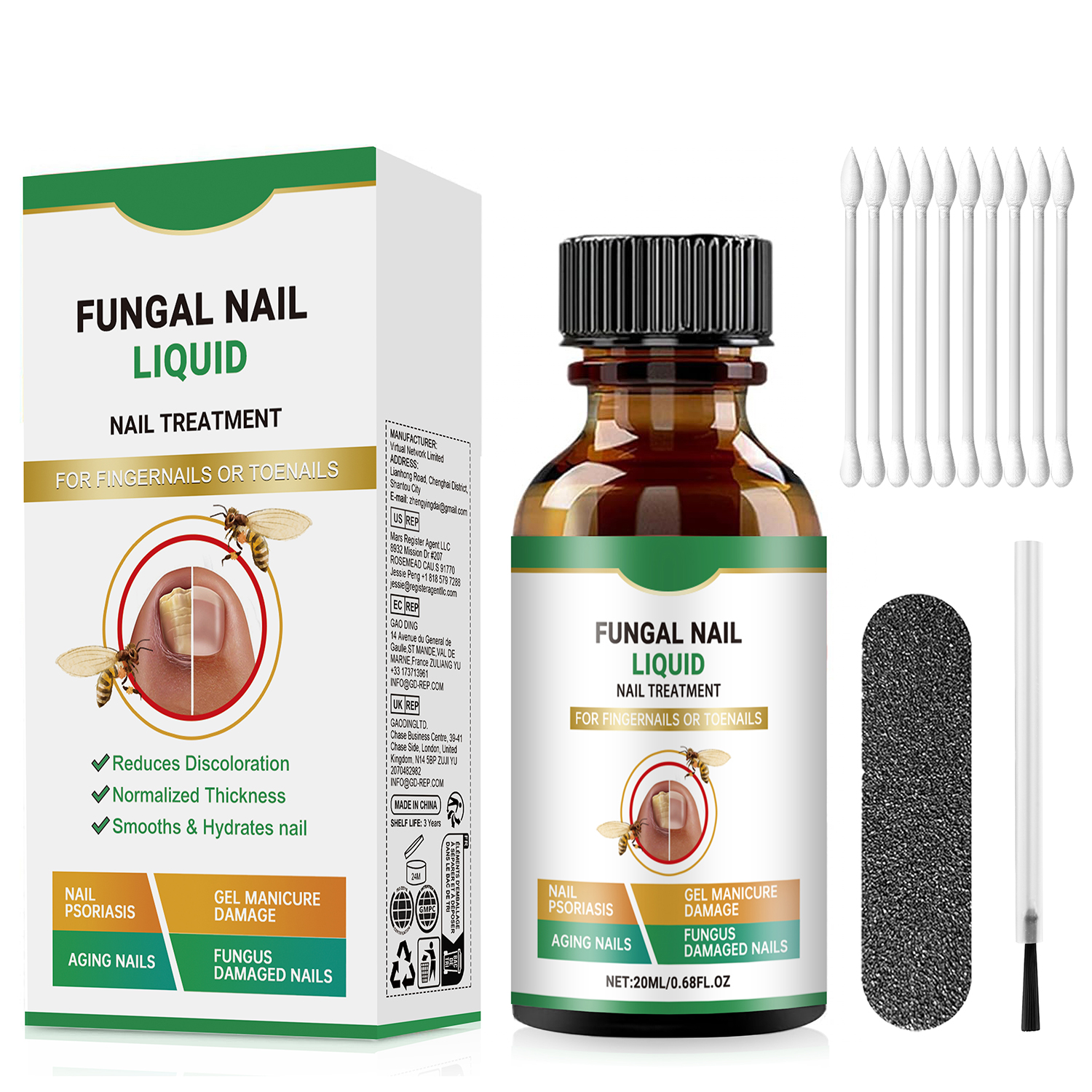
Table of Contents
Why a Consistent Daily Routine is Crucial for Severe Onychomycosis
Onychomycosis, the medical term for a fungal nail infection, is notoriously persistent, especially in severe cases. Fungi thrive in warm, dark, and moist environments—like the inside of a shoe. They embed themselves deep within the nail plate and the nail bed, creating a protective barrier against treatments. A sporadic or half-hearted approach allows the fungus to recover and continue its destructive growth cycle. A dedicated daily routine is the only way to disrupt this cycle effectively.
Consistency is paramount because it creates an inhospitable environment for the fungus. By methodically cleaning the area, reducing moisture, and applying treatments every single day, you are waging a constant battle. This sustained pressure weakens the fungal colony, stops its spread to new nail growth, and allows medications or therapies to work more effectively. For a severe infection, which can take a year or more to resolve, this daily discipline is the foundation of a successful toenail fungus treatment.
Your Step-by-Step Morning Treatment Protocol
Starting the day with a proper foot care regimen sets the stage for success. This morning routine focuses on cleaning the area, preparing the nail for maximum treatment absorption, and applying a protective antifungal layer before you put on socks and shoes.
Step 1: Thoroughly Clean and Dry Your Feet
Begin each morning by washing your feet with soap and warm water. Pay special attention to the infected toenails and the spaces between your toes, as fungus can easily spread. Use a dedicated washcloth or soft brush for your feet to avoid cross-contamination. After washing, drying is arguably the most critical step. Pat your feet completely dry with a clean towel, ensuring no moisture remains. You can even use a hairdryer on a cool setting to guarantee the nail and surrounding skin are arid, as moisture is the primary fuel for fungal growth.
Step 2: Prepare the Nail for Treatment
Severe toenail fungus often causes the nail to become thick, brittle, and distorted. This thickened nail plate acts as a shield, preventing topical treatments from reaching the fungus in the nail bed. Once a week, or as directed by a doctor, you should carefully debride the nail. This involves gently filing down the thickened, discolored surface of the nail with an emery board. This action is not meant to be aggressive or painful; the goal is simply to reduce the nail’s thickness to enhance the penetration of your chosen treatment. Always discard the file after use or disinfect it thoroughly to prevent reinfection.
Step 3: Apply Your Chosen Treatment
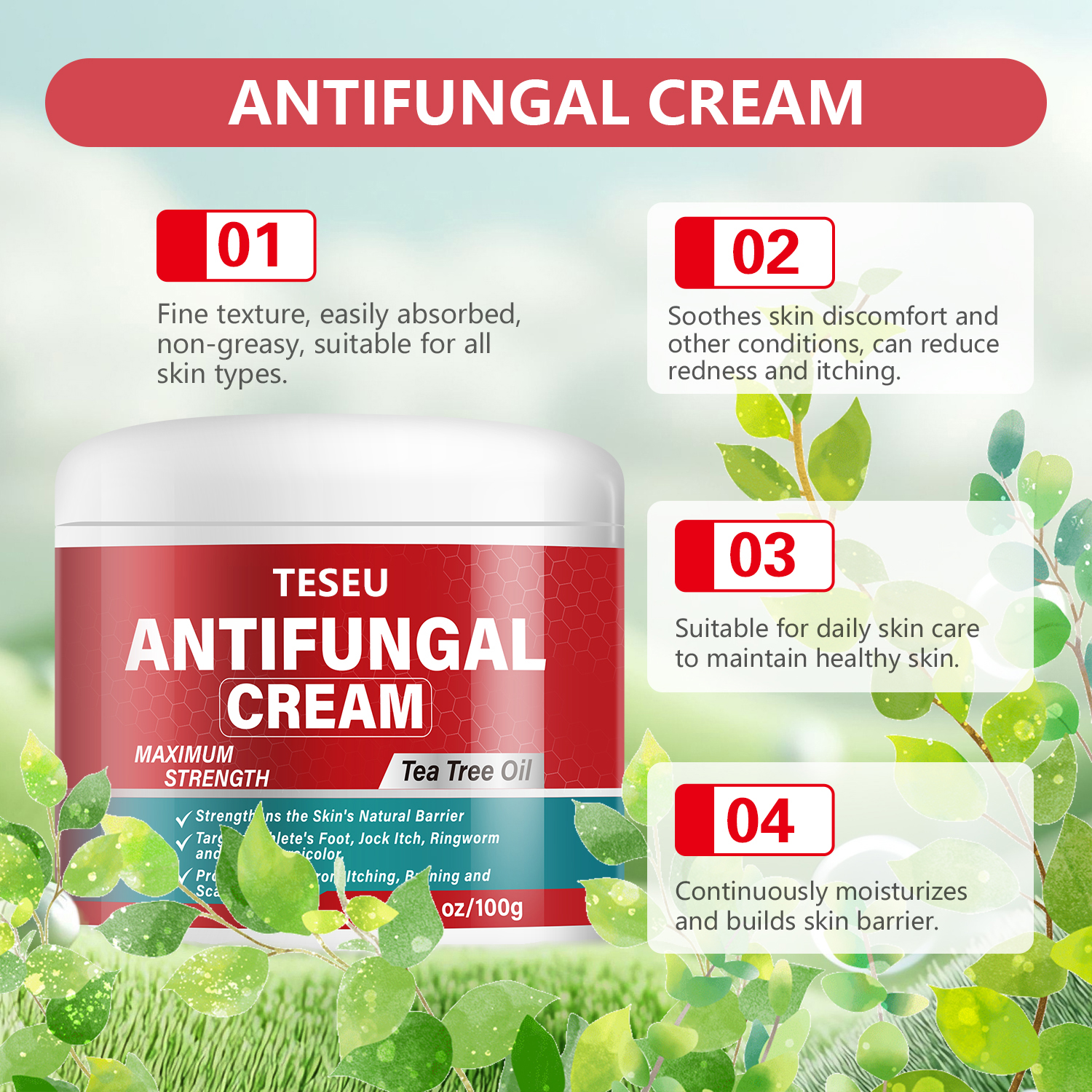
Once the nail is clean, dry, and prepared, apply your morning antifungal treatment. This could be an over-the-counter (OTC) topical solution or a prescription medication. Apply it liberally to the entire nail, the surrounding skin, and underneath the nail tip if possible. Allow the treatment to air dry completely before putting on socks and shoes. This ensures the medication is fully absorbed and creates a protective barrier for the day ahead.
Your Essential Evening Treatment Protocol
The evening routine is just as important as the morning one. It serves to cleanse the feet of the day’s sweat and debris, apply powerful treatments that can work uninterrupted overnight, and give your feet time to breathe.
Step 1: Repeat the Cleaning Process
Just as you did in the morning, wash your feet thoroughly with soap and water. This removes sweat, bacteria, and any environmental contaminants that may have accumulated in your shoes throughout the day. Dry your feet with meticulous care. This second daily cleaning is a non-negotiable step in maintaining a hostile environment for the fungus.
Step 2: Incorporate Advanced Home Therapy
For severe onychomycosis, a standard topical routine may not be enough. This is where incorporating advanced technology can dramatically improve outcomes. Phototherapy, specifically low-level laser treatment, has emerged as a powerful, safe, and effective method for targeting nail fungus at home. These devices use specific wavelengths of light to destroy fungal cells without damaging the surrounding tissue.
The TESEU Fungal Nail Laser Treatment Device is an excellent example of this technology. It is designed for easy, painless home use. After cleaning your feet, you simply place the device on the affected nail for its short, automated treatment session. The laser energy penetrates through the nail to the nail bed, targeting and eradicating the fungus at its source. A significant advantage of this method is that it is drug-free, non-invasive, and has no known side effects, making it a perfect complement to topical treatments and a powerful alternative for those who cannot or prefer not to take oral medications. Integrating a laser session into your evening routine adds a potent therapeutic punch to your daily fight.
Step 3: Final Application and Protection
After your laser session, you may apply another round of your topical antifungal treatment. This “lock-in” application allows the medication to work for hours while you sleep. Whenever possible, sleep barefoot or with clean, loose-fitting cotton socks to allow for maximum air circulation, preventing moisture from building up overnight.
What Medical Treatments Complement a Daily Routine?
While a diligent daily routine is foundational, severe cases often require medical intervention for complete resolution. These treatments, prescribed by a doctor or podiatrist, work systemically or with higher potency to attack the fungus from all angles.
Oral Antifungal Medications
For widespread or deeply entrenched infections, doctors often prescribe oral antifungal pills. Medications like terbinafine and itraconazole are highly effective because they work from the inside out. The drug circulates in your bloodstream and becomes concentrated in the growing nail, attacking the fungus directly. This treatment course usually lasts from 6 to 12 weeks, but it requires medical supervision as it can affect the liver and may interact with other medications. Regular blood tests are often necessary to monitor for side effects.
Prescription-Strength Topical Solutions
If oral medications are not a suitable option, a doctor might prescribe a high-potency topical solution. Products containing agents like efinaconazole, tavaborole, or ciclopirox are formulated for better nail penetration than most OTC options. These are typically applied daily, much like an OTC product, but they offer a stronger concentration of the active antifungal ingredient. They are a valuable part of an integrated plan, especially when combined with nail debridement and other therapies.
How Do Daily Hygiene Habits Accelerate Healing?
Your treatment regimen can be undermined without strict adherence to hygiene practices that eliminate fungal reservoirs in your environment. Preventing reinfection is just as important as treating the existing one.
Your shoes are a primary culprit for harboring fungus. Never wear the same pair of shoes two days in a row. This gives them at least 24 hours to dry out completely. Treat the inside of your shoes with an antifungal spray or powder daily. When buying new shoes, opt for those made from breathable materials like leather or mesh, and ensure they have a wide toe box to reduce pressure and moisture buildup.
Sock Discipline
Change your socks at least once a day, or more often if your feet sweat heavily. Choose socks made from moisture-wicking materials such as wool, bamboo, or specialized synthetic blends. Cotton socks tend to hold moisture against the skin, creating an ideal breeding ground for fungus. After wearing, wash your socks in the hottest water possible to kill any lingering fungal spores.
Protecting Your Nails
Keep your toenails trimmed short and cut straight across to prevent them from lifting or creating pockets where fungus can hide. Use a separate, dedicated set of clippers for your infected nails and disinfect them with alcohol after every use. Avoid using nail polish or artificial nails on the infected toes, as this traps moisture and blocks treatments from penetrating the nail.
Can Diet and Lifestyle Impact Your Treatment’s Success?
Your body’s ability to fight infection is directly linked to your overall health. While diet alone won’t cure onychomycosis, a healthy lifestyle can support your immune system and make your body a less hospitable host for fungus. A balanced diet rich in vitamins, minerals, and probiotics can bolster your body’s natural defenses. Conversely, a diet high in sugar and refined carbohydrates can promote yeast and fungal growth.
Furthermore, managing underlying health conditions is vital. Individuals with diabetes, poor circulation, or autoimmune disorders are more susceptible to severe fungal infections and may have a harder time clearing them. Working closely with your doctor to manage these conditions can significantly improve the outcome of your toenail fungus treatment.
A Realistic Timeline: What to Expect from Your Daily Regimen
Patience is a virtue when treating severe toenail fungus. Because nails grow slowly, visible results take time. The goal is not to “repair” the infected nail but to allow a new, healthy nail to grow out and replace it completely. Below is a general timeline of what you can expect with consistent daily treatment.
| Timeframe |
Expected Progress |
| Month 1-3 |
You may not see dramatic changes in the existing nail. However, with consistent treatment, you should notice that the fungal spread has stopped. The base of the nail (the cuticle area) may start to look clearer. |
| Month 4-6 |
A distinct line of new, healthy nail growth should be visible at the base. As the nail grows, this clear section will become more prominent, slowly pushing the discolored, infected portion toward the tip. |
| Month 6-12+ |
The healthy nail will continue to grow out. Depending on how quickly your nails grow, it can take 12 to 18 months for the old, infected nail to be completely replaced. Continued diligence is key to prevent reinfection during this final stage. |
When Should You Consult a Podiatrist or Doctor?
While a daily home routine is effective, certain situations warrant professional medical attention. You should schedule an appointment with a podiatrist or doctor if you experience any of the following:
- Severe pain, swelling, or redness around the nail, which could indicate a secondary bacterial infection.
- Pus or discharge coming from the nail or surrounding skin.
- The infection is spreading rapidly to other nails or the skin.
- You have diabetes, a compromised immune system, or poor circulation, as these conditions can lead to serious complications.
- Your attempts at home treatment show zero improvement after three months of consistent application.
Frequently Asked Questions About Toenail Fungus Care
What is the fastest way to get rid of severe toenail fungus?
There is no “fast” cure for severe cases. The most effective approach is a combination therapy: oral medication prescribed by a doctor to attack the fungus systemically, combined with a diligent daily routine of cleaning, topical treatments, and advanced home therapy like a laser device.
Can I use home remedies like tea tree oil or vinegar soaks?
Some home remedies, like tea tree oil, have mild antifungal properties and may help with very minor cases or as a supplementary part of a larger routine. However, for severe onychomycosis, they are not potent enough to penetrate a thickened nail and eradicate the fungus. They should not be relied upon as a primary treatment.
Is toenail fungus contagious?
Yes, the fungus that causes onychomycosis can spread from person to person through direct contact or, more commonly, through shared surfaces like shower floors, pool decks, and nail care tools. It can also spread from one of your nails to another.
What is the most effective part of the daily routine?
Consistency itself is the most effective part. However, if one element had to be chosen, it would be the direct application of a proven antifungal agent, whether that is a powerful topical, an oral medication, or a clinically validated therapy like laser treatment. Cleaning and drying create the right conditions, but the active treatment is what kills the fungus.