




A liquid wart remover is often more effective than freezing treatments because its primary ingredient, salicylic acid, works through a gradual process called keratolysis. This method systematically breaks down and peels away infected skin layers, targeting the human papillomavirus (HPV) within the wart more thoroughly and with a lower risk of scarring or pain compared to the abrupt, often incomplete, tissue destruction caused by freezing.
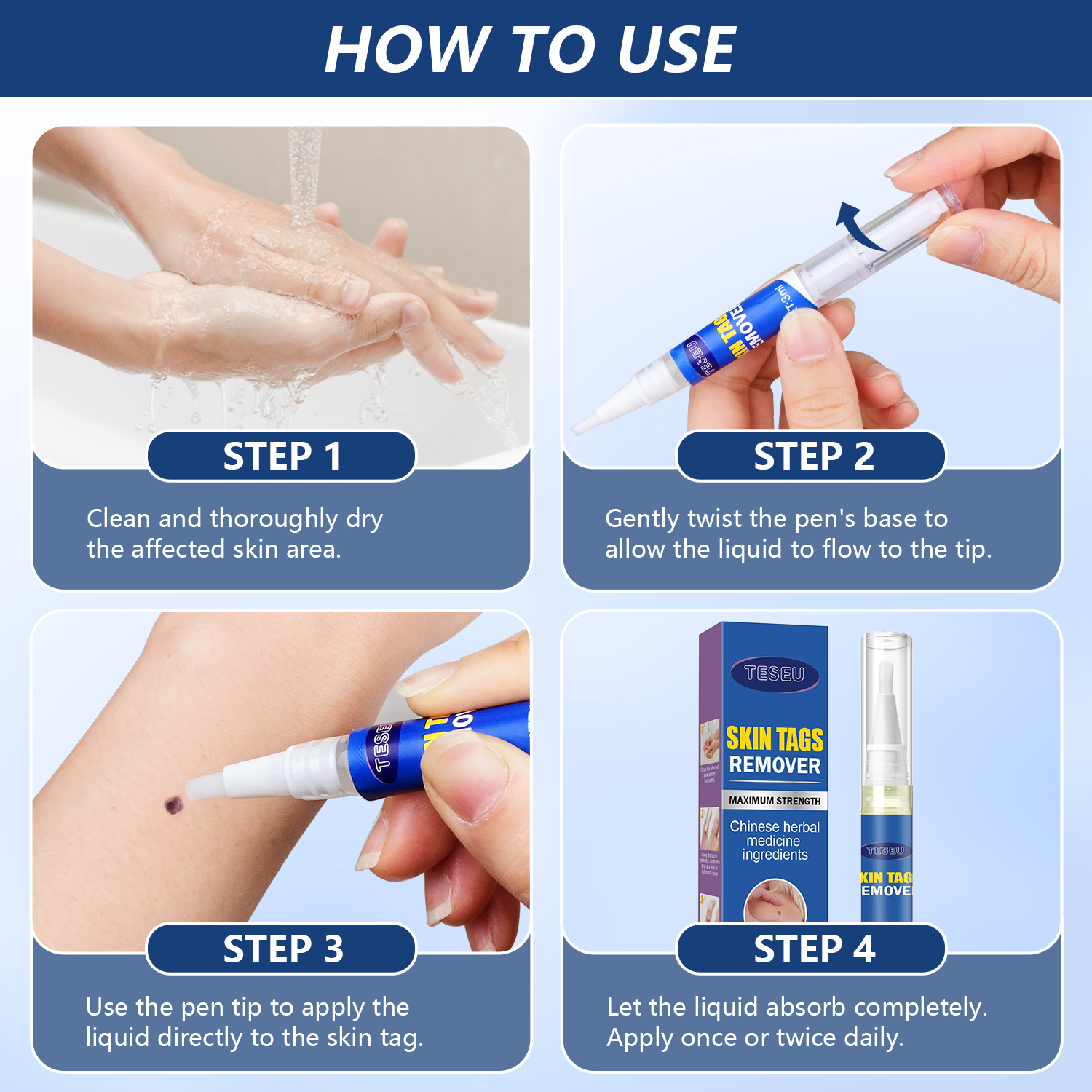
Table of Contents
- Understanding How Warts Form and Why They Persist
- What is the Mechanism Behind Liquid Wart Removers?
- How Does Cryotherapy (Freezing) Attempt to Remove Warts?
- Why Liquid Treatments Often Surpass Freezing in Efficacy
- A Comparative Analysis: Liquid vs. Freezing Head-to-Head
- What About the Pain Factor and Recovery Time?
- Cost-Effectiveness and Accessibility: A Practical Consideration
- Choosing the Right Treatment: When is Liquid the Clear Winner?
- Maximizing the Effectiveness of Your Liquid Wart Treatment
- Frequently Asked Questions About Wart Removal
Understanding How Warts Form and Why They Persist
Before comparing treatments, it is crucial to understand what a wart is. Warts are benign (non-cancerous) skin growths caused by an infection with the human papillomavirus (HPV). This virus triggers rapid growth of cells on the outer layer of the skin, creating the rough, fleshy bumps we recognize as warts. There are over 100 types of HPV, which is why warts can appear in various forms, such as common warts on the hands, plantar warts on the feet, or flat warts on the face and legs.
The virus is clever; it thrives in the upper layers of the skin (the epidermis), effectively hiding from the body’s immune system, which primarily operates in the deeper dermal layers. This is why warts can be so persistent and why simply cutting them off often results in regrowth. An effective treatment must not only remove the visible growth but also eradicate the underlying virus-infected cells to prevent recurrence.
What is the Mechanism Behind Liquid Wart Removers?
The vast majority of over-the-counter liquid wart removers use salicylic acid as their active ingredient. This approach, known as keratolytic therapy, is a highly effective and scientifically validated method for treating warts. It is a process of controlled, chemical exfoliation.
The Role of Salicylic Acid in Keratolysis
Salicylic acid is a beta-hydroxy acid that works by softening and dissolving keratin, the protein that makes up both the wart and the thick layer of dead skin covering it. When applied directly to the wart, the acid begins to break down the integrity of the infected skin cells. This gradual peeling action, or keratolysis, removes the wart layer by layer.
This systematic removal is critical because it exposes the deeper, virus-infected cells to the treatment over time. Furthermore, the mild irritation caused by the acid can stimulate a localized immune response, prompting the body’s own defense mechanisms to recognize and attack the HPV virus, aiding in its complete eradication.
Precision Application and Gradual Removal
A significant advantage of a liquid wart remover is the control it offers. Using a small brush or applicator, you can apply the solution precisely to the wart tissue, minimizing contact with the surrounding healthy skin. This targeted approach reduces the risk of unnecessary irritation.
The gradual nature of the treatment, typically involving daily application over several weeks, is a strength, not a weakness. It ensures that the virus-laden tissue is thoroughly removed without causing significant trauma to the skin. This methodical process increases the likelihood of a successful outcome without leaving behind a deep scar.
How Does Cryotherapy (Freezing) Attempt to Remove Warts?
Cryotherapy, or freezing treatment, is another common method for wart removal available both professionally and in at-home kits. It works on a completely different principle: controlled tissue destruction through extreme cold.
The Science of Controlled Frostbite
Cryotherapy involves applying a substance like liquid nitrogen (in a doctor’s office) or a mixture of dimethyl ether and propane (in OTC kits) to the wart. This rapidly freezes the wart and a small area of skin beneath it. The intense cold destroys the cells, including the HPV-infected ones, by forming ice crystals within them.
This process is designed to create a blister underneath the wart. As new, healthy skin forms below the blister, the dead wart tissue on top is pushed upward and, in theory, falls off within one to two weeks. While it can be effective, its success hinges on freezing the tissue to the correct depth to kill all virus-infected cells.
Common Pitfalls of At-Home Freezing Kits
While professional cryotherapy can be potent, at-home freezing kits often fall short. Their primary limitation is that they cannot achieve the same extremely low temperatures as the liquid nitrogen used by dermatologists. As a result, the freeze is often too shallow to penetrate the full depth of the wart, particularly stubborn plantar warts.
This insufficient freezing can kill the surface layers of the wart but leave the viral “root” intact, leading to rapid regrowth. Furthermore, improper application can cause painful blisters on healthy skin or, conversely, fail to treat the wart effectively, leading to frustration and the need for repeated, often painful, applications.
Why Liquid Treatments Often Surpass Freezing in Efficacy
When comparing the two methods for at-home use, the steady and consistent action of a liquid remover often proves superior to the aggressive, all-or-nothing approach of freezing.
Consistency Over Intensity: The Key to Eradicating the Virus
A wart is a resilient structure. A single, intense freezing application may not be enough to destroy every infected cell. Any surviving cells can quickly multiply and reform the wart. In contrast, the daily application of salicylic acid acts like a persistent siege. It relentlessly breaks down the wart’s defenses day after day, leaving no opportunity for the virus to recover and rebuild. This consistent pressure is far more likely to lead to complete viral eradication.
Lower Risk of Scarring and Skin Discoloration
Because cryotherapy involves aggressive tissue destruction, it carries a higher risk of side effects. The freezing can damage melanocytes, the cells that produce skin pigment, leading to permanent white spots (hypopigmentation) at the treatment site. It can also cause blistering that, if it becomes infected or heals poorly, may result in scarring.
Liquid salicylic acid treatments, by working gradually, allow the skin to heal more naturally. As the wart layers are peeled away, healthy skin begins to regenerate from below. This significantly reduces the chances of scarring or long-term pigment changes, preserving the appearance of your skin after the wart is gone.
Superior for Stubborn Plantar Warts
Plantar warts, which grow on the soles of the feet, are notoriously difficult to treat. The pressure from walking and standing forces them to grow inward, and they are often covered by a thick callus. At-home freezing treatments rarely have the power to penetrate this deep. Salicylic acid, however, excels in this scenario. Its keratolytic action first softens and removes the tough outer callus, allowing subsequent applications to penetrate deeply and attack the core of the wart.
A Comparative Analysis: Liquid vs. Freezing Head-to-Head
To provide a clear picture, let’s compare the key attributes of both at-home treatment types in a straightforward format.
| Feature | Liquid Wart Remover (Salicylic Acid) | At-Home Freezing (Cryotherapy) |
|---|---|---|
| Mechanism | Gradual chemical peeling (Keratolysis) | Abrupt tissue destruction via freezing |
| Pain Level | Low; mild stinging may occur | Moderate to high; sharp, burning pain during application |
| Treatment Duration | Daily application for 2-12 weeks | 1-4 applications spaced 2 weeks apart |
| Risk of Scarring | Very Low | Moderate |
| Risk of Discoloration | Very Low | Moderate |
| Effectiveness on Plantar Warts | High, as it penetrates thick skin | Low to moderate, often too shallow |
| User Control | High; precise application is easy | Low; applicator size is fixed |
What About the Pain Factor and Recovery Time?
For many individuals, especially parents treating children, the level of pain is a primary concern. This is an area where liquid treatments have a clear advantage. The application of salicylic acid is typically painless, though some users may experience a mild, temporary stinging sensation as the acid works. There is generally no significant recovery period between applications.
Freezing treatments, on the other hand, are inherently painful. The application creates an intense burning or stinging sensation that can last for several minutes. Following the treatment, the formation of a blister can be uncomfortable, and the area may remain sore for several days. This pain can make it a difficult treatment to administer to children or to use on sensitive areas of the body.
Cost-Effectiveness and Accessibility: A Practical Consideration
When it comes to home-based care, practicality is paramount. Liquid wart removers are widely available in pharmacies and are generally very affordable. A single bottle contains enough solution for multiple treatments or for treating several warts over the required period, making it an extremely cost-effective option.
At-home freezing kits are also available over-the-counter but tend to be more expensive per application. Since they often require multiple uses to be effective (if they work at all), the total cost can quickly exceed that of a liquid treatment, especially for persistent warts that require a prolonged fight.
Choosing the Right Treatment: When is Liquid the Clear Winner?
A liquid wart remover is the superior choice for most common and plantar warts treated at home. It is the preferred option for individuals who prioritize a gentle, controlled process with a low risk of pain and scarring. It is especially well-suited for families with children, for treating warts on the feet, or for anyone who values the high success rate that comes with consistent, methodical treatment.
For those seeking a reliable, high-potency solution, formulations developed with pharmaceutical precision, such as the advanced wart treatment from Teseu, offer a distinct advantage. These products are designed for optimal penetration and consistent results, embodying the principles of effective keratolytic therapy. While freezing may seem like a “quick fix,” the patient and proven science behind a quality liquid remover is what ultimately delivers lasting results.
Maximizing the Effectiveness of Your Liquid Wart Treatment
To ensure the best possible outcome with a liquid remover, follow a consistent routine. It is often recommended to first soak the wart in warm water for about five minutes to soften the skin. After soaking, gently file the surface of the wart with a pumice stone or emery board (do not share this tool with anyone).
After filing, carefully apply the liquid solution directly to the wart, allowing it to dry completely. Covering the wart with a small bandage can help the medication penetrate more effectively. By repeating this process daily, you methodically break down the wart’s structure and give your body the best chance to eliminate the HPV for good.
Frequently Asked Questions About Wart Removal
How long does a liquid wart remover take to work?
Patience is key. You may start to see improvement within one to two weeks, but complete removal can take anywhere from a few weeks to three months of consistent daily application. This gradual process ensures the entire virus-infected area is treated.
Is it normal for the wart to turn white?
Yes, it is perfectly normal for the skin on the wart to turn white after applying salicylic acid. This indicates that the medication is working to break down the keratin in the infected skin cells. The white layer will typically peel off or can be gently filed away before the next application.
Can I use a liquid remover on any type of wart?
Liquid salicylic acid is most effective for common warts (on hands and fingers) and plantar warts (on feet). It should not be used on the face, genitals, mucous membranes, or on warts with hair growing from them, moles, or birthmarks. Always consult the product instructions and a healthcare professional if you are unsure.