Experiencing slight redness after removing a skincare patch is usually a temporary and mild reaction. This often happens due to the adhesive or the active ingredients stimulating your skin. To manage this, you should first gently cleanse the area with a mild, fragrance-free soap and lukewarm water. Afterward, apply a soothing, hydrating moisturizer or a calming agent like aloe vera gel to reduce inflammation. Avoid using harsh exfoliants or active ingredients on the affected area for 24-48 hours until the redness subsides. If the redness persists, worsens, or is accompanied by severe itching or blistering, it is important to consult a dermatologist.
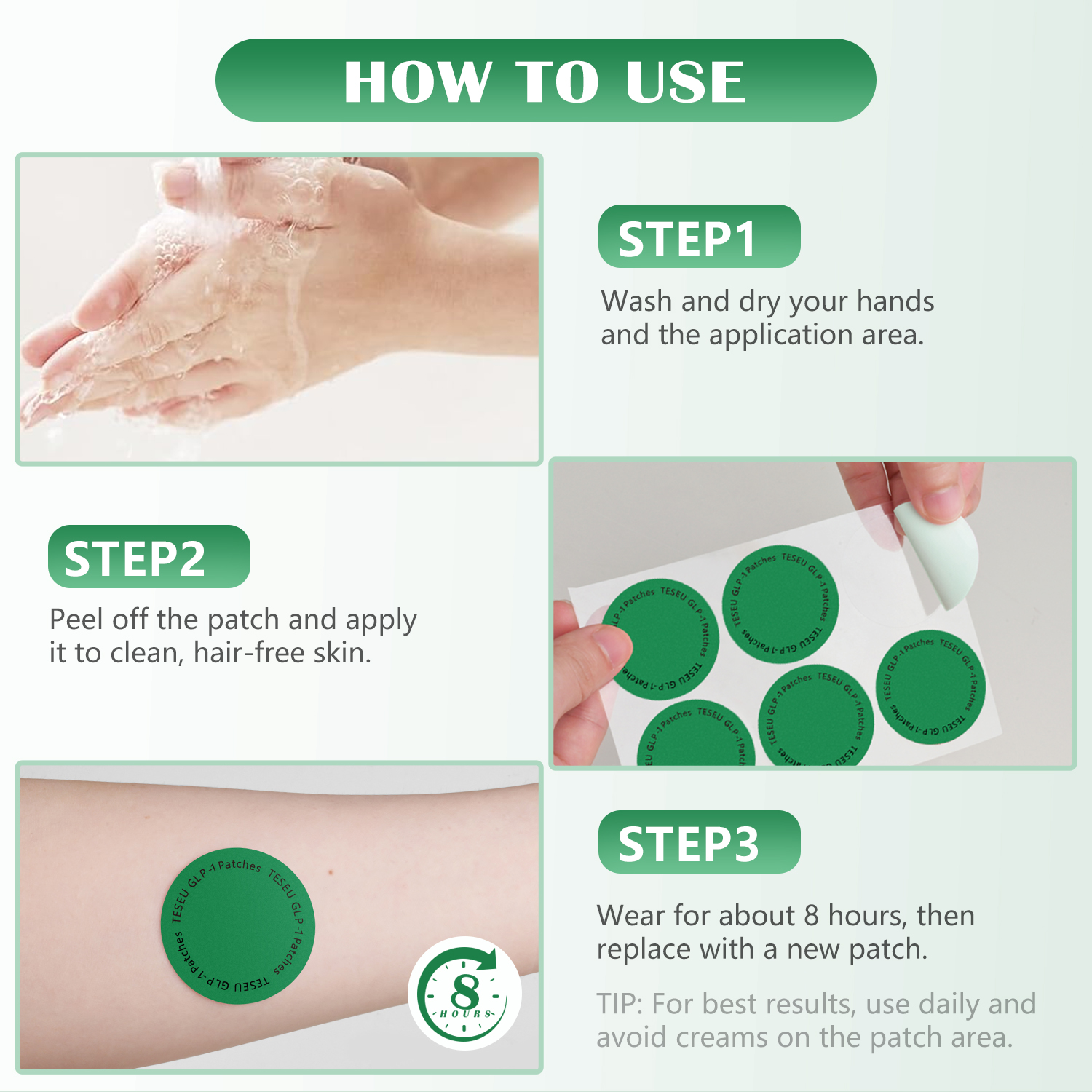
Table of Contents
Why Does Skin Get Red After Using a Patch?
When you remove a patch and notice a slight pink or reddish hue on your skin, several factors could be at play. This common phenomenon, known as erythema, is often a temporary response. One of the primary causes is the patch’s adhesive. Medical-grade or cosmetic adhesives are designed to keep the patch securely in place, but this can occlude the skin, trapping moisture and heat. This environment, combined with the mild pulling action during removal, can cause temporary irritation and redness.
Another significant factor is the active ingredients being delivered into your skin. Advanced patches, such as those utilizing innovative transdermal technology, work by infusing potent ingredients directly into the skin layers. Ingredients like collagen, PDRN, or retinol are designed to stimulate cellular activity, boost circulation, and promote regeneration. This very process of stimulating the skin can lead to a temporary increase in blood flow to the area, which manifests as visible redness. It’s often a sign that the product is actively working as intended.
Lastly, individuals with sensitive skin are naturally more prone to reacting to both adhesives and active ingredients. Skin conditions like rosacea or eczema can make the skin’s barrier more susceptible to external triggers, resulting in a more pronounced red response. The key is to understand that mild, temporary redness is different from a persistent, painful reaction.
Is a Little Redness Normal After Patch Removal?
Yes, a minor, fleeting blush on the skin after removing a patch is often considered a normal part of the process. Think of it as similar to the faint mark left by a sock’s elastic band. This type of redness is typically caused by mechanical stress from the adhesive’s gentle grip and the physical act of peeling it off. It generally indicates a temporary disruption to the outermost layer of the skin and increased blood flow, not necessarily damage.
This response is especially common with advanced systems like dissolvable microneedle patches. These patches, like the Teseu Collagen Regenerating Patch, create micro-pathways to deliver active ingredients deeper into the epidermis. This targeted stimulation is highly effective but can naturally cause a mild, localized inflammatory response as the skin begins its renewal process. In most cases, this redness is a sign of successful product engagement and should fade on its own within a few minutes to a couple of hours.
If you observe redness after removing a patch, acting promptly and gently can help soothe the skin and speed up its return to normal. The first and most crucial step is to clean the area. Use lukewarm, not hot, water and a pH-balanced, fragrance-free cleanser to wash away any residual adhesive or active ingredients. Pat the skin dry with a soft towel; avoid rubbing, as this can exacerbate the irritation.
Once the skin is clean and dry, apply a calming agent. A cool compress can offer immediate relief by constricting blood vessels and reducing inflammation. Simply soak a soft cloth in cool water and hold it against the red area for 5-10 minutes. Following the compress, apply a liberal amount of a simple, soothing moisturizer. Look for products with minimal ingredients to avoid further aggravating the skin. This helps to restore the skin’s protective barrier, which may have been slightly compromised during patch removal.
Which Soothing Ingredients and Products Can Help Calm Redness?
When your skin feels sensitive and looks red, turning to the right ingredients is key. The goal is to calm, hydrate, and support the skin’s barrier without causing more stress. Prioritize products formulated for sensitive skin that are free from common irritants like alcohol, fragrance, and essential oils.
Here are some of the most effective soothing ingredients to incorporate into your post-patch routine:
- Panthenol (Pro-Vitamin B5): An excellent humectant and emollient, panthenol attracts and holds moisture while helping to repair the skin barrier.
- Niacinamide (Vitamin B3): Known for its anti-inflammatory properties, niacinamide can visibly reduce redness and strengthen the skin’s surface.
- Centella Asiatica (Cica): A star ingredient in calming skincare, cica is rich in antioxidants and renowned for its ability to soothe irritation and promote healing.
- Aloe Vera: Famous for its cooling and anti-inflammatory effects, aloe vera provides immediate relief for red, angry skin.
- Ceramides: These lipids are naturally found in the skin and are essential for maintaining the barrier. Applying ceramides topically helps to replenish and fortify the skin’s defenses.
- Hyaluronic Acid: While known for hydration, it also plays a role in soothing by plumping the skin with moisture, which can reduce the taut, uncomfortable feeling associated with irritation.
What Should You Avoid When Your Skin is Red and Irritated?
When your skin is in a reactive state, what you don’t do is just as important as what you do. Applying the wrong products or treatments can worsen redness and prolong recovery time. For at least 24 to 48 hours, or until the redness has completely disappeared, it is critical to treat your skin with extreme care. This means pausing your use of any potent or potentially irritating skincare products.
Steer clear of all forms of exfoliation, including physical scrubs (with beads or grains) and chemical exfoliants like alpha-hydroxy acids (AHAs) and beta-hydroxy acids (BHAs). Active ingredients such as retinol, vitamin C (in high concentrations), and benzoyl peroxide should also be temporarily set aside. Additionally, avoid products containing fragrance, alcohol, and essential oils, as these are common triggers for irritation. Hot showers, saunas, and intense exercise can also increase blood flow and exacerbate redness, so it’s best to avoid them until your skin has calmed down.
How Can You Prevent Redness from Patches in the Future?
Preventing irritation starts before you even apply the patch. One of the most effective strategies is conducting a patch test. Apply a small piece of the patch to a discreet area of skin, like your inner arm or behind your ear, and leave it on for the recommended duration. After removal, wait 24-48 hours to see if any significant redness, itching, or swelling develops. This helps you identify a potential sensitivity before applying it to a more visible area like your face.
Proper application and removal techniques are also vital. Always apply patches to clean, dry skin that is free from any other products. When it’s time for removal, do it slowly and gently. Hold your skin taut with one hand and peel the patch back slowly with the other, pulling parallel to the skin rather than straight up. If the patch is difficult to remove, you can dab a bit of oil (like jojoba or squalane) around the edges to help dissolve the adhesive. Finally, choosing high-quality patches made with skin-friendly adhesives and well-researched ingredients, such as those from Teseu, can significantly reduce the risk of adverse reactions.
The adhesive is often the primary culprit behind post-patch redness. Most skin reactions to adhesives fall into one of two categories: irritant contact dermatitis or allergic contact dermatitis. Irritant contact dermatitis is the more common of the two. It’s a non-allergic reaction that occurs when the adhesive physically irritates the skin, stripping away surface cells or trapping sweat. This typically results in mild redness and slight itching that resolves quickly once the patch is removed.
Allergic contact dermatitis, while less common, is a true allergic reaction to a specific substance within the adhesive, such as acrylates or rubber components. This response involves the immune system and tends to be more severe, with intense redness, swelling, and possibly small blisters or hives that can spread beyond the patch area. If you suspect an allergic reaction, it is essential to stop using the product and consult a healthcare professional.
How Can You Distinguish Mild Irritation from an Allergic Reaction?
Knowing whether your skin is just slightly irritated or having a full-blown allergic reaction is crucial for proper care. The signs and timing of the reaction can provide important clues. Mild irritation is characterized by its immediacy and localized nature, while an allergic reaction may have a delayed onset and more widespread symptoms.
The table below outlines the key differences to help you assess your skin’s response:
| Feature |
Mild Irritation |
Allergic Reaction |
| Symptoms |
Slight redness, mild itching, a feeling of warmth, dry or scaly texture. |
Intense redness, severe itching, swelling, bumps, hives, or blisters. |
| Location |
Confined to the exact area where the patch was applied. |
May start at the patch site and spread beyond its borders. |
| Timing |
Usually appears shortly after patch removal and fades within a few hours. |
Can be delayed, appearing 12-72 hours after application and can worsen over time. |
| Resolution |
Resolves quickly on its own with simple soothing measures. |
Lingers for days, worsens without treatment, and requires medical attention. |
What Is Mechanical Skin Stress from Patches?
Mechanical skin stress, sometimes called skin stripping, refers to the physical impact a patch’s adhesive has on the skin’s outermost layer, the stratum corneum. This layer is a delicate barrier composed of dead skin cells and lipids. When you peel off a patch, the adhesive can pull some of these cells away with it. This is not necessarily a bad thing—it’s a form of very light exfoliation—but for some, it can temporarily compromise the skin barrier’s integrity.
This micro-damage is what leads to transient redness and a slight increase in transepidermal water loss (TEWL), making the skin feel a bit dry or tight. The pulling action can also stimulate nerve endings and capillaries close to the skin’s surface, contributing to the pinkish appearance. Proper removal—slowly and gently—is the best way to minimize this mechanical stress and keep your skin barrier happy and intact.
When Is It Time to See a Dermatologist About Patch-Related Redness?
While most cases of redness after patch use are minor and self-resolving, there are clear indicators that signal a need for professional medical advice. You should schedule an appointment with a dermatologist if your skin’s reaction exhibits any of the signs of a more serious issue. If the redness doesn’t improve after 48 hours of gentle care, or if it progressively worsens, it’s time to seek help.
Pay close attention to severe symptoms. Any signs of intense swelling, the formation of painful blisters, oozing, or a burning sensation that is not relieved by a cool compress are red flags. Similarly, if the redness and rash begin to spread far beyond the original patch site, or if you develop a fever or feel unwell, it may indicate a systemic allergic reaction or a secondary infection. A dermatologist can accurately diagnose the cause, whether it’s severe irritant dermatitis, an allergic reaction, or another skin condition, and prescribe appropriate treatments like topical steroids or antihistamines to resolve the issue safely.