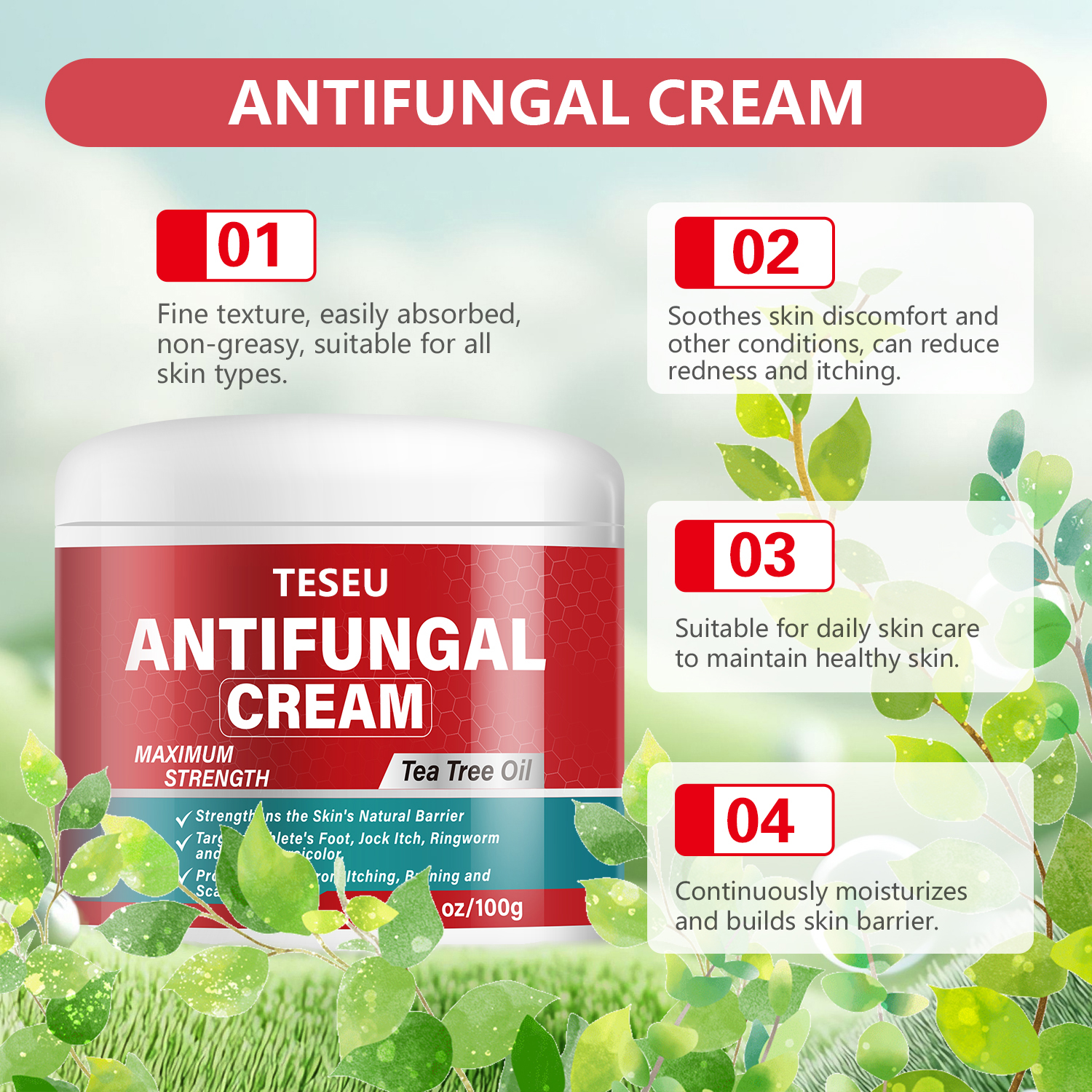
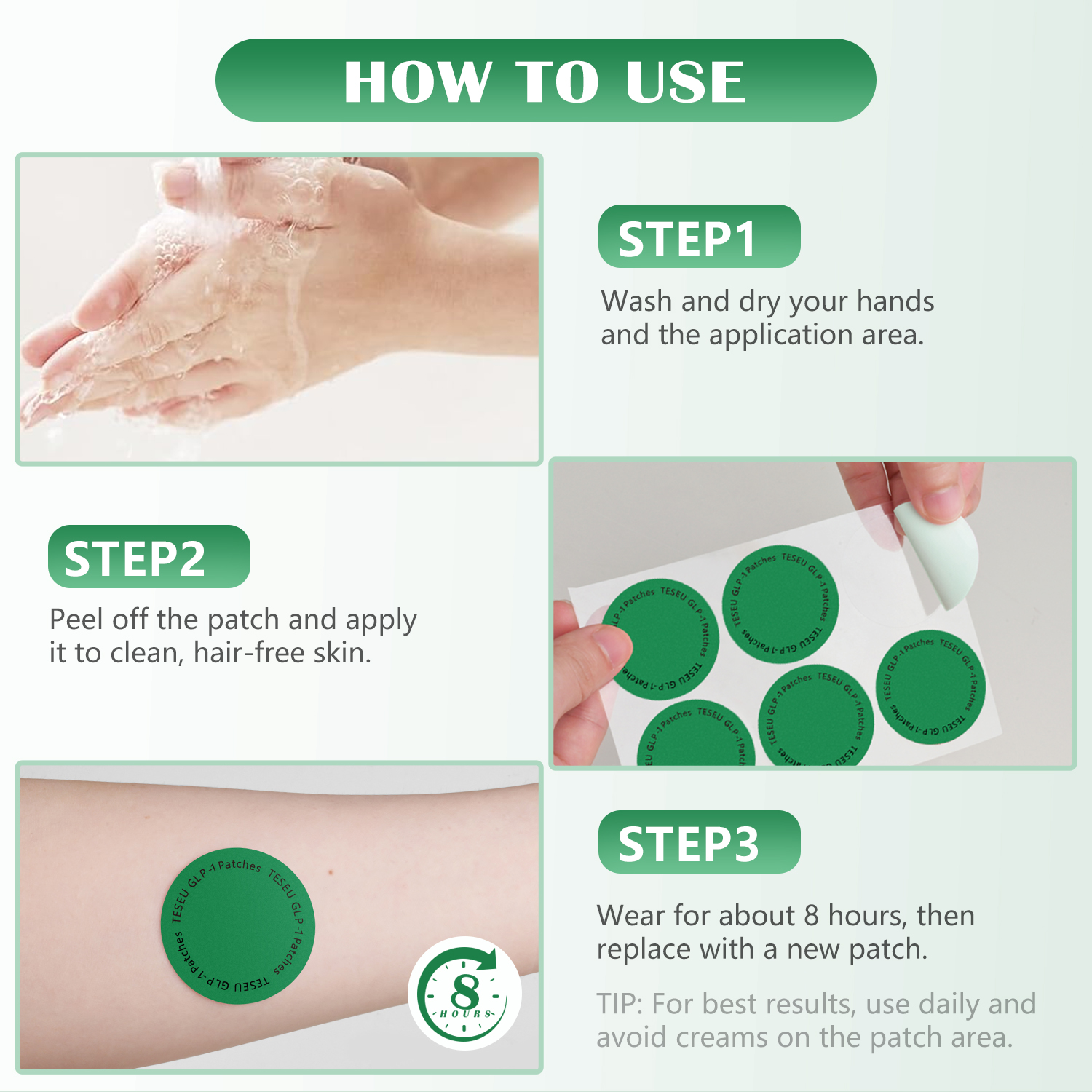
For optimal results, the best time to apply your antifungal cream is at bedtime, right after a shower or bath. Applying it to clean, dry skin allows the medication to work undisturbed overnight, maximizing contact time and absorption while you sleep. This ensures the active ingredients can effectively combat the fungal infection without being rubbed off by clothing or daily activities.
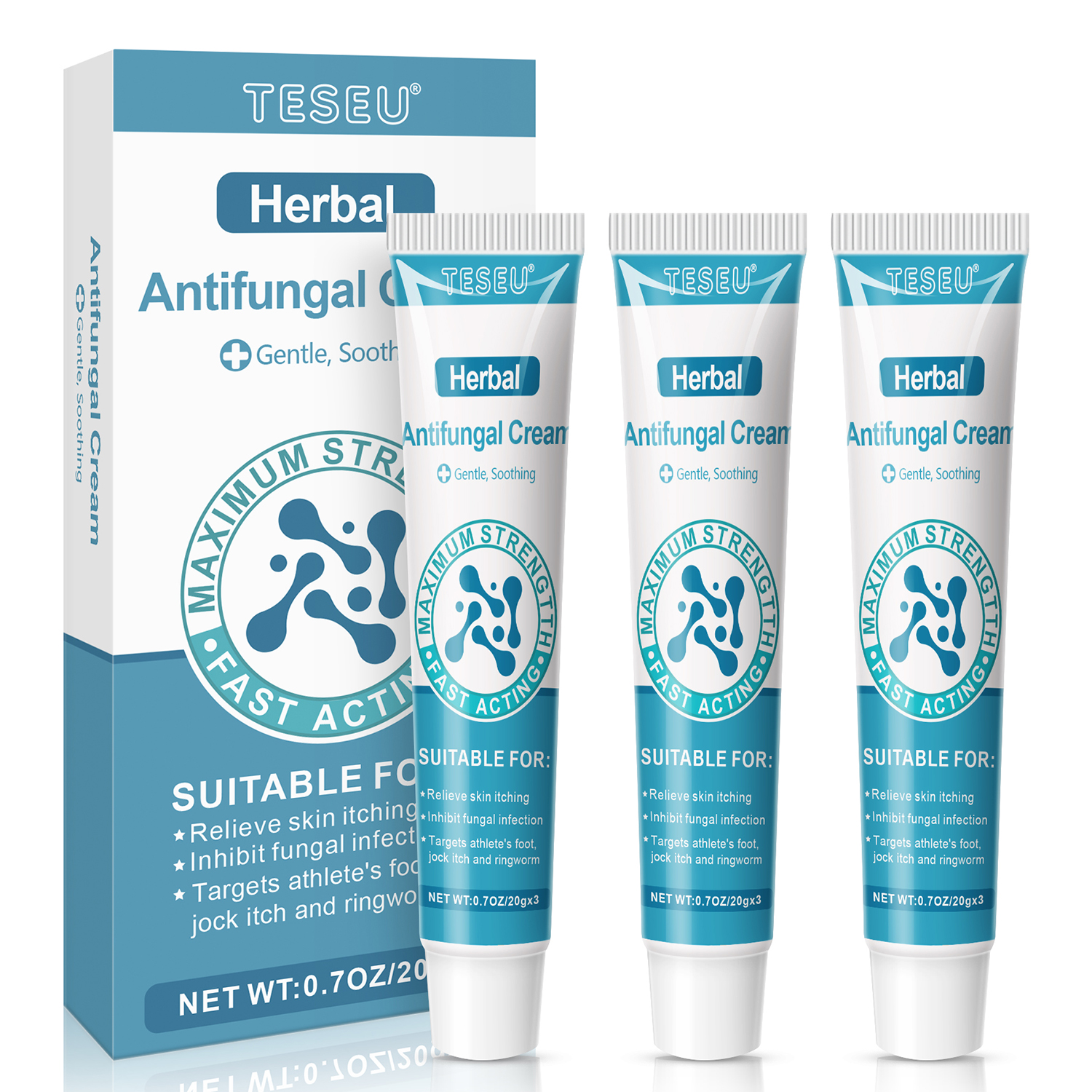
Fungal skin infections like athlete’s foot, jock itch, and ringworm can be persistent and uncomfortable. While using an effective antifungal cream is the first step, *how* and *when* you apply it can significantly impact its success. This comprehensive look will help you understand the ideal timing and techniques to get the most out of your treatment, ensuring a faster and more complete recovery.
Table of Contents
- Why Does the Timing of Your Antifungal Cream Application Matter?
- When is the Best Time of Day to Apply Antifungal Cream?
- How Do You Apply Antifungal Cream Correctly? A Step-by-Step Method
- Should You Apply Antifungal Cream in the Morning?
- How Often Should You Use an Antifungal Cream?
- What are the Benefits of Applying Antifungal Cream at Night?
- Can Your Skincare Routine Affect Your Antifungal Treatment?
- What Mistakes Should You Avoid When Using Antifungal Creams?
- How Can You Prevent the Fungal Infection From Spreading?
- How Long Should It Take for an Antifungal Cream to Work?
- Understanding Different Types of Antifungal Creams
- When Should You Consult a Doctor About Your Skin Fungus?
Why Does the Timing of Your Antifungal Cream Application Matter?
The effectiveness of a topical medication like an antifungal skin cream is not just about the ingredients; it is also about providing the ideal conditions for those ingredients to work. The primary goal is to ensure the active compounds remain in contact with the affected skin for a sufficient duration to penetrate and kill the fungal cells. Several factors influenced by timing can affect this process.
Your daily activities, sweat production, and contact with clothing can interfere with the medication. Applying cream right before putting on tight socks and shoes for the day, for example, could cause much of it to rub off before it has a chance to be absorbed. Likewise, periods of high activity and sweating can dilute the cream or create a moist environment that is counterproductive to healing. Therefore, choosing a time when your body is at rest and the skin is clean and dry creates the perfect window for the treatment to exert its full therapeutic effect. By optimizing the application schedule, you directly enhance the cream’s ability to resolve the infection efficiently.
When is the Best Time of Day to Apply Antifungal Cream?
The most widely recommended time to apply an antifungal cream is at night, just before going to bed. This timing is strategic for several key reasons that align to maximize treatment efficacy. Nighttime offers a prolonged period of rest, minimizing physical activity that could cause the cream to be displaced or rubbed away by clothing. It is an opportunity for the medication to remain in uninterrupted contact with the infected area.
Furthermore, applying the cream after an evening shower or bath is particularly beneficial. This ensures the skin is not only clean from the day’s accumulation of sweat and bacteria but is also warm and slightly more porous, which can aid absorption. After gently patting the skin completely dry—as moisture can feed fungal growth—the application of the cream seals in the treatment for the night. This bedtime routine creates a powerful combination of a clean slate and a long-duration application, which is crucial for tackling persistent fungi.
How Do You Apply Antifungal Cream Correctly? A Step-by-Step Method
Proper application technique is just as important as timing. Simply smearing cream on the rash is not enough. Following a precise method ensures that the medication reaches the fungus and prevents the infection from spreading to other areas of your body or to other people.
The Correct Application Method
- Wash Your Hands: Before touching the infected area, wash your hands thoroughly with soap and water to prevent introducing new bacteria.
- Clean the Affected Area: Gently wash the infected skin and the surrounding area with a mild, soap-free cleanser and warm water. Avoid harsh scrubbing, which can irritate the skin further.
- Dry Completely: This is a critical step. Fungi thrive in moist environments. Pat the area completely dry with a clean towel. Use a separate towel for the infected area than for the rest of your body to avoid cross-contamination. Allow it to air-dry for a few extra minutes if possible.
- Apply a Thin Layer: Squeeze a small amount of cream onto your fingertip. Apply a thin, even layer to cover the visible rash or infection.
- Extend Beyond the Border: Fungal infections often extend beyond the visible rash. To ensure you are treating the entire infection, extend the application of the cream about one inch (2-3 cm) onto the healthy-looking skin surrounding the rash.
- Wash Your Hands Again: After application, wash your hands thoroughly to remove any remaining cream and prevent spreading the fungus to other parts of your body, such as your face or groin.
Following these steps diligently ensures you are creating the best possible conditions for the antifungal skin cream to work while maintaining hygiene and preventing reinfection.
Should You Apply Antifungal Cream in the Morning?
While nighttime is the optimal single application time, some antifungal treatments or severe infections may require application twice a day—once in the morning and once at night. If your doctor or the product instructions specify a morning application, it is important to follow that directive. When applying in the morning, try to do so after showering and allow a few minutes for the cream to absorb before getting dressed.
If you have a choice and only need to apply it once daily, nighttime remains superior. However, for a morning dose, choose loose-fitting clothing and breathable fabrics (like cotton) to minimize friction and sweat. This will help the cream stay in place and reduce the risk of creating a damp environment that could hinder the healing process. Consistency remains the most crucial factor, so if a twice-daily routine is prescribed, stick to it as closely as possible.
How Often Should You Use an Antifungal Cream?
The frequency of application depends entirely on the specific antifungal medication you are using and the severity of your infection. Most over-the-counter (OTC) antifungal creams require application once or twice per day. It is essential to read and follow the product label instructions precisely.
Do not assume that applying the cream more often will speed up recovery. Over-application can sometimes lead to skin irritation without providing additional benefit. Conversely, skipping applications or stopping the treatment too early—even if symptoms appear to have vanished—is a common mistake that can lead to a recurrence of the infection. Fungi can linger in deeper skin layers, and completing the full course of treatment (often 1-4 weeks) is necessary to eradicate them completely. Always follow the prescribed duration of use.
What are the Benefits of Applying Antifungal Cream at Night?
Choosing to apply your antifungal treatment at bedtime offers distinct advantages that contribute to a more effective healing process. The nighttime window aligns perfectly with the body’s natural state of rest, creating an ideal therapeutic environment.
- Maximized Contact Time: With 6-8 hours of relative stillness during sleep, the cream remains in place, allowing for continuous action against the fungal cells. This is far more effective than daytime application, where movement and clothing can rub it off.
- Enhanced Absorption: At night, with reduced sweat production and no friction from clothes, the skin can absorb the active ingredients more efficiently. The medication can penetrate the skin layers to reach the source of the infection without interruption.
- Reduced Irritation: The lack of friction from clothing at night means the treated, sensitive skin is less likely to become irritated. This also allows the area to breathe better, which is conducive to healing.
- Convenience and Consistency: Incorporating the application into your bedtime routine—after brushing your teeth or washing your face—makes it easier to remember. This consistency is vital for the successful eradication of the fungus.
Can Your Skincare Routine Affect Your Antifungal Treatment?
Yes, your regular skincare products and habits can either help or hinder your antifungal treatment. To ensure your antifungal cream works as intended, you may need to make some temporary adjustments to your routine. Avoid using thick, occlusive moisturizers, oils, or ointments on top of the antifungal cream, as they can create a barrier that prevents the medication from being absorbed properly.
If you are treating a fungal infection on your face or body, stick to gentle, non-comedogenic, and fragrance-free cleansers. Harsh scrubs, exfoliants (like AHAs or BHAs), and alcohol-based toners can irritate the already-compromised skin barrier, causing inflammation and delaying healing. Apply the antifungal cream first, let it absorb fully, and then, if necessary, apply a lightweight, simple moisturizer. Prioritizing a minimalist routine allows the medication to be the primary active product on your skin.
What Mistakes Should You Avoid When Using Antifungal Creams?
Even with the right product, common errors can sabotage your treatment and lead to frustration. Being aware of these pitfalls is the first step to avoiding them and ensuring a smooth recovery.
- Stopping Treatment Too Soon: This is the most frequent mistake. Your symptoms, like itching and redness, might disappear in a few days, but the fungus may still be present in the skin. Always complete the full course of treatment as directed (e.g., 1-4 weeks) to prevent a relapse.
- Applying to Wet Skin: Fungus loves moisture. Applying cream to damp skin traps that moisture and creates a perfect breeding ground for the fungus you are trying to kill. Always pat the skin completely dry.
- Sharing Towels or Clothing: Fungal infections are contagious. Sharing towels, washcloths, socks, or clothing can spread the infection to others or to different parts of your own body.
- Not Treating the Surrounding Skin: Only applying cream to the visible rash ignores the fungus that may be spreading unseen under the nearby skin. Always apply the cream an inch beyond the rash border.
- Using the Wrong Product: Ensure the cream you are using is an antifungal, not a hydrocortisone or antibacterial cream. While a hydrocortisone cream might reduce itching, it can suppress the immune response in the skin and actually make a fungal infection worse.
How Can You Prevent the Fungal Infection From Spreading?
Treating the infection is only half the battle; preventing its spread and recurrence is equally important. Good hygiene practices are essential during and after treatment.
- Keep the Area Dry: After bathing or sweating, make sure to dry the affected area thoroughly. For athlete’s foot, consider using a hairdryer on a cool setting between your toes.
- Wear Breathable Materials: Choose clothing made of natural fibers like cotton or moisture-wicking synthetic fabrics. For athlete’s foot, wear cotton socks and change them daily or more often if your feet get sweaty.
- Wash Items in Hot Water: Wash towels, bedding, socks, and underwear that have come into contact with the infected area in hot water to kill any fungal spores.
- Do Not Share Personal Items: Avoid sharing shoes, socks, towels, and nail clippers.
- Wear Footwear in Public Areas: Protect your feet by wearing flip-flops or shower shoes in gym locker rooms, public showers, and pool areas.
How Long Should It Take for an Antifungal Cream to Work?
You should start to notice an improvement in your symptoms, such as a reduction in itching and redness, within a few days to a week of consistent use. However, the visible disappearance of symptoms does not mean the infection is gone. The complete resolution of the rash and the eradication of the fungus can take much longer.
Most over-the-counter treatments for conditions like athlete’s foot or ringworm recommend a treatment period of one to four weeks. It is crucial to continue using the cream for the entire duration specified on the packaging, even after the skin looks clear. If you do not see any improvement after one to two weeks of consistent application, or if the condition worsens, it is time to consult a healthcare provider.
Understanding Different Types of Antifungal Creams
Topical antifungals are primarily categorized into two groups: azoles and allylamines. While both are effective, they work in slightly different ways and may be recommended for different types of fungal infections.
| Antifungal Class |
Examples |
Mechanism |
Commonly Used For |
| Azoles |
Clotrimazole, Miconazole, Ketoconazole |
Fungistatic (slows or stops fungal growth) by disrupting the production of ergosterol, a key component of the fungal cell membrane. |
Athlete’s foot, ringworm, jock itch, and yeast infections. |
| Allylamines |
Terbinafine, Naftifine |
Fungicidal (kills the fungus) by blocking an enzyme needed for ergosterol synthesis at an earlier stage. Often requires a shorter treatment course. |
Primarily athlete’s foot, ringworm, and jock itch. Highly effective against dermatophytes. |
Additionally, advanced formulations are emerging. Innovators like TESEU are pioneering intelligent biosynthesis, using powerful protein-based ferments and bioactive substances derived from nature. These next-generation solutions can offer potent antifungal activity while also supporting skin repair, potentially providing faster relief and a healthier skin barrier post-infection.
When Should You Consult a Doctor About Your Skin Fungus?
While many common fungal skin infections can be successfully treated with over-the-counter products, there are situations where medical advice is necessary. You should schedule a visit with your doctor or a dermatologist if you experience any of the following:
- The infection shows no sign of improvement after the recommended treatment period (usually 1-2 weeks).
- The rash worsens, spreads rapidly, or becomes very inflamed, painful, or oozes pus.
- You have a weakened immune system due to a medical condition (like diabetes or HIV) or medication (like chemotherapy).
- The infection frequently returns despite proper treatment.
- You are unsure if the rash is actually caused by a fungus.
A doctor can provide an accurate diagnosis, rule out other skin conditions, and prescribe stronger topical or oral antifungal medications if needed to clear the infection for good.