People most commonly contract severe toenail fungus infections in warm, moist, public environments where fungal spores, known as dermatophytes, thrive and transfer easily. Key hotspots include gym locker rooms, communal showers, public swimming pools, and nail salons with improperly sterilized equipment. The combination of high foot traffic and damp surfaces creates a perfect breeding ground for the microorganisms responsible for onychomycosis, the clinical term for a nail fungus infection.
What Exactly Is a Severe Toenail Fungus Infection?
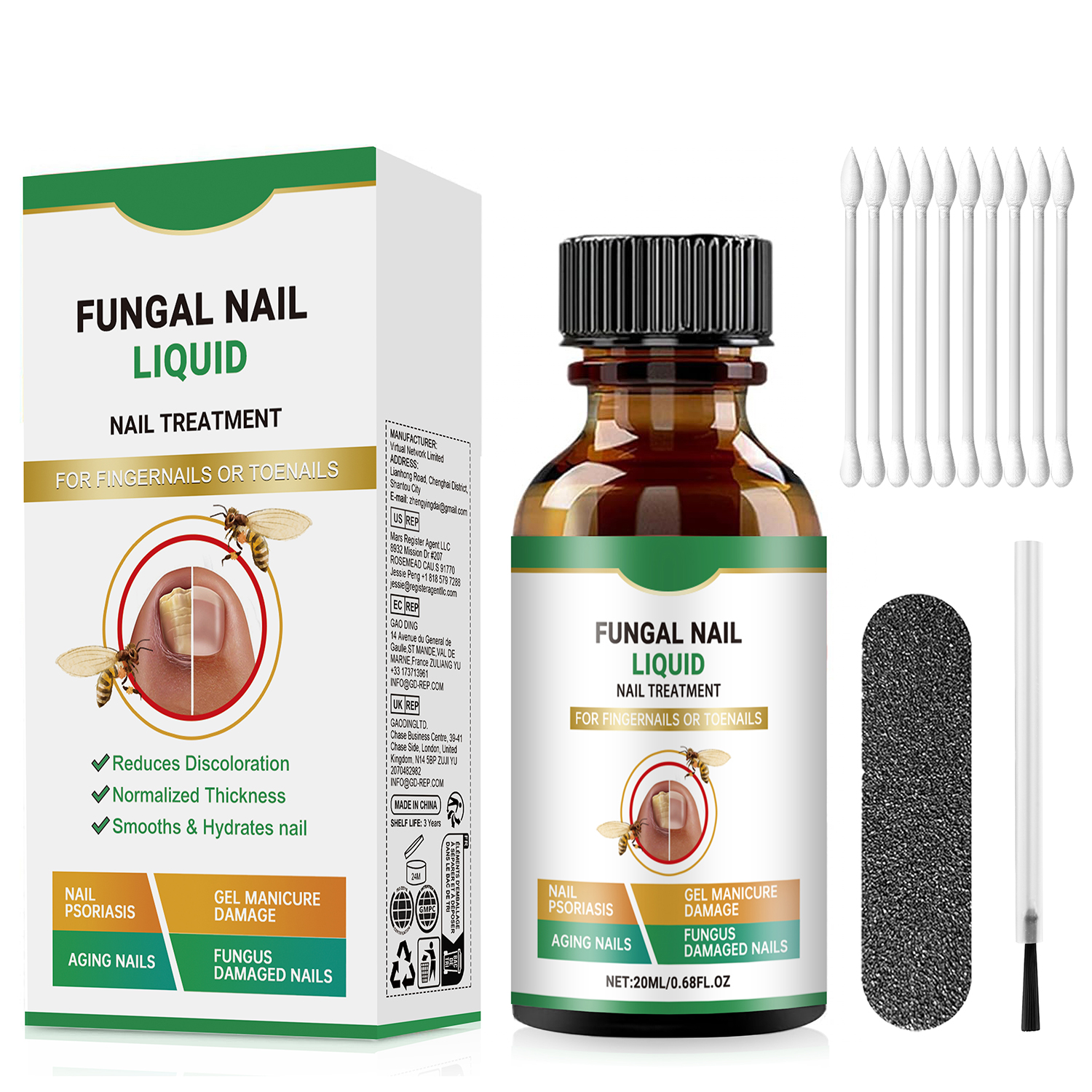
A toenail fungus infection, or onychomycosis, is a common condition that begins as a white or yellow spot under the tip of a toenail. As the fungal infection deepens, it can cause the nail to discolor, thicken, and crumble at the edge. While many cases start mild, a severe infection involves significant changes to the nail’s structure and appearance, often leading to discomfort or pain. The primary culprits are a group of fungi called dermatophytes, which feed on keratin, the protein that makes up your nails.
What distinguishes a severe case from a mild one is the extent of the invasion. In advanced stages, the entire nail may become brittle, distorted in shape, and dark-colored due to debris buildup underneath. The nail can also separate from the nail bed, a condition known as onycholysis. This progression not only affects the nail’s aesthetics but can also produce a foul odor and make wearing shoes or even walking uncomfortable. A severe infection is more than a cosmetic issue; it signifies a deeply embedded fungal colony that is difficult to eradicate with simple topical treatments.
The Prime Breeding Grounds: Why Warmth and Moisture Are Key
Understanding where toenail fungus originates requires knowing what it needs to survive and multiply. Fungi are opportunistic microorganisms that flourish in specific environmental conditions. Their ideal habitat is one that is warm, dark, and consistently moist. These three elements create the perfect incubator for dermatophytes to reproduce and lie in wait for a host.
The human foot, often confined within shoes and socks for extended periods, naturally provides this environment. Sweat creates moisture, body heat provides warmth, and the shoe blocks out light. This is why feet are so susceptible. Any external location that mimics these conditions on a larger scale becomes a high-risk zone for transmission. The fungus doesn’t just appear; it is contracted from surfaces where these spores have been shed by another infected individual.
High-Traffic Public Spaces: Communal Contagion Zones
Public areas where people frequently walk barefoot are the most notorious hotspots for contracting toenail fungus. The high volume of foot traffic increases the statistical probability of encountering fungal spores shed from an infected person.
Gyms, Locker Rooms, and Communal Showers
The gym is arguably the most common place for fungal transmission. Locker room floors and the tile surfaces of communal showers are almost perpetually damp. This constant moisture, combined with warmth from steam and body heat, allows fungal spores to remain viable for long periods. When an individual with an existing infection (like athlete’s foot, which is caused by the same type of fungus) walks barefoot, they can shed spores onto the floor, which can then be picked up by the next person.
Public Swimming Pools and Saunas
Similar to gym showers, the areas surrounding public swimming pools are a significant risk. The textured, non-slip concrete of a pool deck is porous and excellent at trapping moisture and organic debris, including fungal spores. People walking to and from the pool, changing rooms, and poolside showers contribute to a continuous cycle of contamination. Saunas and steam rooms, with their combination of intense heat and humidity, also create an environment where fungi can thrive on wooden benches and floors.
Hotel Rooms and Carpeting
While less obvious, hotel rooms can pose a risk. Bathroom floors, particularly the area right outside the shower, can harbor fungus if not properly disinfected between guests. The greater, often-overlooked hazard is the carpeting. Hotel carpets can trap moisture from wet feet, damp towels, or spills. Since carpets are not sanitized with the same antifungal agents as hard surfaces, they can become a reservoir for fungal spores, waiting to be picked up by the next barefoot guest.
The Personal Risk Zone: Hazards Within Your Own Environment
While public spaces are major sources of initial infection, your personal environment can be a place of reinfection or transmission among household members. The same principles of warmth and moisture apply within the home.
Shared Bathrooms and Showers
If one member of a household has a toenail fungus infection or athlete’s foot, the family bathroom becomes a primary transmission zone. The floor of the shower or tub, as well as the bathmat, can become contaminated. A bathmat that remains damp is a particularly effective incubator for fungi. Sharing towels, nail clippers, or other personal care items can also directly transfer the fungus from one person to another.
Damp Shoes and Socks
For an individual who already has a mild infection, their own footwear is the main reason it can progress to a severe state. Wearing the same pair of shoes every day, especially if they are not fully dry from the previous day’s sweat, creates a personal fungal incubator. The dark, moist interior of the shoe allows the fungus on the nail to flourish without interruption, leading to a more deeply entrenched and severe toenail fungus infections. This is why rotating shoes and ensuring they are completely dry is a critical preventative measure.
Receiving services that involve your feet introduces a different kind of risk, one that relies on the hygiene practices of a business. This is a common concern for many individuals and a frequent source of infection.
Nail Salons and Pedicure Spas
Nail salons are a well-documented source of fungal and bacterial infections when sanitation protocols are not strictly followed. The risk comes from two main areas: tools and footbaths. Metal tools like nail clippers, cuticle pushers, and files must be medically sterilized (ideally in an autoclave) between clients. Simply wiping them with alcohol is not sufficient to kill resilient fungal spores. Porous items like emery boards and buffers should be single-use only.
The pedicure footbath is another major concern. The jets and internal plumbing of modern “spa” chairs can harbor a biofilm of bacteria and fungi if not flushed and disinfected correctly. Soaking your feet in contaminated water provides a direct route for infection, especially if you have any small cuts or abrasions on your feet or around your nails.
| Nail Salon Safety Checklist |
What to Look For |
| Tool Sterilization |
Ask if they use an autoclave. Look for tools presented in sealed, sterilized pouches. |
| Footbath Liners |
Ensure a new, disposable plastic liner is used for the footbath for each client. |
| Single-Use Items |
Confirm that porous items like files, buffers, and toe separators are new for you. |
| Technician Practices |
The technician should wash their hands and wear gloves. They should not use sharp tools to aggressively dig under the nail. |
| General Cleanliness |
The salon should look and smell clean, with no visible debris on floors or workstations. |
Who Is Most Susceptible to Developing Severe Infections?
While anyone can contract toenail fungus, certain individuals are at a much higher risk of it developing into a severe, persistent problem. Underlying health conditions and age play a significant role. As people age, their circulation becomes less efficient, nails grow more slowly and thicken, and their immune response can weaken, making it harder for the body to fight off fungal invaders.
Individuals with specific medical conditions are particularly vulnerable. Those with diabetes are at high risk due to compromised circulation and potential nerve damage (neuropathy), which can reduce sensation in the feet. This means a minor cut or injury might go unnoticed, providing an entry point for fungus. Similarly, people with weakened immune systems—due to autoimmune diseases, HIV, or immunosuppressant medications—have a diminished ability to combat fungal pathogens. Any condition that affects blood flow to the extremities, such as peripheral artery disease, also increases susceptibility.
The type of shoes and socks you wear can directly contribute to creating a fungus-friendly environment. Footwear made from synthetic, non-breathable materials like plastic or vinyl traps sweat and heat, preventing your feet from drying out. This constant dampness softens the nail plate and surrounding skin, making it more permeable to fungal spores.
Tight-fitting shoes that crowd the toes can cause repetitive micro-trauma to the nails, creating small, invisible cracks where fungus can enter. Hosiery, especially nylon or other synthetic blends that don’t wick moisture away from the skin, compounds the problem. Choosing footwear made of natural, breathable materials like leather or canvas, and socks made from wool or moisture-wicking synthetic fabrics, can significantly reduce your risk by keeping your feet drier.
How Do Minor Injuries Increase Your Risk?
A healthy, intact nail and the surrounding skin provide a formidable barrier against fungal invasion. However, any form of trauma to the nail or toe can compromise this defense. Stubbing a toe, dropping something heavy on your foot, or even damage from ill-fitting shoes can lift the nail from its bed or cause cracks in its surface. These injuries create a direct entryway for fungi from the environment to get underneath the nail and establish an infection.
Even minor, repetitive trauma, such as that experienced by runners whose toes constantly hit the front of their shoes, can weaken the nail structure. Similarly, aggressive trimming or cutting the nails too short can damage the hyponychium—the protective seal of skin under the nail’s free edge. Once this barrier is broken, the protected space under the nail becomes an ideal, sheltered spot for a fungal colony to begin growing.
Proactive Steps for Fungal Prevention
Preventing toenail fungus is centered on two main strategies: minimizing exposure to fungi and creating an inhospitable environment for them on your feet. Diligence in high-risk areas is crucial. Always wear shower shoes or flip-flops in gym locker rooms, communal showers, and around public pools. This simple barrier prevents your bare feet from making direct contact with contaminated surfaces.
At home, focus on foot hygiene. Wash your feet daily with soap and water, and, most importantly, dry them thoroughly, especially between the toes. Change your socks daily, or more often if your feet sweat heavily. Alternate your shoes to allow them at least 24 hours to air out and dry completely. Using an antifungal powder or spray inside your shoes can also help. Keep your toenails trimmed straight across and clean any debris from underneath the nail gently. Avoid sharing personal items like towels, socks, and nail clippers.
When Prevention Fails: Seeking Advanced Treatment
Even with the best preventative measures, infections can still occur. When a toenail fungus infection takes hold and progresses to a severe state—characterized by significant thickening, brittleness, and discoloration—it becomes exceptionally difficult to treat. Over-the-counter topical creams and ointments often lack the ability to penetrate the dense nail plate effectively to reach the fungus in the nail bed below.
For those struggling with stubborn or severe toenail fungus infections, it is essential to look beyond temporary fixes and consider more definitive solutions. Oral antifungal medications can be effective but come with potential side effects and require medical supervision. A modern, highly effective, and non-invasive alternative is advanced laser therapy. This technology uses specific wavelengths of light to pass through the nail and target the underlying fungus, destroying it with focused heat without damaging the surrounding tissue. It represents a powerful approach for those seeking a safe and reliable way to finally resolve persistent and unsightly nail ailments.