




For maximum shelf life, your antifungal nail liquid should be stored in a cool, dry, dark place, away from extreme temperatures and humidity. A bedroom drawer or a medicine cabinet located outside the bathroom are ideal spots. Proper storage is not just about neatness; it directly impacts the chemical stability and potency of the active ingredients, ensuring your treatment remains effective from the first drop to the last.
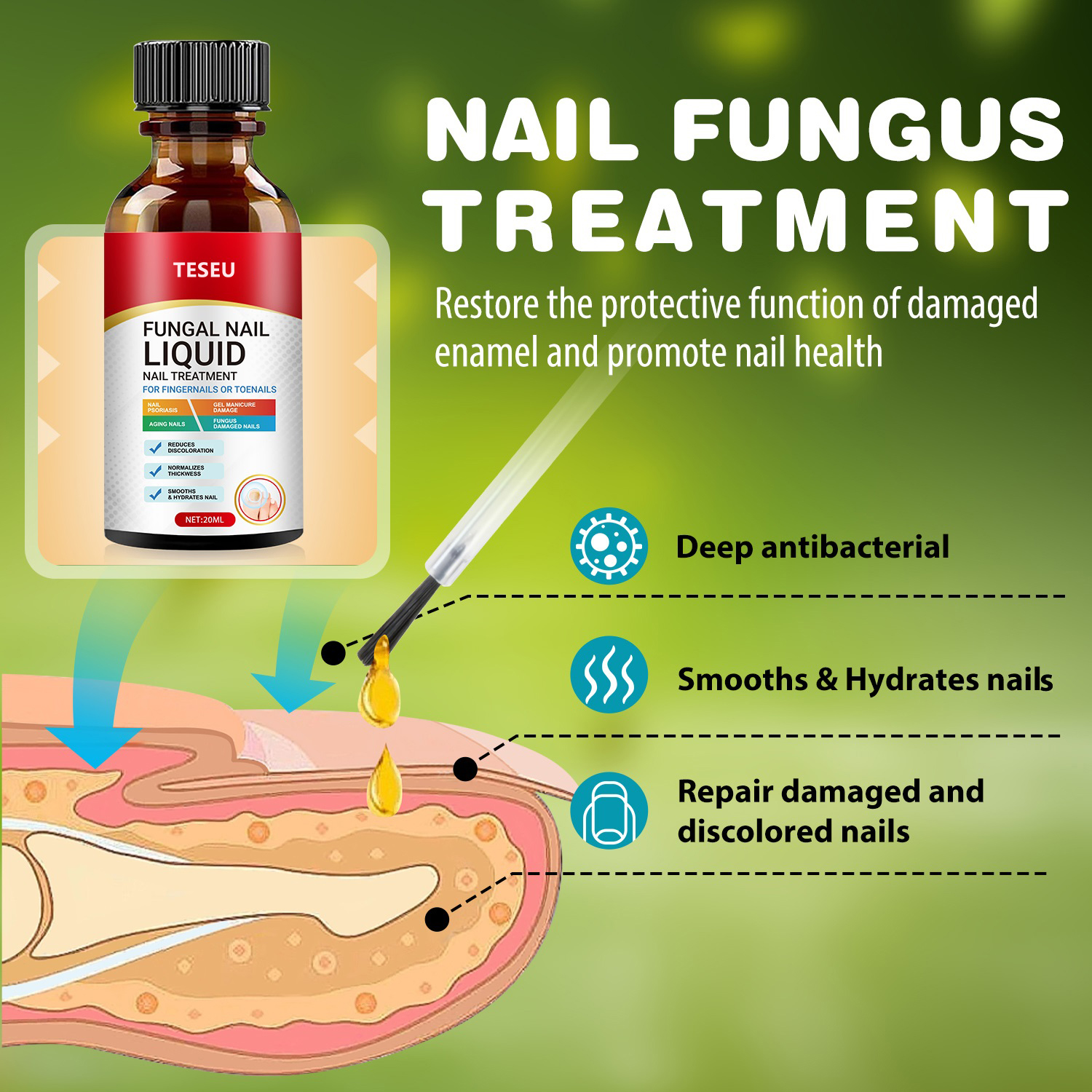
Understanding the Importance of Proper Storage
You have invested in an antifungal nail liquid to combat a persistent and frustrating issue. The effectiveness of this treatment hinges on the potency of its active ingredients. These are specialized chemical compounds designed to penetrate the nail plate and eliminate the fungus. However, these compounds are often sensitive and can degrade when exposed to unfavorable environmental conditions. Improper storage can accelerate this degradation process, rendering the solution less effective or even completely inert over time.
Think of the liquid like a delicate medication. When its chemical structure is altered by heat, light, or moisture, it can no longer perform its intended function. This means you might be applying a product that has lost its power, leading to a lack of improvement and prolonging your battle with nail fungus. Ensuring your treatment is stored correctly is a critical step in your treatment regimen, safeguarding its efficacy and helping you achieve the best possible results.
The Ideal Environment: Key Factors for Longevity
Creating the right storage environment involves controlling three primary factors: temperature, light, and humidity. Each of these can independently or collectively degrade the quality of your topical fungal treatment. Understanding why these factors matter is the first step toward perfect preservation.
Why Temperature Stability is Crucial
Extreme and fluctuating temperatures are the primary enemies of most topical medications. High heat can accelerate chemical reactions, causing the active ingredients in your antifungal serum to break down rapidly. This process, known as thermal degradation, permanently reduces the product’s potency. You are essentially “cooking” the medicine, destroying its therapeutic properties.
Conversely, extreme cold can also be detrimental. While less common, freezing can cause ingredients to separate, altering the formulation’s consistency and effectiveness. The ideal condition is a stable, cool room temperature, typically between 68-77°F (20-25°C). Avoid storing the product near heat sources like radiators, ovens, or electronic devices that generate warmth.
The Damaging Effects of Light Exposure
Many active ingredients are photosensitive, meaning they can be broken down by light, particularly the ultraviolet (UV) rays found in direct sunlight. This process is called photodegradation. It is why many medications, including antifungal liquids, are packaged in opaque or dark-colored bottles. This packaging provides a first line of defense, but it is not foolproof.
Leaving the bottle on a sunny windowsill or a countertop that receives a lot of daylight can still allow light to penetrate and degrade the contents over time. To preserve the solution’s integrity, always store it in a dark place, such as a closed drawer or a cabinet where it is shielded from any direct or indirect light sources.
How Humidity Compromises Your Treatment
Humidity introduces moisture into the environment, which poses two significant risks to your antifungal liquid. First, it can lead to water vapor seeping into the bottle, especially if the cap is not sealed tightly. This can dilute the formula, reducing its concentration and effectiveness. Second, moisture can promote the growth of bacteria or other contaminants, both in the bottle and on the applicator brush, compromising the product’s sterility.
A humid environment can make the bottle’s exterior sticky, attracting dust and grime. This is why the bathroom is one of the worst places for storage. The constant fluctuations in steam and moisture create an unstable and damaging environment for any sensitive formulation.
Where Not to Store Your Antifungal Solution
Knowing where not to keep your treatment is just as important as knowing the right spots. Many common storage habits can inadvertently ruin your product. Here are the top three locations to avoid at all costs.
The Steamy Bathroom Cabinet
Despite being called a “medicine cabinet,” the bathroom is arguably the worst place to store your antifungal nail liquid. The heat and steam from showers and baths create a constantly fluctuating, high-humidity environment. This combination directly violates all three principles of proper storage: it’s hot, humid, and often bright. This microclimate will significantly shorten the shelf life and effectiveness of your treatment.
The Sunlit Windowsill
A windowsill may seem like a convenient spot, but it exposes the bottle to the two most damaging elements: direct sunlight and temperature extremes. The UV radiation will actively degrade the photosensitive ingredients, while the heat from the sun can cause the bottle’s contents to overheat. Even on a cloudy day, UV radiation is present, and temperature changes near a window can be drastic.
The Unpredictable Car
Never leave your antifungal treatment in your car, whether in the glove compartment or the trunk. A vehicle’s interior temperature can skyrocket to well over 120°F (49°C) on a warm day and plummet below freezing in the winter. These wild temperature swings are guaranteed to destroy the product’s formulation, rendering it useless. Always take your medication inside with you.
Recommended Storage Locations for Peak Potency
Now that we have identified the hazards, where are the safe havens for your treatment? The best locations are simple, intuitive, and likely already available in your home. They all share the same characteristics: they are cool, dark, and dry.
- A Bedroom Drawer or Dresser: This is often the perfect spot. It is dark, maintains a stable room temperature, and is far from any sources of humidity.
- A Linen Closet: A closet used for storing towels and bedding is another excellent choice. It is typically dark and dry, providing a consistent environment.
- A Dedicated Medicine Box or Cabinet (Outside the Bathroom): A kitchen cabinet away from the stove and sink, or a small storage box kept in a living room or office, can also serve as an ideal storage location.
To make the choice clear, here is a simple comparison:
| Storage Location | Temperature | Light | Humidity | Rating |
|---|---|---|---|---|
| Bedroom Drawer | Stable & Cool | Dark | Low | Excellent |
| Linen Closet | Stable & Cool | Dark | Low | Excellent |
| Bathroom Cabinet | Fluctuating & Hot | Variable | High | Poor |
| Windowsill | Fluctuating & Hot | High | Variable | Poor |
| Car | Extreme Fluctuations | High | Variable | Very Poor |
How Can You Tell If Your Antifungal Liquid Has Gone Bad?
Even with proper storage, it’s wise to inspect your treatment periodically, especially if it is nearing its expiration date. The first and most obvious indicator is the expiration date printed on the packaging. Never use a product past this date. However, improper storage can cause a product to go bad even before it officially expires.
Look for these tell-tale signs that your liquid has degraded:
- Change in Color: If the solution was once clear and is now cloudy or has turned yellow or brown, it’s a sign of chemical breakdown.
- Change in Consistency: The liquid may become thicker, clumpier, or seem separated. If it doesn’t look uniform after a gentle shake, its formulation is likely compromised.
- Unusual Odor: A foul, rancid, or distinctly different smell from when you first opened it indicates that the product has spoiled.
- Reduced Efficacy: If you have been using the product consistently with good results and it suddenly seems to stop working, its potency may have diminished due to degradation.
Beyond Storage: Maximizing Treatment Effectiveness
Diligent storage is fundamental to ensuring your liquid treatment remains effective, but success in overcoming nail fungus requires a comprehensive approach. Consistency with daily applications is key, as is maintaining clean and dry feet. However, managing this condition can be a long-term commitment filled with daily routines.
For those seeking a modern solution that bypasses the daily hassle of applications and storage concerns, advanced technologies offer a compelling alternative. A one-time investment in a home-use device can provide a permanent path to clear nails. The Teseu laser treatment device, for instance, utilizes clinically-proven light therapy to target fungus directly at its source under the nail. This method is clean, efficient, and offers lasting results without the need for topical chemicals, worries about expiration dates, or strict storage protocols. It represents a shift from temporary management to a permanent solution.
Frequently Asked Questions About Storing Fungal Nail Treatments
Should I refrigerate my antifungal nail liquid to make it last longer?
Generally, no. Unless the product’s packaging specifically instructs you to refrigerate it, you should not. Cold temperatures can cause the ingredients to separate or crystalize, ruining the formulation. Always stick to a cool, dark place at room temperature.
What is the best way to handle the applicator brush?
Always ensure the applicator brush is clean and free of debris before dipping it back into the bottle. Wiping the nail surface with alcohol before application can prevent contamination. Make sure to screw the cap on tightly after each use to create an airtight seal, which protects the product from air and humidity.
How long does the liquid last after being opened?
Most cosmetic and medical products have a “Period After Opening” (PAO) symbol on their packaging, which looks like a small open jar with a number followed by an “M” (e.g., 12M for 12 months). This indicates how long the product remains stable and effective after the first use, assuming proper storage. Always check for this symbol.