The best places to apply daily wellness patches are venous, hair-free areas with thin skin, such as the inner wrist, upper arm, shoulder, lower back, and hip. These locations ensure optimal absorption of ingredients directly into the bloodstream for maximum effectiveness. For targeted benefits, like with Teseu’s plant-based patches, choosing the right spot can significantly enhance your experience, whether you’re seeking energy, sleep, or relief.
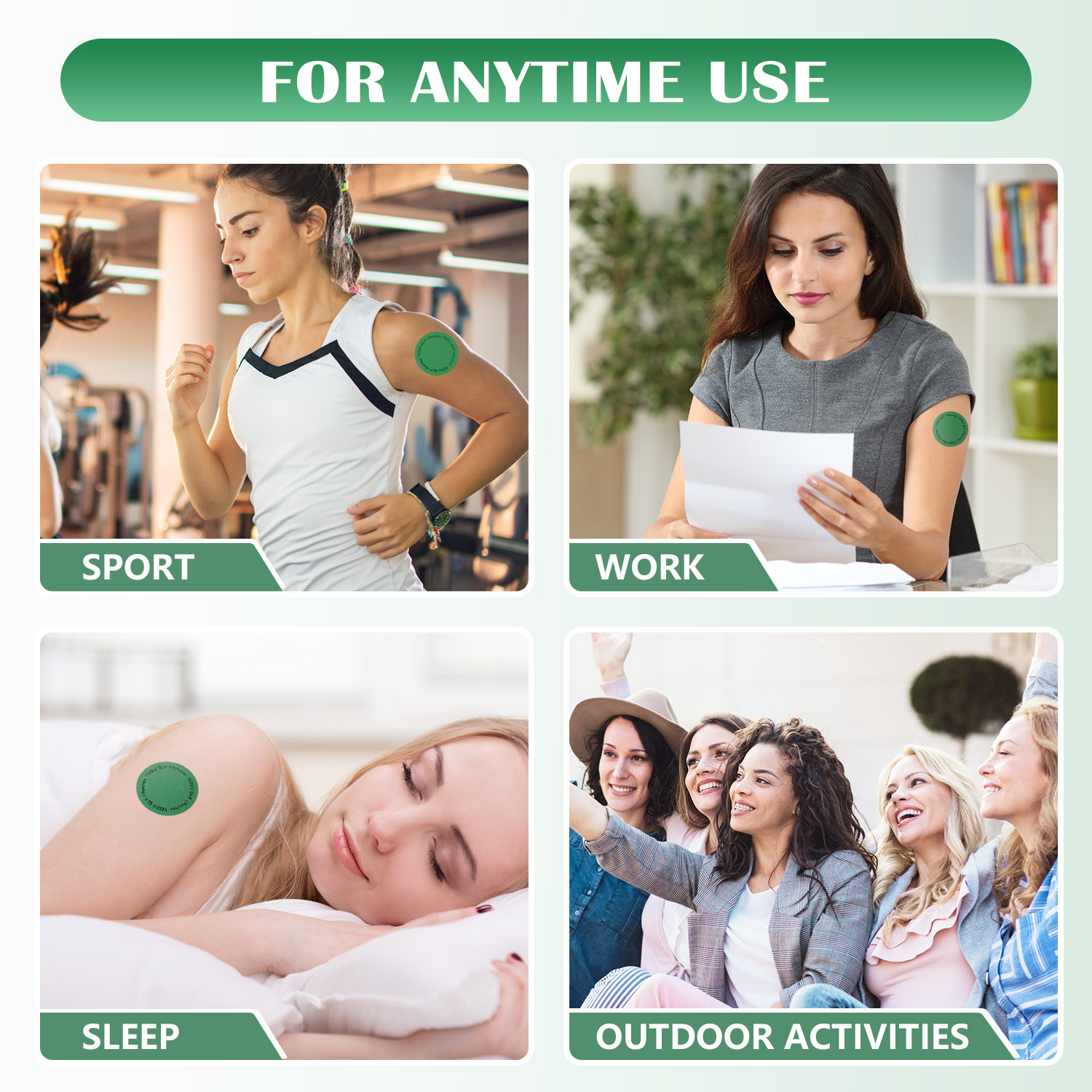
Table of Contents
1. What Makes an Ideal Application Spot for Wellness Patches?
2. The Top Recommended Body Areas for Your Daily Wellness Patches
3. Does the Type of Patch Affect the Best Location?
4. How to Prepare Your Skin for Maximum Patch Efficacy
5. The Importance of Rotating Application Sites
6. Matching Application Sites to Your Wellness Goals
7. Common Mistakes to Avoid When Applying Your Patch
8. Which Areas of the Body Should You Avoid?
9. Understanding How Transdermal Technology Influences Placement
10. Frequently Asked Questions About Patch Application
What Makes an Ideal Application Spot for Wellness Patches?
Understanding why certain body areas are superior for patch application is key to unlocking their full potential. The science of transdermal delivery—how active ingredients travel through the skin into the systemic circulation—dictates the best placement. An ideal spot is not random; it is a strategic choice based on physiological factors that facilitate efficient absorption and consistent delivery of ingredients throughout the day or night.
The primary factor is the proximity to a rich network of blood vessels. Areas where veins are close to the surface allow the patch’s ingredients to bypass the digestive system and enter the bloodstream more directly. This enhances bioavailability, meaning a greater percentage of the active compounds can be utilized by your body. Additionally, the thickness of the skin’s outermost layer, the stratum corneum, plays a critical role. Thinner skin presents less of a barrier, allowing for quicker and more complete absorption. Finally, a good location is one with minimal hair, low friction from clothing, and limited flexion to ensure the patch adheres securely for its entire duration.
While personal preference plays a part, certain areas consistently provide the best results for transdermal application. These spots offer the optimal combination of thin skin, high vascularity, and stability. Teseu’s patches are designed for steady, slow-release delivery, and placing them on one of these recommended sites ensures you receive the full benefit of their carefully formulated plant-based ingredients.
The Inner Wrist
The inner wrist is a classic choice for a reason. This area has very thin skin and is densely populated with superficial capillaries. This allows for rapid absorption of ingredients into the bloodstream, making it a great option if you’re seeking a more immediate effect from a patch, such as Teseu’s Energy Patch. Its primary drawback is visibility and the potential for it to be knocked or rubbed off through daily activities.
The Upper Arm & Bicep
The outer part of the upper arm or bicep is a popular and practical location. It is discreet, easily hidden by sleeves, and generally has little hair. The area is also less prone to excessive movement or sweating compared to other parts of the body. This stability makes it an excellent all-around choice for any type of daily patch, ensuring consistent adhesion and ingredient delivery over many hours.
The Shoulder & Upper Back
The shoulder blade or the fleshy part of the upper back offers a large, flat, and stable surface. These areas are ideal for patches that need to be worn for extended periods, such as a Sleep Patch, as they are unlikely to be disturbed during movement or sleep. The skin here is slightly thicker than the wrist, which can result in a more gradual, sustained release of ingredients—perfect for all-night support.
The Lower Back & Hip
The lower back, just above the waistline, or the upper part of the hip are discreet and very stable locations. Protected by clothing, these spots experience minimal friction and are not subject to the constant bending of joints. This makes them a prime choice for all-day wear, particularly for a Relief Patch where a steady, uninterrupted dose is desired for ongoing comfort.
| Body Area |
Absorption Speed |
Key Advantage |
Ideal For |
| Inner Wrist |
Fast |
High vascularity |
Quick-acting needs (Energy) |
| Upper Arm / Bicep |
Moderate |
Discreet & Stable |
All-day, general use |
| Shoulder / Upper Back |
Moderate to Slow |
Large, stable surface |
Overnight use (Sleep) |
| Lower Back / Hip |
Moderate |
Maximum discretion & stability |
Long-wear patches (Relief) |
| Inner Thigh |
Moderate |
Sensitive, well-protected area |
Alternative discreet location |
Does the Type of Patch Affect the Best Location?
Yes, tailoring the application site to the patch’s intended purpose can optimize its effects. While all recommended areas are effective, strategic placement can align with the specific goals of Teseu’s specialized formulas. This thoughtful approach helps you get the most out of every single patch.
For an Energy Patch, designed to provide a steady lift, placing it on the inner wrist or upper arm in the morning can promote faster initial absorption to help you start your day. For a Sleep Patch, a stable, out-of-the-way location like the shoulder blade or upper back is perfect. This prevents it from rubbing off as you move in your sleep, ensuring a continuous release of calming botanicals all night. When using a Relief Patch, you have two options: apply it to a generally effective venous area like the hip or lower back for systemic support, or place it adjacent to a specific area of soreness (e.g., on the shoulder for shoulder tension) for a more targeted effect.
How to Prepare Your Skin for Maximum Patch Efficacy
Proper skin preparation is a non-negotiable step for ensuring your wellness patch works as intended. A patch’s adhesive and its ability to transfer ingredients are significantly impacted by the condition of the skin it is applied to. Taking a moment to prepare the area guarantees better adhesion and superior absorption.
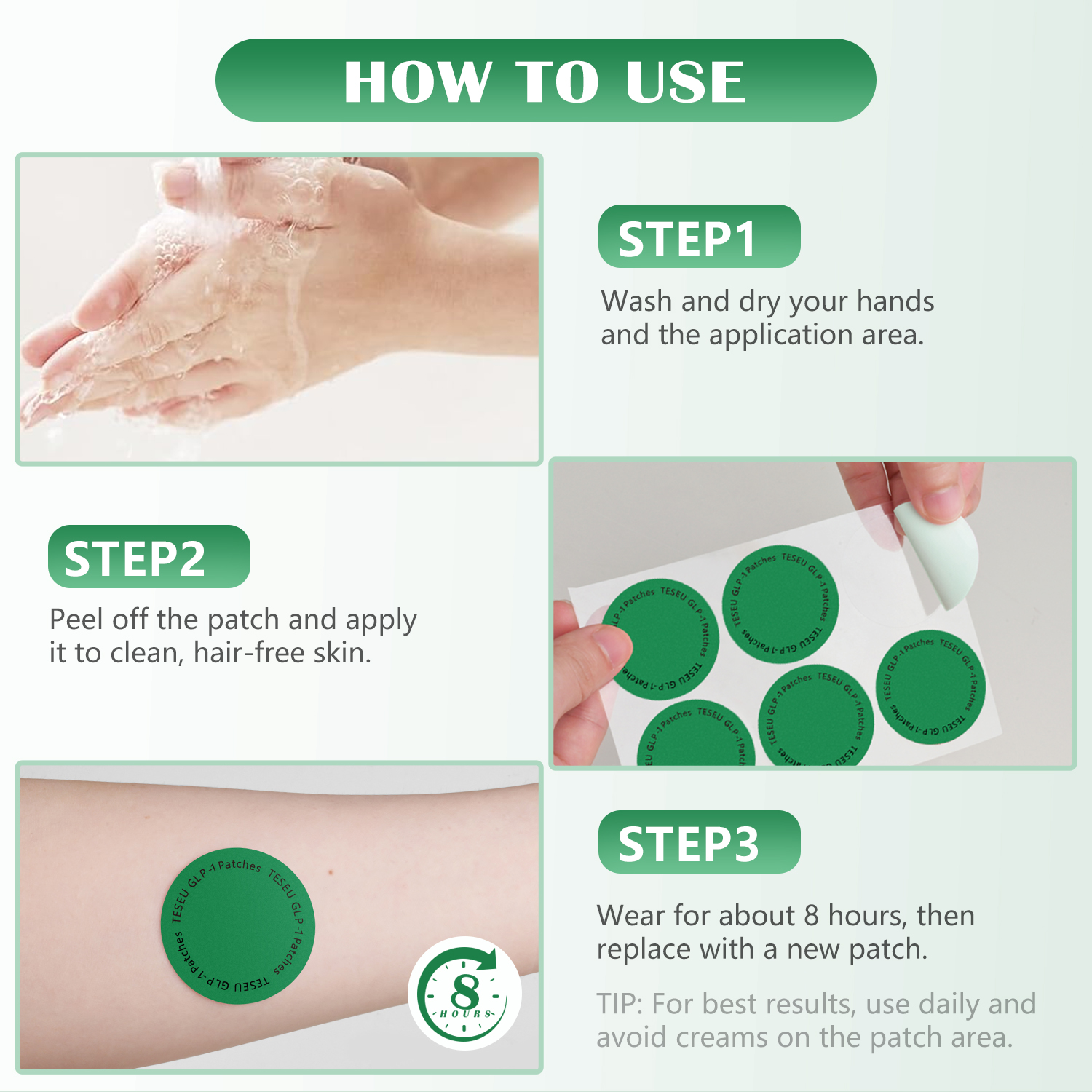
First, always apply your patch to skin that is clean, dry, and free of hair. Wash the area with mild soap and water, then pat it completely dry with a towel. Do not apply any lotions, oils, creams, or powders to the area before or after applying the patch, as these substances can create a barrier that blocks ingredient absorption and weakens the adhesive. When you are ready, press the patch firmly onto the skin for at least 15-30 seconds, running your finger around the edges to ensure it is fully sealed. This activates the pressure-sensitive adhesive and creates a secure bond for long-lasting wear.
The Importance of Rotating Application Sites
If you use daily wellness patches as part of your regular routine, rotating application sites is crucial for maintaining skin health. Applying a patch to the exact same spot day after day can lead to skin sensitivity or irritation, known as contact dermatitis. This occurs because the skin under the adhesive is covered for an extended period, which can trap moisture and block pores.
To avoid this, create a simple rotation schedule. For example, you could use the left shoulder on Monday, the right shoulder on Tuesday, the left hip on Wednesday, the right hip on Thursday, and so on. This gives each area of skin several days to breathe and recover fully before another patch is applied. By cycling through the recommended locations, you ensure both maximum patch performance and happy, healthy skin.
Matching Application Sites to Your Wellness Goals
Beyond the general guidelines, you can think strategically about patch placement to align with your immediate goals. The location can subtly influence the user experience. Consider not just the type of patch, but the timing and desired outcome of your wellness routine.
For instance, if you’re using an Energy patch before a workout, the upper arm or shoulder is a great choice as it’s less likely to be affected by sweat and movement than the wrist. If you’re settling in for a quiet evening with a book and want to wind down with a Sleep patch, the inner wrist is a fine choice for that pre-bedtime period before you transfer it to a more stable location for the night. For general, all-day balance, a “set-it-and-forget-it” location like the hip or lower back is unparalleled.
Common Mistakes to Avoid When Applying Your Patch
To ensure you’re not inadvertently reducing your patch’s effectiveness, be mindful of a few common errors. The most frequent mistake is applying the patch to oily or moisturized skin. Any residue will compromise the adhesive and block the transdermal pathway. Similarly, applying a patch over dense hair will prevent it from making full contact with the skin, hindering absorption.
Another error is placing the patch on or near a joint, like an elbow or knee. The constant bending and stretching will cause the patch to peel off prematurely. Also, avoid cutting the patches. Teseu patches are designed with a specific dose and release mechanism; altering their size can disrupt this delicate balance. Finally, don’t forget to press and hold the patch firmly upon application to ensure the edges are completely sealed against your skin.
Which Areas of the Body Should You Avoid?
Just as there are ideal spots for application, there are also areas you should avoid. Do not apply patches to skin that is irritated, broken, scarred, or sunburned. The ingredients may cause further irritation, and absorption will be unpredictable. Steer clear of bony prominences, like the spine or shin, where the patch cannot lie flat and make good contact.
You should also avoid skin folds or areas that are frequently compressed by tight clothing, like under a bra strap or tight waistband, as the constant friction can dislodge the patch. The palms of your hands and the soles of your feet have extremely thick skin, making them poor choices for transdermal delivery. Lastly, avoid the face and any other highly sensitive areas unless specifically instructed.
Understanding How Transdermal Technology Influences Placement
The innovation behind Teseu’s patches lies in transdermal technology. This system delivers a steady, controlled release of plant-based ingredients directly through the skin. A patch is more than just a sticker; it’s a multi-layered reservoir designed to protect the ingredients and release them at a consistent rate over many hours. The ingredients then permeate the skin’s layers to reach the rich capillary network below.
This method offers distinct advantages over oral supplements. It bypasses the gastrointestinal tract, avoiding the “first-pass effect” where the liver metabolizes and reduces the potency of active compounds. This results in higher bioavailability and a more consistent, gentle effect without the peaks and troughs associated with pills. Choosing a vascular, thin-skinned area maximizes the efficiency of this sophisticated delivery system.
Frequently Asked Questions About Patch Application
What if the patch starts to peel off?
If the edges of the patch begin to lift, try to press them back down firmly. If it will not re-adhere, it is best to remove it and apply a new patch to a different clean, dry, and hair-free location. Ensure the skin was properly prepared to prevent this from happening.
Can I wear my patch in the shower or while swimming?
Teseu patches are designed to be water-resistant, not waterproof. They can typically withstand a shower, but prolonged submersion in water, such as in a bath or swimming pool, may weaken the adhesive and cause the patch to fall off. For best results, apply your patch after showering.
How do I know the patch is working?
Unlike a pill that might give a sudden, noticeable effect, transdermal patches are designed for a gentle, sustained release. You should notice a gradual and consistent feeling aligned with the patch’s purpose—be it sustained energy, a sense of calm, or gentle relief—rather than a dramatic spike. The effect is subtle and supportive, integrating smoothly into your day.
Can I wear more than one Teseu patch at a time?
Yes, you can combine different patches to target multiple wellness goals. For example, you could wear an Energy patch on your arm during the day and a Relief patch on your lower back simultaneously. Simply apply each patch to a different recommended location, ensuring they do not overlap.