The most effective herbal ingredients for reducing fungal inflammation are those with powerful dual-action properties, combining potent antifungal and anti-inflammatory effects. Key botanicals include Turmeric (Curcumin), Garlic (Allicin), Oregano Oil (Carvacrol), and Tea Tree Oil (Terpinen-4-ol). These natural compounds work by directly inhibiting fungal growth and replication while simultaneously modulating the body’s inflammatory pathways to soothe irritation and redness.
Table of Contents
Understanding the Connection: Why Do Fungal Infections Cause Inflammation?
Fungal infections, from athlete’s foot to systemic candidiasis, trigger an inflammatory response as the body’s immune system attempts to eradicate the invading pathogen. When fungi like Candida albicans or dermatophytes proliferate, they release enzymes and metabolic byproducts that damage host tissues. This damage signals immune cells, such as neutrophils and macrophages, to rush to the site. These cells, in turn, release inflammatory mediators like cytokines and prostaglandins, leading to the classic signs of inflammation: redness, swelling, heat, and pain. Navigating the world of herbal ingredients for fungal inflammation requires understanding this dual challenge.
This inflammatory cascade, while a necessary defense mechanism, can become chronic or excessive if the fungal infection persists. The fungus can form protective layers known as biofilms, making it more resistant to immune attack and conventional treatments. The persistent presence of the fungus keeps the inflammatory signals “on,” potentially leading to chronic tissue damage and discomfort. Therefore, an effective treatment must not only kill the fungus but also help calm the associated inflammation to restore tissue health.
Top Dual-Action Herbal Ingredients for Fungal Inflammation
Certain plants have evolved sophisticated chemical defenses that are uniquely suited to addressing both infection and inflammation. These botanicals contain bioactive compounds that perform two jobs simultaneously: disrupting fungal structures and down-regulating the body’s inflammatory response. This dual-action approach is highly efficient for restoring balance and promoting healing.
Turmeric (Curcuma longa): The Golden Anti-Inflammatory
Turmeric is a bright yellow spice celebrated for centuries in Ayurvedic and traditional medicine. Its primary active compound, curcumin, is a potent anti-inflammatory and antifungal agent. Curcumin’s power lies in its ability to inhibit key inflammatory pathways, such as NF-κB, which is a master regulator of the inflammatory response. By suppressing this pathway, curcumin reduces the production of pro-inflammatory molecules that cause swelling and pain.
From an antifungal perspective, curcumin disrupts the cell membranes of fungi, particularly Candida species, causing cellular contents to leak and leading to cell death. It has also been shown to prevent the formation of fungal biofilms, which are notoriously difficult to treat. This makes turmeric a formidable ingredient for addressing persistent fungal issues where inflammation is a significant component.
Garlic (Allium sativum): Nature’s Potent Antifungal Agent
Garlic is more than a culinary staple; it is a powerful medicinal herb. Its efficacy is largely attributed to allicin, a sulfur-containing compound released when a garlic clove is crushed or chopped. Allicin exhibits broad-spectrum antifungal activity against a wide range of pathogens, including dermatophytes that cause skin and nail infections, and various Candida species.
Allicin works by inhibiting essential fungal enzymes, thereby disrupting critical metabolic processes. In parallel, garlic possesses significant anti-inflammatory properties. It can suppress the production of inflammatory cytokines and reduce the activity of enzymes like cyclooxygenase (COX), which contribute to pain and swelling. This combination makes garlic an excellent choice for both internal and topical use against fungal-driven inflammation.
Oregano Oil (Origanum vulgare): A Carvacrol-Powered Defense
Oil of oregano, particularly that rich in the phenol carvacrol, is one of the most potent natural antifungal agents known. Carvacrol is highly effective at destroying the cell membranes of fungi, leading to rapid cell death. It has demonstrated efficacy against drug-resistant strains of Candida and other fungi, making it a valuable tool in natural health.
Beyond its aggressive antifungal action, carvacrol is also a powerful anti-inflammatory. It inhibits the expression of pro-inflammatory markers and has been shown in studies to reduce inflammation at the cellular level. When using oregano oil, it is crucial to dilute it with a carrier oil (like coconut or olive oil) for topical application, as its high concentration can irritate the skin. For internal use, it is typically taken in capsule form.
Tea Tree Oil (Melaleuca alternifolia): A Topical Antiseptic Powerhouse
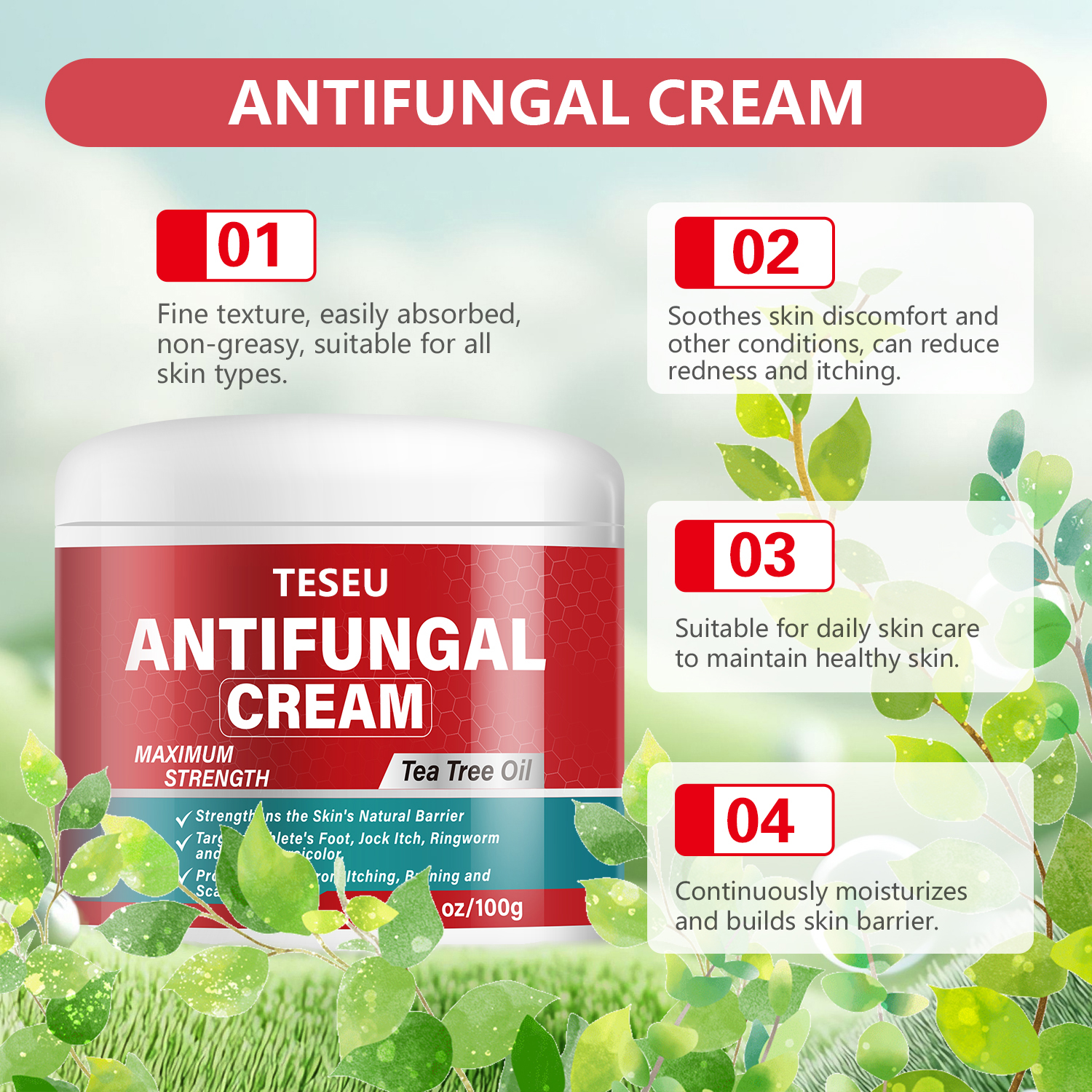
Tea tree oil is a well-known antiseptic essential oil, primarily used for topical applications. Its main active component, terpinen-4-ol, is responsible for its strong antifungal and antibacterial properties. It is highly effective against the dermatophytes that cause conditions like athlete’s foot, jock itch, and ringworm, as well as nail fungus.
In addition to killing fungi, terpinen-4-ol helps manage the inflammatory response. It can suppress the production of inflammatory cytokines by activated immune cells, helping to reduce the redness, itching, and swelling associated with fungal skin infections. Due to its potency, tea tree oil must always be diluted with a carrier oil before being applied to the skin to prevent irritation or allergic reactions.
Ginger (Zingiber officinale): Soothing Inflammation and Fighting Fungi
Ginger is renowned for its anti-inflammatory and digestive-soothing properties, primarily due to active compounds like gingerol and shogaol. These compounds are potent inhibitors of inflammatory pathways, similar to non-steroidal anti-inflammatory drugs (NSAIDs) but without the associated side effects. They work by blocking the synthesis of prostaglandins and leukotrienes, which are key drivers of inflammation.
While celebrated for its anti-inflammatory effects, ginger also possesses notable antifungal capabilities. Studies have shown it can inhibit the growth of various fungal species, including Candida albicans. This makes ginger a valuable addition to any anti-fungal protocol, especially when consumed as a tea or integrated into the diet, as it helps fight the pathogen while calming systemic inflammation from within.
What Other Botanicals Offer Potent Support?
Beyond the top-tier herbs, a wealth of other botanicals provides significant antifungal and anti-inflammatory benefits. These plants often contain unique compounds that offer alternative mechanisms of action, making them excellent additions to a comprehensive natural health strategy.
Pau D’Arco: The Ancient South American Remedy
Pau d’Arco is an herbal supplement derived from the inner bark of a tree native to the Amazon rainforest. It has been used for centuries by indigenous peoples to treat infections and inflammatory conditions. Its primary active compounds, lapachol and beta-lapachone, are credited with its potent antifungal effects, particularly against Candida. These compounds interfere with the energy production processes within fungal cells. Pau d’Arco also exhibits anti-inflammatory properties, helping to alleviate symptoms associated with fungal overgrowth.
Calendula (Calendula officinalis): A Gentle Soother for Skin
Calendula, or pot marigold, is a gentle yet effective herb for skin-related issues. Its flowers contain flavonoids and triterpenoids that provide both antifungal and anti-inflammatory actions. Calendula is particularly useful for soothing inflamed, irritated skin caused by fungal infections like diaper rash (often complicated by Candida) or athlete’s foot. It promotes tissue healing and regeneration while gently inhibiting fungal growth, making it ideal for sensitive skin areas.
Neem (Azadirachta indica): The Versatile Botanical Healer
In India, the neem tree is often called the “village pharmacy” due to its extensive medicinal uses. Neem oil and leaf extracts contain compounds like gedunin and nimbin, which are powerful antifungals effective against ringworm and other dermatophytes. Neem also has strong anti-inflammatory and antihistamine properties, which help reduce the itching and redness that accompany fungal skin infections. Its versatility allows for its use in creams, soaps, and oils for topical relief.
Medicinal Mushrooms: The Immunomodulatory Approach
Certain medicinal mushrooms, such as Reishi (Ganoderma lucidum), offer a unique approach. While some possess direct antifungal properties, their primary strength lies in immunomodulation—the ability to intelligently regulate the immune system. Reishi contains compounds like triterpenes and polysaccharides that can help calm an overactive inflammatory response while simultaneously enhancing the immune system’s ability to effectively target and eliminate pathogens like fungi. This makes them excellent for addressing the systemic nature of chronic fungal issues.
How Do These Herbal Compounds Work Mechanistically?
The effectiveness of these herbal ingredients for fungal inflammation is not based on folklore but on specific, scientifically observable mechanisms. They target fungi and inflammation at the molecular level, offering a multi-pronged strategy for healing.
Inhibiting Fungal Cell Membranes and Biofilms
Many active herbal compounds, such as carvacrol from oregano and terpinen-4-ol from tea tree oil, are lipophilic, meaning they are attracted to fats. Since fungal cell membranes are rich in lipids, these compounds easily integrate into and disrupt the membrane’s structure. This destabilization causes the cell to leak and die. Other compounds, like allicin from garlic, inhibit crucial enzymes that the fungus needs for survival and reproduction. Furthermore, ingredients like curcumin can prevent fungi from forming protective biofilms, leaving them vulnerable to attack.
Modulating Inflammatory Pathways
The anti-inflammatory action of these herbs is equally sophisticated. Compounds like curcumin (turmeric) and gingerol (ginger) work by inhibiting key inflammatory regulators in the body. They can block the activation of NF-κB, a protein complex that acts as a master switch for inflammation. By turning off this switch, they reduce the production of a cascade of inflammatory substances, including cytokines and COX-2 enzymes. This calms the immune system’s overreaction, reducing pain, swelling, and tissue damage without compromising its ability to fight the infection.
| Herbal Ingredient |
Primary Active Compound |
Primary Mechanism of Action |
| Turmeric |
Curcumin |
Disrupts fungal membranes; inhibits NF-κB pathway. |
| Garlic |
Allicin |
Inhibits fungal enzymes; suppresses inflammatory cytokines. |
| Oregano Oil |
Carvacrol |
Destroys fungal cell membranes; potent anti-inflammatory. |
| Tea Tree Oil |
Terpinen-4-ol |
Topical antiseptic; reduces inflammatory cytokine production. |
What Are the Best Application Methods for Herbal Remedies?
The method of application depends entirely on the location and nature of the fungal infection. A topical infection requires a different approach than a systemic one, and using the correct method is key to achieving results.
Topical Applications for Skin and Nails
For fungal infections on the skin, such as athlete’s foot, ringworm, or topical yeast infections, direct application is most effective. Essential oils like tea tree and oregano must be diluted in a carrier oil (e.g., coconut oil, which has its own antifungal properties) to a concentration of 1-5%. This mixture can be applied directly to the affected area 2-3 times daily. Creams or salves containing calendula, neem, or turmeric can also be highly effective for soothing inflamed skin while fighting the fungus.
Internal Use and Dietary Integration
For systemic fungal issues, such as intestinal Candida overgrowth, or to support the body’s overall inflammatory response, internal use is necessary. Garlic can be incorporated generously into the diet or taken as an aged extract supplement. Turmeric and ginger can be consumed in food, as teas, or in standardized extract capsules for a more potent dose. Oregano oil for internal use should only be taken in enteric-coated capsules to protect the stomach and ensure it reaches the intestines. Pau d’Arco is typically consumed as a tea or tincture.
Safety, Quality, and Efficacy: What Should You Consider?
Not all herbal products are created equal. The effectiveness and safety of a botanical remedy depend heavily on the quality of the raw material and the methods used to process it. Making informed choices is paramount for achieving the desired therapeutic outcome.
The Critical Role of Purity and Extraction Methods
The true power of an herb lies in its active compounds. A plant’s potency can vary based on its growing conditions, harvest time, and genetics. Furthermore, the method of extraction determines the final concentration and bioavailability of these compounds. Advanced biotechnological extraction processes, such as CO2 extraction or standardized tincturing, are designed to isolate and concentrate the desired active ingredients while preserving their integrity.
When selecting a product, look for brands that prioritize scientific research and validation. Companies committed to quality control will ensure their products are free from contaminants like heavy metals and pesticides and are standardized to contain a specific percentage of active compounds (e.g., 95% curcuminoids in a turmeric extract). This commitment to science-backed natural solutions ensures you receive a product that is both safe and potent, delivering reliable and consistent results.
Potential Side Effects and Important Precautions
While natural, herbal ingredients can be potent and may cause side effects or interact with medications. Potent essential oils like oregano and tea tree oil must always be diluted for topical use. Internal use of certain herbs, like oregano oil, should be for a limited duration. Pregnant or nursing women and individuals with pre-existing health conditions or those taking medications (especially blood thinners or diabetes medication) should always consult with a healthcare professional before beginning any new herbal regimen. Always perform a patch test on a small area of skin before applying a new topical product more widely to check for allergic reactions.