Liquid antifungal drops are generally better than creams for treating nail fungus because their low-viscosity formulation allows them to penetrate the dense, non-porous nail plate and deliver active ingredients directly to the source of the infection in the nail bed. In contrast, thicker creams often remain on the surface, proving less effective at reaching the fungus hidden beneath the nail. This superior absorption is the primary reason why liquid treatments often yield more successful and lasting results.
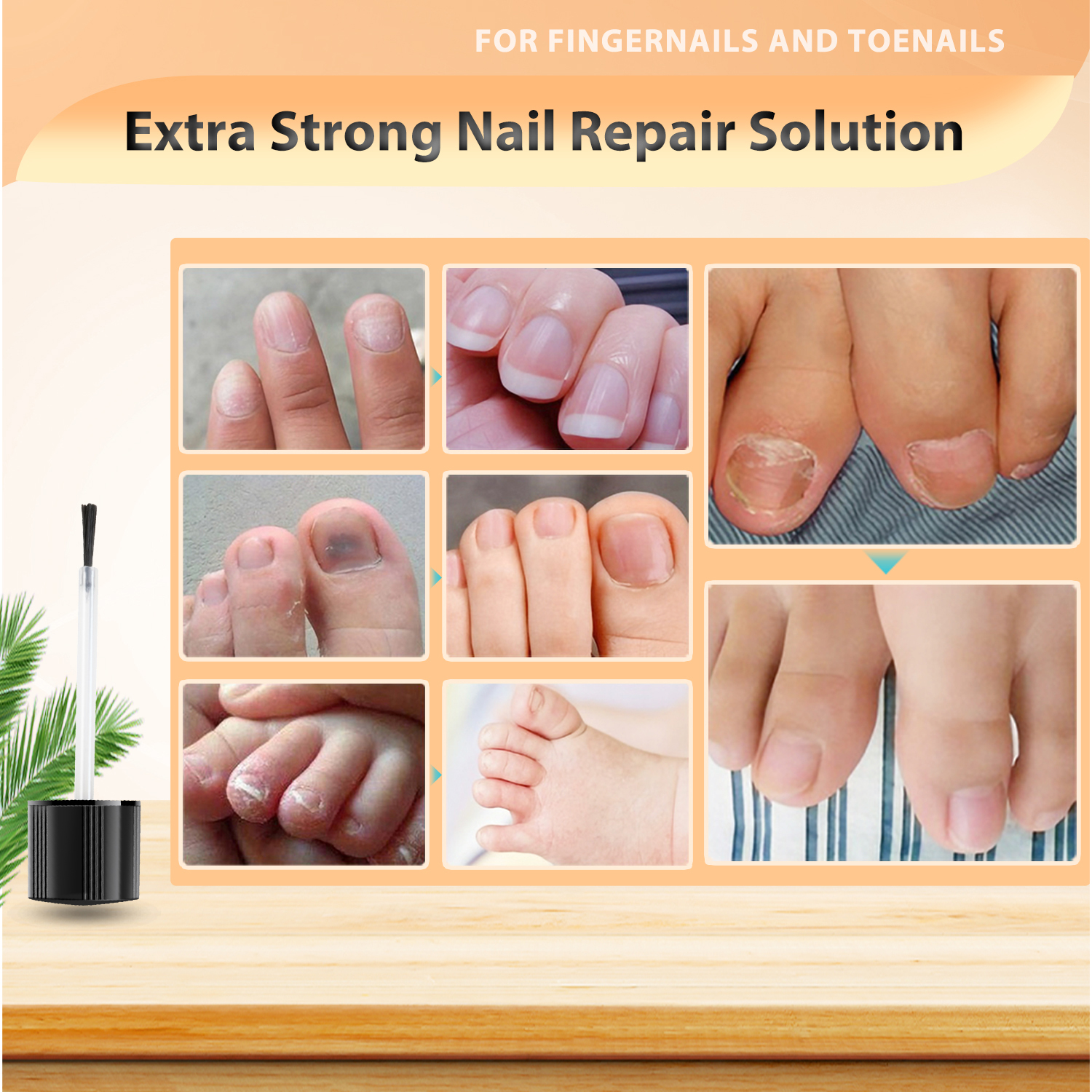
Table of Contents
What Makes Nail Fungus So Difficult to Treat?
Before comparing treatments, it’s essential to understand the challenge. Nail fungus, or onychomycosis, is notoriously stubborn. The primary reason for its persistence lies in the anatomy of the nail unit itself. The infection doesn’t just sit on the surface; it thrives in the protected, dark, and often moist environment underneath the nail plate, within the nail bed.
The Impenetrable Nail Plate Barrier
The nail plate is composed of tightly packed layers of keratin, a hard protein. This structure is designed to be a protective shield, making it largely non-porous and resistant to penetration from external substances. For any topical treatment to be effective, it must first get past this formidable barrier. Most standard creams are simply too thick and their molecules too large to effectively seep through the dense keratin matrix. They may treat any surface-level fungus but fail to address the core of the problem.
The Hidden Fungal Reservoir: The Nail Bed
The true source of a nail fungus infection is the nail bed—the skin directly beneath the nail plate. This is where the fungi colonize, feed on keratin, and multiply. As the fungus proliferates, it causes the nail to become discolored, brittle, and thick. Any treatment that cannot reach the nail bed is merely managing symptoms on the nail’s surface, not eradicating the infection. This is why infections often appear to return after treatment with less effective methods is stopped; the underlying fungal colony was never fully eliminated.
This is where liquid antifungal drops demonstrate their most significant advantage. The very nature of a liquid allows it to overcome the challenges posed by the nail’s structure. Unlike viscous creams, liquid solutions have a low surface tension, enabling them to flow into microscopic cracks and crevices.
How Liquid Carriers Bypass the Nail’s Defenses
Liquid formulations are designed with carrier agents that have a smaller molecular size and properties that enhance absorption. These carriers help to transport the active antifungal ingredients through the nail plate. More importantly, the liquid can seep around the edges of the nail and under the tip, reaching the nail bed directly. This ability to travel around and through the nail barrier is a game-changer in treating onychomycosis effectively.
Reaching the Source of the Infection
By delivering the active ingredients straight to the nail bed, liquid drops attack the fungus at its source. This direct action stops the fungal colony from growing and spreading, allowing a new, healthy nail to grow out. Creams, which struggle to get past the nail surface, cannot offer this level of targeted delivery. Treating the source is the only way to achieve a complete and permanent resolution.
Precision and Hygiene: The Application Advantage
The method of application plays a crucial role in the effectiveness and safety of a treatment. Liquid solutions, typically supplied with a dropper or a brush applicator, offer distinct benefits over creams that are applied by hand.
Why Dropper Application is More Effective
A dropper allows for the precise placement of the solution. You can apply a single drop directly onto the affected nail, allowing it to spread naturally and seep under the cuticle and the nail’s free edge. This precision ensures that the potent formula is concentrated where it’s needed most. In contrast, applying cream with a finger is messy and imprecise, often leading to more product on the surrounding skin than on the actual infection site under the nail.
Minimizing Contamination and Waste
Applying creams often involves scooping product from a tub or squeezing it from a tube onto a finger, which can introduce bacteria and other contaminants into the product and spread the fungal infection to other areas. A dropper applicator minimizes this risk of cross-contamination. Furthermore, the precise application prevents waste, ensuring the product lasts longer and provides better value.
The base of a product—whether it’s a cream or a liquid—heavily influences how well its active ingredients work. Liquid bases are often more efficient vehicles for delivering a wide range of antifungal agents.
The Role of Solvents in Active Ingredient Efficacy
Liquid antifungal treatments are formulated with solvents that not only keep the active ingredients in a stable, bioavailable state but also act as penetration enhancers. These solvents can temporarily alter the structure of the nail plate, making it slightly more permeable and allowing the antifungal agents to pass through more easily. This synergy between the carrier and the active ingredient is a sophisticated mechanism that cream-based formulas typically lack.
Are Natural Ingredients More Effective in a Liquid Base?
Many modern treatments utilize potent, naturally derived ingredients. When these botanicals and essential oils are suspended in a liquid formula, their efficacy is often enhanced. A well-designed liquid base can preserve the integrity of these natural compounds and deliver them in a concentrated form directly to the nail bed. This ensures you get the maximum benefit from each ingredient, promoting healing without the harshness of some synthetic chemicals.
Lifestyle Integration: Absorption, Drying Time, and Comfort
A treatment’s success is also dependent on how easily it fits into a user’s daily routine. Practical considerations like drying time and residue can make a significant difference in user consistency.
Fast Absorption and No Greasy Residue
Liquid drops are absorbed into the nail and surrounding skin within minutes. They dry quickly and leave behind no sticky or greasy film. This is a major practical benefit. Antifungal creams, on the other hand, are occlusive and can leave a thick, greasy layer that takes a long time to absorb. This can be uncomfortable and impractical, especially for feet.
Compatibility with Socks, Shoes, and Nail Polish
Because liquids dry quickly, you can put on socks and shoes almost immediately after application without worrying about the product rubbing off or creating a moist environment inside your shoes—which would be counterproductive. Creams can stain socks and create a dampness that encourages fungal growth. Some advanced liquid formulas are even designed to be effective when used with certain types of breathable nail polish, offering a cosmetic solution while the nail heals.
Comparing Creams and Liquid Antifungal Drops: A Head-to-Head Analysis
To summarize the key differences, this table provides a clear comparison between the two types of topical treatments for nail fungus.
| Feature |
Liquid Antifungal Drops |
Standard Antifungal Creams |
| Penetration |
High; low viscosity allows it to seep under and through the nail plate. |
Low; thick consistency sits on the surface of the nail. |
| Target Area |
Nail bed (the source of infection). |
Nail surface and surrounding skin. |
| Application |
Precise and hygienic with a dropper. |
Messy and can lead to cross-contamination. |
| Drying Time |
Fast (1-2 minutes). |
Slow; can remain greasy for an extended period. |
| Residue |
None; leaves no film. |
Leaves a greasy or waxy residue. |
| Primary Use Case |
Onychomycosis (fungus of the nail itself). |
Tinea pedis (athlete’s foot) and other skin fungi. |
When Might an Antifungal Cream Be Appropriate?
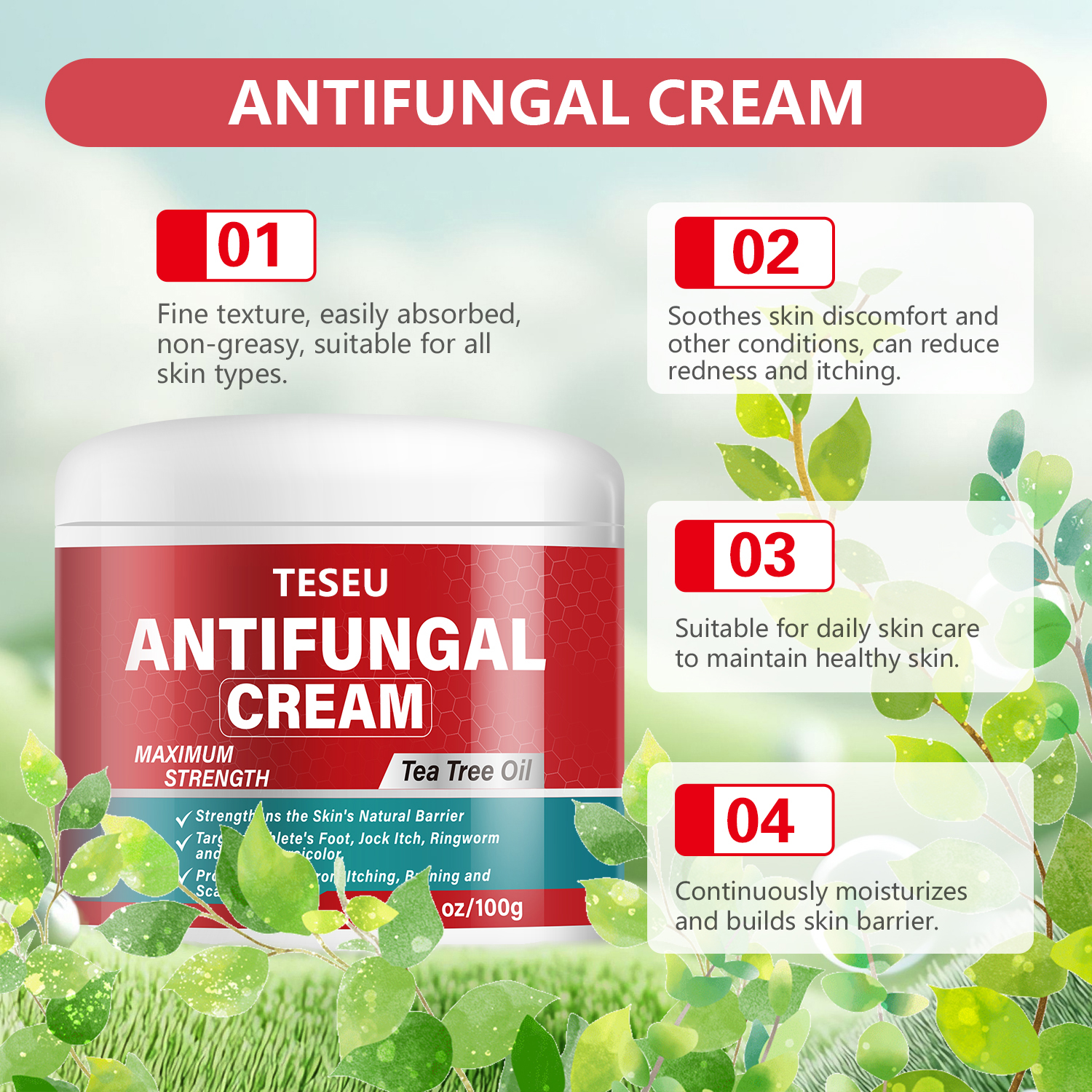
While liquid drops are superior for nail-specific infections, antifungal creams have their place. Creams are highly effective for treating fungal infections of the skin, such as athlete’s foot (tinea pedis) or jock itch. Their formulation is designed to stay on the skin longer, providing a barrier and treating the superficial layers of the epidermis.
In cases where a nail fungus infection coexists with athlete’s foot, a combination approach may be beneficial. One could use liquid drops for the nails and an antifungal cream for the surrounding skin and between the toes. This ensures both conditions are treated with the most appropriate and effective formulation.
What Should You Look for in a High-Quality Liquid Nail Treatment?
Not all liquid treatments are created equal. When selecting a product, it’s crucial to look for specific characteristics that indicate high quality and efficacy. A superior formula should be your top priority.
Seek out solutions that are specifically marketed for their deep-penetrating action, as this is the most critical factor for success. A product like Teseu’s advanced nail solution, which leverages a scientifically-backed formula to carry active ingredients directly to the nail bed, offers a significant advantage. The formulation should contain clinically recognized antifungal agents, whether they are natural or synthetic. Finally, consider ease of use; a product with a simple dropper applicator and a quick-drying formula will make it much easier to stay consistent with your treatment regimen.
How to Correctly Apply Liquid Antifungal Solutions for Maximum Results
To maximize the effectiveness of your chosen liquid treatment, proper application is key. Following a consistent routine will ensure the active ingredients reach their target and work efficiently.
Start by preparing the nail. Gently file the surface of the affected nail to thin it out slightly. This reduces the thickness of the barrier the liquid needs to penetrate. Wash and thoroughly dry the nail and surrounding area. Using the dropper, apply one or two drops directly onto the nail, allowing the liquid to cover the entire surface. Make a special effort to guide the liquid toward the cuticle area and under the tip of the nail. Allow the solution to air dry completely before putting on socks or shoes. For best results, this process should be repeated daily, or as directed by the product’s instructions.
The Importance of Consistency in Nail Fungus Treatment
Regardless of which treatment you choose, no product can work overnight. Nails grow very slowly, and eradicating a deep-seated fungal infection requires patience and diligence. A full course of treatment involves waiting for the infected portion of the nail to be completely replaced by new, healthy growth, a process that can take several months to a year.
This is why choosing a treatment that is easy and comfortable to use is so important. The fast-drying, non-greasy nature of liquid antifungal drops makes them far easier to incorporate into a daily routine than messy creams. By choosing a superior, deeply penetrating liquid formula and applying it consistently, you give yourself the best possible chance of achieving clear, healthy nails and finally resolving the persistent problem of nail fungus.