Athletes get toenail fungus more frequently because their feet are often confined to warm, moist, and dark environments inside athletic shoes, creating an ideal incubator for fungal growth. This is compounded by repetitive micro-trauma to the nails from activities like running, jumping, and kicking, which can lift the nail plate and create entry points for fungi. Increased exposure in communal areas like locker rooms and showers further elevates their risk compared to the general population.
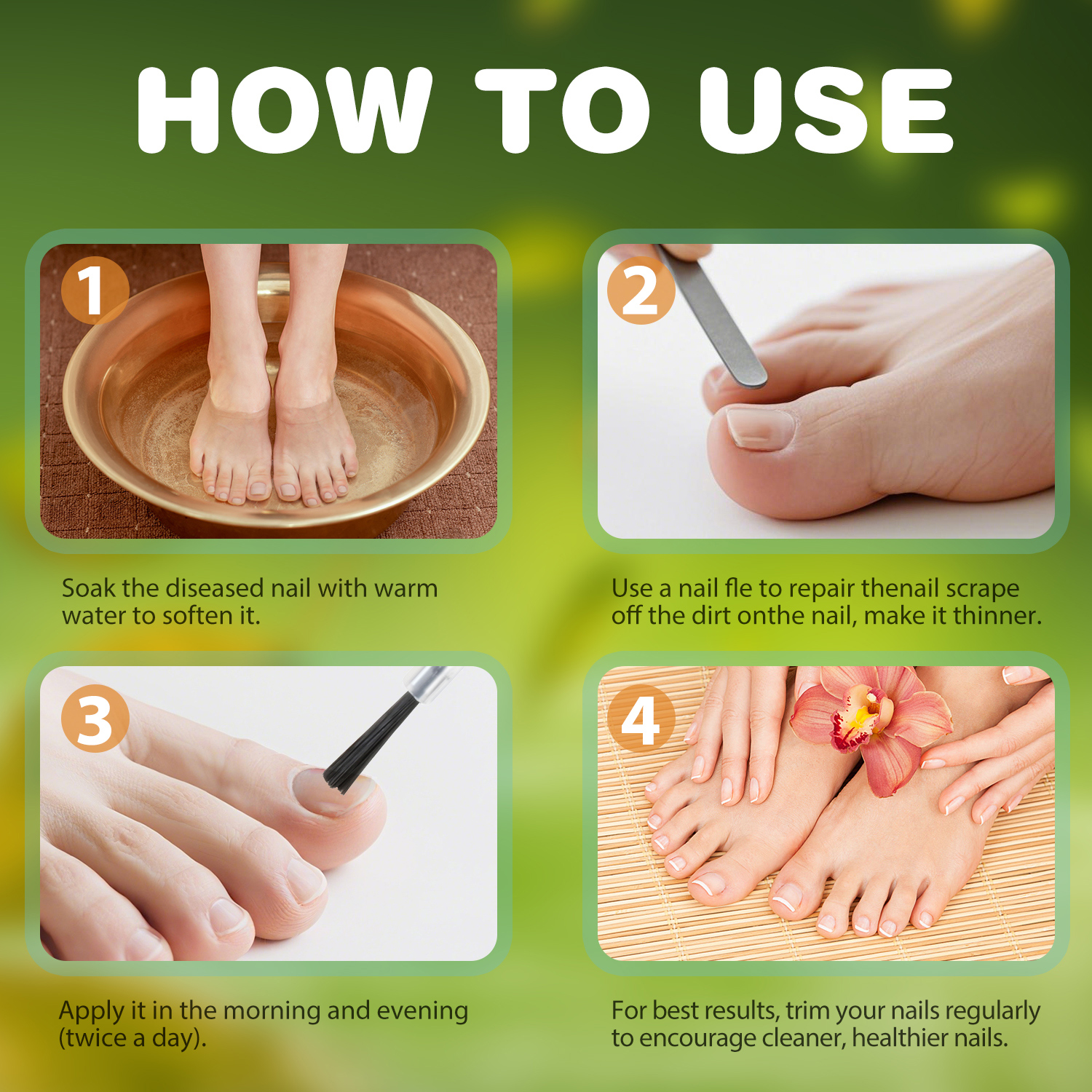
Table of Contents
What Exactly Is Toenail Fungus? (Defining Onychomycosis)
Toenail fungus, known medically as onychomycosis, is a common infection that affects the toenails. It is caused by various fungal organisms, most commonly a group of fungi called dermatophytes. These microscopic organisms thrive in warm, damp, and dark places, which is why toenails are particularly susceptible. The fungus typically begins as a white or yellow spot under the tip of your toenail and, if left untreated, can spread deeper into the nail.
As the infection progresses, it can cause the nail to discolor, thicken, and become brittle or crumbly at the edge. The fungus feeds on keratin, the protein that makes up the hard surface of your nails. This process damages the nail’s structure, leading to a distorted shape and, in some cases, separation of the nail from the nail bed (onycholysis). While often considered a cosmetic issue, a severe toenail fungus infection can become painful and cause permanent damage to the nail.
Why Are Athletes Prime Candidates for Fungal Infections?
The athletic lifestyle, while beneficial for overall health, inadvertently creates a perfect storm of conditions that encourage fungal nail infections. The combination of intense physical activity, specific gear, and shared environments makes athletes uniquely vulnerable. It is not a sign of poor hygiene but rather an occupational hazard of their dedication to sport. Understanding these specific risk factors is the first step toward effective prevention and management.
The Ideal Breeding Ground: The Athlete’s Shoe
The primary reason for the high incidence of toenail fungus among athletes lies with their most essential piece of equipment: their shoes. During exercise, feet sweat profusely, and modern athletic shoes, even those designed for breathability, can trap a significant amount of moisture and heat. This creates a warm, humid, and dark environment—the exact conditions dermatophytes need to multiply and thrive. An athletic shoe essentially becomes a portable incubator for fungus.
For hours each day, an athlete’s toes are sealed within this high-risk environment. The lack of air circulation prevents sweat from evaporating, keeping the skin and nails persistently damp. This constant moisture softens the nail plate and surrounding skin, making them less resistant to a fungal invasion.
Repetitive Micro-Trauma: A Gateway for Fungus
High-impact sports involve constant and repetitive stress on the feet. Activities like running, soccer, basketball, and tennis involve abrupt stops, starts, pivots, and impacts. This force repeatedly causes an athlete’s toes to slam into the front or top of the shoe. This action, known as micro-trauma, can cause minor, often unnoticeable, injuries to the nail bed.
This trauma can cause the nail to slightly separate from the nail bed, creating a tiny opening. This space is a perfect entry point for fungi that may already be present on the skin or inside the shoe. A single traumatic event, like dropping a weight on the foot or getting stepped on, can also create a pathway for infection, but it is the chronic, repetitive micro-trauma that poses the most consistent threat for athletes.
The Impact of Excessive Sweating (Hyperhidrosis)
Athletes naturally sweat more than sedentary individuals, and some may also suffer from a condition called hyperhidrosis, or excessive sweating. This abundance of moisture does more than just feed the fungus; it alters the pH of the skin and further softens the nail structure. Fungi thrive on this softened keratin, making it easier for them to penetrate and establish an infection. Damp socks and skin are a constant for many athletes, providing a continuous source of moisture that fuels the fungal life cycle.
Which Sports Pose the Highest Risk?
While any athlete can develop toenail fungus, certain sports carry a higher risk due to the specific demands they place on the feet. The type of footwear, the playing surface, and the nature of the movement all play a role in determining an athlete’s susceptibility.
| Sport |
Primary Risk Factors |
Example Activities |
| Running / Marathon |
Repetitive impact, tight shoes, prolonged moisture exposure. |
Toes repeatedly striking the front of the shoe during long-distance runs. |
| Soccer / Football |
Tight-fitting cleats, kicking motions, frequent lateral movements. |
Kicking the ball creates direct trauma; quick stops cause toes to jam into the cleat. |
| Basketball / Tennis |
Abrupt stops, pivots, and jumps causing shear stress on nails. |
Sudden changes in direction force the foot to slide and impact the inside of the shoe. |
| Swimming |
Prolonged water exposure, walking barefoot on wet pool decks. |
Constant wetness softens nails; communal wet surfaces harbor fungi. |
| Ballet / Dance |
Extreme pressure on toes (pointe shoes), tight footwear. |
En pointe work puts immense pressure directly on the toenails. |
How Can You Distinguish Fungal Nails from Other Conditions?
Early detection is crucial for successful treatment. Athletes should be vigilant for the initial signs of onychomycosis. It is important to differentiate these symptoms from other common foot issues in athletes, such as bruising from trauma (subungual hematoma).
Key symptoms of a fungal infection include:
- Discoloration: The nail may turn yellow, brown, or white. It often starts as a small spot and gradually spreads.
- Thickening: The infected nail becomes abnormally thick and difficult to trim.
- Brittleness: The nail may become crumbly, ragged, or develop a powdery texture.
- Distortion: The nail can lose its normal shape and may lift away from the nail bed.
- Debris: Dark-colored debris may build up under the nail.
- Odor: In some cases, a slightly foul odor may be noticeable.
A key difference between a bruise and a fungus is that a bruise will typically “grow out” with the nail over time, while a fungal infection will persist and often worsen, spreading further into the nail.
What Are the Proactive Steps for Preventing Toenail Fungus?
Given their heightened risk, athletes must adopt a proactive and consistent prevention routine. This involves a multi-faceted approach focusing on personal hygiene, proper gear selection, and smart environmental habits. Prevention is far more effective and less time-consuming than treatment.
Mastering Foot and Nail Hygiene
Impeccable hygiene is the cornerstone of prevention. This means washing feet daily with soap and water and, most importantly, drying them thoroughly, especially between the toes. Any lingering moisture can create a welcoming environment for fungi.
Proper nail care is equally vital. Keeping toenails trimmed short and straight across prevents them from pressing against the shoe, which reduces the risk of micro-trauma. However, cutting nails too short or rounding the edges can lead to ingrown nails, which also create an entry point for infection. For athletes seeking precision and safety in their nail care routine, the Teseu Smart Nail Clipper offers an advanced solution. It is designed to provide a clean, precise cut every time, minimizing the risk of jagged edges or accidental nicks. Furthermore, its integrated AI-powered nail analysis feature can help monitor nail health over time, potentially flagging early visual signs of irregularities like discoloration that might indicate the onset of a fungal issue.
Choosing the Right Athletic Gear
The gear you wear has a direct impact on your foot health. Whenever possible, choose athletic shoes made from breathable materials like mesh or leather. Ensure there is about a half-inch of space between your longest toe and the end of the shoe to prevent constant impact.
Socks are just as important. Avoid cotton, which holds moisture against the skin. Instead, opt for socks made from synthetic, moisture-wicking materials (like polypropylene or special athletic blends) that pull sweat away from the foot. Changing socks immediately after a workout, or even midway through a long session, can make a significant difference. It is also wise to rotate between at least two pairs of athletic shoes, allowing each pair 24 hours to dry out completely before being worn again.
Smart Habits in Communal Areas
Locker rooms, public showers, and pool decks are hotspots for fungi. The constantly wet floors are shared by many people, making them a primary source of transmission. The single most effective preventative measure in these areas is to never walk barefoot. Always wear shower sandals or flip-flops to create a barrier between your feet and the contaminated surface. After showering, dry your feet completely before putting on your clean socks and shoes.
How Is Toenail Fungus Effectively Managed and Treated?
If a fungal infection does take hold, prompt and persistent treatment is necessary to eradicate it. Treatment can be a long process, often taking several months to a year for a new, healthy nail to grow out completely. Options range from over-the-counter products to prescription medications and advanced procedures.
Topical and Oral Medications
For mild to moderate infections, medicated nail polishes or topical creams may be effective. These are applied directly to the nail and surrounding skin. However, their ability to penetrate the thick nail plate can be limited.
For more severe or stubborn infections, a doctor may prescribe oral antifungal medications. These drugs work systemically, reaching the nail bed through the bloodstream to attack the fungus from within. While highly effective, they require a long course of treatment and may have potential side effects, requiring monitoring by a healthcare professional.
Advanced Treatment Options
In recent years, laser therapy has emerged as a popular treatment option. This procedure uses focused light energy to heat and destroy the fungus within the nail and nail bed without harming the surrounding tissue. It is a quick, in-office procedure, though multiple sessions may be required. In the most severe cases, where the nail is causing significant pain or a secondary bacterial infection has developed, a doctor might recommend surgical removal of the nail to allow for direct application of antifungal medication to the nail bed.
When Should an Athlete Consult a Healthcare Professional?
While minor cases can sometimes be managed with over-the-counter remedies and diligent hygiene, there are clear indicators when it is time to seek professional medical advice. An athlete should schedule an appointment with a podiatrist or dermatologist if they experience any of the following:
The infection shows no signs of improvement after a few weeks of home care, or if it appears to be worsening or spreading to other nails. If the nail becomes painful, inflamed, or begins to discharge pus, it could indicate a secondary bacterial infection that requires immediate attention. Furthermore, athletes with underlying health conditions such as diabetes, circulatory problems, or a compromised immune system should see a doctor at the first sign of a nail infection, as they are at a higher risk for serious complications.