Dermatologists recommend treating the skin surrounding a rash because the visible lesion is often just the “tip of the iceberg.” The seemingly healthy adjacent skin frequently harbors subclinical inflammation or underlying pathology that is not yet visible. This proactive approach, known as field treatment, targets the root cause across the entire affected area to prevent the condition from spreading, reduce the frequency of flare-ups, and achieve more durable, long-lasting results.

Table of Contents
The “Iceberg” Principle in Dermatology: More Than Meets the Eye
When you see a rash, plaque, or lesion on your skin, you are only observing the most obvious manifestation of a deeper dermatological issue. Medical professionals often use the “iceberg principle” to explain this phenomenon. The visible spot is the small tip of the iceberg showing above the water, while the larger, more significant mass of the problem lies unseen beneath the surface of the skin. This hidden part consists of inflammation, cellular changes, and immune system activity that extends into the surrounding, healthy-appearing tissue.
Focusing treatment solely on the visible lesion is like chipping away at the tip of the iceberg without addressing the massive foundation below. While this might provide temporary cosmetic improvement, the underlying inflammatory process in the adjacent skin will inevitably cause the rash to return, expand, or appear in new spots nearby. Therefore, a successful management strategy must account for the entire affected region, not just the part you can see.
What is Subclinical Inflammation? The Unseen Driver of Skin Disease
Subclinical inflammation is the core reason why dermatologists advocate for treating the area around a visible rash. It refers to a low-grade inflammatory response occurring in skin that appears completely normal to the naked eye. Although there is no visible redness, scaling, or irritation, microscopic analysis of this “uninvolved” skin reveals the presence of inflammatory cells, activated immune pathways, and other markers of disease activity.
In chronic conditions like psoriasis and eczema, this subclinical inflammation acts as a smoldering fire, ready to erupt into a full-blown, visible flare-up with the right trigger. The skin might feel healthy, but it is biochemically primed for disease. By extending treatment to this perilesional skin, dermatologists can extinguish these hidden inflammatory embers, creating a more stable and resilient skin barrier and significantly lowering the risk of recurrence.
How Does Proactive Treatment Affect Common Inflammatory Conditions?
Applying the principle to treat surrounding skin is not a one-size-fits-all concept; its importance varies depending on the specific skin condition. For many chronic and infectious dermatoses, this comprehensive approach is the standard of care.
Managing Psoriasis: Beyond the Visible Plaque
Psoriasis is a classic example of a condition with significant subclinical inflammation. The skin surrounding a psoriatic plaque is not truly “normal.” It contains activated T-cells and other immune markers characteristic of the disease. Treating only the thick, scaly plaque and ignoring this surrounding field is a recipe for quick relapse. Extending topical treatments or using therapies that cover a broader area helps to normalize the immune environment in the perilesional skin, preventing the plaque from expanding and reducing the likelihood of new lesions forming, a process often triggered by minor skin trauma (the Koebner phenomenon).
Calming Eczema (Atopic Dermatitis) Flares More Effectively
Atopic dermatitis, or eczema, is characterized by a compromised skin barrier and an overactive immune response. The notorious “itch-scratch cycle” is a primary driver of the condition. Even after a visible eczema patch has healed, the surrounding skin often remains subclinically inflamed and highly susceptible to irritation. This is why a person with eczema might find that a new rash appears right next to an old, resolved one. Applying moisturizers and prescribed anti-inflammatory treatments to a wider area helps restore the skin barrier, reduce underlying inflammation, and break the cycle before a new flare can begin.
Containing Fungal and Infectious Rashes
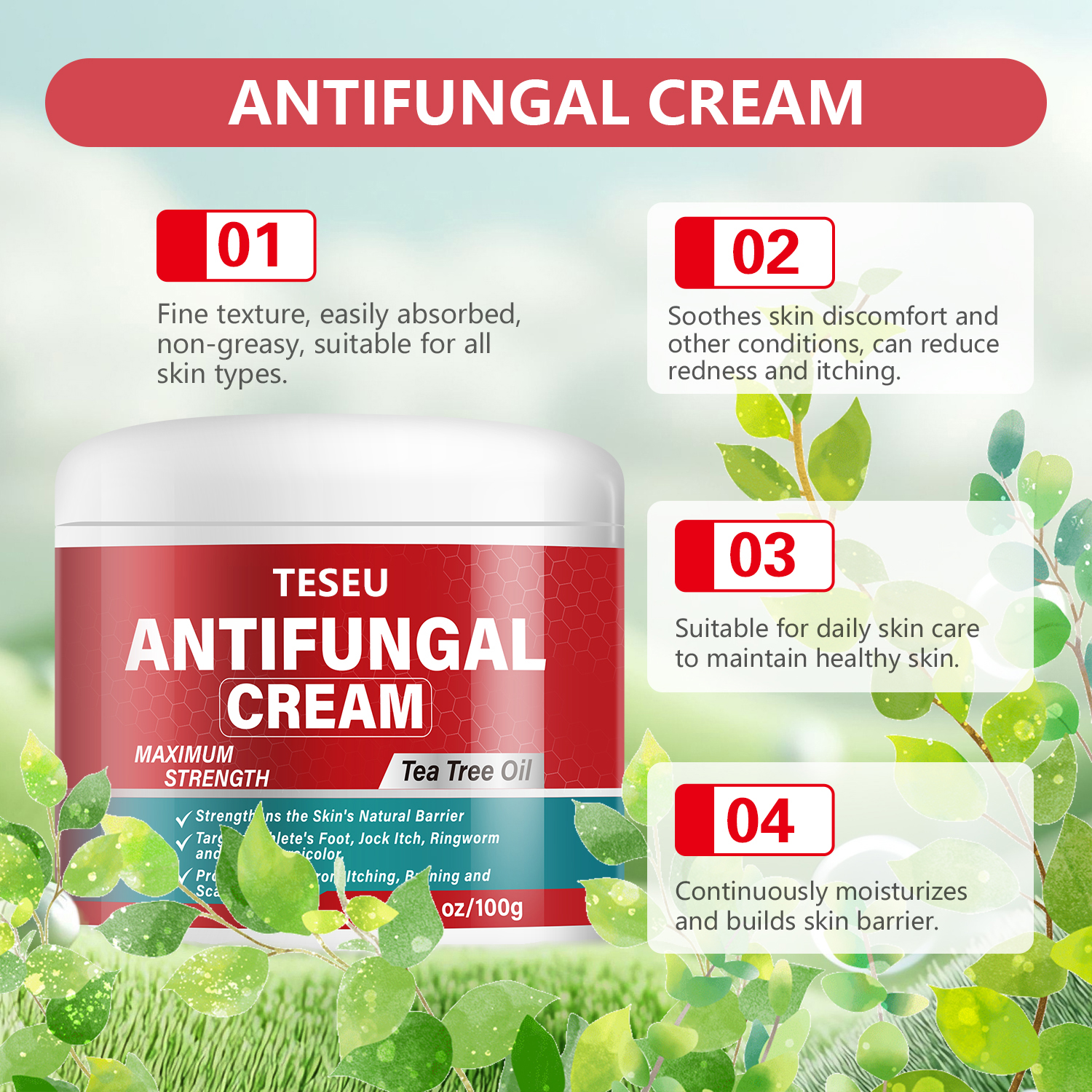
With fungal infections like ringworm (tinea corporis), the visible red ring does not represent the full extent of the infection. Fungal elements, known as hyphae, grow outward under the skin like the roots of a plant. The most active area of growth is often at the leading edge, but microscopic fungi are present in the seemingly clear skin both inside and outside the ring. Applying antifungal cream in a wide margin around the visible lesion is crucial to eradicate the entire organism and prevent it from simply re-emerging from the untreated periphery.
What is “Field Cancerization” in Sun-Damaged Skin?
The concept of treating a wider area is critically important in the context of sun damage and skin cancer prevention. The term “field cancerization” describes a phenomenon where a large area of skin—such as the face, scalp, or forearms—that has been chronically exposed to ultraviolet (UV) radiation develops widespread genetic mutations. This entire “field” is damaged and at high risk for developing precancerous spots (actinic keratoses) and skin cancers (basal cell or squamous cell carcinomas).
When a dermatologist identifies one actinic keratosis, they recognize that the surrounding sun-exposed skin is likely riddled with similar, not-yet-visible precancerous changes. Simply freezing or removing that single spot is insufficient. True prevention requires “field therapy” to treat the entire area. This may involve treatments like photodynamic therapy (PDT), topical chemotherapy creams (e.g., 5-fluorouracil), or immunomodulators (e.g., imiquimod) applied across the whole field to eliminate both visible and subclinical lesions.
Comparing Treatment Approaches: Lesion-Only vs. Field Treatment
Understanding the fundamental differences in treatment philosophy highlights why the field-based approach is superior for long-term management of many skin conditions.
| Feature |
Lesion-Only Treatment |
Field Treatment (Including Surrounding Skin) |
| Primary Goal |
Clear the visible rash or lesion quickly. |
Clear visible lesions and address underlying subclinical disease. |
| Focus |
Reactive; treats the symptom. |
Proactive; treats the root cause and prevents recurrence. |
| Long-Term Outcome |
High likelihood of rapid recurrence or spread. |
Longer remission periods and better overall disease control. |
| Example Application |
Applying steroid cream only to a single psoriatic plaque. |
Applying the same cream to the plaque and a 2-inch margin around it. |
What Are the Methods for Treating an Entire Affected Skin Field?
Dermatologists have several tools to effectively implement field treatment, chosen based on the condition, its severity, and the size of the affected area.
- Broad Topical Application: The simplest method is instructing the patient to apply medicated creams, ointments, or lotions not just on the rash but also on a significant border of the surrounding normal-appearing skin.
- Systemic Medications: For severe or widespread diseases like moderate-to-severe psoriasis, oral or injectable medications (biologics) work from the inside out. They circulate throughout the body and suppress the systemic inflammation that drives the skin disease everywhere, addressing both clinical and subclinical manifestations simultaneously.
- Phototherapy: Light therapy is an exceptionally effective method for field treatment. It involves exposing the skin to specific wavelengths of ultraviolet light, which has a natural anti-inflammatory and immunomodulatory effect. For widespread conditions like psoriasis or vitiligo, treating large body surface areas with creams is impractical. Phototherapy can efficiently and uniformly treat entire regions. Advanced at-home phototherapy solutions, such as the handheld and targeted devices developed by Teseu, empower patients to consistently manage their condition by treating both visible lesions and the surrounding at-risk skin, enhancing the proactive management of chronic skin disease.
The Skin Microbiome’s Role in Widespread Conditions
The skin is home to a complex ecosystem of microorganisms known as the skin microbiome. In healthy skin, this community is balanced and contributes to the skin’s protective barrier. In conditions like atopic dermatitis and rosacea, this balance is disrupted—a state called dysbiosis. This imbalance is not confined to the visible rash; it often extends across a wider field. Treating the entire area can help restore a healthier microbial balance, which is an important component of re-establishing normal skin function and reducing inflammation.
Why Full Adherence to Your Dermatologist’s Plan is Critical
A dermatologist’s instruction to treat the skin surrounding a rash is a deliberate, evidence-based strategy for achieving long-term skin health. It is tempting for patients to stop treatment as soon as the visible rash disappears. However, doing so ignores the persistent subclinical inflammation and almost guarantees a swift return of the condition.
Following the treatment plan exactly as prescribed—including treating the specified margin of “healthy” skin for the full recommended duration—is non-negotiable for effective management. This disciplined approach ensures that both the visible symptoms and their invisible drivers are fully addressed. Trusting in this comprehensive strategy is the key to breaking the cycle of flare-ups and maintaining clear, healthy skin for the long term.