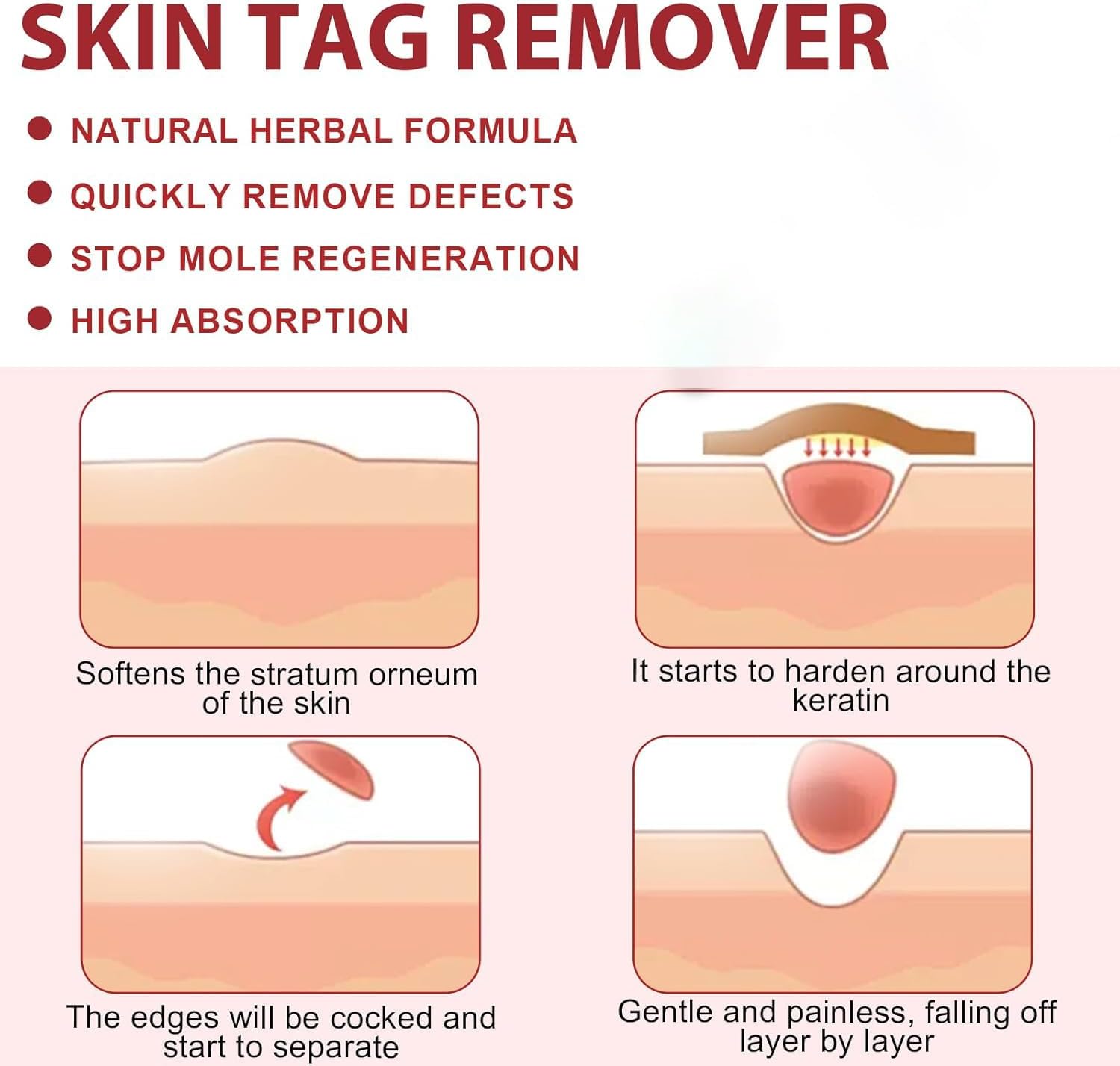
Featured Snippet: Skin tags, medically known as acrochordons, commonly develop in areas with frequent skin friction because the constant mechanical rubbing is believed to stimulate the overgrowth of skin cells. This chronic irritation prompts an increased production of collagen fibers and blood vessels, which then get trapped and bundled together within small, outpouchings of skin, resulting in the formation of these benign, soft growths.
Table of Contents
Often appearing without warning, skin tags are one of the most common dermatological occurrences. These small, soft, flesh-colored or slightly darker growths hang off the skin from a thin stalk called a peduncle. They are fundamentally benign (non-cancerous) tumors of the skin that consist of a core of collagen fibers, nerve cells, and small blood vessels encased in the epidermis. Their texture is typically smooth or slightly wrinkled, and they are movable to the touch.
Defining Acrochordons
The medical term for a skin tag is acrochordon, or sometimes fibroepithelial polyp. This name reflects its composition: fibrous tissue (fibro) and skin (epithelial). They can range in size from a tiny speck, smaller than a grain of rice, to the size of a large grape. While they can appear anywhere on the body, their preference for specific areas is a major clue to their primary cause.
Common Misconceptions vs. Medical Facts
It is important to differentiate skin tags from other skin growths. Unlike warts, which are caused by the human papillomavirus (HPV) and have a rough, cauliflower-like surface, skin tags are not contagious. They are also distinct from moles (nevi), which are typically darker, can be flat or raised, and have a different cellular structure. A key difference is that skin tags hang from the skin, whereas most moles are flush with it or form a more uniform bump.
The prevailing medical theory points directly to mechanical friction as a primary catalyst for skin tag development. In areas where skin rubs against skin or clothing, the body initiates a specific response to the chronic, low-grade irritation. This process is not a sign of disease but rather a localized over-reaction of normal skin components.
The Biological Response to Rubbing
When skin is repeatedly rubbed, it can lead to a state of mild, chronic inflammation. In response to this mechanical stress, skin cells, particularly keratinocytes (the primary cells of the epidermis) and fibroblasts (cells that synthesize collagen), can be triggered into a hyper-proliferative state. Essentially, the body attempts to reinforce the irritated area, but in the case of skin tags, this process becomes disorganized. Instead of just creating thicker, more resilient skin, it results in an outward growth.
Collagen and Blood Vessel Overproduction
The core of a skin tag is primarily loose collagen fibers. The friction is thought to stimulate fibroblasts to produce this collagen in excess. At the same time, the body forms new, tiny blood vessels (a process called angiogenesis) to supply the growing tissue. These elements become jumbled and pushed outward, creating the soft, sac-like structure that is characteristic of an acrochordon. This explains why a skin tag may bleed if it is twisted or cut, as it has its own blood supply.
The location of skin tags provides the strongest evidence for the friction theory. They almost exclusively develop in body folds and areas subject to constant rubbing. Understanding these zones helps in identifying potential growths and managing discomfort.
A Map of High-Friction Zones on the Body
The most common locations for skin tags are intertriginous areas—where skin touches skin. These warm, moist environments are perfect grounds for friction.
| Body Area |
Source of Friction |
| Neck |
Skin-on-skin rubbing, collars, necklaces |
| Armpits (Axillae) |
Arm movement creating constant skin-on-skin friction |
| Groin/Inner Thighs |
Walking, movement, tight clothing |
| Under the Breasts |
Pressure and movement from the breast and bra bands |
| Eyelids |
Natural folding and rubbing of the delicate eyelid skin |
| Body Folds |
Any area where skin folds onto itself, especially with weight gain |
The Role of Clothing and Jewelry
Friction is not limited to skin-on-skin contact. External factors play a significant role. Tight-fitting clothing, restrictive collars, and even jewelry like necklaces that rub against the neck continuously can create the precise kind of chronic irritation that encourages skin tag development. People who frequently wear starched collars or heavy necklaces might notice a higher incidence of skin tags in those specific contact areas.
Who Is More Susceptible to Developing Skin Tags?
While friction is the trigger, certain individuals are more predisposed to forming skin tags than others. A combination of genetics, body composition, and hormonal factors can significantly increase one’s likelihood of developing them.
The Genetic Predisposition Factor
Genetics play a clear role. If your close family members have skin tags, you have a statistically higher chance of developing them as well. This suggests that certain inherited traits related to skin structure and its response to friction are passed down through generations. The Birt-Hogg-Dubé syndrome, a rare genetic condition, is characterized by numerous skin tags, further solidifying the genetic link.
How Weight and Body Composition Play a Role
Individuals who are overweight or obese have a much higher incidence of skin tags. This is directly related to the primary cause: friction. Increased body weight creates more and deeper skin folds, leading to more extensive areas of skin-on-skin contact. The neck, groin, and armpits are particularly affected, which is why these are common sites for acrochordons in this demographic.
Hormonal Influences: Pregnancy and Beyond
Hormonal fluctuations are another key contributor. Pregnant women often experience a sudden increase in the number and size of skin tags. This is attributed to elevated levels of growth factors and hormones like estrogen and progesterone. These hormones can stimulate the proliferation of epidermal cells, making the skin more susceptible to forming growths in response to friction.
Is There a Link Between Skin Tags and Underlying Health Conditions?
The appearance of multiple skin tags can sometimes be more than just a cosmetic issue; it may serve as a cutaneous marker for certain metabolic conditions. Recognizing this connection is vital for a holistic approach to health.
The Connection to Insulin Resistance and Diabetes
One of the most significant correlations identified in medical research is the link between multiple skin tags and insulin resistance. Insulin is a hormone that helps regulate blood sugar, but it also functions as a growth factor. When a person is insulin resistant (the precursor to Type 2 diabetes), their body produces higher levels of insulin to compensate. This condition, known as hyperinsulinemia, is thought to directly stimulate the growth of skin cells, leading to the formation of skin tags. Their presence, especially in large numbers, can be an external sign of an internal metabolic issue.
Metabolic Syndrome and Skin Manifestations
Skin tags are considered a common dermatological sign of metabolic syndrome—a cluster of conditions that include high blood pressure, high blood sugar, excess body fat around the waist, and abnormal cholesterol levels. The presence of numerous acrochordons should prompt a conversation with a healthcare provider about screening for these interconnected health risks.
Diagnosing skin tags is typically a straightforward process for a medical professional. A dermatologist or general practitioner can usually identify them with a simple visual examination. Their characteristic appearance—soft, easily movable, flesh-colored, and attached by a stalk—makes them easy to distinguish from other skin lesions.
In very rare cases, if a growth has an unusual color (like dark brown or black), has changed in appearance, is bleeding, or has a broad base, a doctor might perform a biopsy. This involves removing the growth and sending it to a lab for microscopic examination to rule out other conditions, such as skin cancer. However, for the vast majority of acrochordons, a biopsy is unnecessary.
Can Irritated Skin Tags Cause Complications?
While medically benign, skin tags can become a source of discomfort and irritation. Their stalk-like structure makes them prone to being caught on clothing, jewelry, or seatbelts, or being irritated by shaving. When this happens, a skin tag can become inflamed, sore, and red. In some cases, the stalk may twist on itself (torsion), cutting off its own blood supply. This can cause the skin tag to turn dark red, purple, or black and eventually fall off, but the process can be painful.
Managing Discomfort from Snagged or Twisted Skin Tags
If a skin tag becomes irritated, it is important to keep the area clean to prevent infection. You can gently wash it with soap and water and keep it dry. If the irritation persists or there is bleeding, seeking medical advice is recommended. For managing the resulting redness and discomfort on the surrounding skin, prioritizing skin barrier support is essential. Products formulated for sensitive or compromised skin, like the TESEU Soothing Repair Serum, can help calm the area and reduce inflammation with its targeted peptide and plant-based ingredients.
What Are the Professional Methods for Skin Tag Removal?
For those who wish to remove skin tags for cosmetic reasons or due to irritation, several safe and effective methods are available from a qualified medical professional. It is crucial that removal is performed in a sterile environment to prevent complications.
Cryotherapy (Freezing)
In this procedure, a dermatologist applies liquid nitrogen to the skin tag using a spray device or a cotton swab. The extreme cold freezes and destroys the cells within the tag, causing it to shrivel and fall off within one to two weeks.
Electrosurgery (Burning)
Also known as electrocautery, this method uses a high-frequency electrical current to burn off the skin tag at its base. It is a very quick and effective procedure that simultaneously cauterizes the wound to prevent bleeding.
Surgical Excision (Cutting)
With this method, a doctor uses a sterile scalpel or surgical scissors to snip off the skin tag. This provides immediate removal. For larger skin tags, a local anesthetic may be applied to numb the area beforehand. This is a precise method often favored for larger growths.
Are At-Home Removal Kits Safe?
A quick search online reveals a plethora of at-home skin tag removal products, from freezing kits and topical creams to ligation bands that cut off blood supply. However, medical professionals strongly advise against these DIY methods for several critical reasons. First and foremost is the risk of misdiagnosis. What you believe is a harmless skin tag could potentially be a more serious growth, like a neurofibroma or even a form of skin cancer. Only a trained eye can make that distinction.
Furthermore, attempting removal at home creates a significant risk of infection, uncontrolled bleeding, and permanent scarring. The chemicals in some creams can cause burns and discoloration on the surrounding skin. Trying to cut or tie off a skin tag in a non-sterile environment can introduce bacteria into the wound. The safest course of action is always to consult a doctor for both diagnosis and removal.
While it may not be possible to completely prevent skin tags, especially if you have a genetic predisposition, there are lifestyle adjustments that can help reduce their formation by targeting the primary trigger: friction.
Lifestyle Adjustments for Friction Reduction
Managing factors that contribute to skin-on-skin rubbing is the most effective strategy. This includes weight management to reduce the number and depth of skin folds. Wearing loose-fitting clothing made from soft, breathable materials can also minimize irritation from fabric. Being mindful of jewelry, such as avoiding heavy necklaces that constantly rub against the neck, can also help.
The Role of a Consistent Skincare Routine
Maintaining healthy, resilient skin may also play a role. Well-hydrated and strong skin is better equipped to handle external stressors. A consistent skincare routine focused on strengthening the skin barrier can be beneficial. Incorporating a deeply hydrating and fortifying product, such as the TESEU Total Repair Gel Mask, can help improve skin’s overall health and resilience. By supporting the skin’s natural structure and function, you may help mitigate the cellular over-reaction that leads to these growths.