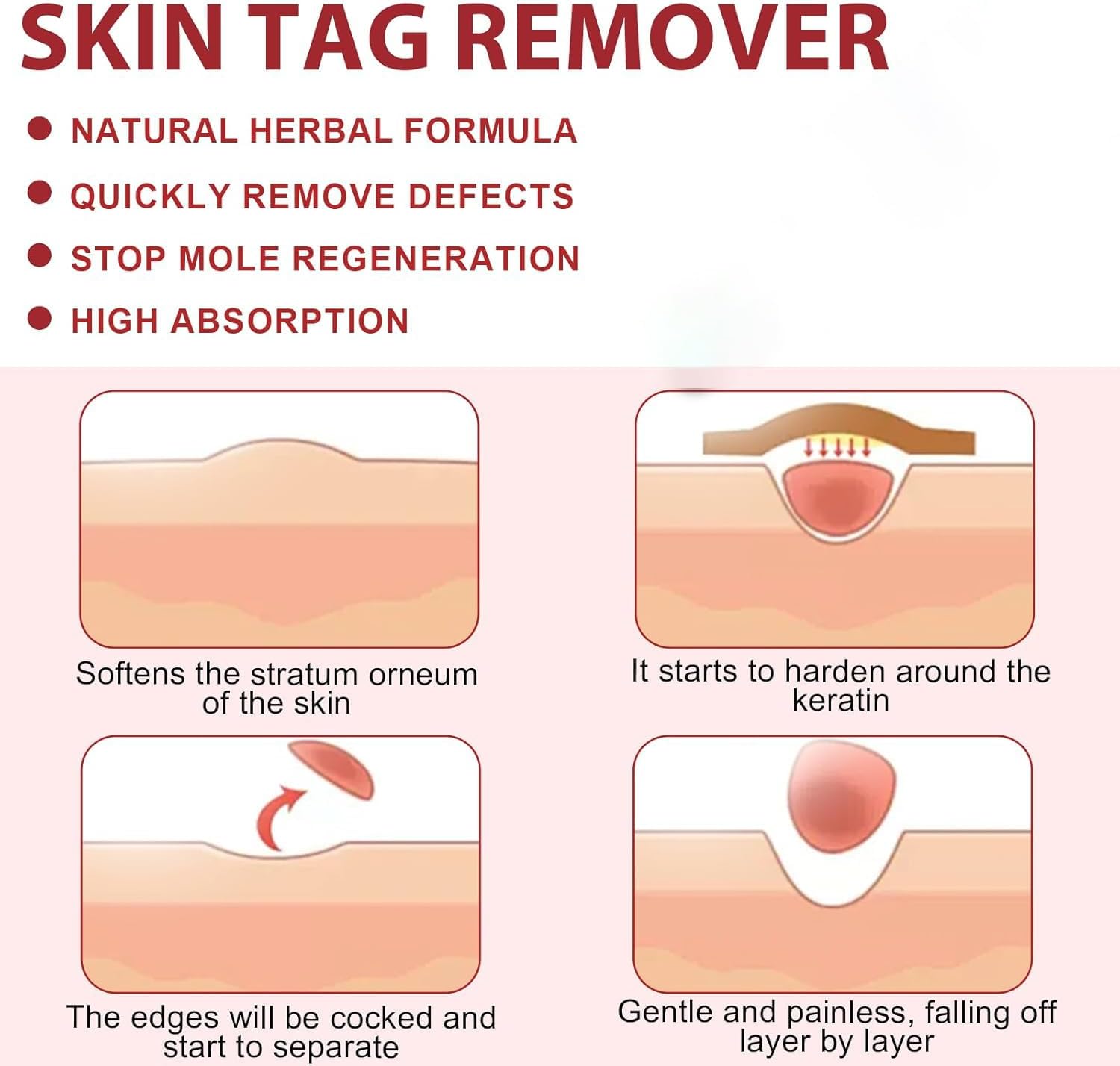
Warts spread easily through direct physical contact because they are caused by various strains of the Human Papillomavirus (HPV). This virus thrives in warm, moist environments and can enter the body through tiny cuts or breaks in the skin. When an individual touches a wart on their own body (autoinoculation) or makes skin-to-skin contact with someone who has a wart, the virus can be transferred, leading to new growth. The viral particles shed from the surface of a wart can contaminate surfaces, making indirect contact a common route for transmission as well.
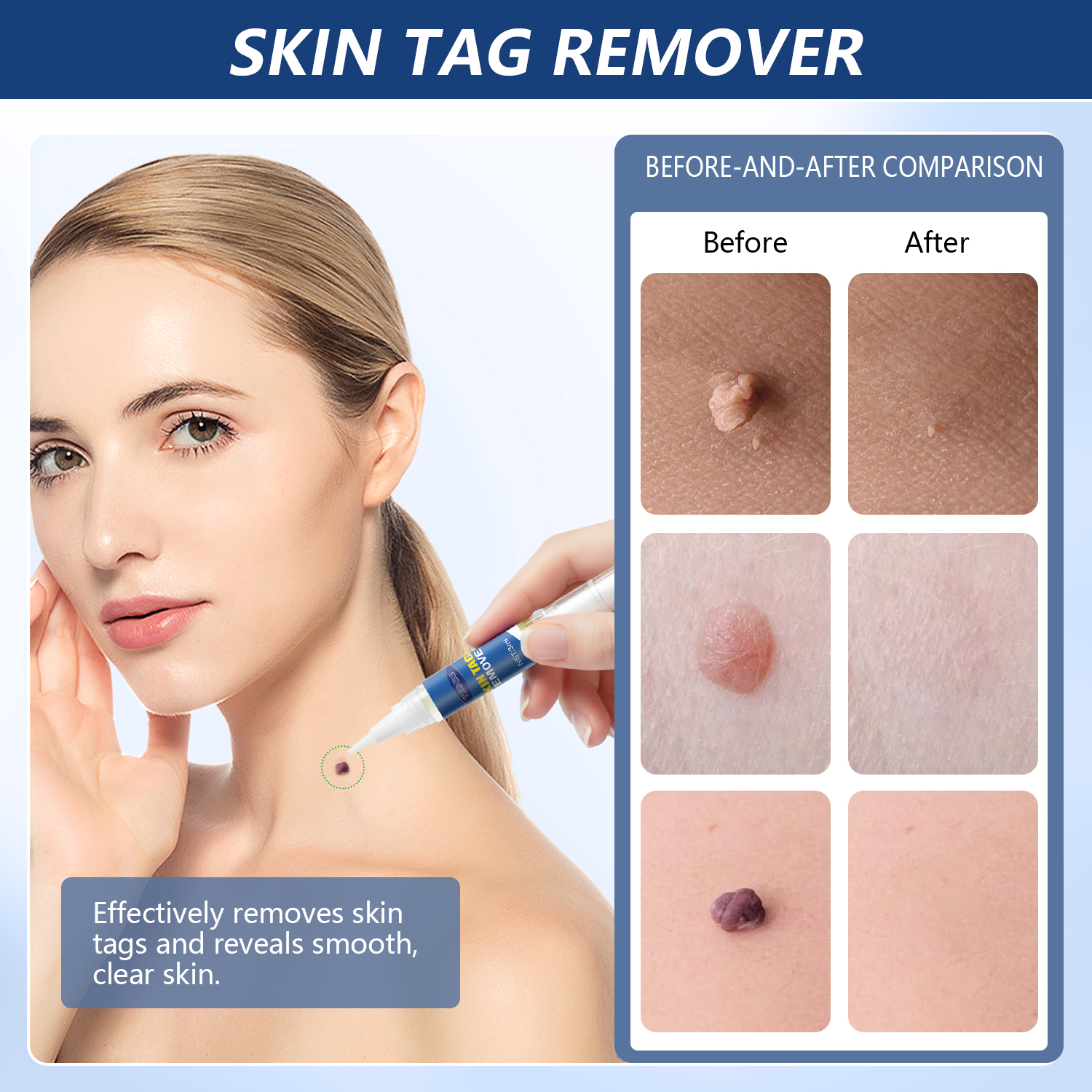
Table of Contents
What Exactly Are Warts and What Causes Them?
Warts are small, non-cancerous growths that appear on the skin when it becomes infected with one of the many strains of the Human Papillomavirus (HPV). This virus stimulates the top layer of skin to grow rapidly, resulting in the formation of a raised, often rough-textured bump. While they can appear anywhere on the body, they most commonly develop on the hands and feet.
There are over 100 different types of HPV, and specific types tend to cause warts in particular areas. For example:
- Common Warts (Verruca vulgaris): Often seen on fingers and toes, these have a rough, grainy appearance.
- Plantar Warts (Verruca plantaris): These grow on the soles of the feet and can be painful due to the pressure of walking.
- Flat Warts (Verruca plana): Smoother and smaller than other types, they tend to appear in large numbers, often on the face or legs.
- Filiform Warts: These have a long, thread-like shape and typically grow around the mouth, nose, or eyes.
The core reason warts are contagious is that they are a viral infection. The HPV particles are present within the wart and are continuously shed from its surface, ready to infect new areas of skin or new individuals.
The primary mechanism for wart transmission is direct physical contact. When your skin touches a wart on another person, the HPV can be transferred. However, contact alone isn’t always enough to cause an infection. The virus needs an entry point. This is where the condition of your skin plays a crucial role.
HPV is opportunistic, meaning it exploits weaknesses in the skin’s natural defenses. Microscopic tears, cuts, scratches, or abrasions—even those too small to see—provide the perfect gateway for the virus to penetrate the outer layer of skin (the epidermis). Once inside, it begins to replicate, leading to the formation of a new wart. This process can take several weeks or even months, which is why you may not notice a new wart immediately after exposure.
What is Autoinoculation and How Does It Spread Warts?
Autoinoculation is the process of spreading the virus from one part of your body to another. This is a very common reason why people who have one wart often develop more. If you scratch, pick at, or even touch a wart, you can easily pick up viral particles on your fingertips or under your nails. Then, by touching or scratching another area of your body, you effectively “re-plant” the virus, creating a new site of infection.
This is particularly common in areas that are frequently shaved. Shaving can create tiny nicks in the skin. If you shave over a wart on your leg or face, the razor can pick up HPV particles and spread them along the path of the shave, resulting in a line or cluster of new flat warts. Biting your fingernails or picking at hangnails is another frequent cause of warts spreading around the fingers.
Yes, you can acquire the wart virus without ever making direct skin-to-skin contact with an infected person. This is known as indirect contact or fomite transmission. The HPV that causes warts is surprisingly resilient and can survive for a period on inanimate objects and surfaces, especially those that are warm and moist.
Common environments for indirect transmission include:
- Public Showers and Locker Rooms: Damp floors in gyms, pools, and dormitories are notorious breeding grounds. Walking barefoot exposes tiny cuts on your feet to the virus shed from other people’s plantar warts.
- Shared Towels or Razors: Using a towel or razor that has been in contact with a wart can easily transfer the virus to your skin.
- Gym Equipment: Shared yoga mats or weight-lifting equipment can harbor the virus if not cleaned properly between users.
This is why maintaining good personal hygiene and using protective footwear in public wet areas are critical preventative measures. The virus lingers on these surfaces, waiting for an opportunity to find a new host.
Who is More Susceptible to Getting and Spreading Warts?
While anyone can get warts, certain individuals are at a higher risk of infection and of spreading them. The strength of a person’s immune system is a significant factor. A robust immune response can often fight off HPV before it takes hold, or it can help clear an existing wart more quickly.
| High-Risk Group |
Reason for Increased Susceptibility |
| Children and Teenagers |
Their immune systems are still developing. They are also more likely to have cuts and scrapes from playing and may have more frequent close physical contact with others. |
| Immunocompromised Individuals |
People with weakened immune systems due to medical conditions (like HIV/AIDS) or medications (like immunosuppressants after an organ transplant) have a harder time fighting off the virus. |
| People with Eczema or Dry Skin |
Conditions that compromise the skin’s barrier function create more entry points for the HPV virus. Cracks in dry skin act as open doors for infection. |
| Individuals who bite their nails or pick at their skin |
These habits create open sores and constantly transfer potential viruses from the hands to the mouth and other areas of the body. |
If you fall into one of these categories, being extra vigilant about prevention is especially important. A weakened skin barrier or immune system makes you a prime target for the stubborn HPV.
Why Do Certain Body Parts Seem to Spread Warts More Easily?
Warts on the hands and feet are particularly prone to spreading. The reason is rooted in how we use these body parts daily. Our hands are in constant contact with our own bodies, other people, and countless surfaces. This makes them the ultimate vehicle for both autoinoculation and direct transmission to others.
Feet, on the other hand, are often in warm, sweaty environments like socks and shoes. This moisture can soften the skin and help the virus thrive. Plantar warts, found on the soles of the feet, are constantly shedding viral particles onto floors, especially in damp areas like locker rooms and pool decks, making them a significant source of indirect transmission.
How Does HPV Shed from an Existing Wart?
A wart is not just a bump of skin; it is a small factory for the Human Papillomavirus. The virus infects the basal cells in the deepest layer of the epidermis. As these infected cells mature and move toward the skin’s surface, they carry the virus with them. The outermost layer of a wart is composed of dead skin cells that are packed with infectious HPV particles.
These viral-laden cells are constantly being shed from the surface of the wart through normal friction and contact. Every time the wart brushes against skin, clothing, or a surface, it can leave behind thousands of viral particles. This continuous shedding is why warts are so persistently contagious, even if they don’t look irritated or are not bleeding.
How Long Are Warts Contagious?
A wart is contagious for as long as it is present on the skin. From the moment it appears until it is completely resolved, a wart is actively shedding the HPV. The incubation period—the time between exposure to the virus and the appearance of a wart—can be quite long, ranging from two to six months, and in some cases, even longer. This makes it difficult to pinpoint exactly when and where you were infected.
Furthermore, it is possible to be a carrier of HPV without showing any visible warts. The virus can lie dormant in the skin cells. This means that even after a wart disappears, either on its own or through treatment, there’s a chance it could recur in the same spot if the virus wasn’t completely eliminated. For this reason, thorough treatment is essential.
What Are the Best Ways to Prevent Spreading Warts?
Prevention is key to managing warts. Whether you are trying to avoid getting them in the first place or preventing the ones you have from spreading, practicing good hygiene and taking simple precautions can make a huge difference.
Personal Hygiene Strategies to Stop the Spread
- Avoid Touching Warts: Do not pick, scratch, or bite your warts or the warts of others.
- Wash Hands Thoroughly: Wash your hands carefully after touching a wart.
- Keep Skin Dry and Healthy: Dry your hands and feet well, as the virus thrives in moisture. Moisturize to prevent cracks in the skin.
- Do Not Share Personal Items: Avoid sharing towels, razors, nail clippers, socks, or shoes.
- Cover Warts: Use a bandage or athletic tape to cover existing warts, especially during activities involving physical contact or when visiting a gym.
Taking Precautions in Public Environments
- Wear Footwear in Public Areas: Always wear flip-flops or shower shoes in public showers, locker rooms, and around swimming pools.
- Clean Shared Equipment: Wipe down gym equipment or yoga mats before and after use.
Why is Treating Warts Important for Stopping the Spread?
While some warts may eventually go away on their own, this can take months or even years. Throughout that entire time, they remain contagious to you and to others. Treating warts is the most effective way to stop the viral shedding and eliminate the risk of transmission. Effective treatment targets the wart tissue and the HPV within it.
By actively treating warts, you are not just addressing a cosmetic issue; you are taking a crucial step in breaking the cycle of infection. For those seeking a powerful and precise solution, the TESEU VERRUCA REMOVAL PEN offers an advanced method for targeting wart tissue directly at home. Its formulation is designed to effectively kill the virus, helping to prevent both autoinoculation and the spread to others. Prompt and thorough treatment is your best defense against the highly contagious nature of warts.