To permanently eliminate athlete’s foot, you must treat both your feet and your shoes simultaneously. Fungal spores thrive in the dark, damp environment of your footwear, creating a reservoir for reinfection. Treating only your skin allows these spores to re-contaminate your feet as soon as you put your shoes back on, leading to a frustrating cycle of recurring infections. This two-front approach is the only way to break the cycle and achieve lasting relief.
- Understanding Athlete’s Foot: The Persistent Fungal Intruder
- The Vicious Cycle of Reinfection: Why Your Feet Aren’t the Only Problem
- Where Does Fungus Hide? The Ideal Breeding Ground Inside Your Shoes
- Step 1: Effectively Treating the Infection on Your Feet
- Step 2: Declaring War on Fungus in Your Footwear
- Why Treating Only Your Feet is a Strategy Doomed to Fail
- How Do You Disinfect Shoes to Prevent Athlete’s Foot Recurrence?
- Creating a Hostile Environment for Fungus: Daily Prevention Habits
- What Happens if Athlete’s Foot is Left Untreated in Shoes?
- Choosing the Right Footwear to Minimize Fungal Risk
- When Should You See a Doctor for Persistent Foot Fungus?
Understanding Athlete’s Foot: The Persistent Fungal Intruder
Athlete’s foot, known medically as tinea pedis, is a common and contagious skin infection caused by a type of fungus called a dermatophyte. These microscopic organisms feed on keratin, a protein found in your hair, nails, and the outer layer of your skin. The name is a bit of a misnomer; you don’t have to be an athlete to contract it. Anyone whose feet are frequently damp or sweaty is at risk.
The infection typically begins between the toes, where moisture is easily trapped. Symptoms often include intense itching, stinging, and burning sensations. You may also notice cracking, peeling, or blistering skin, particularly between the toes and on the soles of your feet. The affected skin can appear red, scaly, and in severe cases, may develop painful fissures that can lead to secondary bacterial infections. Recognizing these signs is the first step toward seeking an effective athlete’s foot treatment.
The Vicious Cycle of Reinfection: Why Your Feet Aren’t the Only Problem
One of the most frustrating aspects of tinea pedis is its tendency to return, even after a seemingly successful course of treatment. The primary reason for this recurrence is not a failure of the medication, but a failure to address the entire problem. This is what’s known as the cycle of reinfection. It works in a simple but stubborn loop: you treat the active infection on your feet, but the fungal spores shed from your skin remain alive and dormant in your socks and shoes.
When you put those contaminated shoes on again, even with clean socks, the warmth and moisture from your feet reactivate the spores. These spores then re-infect your now-healthy skin, and the entire cycle of itching, burning, and peeling starts over. Unless you break this loop by sanitizing your footwear at the same time you treat your feet, you are essentially stepping back into the source of the infection every single day.
Where Does Fungus Hide? The Ideal Breeding Ground Inside Your Shoes
Why are shoes such a perfect home for fungus? The answer lies in their environment. Fungi thrive in conditions that are dark, moist, and warm. The inside of your shoe, after being worn for several hours, provides all three of these elements in abundance. Your feet have hundreds of thousands of sweat glands, producing moisture that gets absorbed by the shoe’s inner lining.
This creates a humid microclimate, shielded from sanitizing sunlight, where fungal spores can lie dormant for weeks or even months. They embed themselves deep within the porous materials of the insole, the toe box, and the fabric lining. Simple air drying is often insufficient to kill them, as it doesn’t eliminate the spores themselves—it merely makes them inactive until moisture is reintroduced. This makes it critical to treat shoes for athlete’s foot with a method that actively kills the fungi.
Step 1: Effectively Treating the Infection on Your Feet
Addressing the active infection on your skin is the first half of the battle. This involves using topical antifungal products designed to kill the dermatophytes causing the inflammation and discomfort. Diligence and consistency are key to ensuring the fungus is completely eradicated from your skin.
Choosing the Right Antifungal Medication
Over-the-counter (OTC) options are plentiful and often effective for mild to moderate cases. These come in various forms, such as creams, sprays, powders, and gels. Look for products containing active ingredients like clotrimazole, miconazole, terbinafine, or tolnaftate. Creams are excellent for dry, scaly skin, while sprays and powders can be beneficial for keeping the area dry. It’s important to choose a product and use it as directed, as some (like terbinafine) may offer a shorter treatment duration than others.
The Importance of Consistent Application
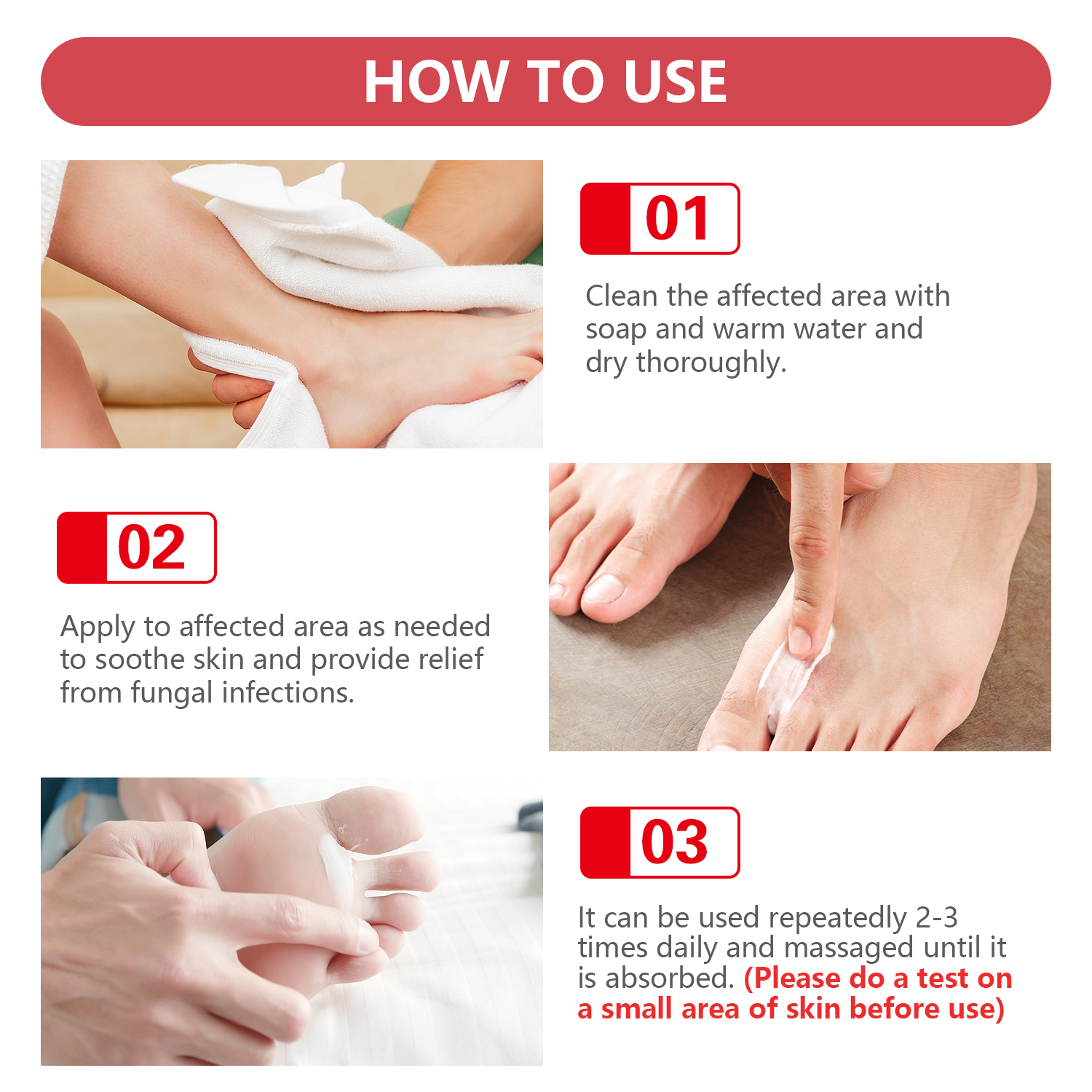
A common mistake is stopping treatment as soon as the symptoms, like itching, disappear. However, the fungus may still be present on the skin even if you feel better. It is crucial to complete the full course of treatment as indicated on the product’s label, which is often 2 to 4 weeks. Apply the medication to clean, dry feet, extending the application about an inch beyond the visible rash to target any fungus that may be spreading. Failure to be consistent gives the fungus a chance to recover and multiply, undermining your efforts.
Step 2: Declaring War on Fungus in Your Footwear
This is the step that most people miss, and it is the secret to preventing recurrence. You must actively decontaminate your shoes to eliminate the fungal reservoir. While your feet are healing, your shoes must be made safe to wear again.
Traditional Methods: Powders and Sprays
Antifungal powders and sprays are widely available options for treating footwear. Powders work by absorbing moisture and delivering an antifungal agent, making the environment less hospitable for fungal growth. Sprays offer a way to coat the inside surfaces of the shoe with a fungicidal chemical. While better than doing nothing, these methods have drawbacks. It can be difficult to ensure complete coverage, especially in the deep toe box area. Furthermore, they can leave a chemical residue or odor and may not penetrate deeply enough into the shoe material to kill all the spores.
Advanced Solutions: The Power of UV-C Light
A modern and highly effective method for sanitizing shoes is the use of ultraviolet-C (UV-C) light. This technology is used in hospitals to sterilize equipment because it is incredibly effective at destroying microorganisms. UV-C light works by penetrating the cell walls of fungi and bacteria and damaging their DNA and RNA. This renders them unable to reproduce and effectively kills them.
Devices like the Teseu UV Shoe Sanitizer are specifically engineered for this purpose. You simply place the device inside your shoes, and it emits a calibrated dose of UV-C light, reaching every corner and crevice without chemicals or moisture. This method not only eradicates up to 99.9% of the fungus responsible for athlete’s foot but also destroys odor-causing bacteria, leaving your shoes hygienically clean and fresh. It is a dry, non-toxic, and thorough solution to the shoe-sanitizing dilemma.
Why Treating Only Your Feet is a Strategy Doomed to Fail
Imagine meticulously cleaning your kitchen floor but then immediately walking all over it with muddy boots. This is the exact equivalent of treating your feet for a fungal infection but ignoring your shoes. Every effort you put into applying creams and keeping your feet dry is undone the moment you step into a contaminated shoe.
The fungal spores are patient. They can survive without a host for a long time in the right environment. By treating only your skin, you are creating a temporary fix. The infection will almost certainly return, leading to a cycle of frustration, wasted money on medications, and potentially worsening symptoms over time. A comprehensive fungal foot infection strategy must be a two-pronged attack on both the host (your feet) and the reservoir (your shoes).
How Do You Disinfect Shoes to Prevent Athlete’s Foot Recurrence?
Choosing the right method for disinfecting your shoes depends on factors like the shoe material, the severity of the problem, and your personal preference. Here is a comparison of common methods:
| Method |
Pros |
Cons |
Best For |
| Antifungal Sprays |
Quick to apply; widely available. |
Can have a strong chemical smell; may not reach all areas; can leave a damp residue. |
Daily freshening of synthetic athletic shoes. |
| Antifungal Powders |
Absorbs moisture; helps keep feet dry. |
Can be messy; may clump; incomplete coverage is common. |
Shoes worn without socks; managing moisture. |
| Washing Machine |
Can be effective if hot water and bleach/vinegar are used. |
Can damage or warp many types of shoes (leather, suede, etc.); time-consuming. |
Sturdy canvas or cloth sneakers that can withstand washing. |
| UV-C Shoe Sanitizers |
Highly effective (kills 99.9%+ of fungi); chemical-free; dry process; also deodorizes; safe for all materials. |
Initial device purchase cost. |
The most thorough and reliable solution for all types of footwear, from expensive leather shoes to daily trainers. |
Creating a Hostile Environment for Fungus: Daily Prevention Habits
Beyond active treatment, adopting certain daily habits can significantly reduce your risk of developing athlete’s foot in the first place, or of it returning. The goal is to make your feet and shoes as inhospitable to fungus as possible.
Start by washing your feet daily with soap and water, and—most importantly—drying them thoroughly, especially between the toes. Change your socks at least once a day, or more often if your feet get sweaty. Choose socks made from moisture-wicking materials like wool or synthetic blends over 100% cotton, which retains moisture. When at home, go barefoot to allow your feet to air out. In public areas like gym showers, pools, and locker rooms, always wear sandals or shower shoes to avoid direct contact with contaminated surfaces.
What Happens if Athlete’s Foot is Left Untreated in Shoes?
Ignoring the fungus in your shoes is a recipe for chronic foot problems. Continuous re-exposure from your footwear means the infection on your skin will likely become more severe and widespread. A mild case of peeling between the toes can escalate into painful, cracked skin across the soles of your feet, a condition known as moccasin-type tinea pedis.
These cracks and fissures in the skin create an open gateway for bacteria. This can lead to a serious secondary bacterial infection, such as cellulitis, which causes redness, swelling, pain, and warmth, and requires immediate medical attention and antibiotics. Furthermore, the persistent foot fungus can spread to other parts of your body, including your toenails (onychomycosis), groin (jock itch), or hands.
Your choice of shoes plays a significant role in fungal prevention. Opt for shoes made of breathable materials like leather, canvas, or mesh, which allow air to circulate and moisture to escape. Avoid shoes made from synthetic materials like plastic or rubber that trap heat and sweat.
It is also highly beneficial to rotate your shoes. Avoid wearing the same pair two days in a row. Giving your shoes at least 24 hours to dry out completely between wears can dramatically reduce the buildup of a moist environment where fungus can prosper. If you have a known infection, using a UV-C sanitizer in each pair of shoes after wearing them is the most effective way to ensure they are safe to wear again.
When Should You See a Doctor for Persistent Foot Fungus?
While many cases of athlete’s foot can be managed with OTC treatments and proper hygiene, there are times when professional medical advice is necessary. You should schedule an appointment with a podiatrist or dermatologist if your infection does not improve after 2-4 weeks of self-treatment or if it becomes worse.
Other red flags that warrant a doctor’s visit include signs of a bacterial infection (such as excessive redness, swelling, pus, or fever), if the infection spreads to your toenails, or if you have diabetes or a compromised immune system. Individuals with these conditions are at higher risk for complications and may require stronger, prescription-strength topical or oral antifungal medications to resolve the infection safely.