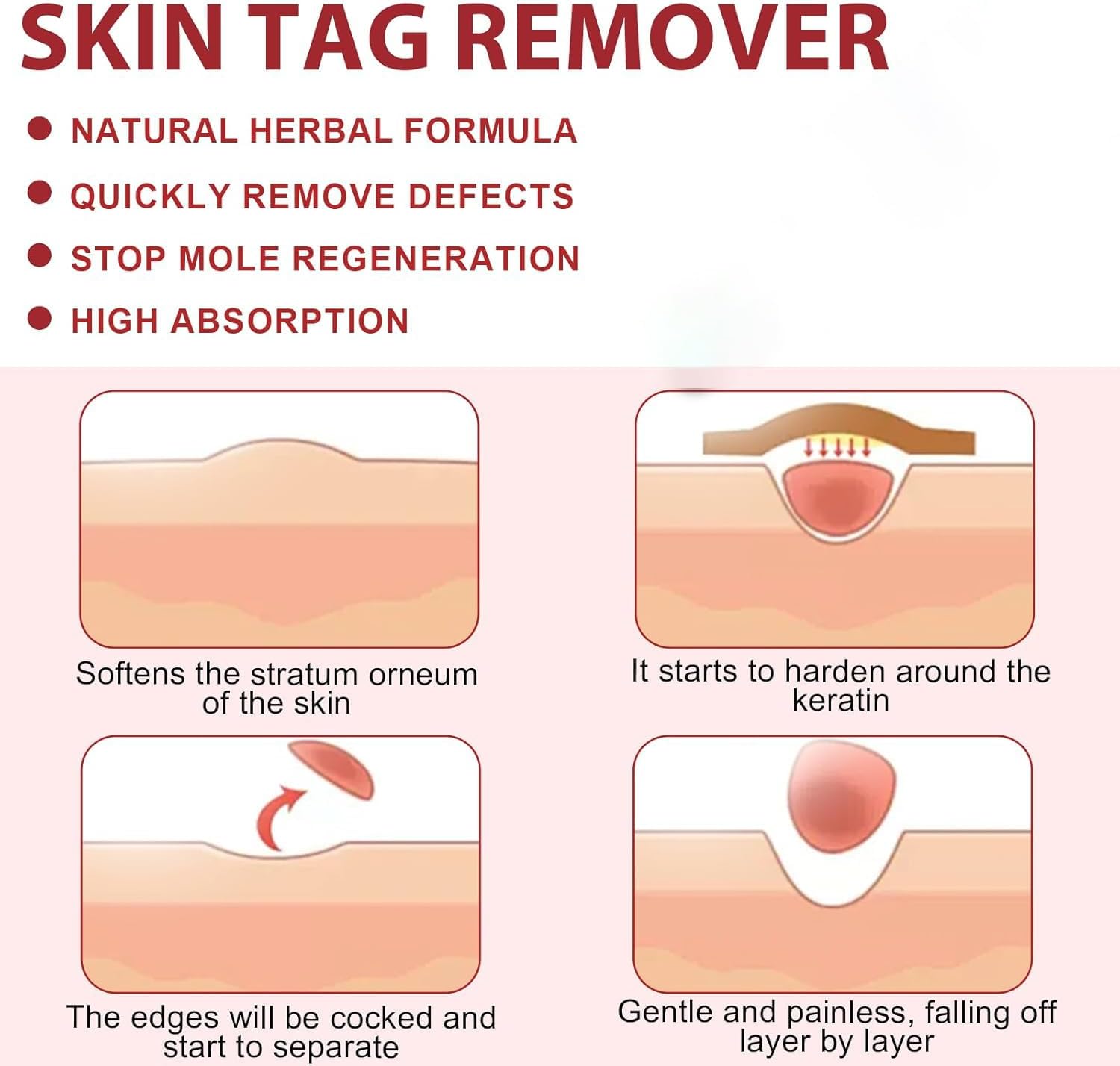
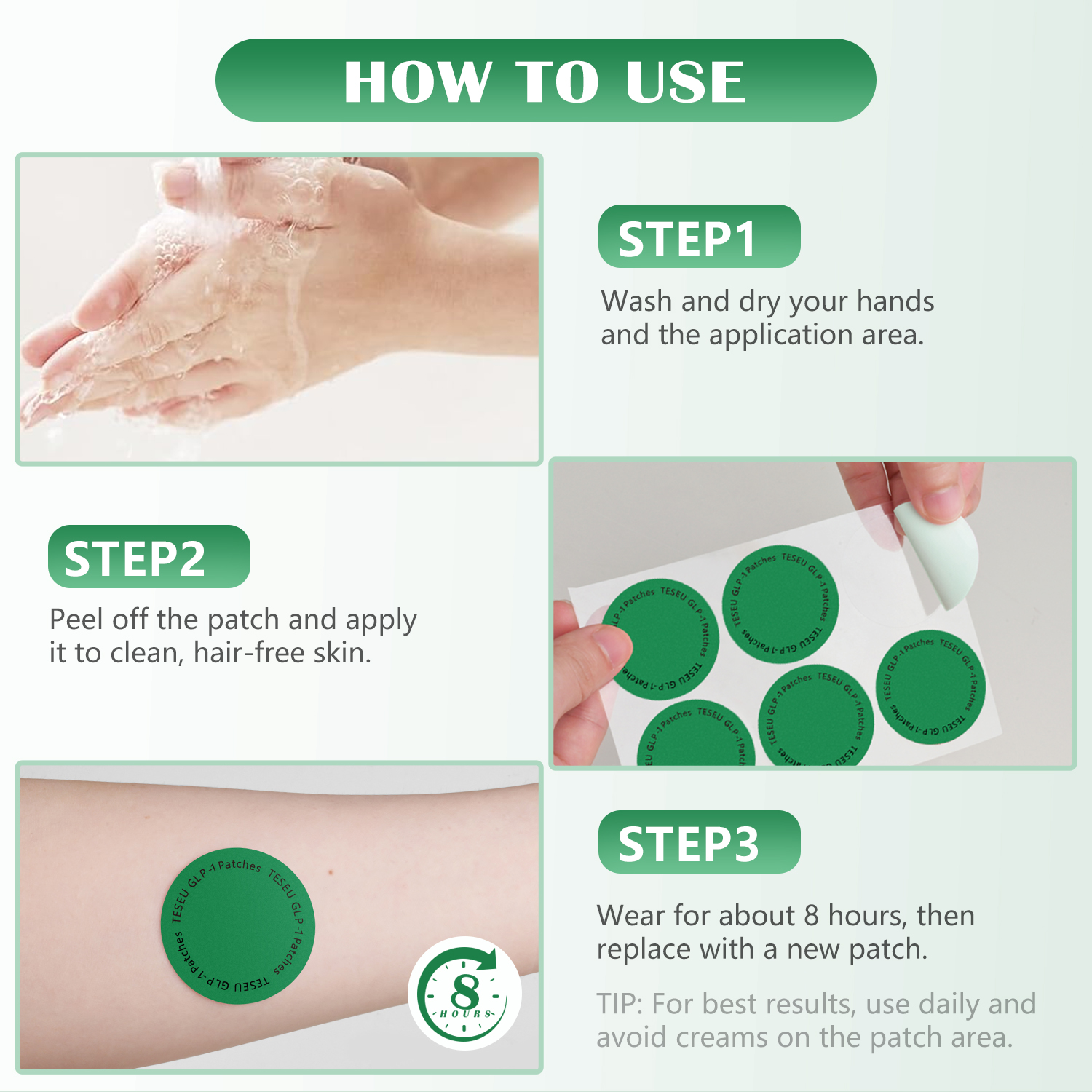
When dealing with tiny, delicate skin tags, precision and safety are paramount. A pen-style applicator is often the superior choice for treating tiny skin tags because it offers unparalleled precision, minimizing contact with surrounding healthy skin and ensuring the treatment is applied exactly where needed. This targeted approach enhances safety, reduces the risk of irritation, and promotes a more efficient and effective removal process. The ergonomic, pen-like design allows for a steady, controlled application, making it an ideal tool for at-home use, even in hard-to-reach areas.
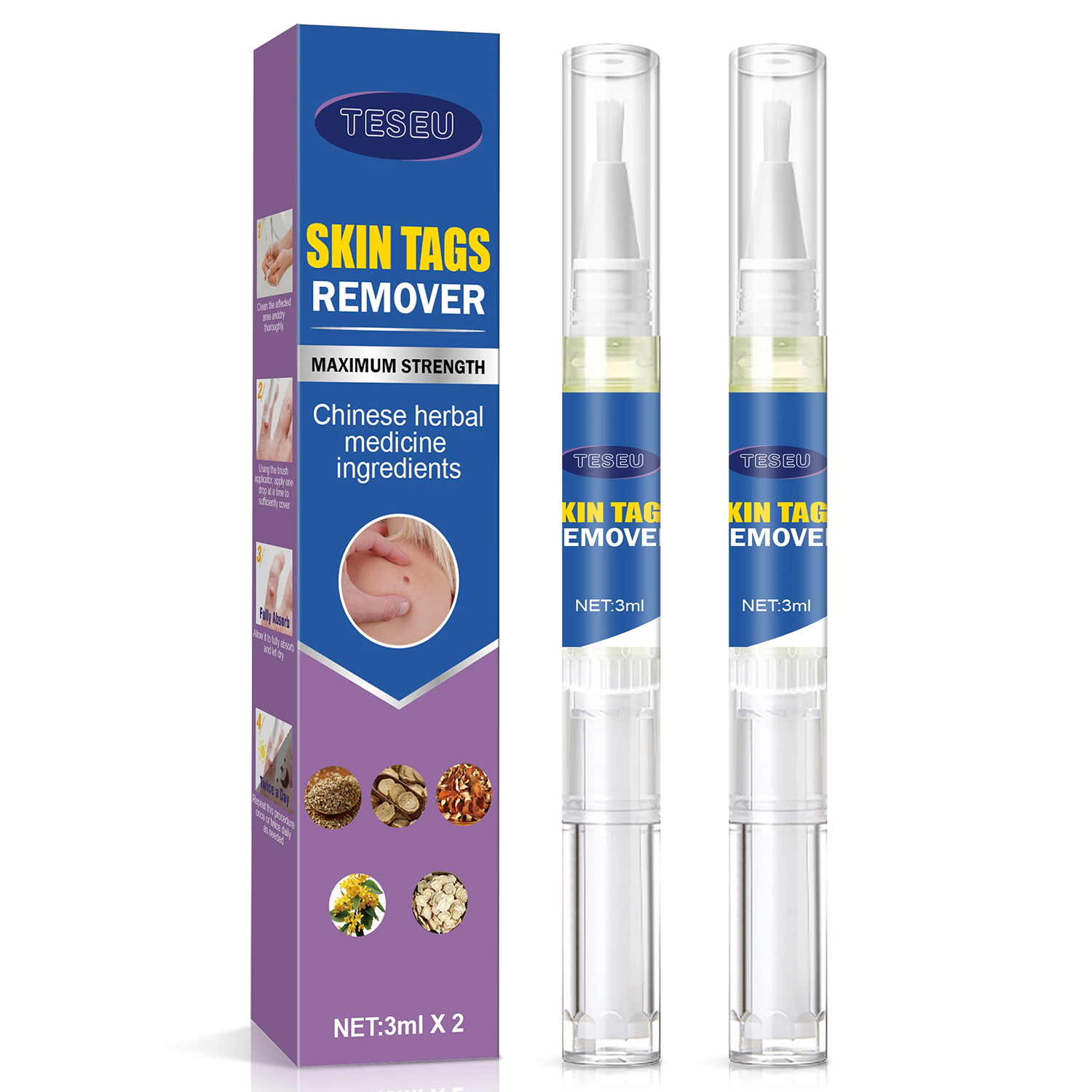
Table of Contents
Skin tags, or acrochordons, are small, soft, benign growths that hang off the skin. While they can vary in size, tiny skin tags are typically categorized as being between 1mm and 3mm in diameter. These small growths most commonly appear in areas where skin rubs against skin, such as the neck, underarms, eyelids, and groin. Because of their small size and frequent location in sensitive or visible areas, their removal requires a method that is exceptionally precise and gentle.
The diminutive nature of these skin tags makes them particularly challenging to treat with traditional, less-targeted methods. Applying a treatment to such a small point without affecting the surrounding dermal tissue is the primary difficulty. A clumsy application can lead to unnecessary irritation, inflammation, or even scarring of the healthy skin, turning a simple cosmetic procedure into a more significant issue.
Why Does Precision Matter So Much for Small Skin Tags?
For any skin treatment, accuracy is important, but for tiny skin tags, it becomes the most critical factor for success. The goal is to isolate the skin tag entirely, applying the removal mechanism only to the stalk or base of the growth. When a treatment—whether it’s a freezing agent, a chemical solution, or a ligation band—spreads to the surrounding healthy skin, it can cause damage. This is because these treatments are designed to destroy the tissue of the skin tag; healthy skin is not meant to withstand that process.
Imprecise methods risk causing chemical burns, frostbite, or inflammation on the healthy tissue. This not only causes discomfort but can also lead to post-inflammatory hyperpigmentation (dark spots) or scarring. A precise tool, such as a pen-style applicator, is specifically engineered to overcome this challenge by enabling you to target only the acrochordon, ensuring the surrounding epidermis remains untouched and unharmed. This focused approach is the cornerstone of a safe and effective at-home removal.
How Does a Pen-Style Applicator Work for Skin Tag Removal?
Most high-quality pen-style skin tag removers operate on the principle of ligation. This is a well-established medical technique that has been adapted into a user-friendly format for convenient at-home use. The pen is not a writing instrument but a sophisticated delivery system for applying a small elastic band to the base of the skin tag.
Understanding the Ligation Method
Ligation works by cutting off the blood supply to the skin tag. Skin tags are connected to the body by a small stalk called a peduncle, which contains the blood vessels that nourish the growth. By placing a tight band around this stalk, the flow of blood is stopped. Deprived of oxygen and nutrients, the cells within the skin tag begin to die. Over the course of approximately one to two weeks, the skin tag will darken, dry up, and eventually fall off naturally, leaving smooth skin behind.
This process mimics a natural decay, which is why it is considered one of the safest and least invasive removal methods. It avoids cutting, burning, or freezing, which carry higher risks of infection and scarring if not performed correctly.
The Step-by-Step Application Process
Using a tool like the TeSeu Automatic Skin Tag Remover Pen streamlines this process into a few simple actions. The user loads a tiny micro-band onto the tip of the pen. They then place the hollow end of the pen directly over the skin tag, ensuring it is centered. With a simple press of a button, the device automatically deploys the band, securing it perfectly around the base of the stalk. This one-click mechanism removes guesswork and ensures the band is applied with the correct tension and placement every time.
What is the Core Advantage of a Targeted Application?
The primary benefit of a pen-style device is its ability to deliver treatment with pinpoint accuracy. This targeted approach is what sets it apart from less precise methods like creams, patches, or DIY remedies that can easily affect a wider area than intended.
Isolating the Skin Tag Effectively
A pen applicator’s narrow tip allows the user to easily single out one tiny skin tag, even within a cluster. You can position the tip directly over the growth without obscuring your view. This is crucial for small skin tags that might be just a millimeter or two wide. The design ensures that the ligation band is deployed only on the intended target, containing the treatment effect strictly to the unwanted growth.
Protecting Surrounding Healthy Skin
By confining the treatment to the skin tag itself, a pen applicator inherently protects the adjacent healthy skin. Methods like topical solutions or freezing sprays can easily drip or spread, causing collateral damage. Ligation via a pen is a purely mechanical process that only affects the tissue it encircles. This significantly lowers the risk of burns, discoloration, and scarring, making it a much safer option, especially for sensitive areas like the face, neck, or under the breast.
How Does an Ergonomic Design Enhance Control?
The familiar shape and feel of a pen provide an intuitive user experience. This ergonomic design is not just for comfort; it is a critical feature that translates directly into better control and a more successful application, particularly for individuals who may not be very dexterous.
Achieving a Steady Hand
Holding a pen is a natural and stable grip for most people. This allows for a steady hand during application, which is essential when targeting a minuscule point on your skin. The controlled, deliberate movement you can achieve with a pen-like tool minimizes shakes or slips that could lead to misapplication. This level of stability is difficult to achieve with droppers, cotton swabs, or bulky cryogenic applicators.
Accessing Difficult-to-Reach Areas
Skin tags often hide in awkward places, such as behind the ear, on the back of the neck, or in the armpit. The slim, elongated body of a pen applicator allows you to reach these areas with greater ease. Its design helps you navigate around curves and obstacles on the body, allowing for a precise application from various angles, something that would be nearly impossible with wider or more cumbersome tools.
How Do Pen Applicators Compare to Other Removal Methods?
When evaluated against other common at-home skin tag treatments, the advantages of a pen-style ligation device for tiny skin tags become even more apparent.
| Removal Method |
Precision |
Safety for Healthy Skin |
Ease of Use |
Ideal for Tiny Tags? |
| Pen-Style Applicator (Ligation) |
Excellent |
Excellent |
Very Easy |
Yes |
| Freezing Sprays (Cryotherapy) |
Poor |
Low |
Moderate |
No |
| Topical Creams/Liquids |
Poor to Moderate |
Low to Moderate |
Easy |
No |
| Patches |
Moderate |
Good |
Easy |
Sometimes |
| Cutting/Snipping (Not Recommended) |
Varies (High Risk) |
Poor (High Risk) |
Difficult |
No |
Which Skin Tag Sizes Are Ideal for Pen Applicators?
Pen-style applicators are specifically engineered for a certain size range to ensure the ligation band fits securely and effectively. Most devices, including the TeSeu pen, are designed for small to medium skin tags, typically ranging from 2mm to 5mm in diameter. This range is the sweet spot where the band can apply sufficient pressure to the stalk without being too loose or too tight.
For tiny skin tags under 2mm, the band may not be able to grip the stalk tightly enough to cut off blood flow. Conversely, for large skin tags over 5mm, the band may not fit around the base or may break under the strain. Therefore, it is crucial to measure your skin tag and use the device only on growths that fall within the recommended size parameters for a safe and successful outcome.
What Are the Safety and Hygiene Benefits of a Pen System?
Modern skin tag removal pens are designed as a closed, hygienic system. The bands are often pre-loaded in a cartridge or are handled with a specific tool, minimizing direct contact with your fingers. This reduces the risk of transferring bacteria to the treatment site. Furthermore, since the skin is not broken or punctured, the risk of infection is dramatically lower compared to methods like cutting.
The applicator itself is typically made from medical-grade plastic that can be easily cleaned with an alcohol wipe before and after use. The one-time-use nature of the ligation bands ensures that each application is sterile, further enhancing the overall safety and hygiene of the procedure.
Tempting as it may be, using improvised household items like dental floss or thread to ligate a skin tag is a risky endeavor. These methods lack the precision, correct tension, and hygiene of a professionally designed tool. It is nearly impossible to tie a thread tightly and precisely enough around the base of a tiny skin tag, especially in a hard-to-reach area. This can lead to an incomplete ligation, which may only irritate the skin tag without removing it, or cause unnecessary skin trauma.
A purpose-built tool like a skin tag remover pen eliminates these risks. It is engineered to apply a band of the exact size and elasticity needed, with a mechanism that ensures perfect placement with a single, simple action. Investing in a dedicated tool is investing in your safety and the certainty of a better result.
What Should You Look For in a Quality Skin Tag Removal Pen?
When selecting a skin tag removal pen, consider several key factors to ensure you are getting a safe and effective product. Look for a device that offers an automatic, one-click application, as this simplifies the process and guarantees correct band placement. Check that it is intended for the specific size of your skin tags (e.g., 2-5mm).
The material of the device and the bands is also important. High-quality, medical-grade materials reduce the risk of allergic reactions or irritation. Finally, choose a product from a reputable brand that provides clear, detailed instructions and customer support. A reliable device like the TeSeu pen checks all these boxes, providing a trustworthy, precise, and user-friendly solution for reclaiming smooth, clear skin at home.