Treating deep-rooted warts organically requires patience because natural remedies work by gradually stimulating the body’s immune system to recognize and fight the Human Papillomavirus (HPV) causing the wart. Unlike invasive procedures that physically destroy wart tissue, organic methods support a systemic, internal healing process. This biological collaboration between the treatment and your immune response takes time, often several weeks or months, to fully eradicate the virus from the deeper layers of the skin and prevent recurrence.
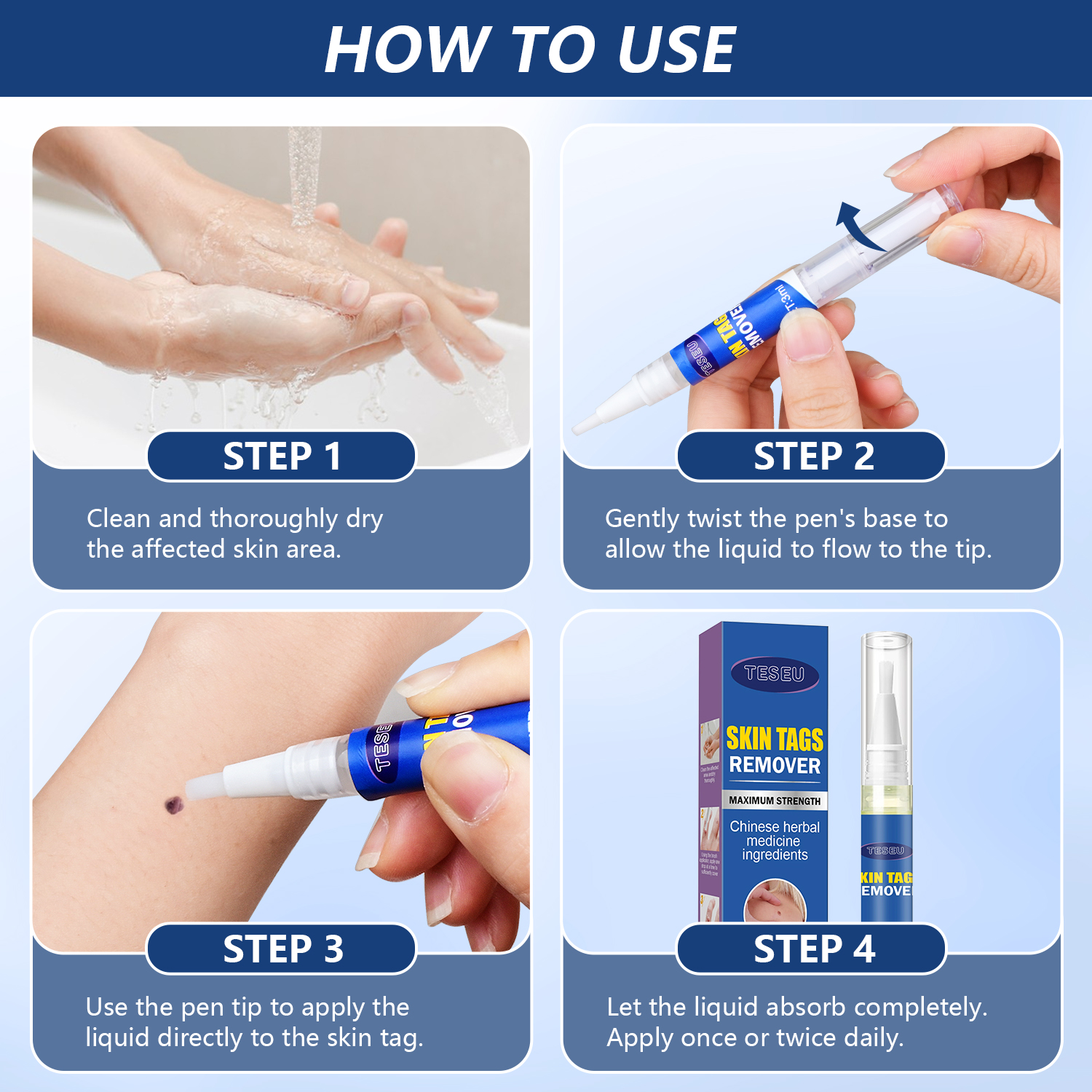
Table of Contents
Warts are caused by various strains of the Human Papillomavirus (HPV). While they appear as rough bumps on the skin’s surface, their foundation can be much deeper. A “deep-rooted” wart, often a plantar wart on the foot or a stubborn common wart, is not just a surface-level issue. The virus infects the basal layer of the epidermis, the deepest layer of our outer skin, causing skin cells to replicate rapidly. This growth pushes upward to form the visible wart but is sustained by a strong blood supply from tiny capillaries that extend up into the wart tissue, appearing as small black dots.
These warts are particularly challenging because their core is well-established and protected within the thicker layers of the skin. Aggressive removal can be painful and lead to scarring because it must penetrate these sensitive layers. The term “root” is a metaphor; warts don’t have true plant-like roots, but their integration with the lower epidermis and dermal blood vessels makes them tenacious and difficult to remove completely, especially without addressing the underlying viral cause.
The primary reason organic treatments require patience is their fundamental mechanism of action. Unlike chemical peels that burn away skin or freezing procedures that cause a thermal injury, natural solutions work with your body. Their goal is not just to destroy the visible wart but to help your immune system identify and eliminate the HPV that resides in the skin cells. This is a biological process, not a mechanical one, and biological processes have their own inherent timelines.
Think of it as training your body’s defenses. When you apply a natural treatment, you are often creating a mild, localized irritation that signals the immune system to pay attention to that specific area. Immune cells then migrate to the site, recognize the HPV-infected cells as foreign, and begin the slow work of clearing the infection. For a deep-rooted wart, this immune response needs to be sustained long enough to penetrate all infected layers of the skin, which can be a matter of weeks or even months of consistent application.
Natural wart removal is a sophisticated process that leverages your body’s innate healing capabilities. It’s less about a direct assault and more about targeted encouragement for your system to do the work. This dual-action approach ensures a more thorough and lasting resolution.
Many organic treatments, particularly those formulated with plant-based compounds like Thuja Occidentalis, possess immunomodulatory properties. These ingredients don’t just act on the skin; they trigger a localized immune cascade. By creating a controlled, gentle irritation, they effectively “unmask” the wart virus, which often hides from the immune system. Once alerted, your body’s T-cells and other immune agents can recognize the infected cells and begin dismantling them. This immune-centric approach is vital for not only removing the current wart but also for reducing the chance of it returning in the same spot.
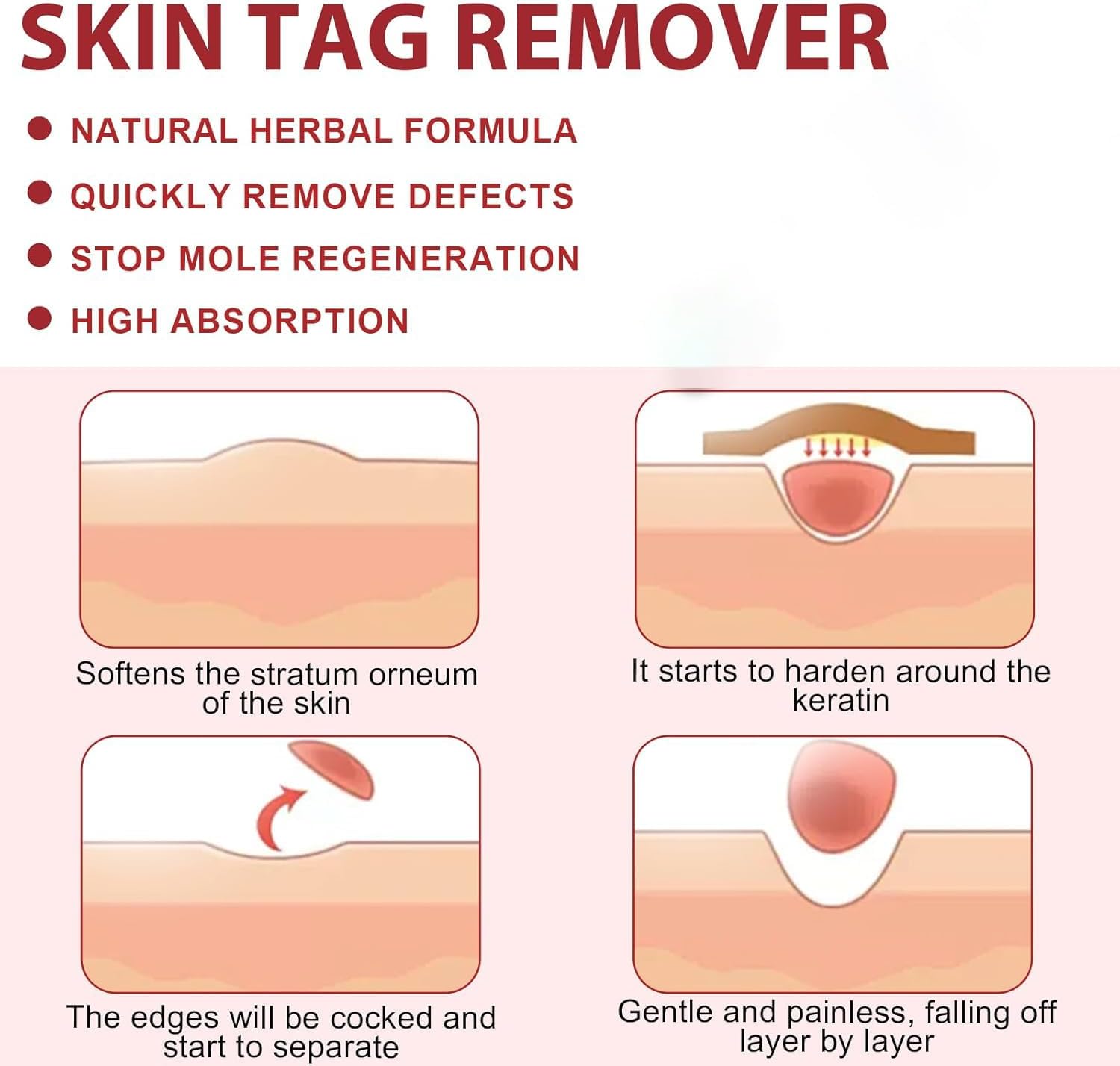
Alongside immune stimulation, many natural ingredients have keratolytic properties, meaning they help soften and break down the hard, callused protein (keratin) that makes up the bulk of the wart. For example, some natural formulations work to gently exfoliate the wart layer by layer. This process is intentionally slow. It methodically removes the protective outer layers of the wart, allowing the active ingredients—and your immune cells—to reach the deeper, virally-infected tissue. This gradual, non-scarring removal of the wart’s physical structure complements the internal immune fight.
Understanding the life cycle of a wart helps clarify why treatment is not instantaneous. After initial HPV infection, there’s an incubation period that can last from two to six months, or even longer, before a wart becomes visible. During this time, the virus is replicating in the basal layer of the epidermis.
Once the wart appears, it establishes its own blood supply and grows. An effective treatment must interrupt this cycle. Organic treatments do this methodically:
- Weeks 1-3: Softening and Initial Response. During the initial phase of consistent application, the hard, calloused surface of the wart begins to soften. You might not see dramatic changes, but the treatment is penetrating the outer defenses. The small black dots (thrombosed capillaries) may become more visible as the top layers thin.
- Weeks 4-8: Immune Engagement and Reduction. This is often when visible progress occurs. As the immune system becomes fully engaged, the wart may appear inflamed or change color. It might start to shrink in diameter or flatten. This is a positive sign that the body is actively fighting the virus.
- Weeks 9-12+: Expulsion and Healing. In the final phase, the body effectively rejects the wart tissue. The core of the wart may turn black and eventually fall off, leaving a small crater or pink, healthy skin underneath. It is crucial to continue treatment as directed until the skin texture has completely returned to normal, ensuring all viral particles have been cleared.
The timeline for healing a deep-rooted wart naturally is not one-size-fits-all. Several personal and biological factors play a significant role in how quickly your body can resolve the infection.
The single most important variable is your own immune health. An individual with a robust, responsive immune system will likely clear a wart faster than someone whose immune function is compromised by stress, poor nutrition, lack of sleep, or an underlying health condition. Since organic treatments rely heavily on this system, supporting your overall health with a balanced diet, adequate rest, and stress management can significantly enhance the effectiveness of the treatment.
Larger, older warts that have been present for years are more established and will naturally take longer to treat. Warts in areas with thick skin, like the soles of the feet (plantar warts), are more protected and require a longer period for treatments to penetrate effectively. Their depth makes them more resistant than smaller, newer warts on thin-skinned areas like the hands.
Skipping applications or stopping treatment prematurely is a common reason for failure. Natural treatments require a steady, uninterrupted application to maintain the necessary pressure on the virus and support the immune response. Each dose builds upon the last. Inconsistent use allows the wart to recover and fortify itself, essentially resetting the clock on your healing journey. Following the recommended application schedule diligently is paramount to success.
While it may test your patience, opting for a slower, organic treatment method offers significant advantages over faster but more aggressive procedures. Embracing this process rewards you with a healthier, more permanent solution.
| Benefit |
Description |
| Minimal to No Scarring |
Organic methods work by gently peeling away layers and triggering natural rejection, preserving healthy surrounding tissue. This avoids the permanent scars often left by cutting, burning, or freezing. |
| Painless Application |
Unlike cryotherapy or laser treatments which can be quite painful, natural topicals are typically gentle and pain-free, making them suitable for both adults and children without causing fear or discomfort. |
| Lower Recurrence Rate |
By addressing the root viral cause and engaging the immune system, organic treatments help your body build a “memory” of the virus. This makes it less likely for the wart to grow back in the same location. |
| Supports Overall Skin Health |
Natural formulas, like our Teseu Wart Remover, are designed to be non-damaging to the surrounding healthy skin. The patient process respects the skin’s integrity, promoting healing rather than causing collateral damage. |
Maintaining consistency over a period of weeks or months can be challenging. However, keeping your long-term goal in mind and celebrating small victories can make the process manageable and even rewarding.
One effective strategy is to document your progress. Take a photo of the wart on day one, and then another photo at the end of each week. Even when changes feel slow day-to-day, a weekly comparison can reveal noticeable reductions in size or changes in texture that prove the treatment is working. This visual evidence provides powerful motivation to continue.
Remind yourself of the “why.” You chose a natural path to avoid pain, scarring, and harsh chemicals. Each application is a step toward that goal. Frame the treatment not as a chore, but as an act of self-care and a commitment to your body’s long-term health. Trust the process, remain consistent, and you will give your body the time it needs to heal itself from the inside out.